
When it comes to wearing a suit, most people focus on the jacket fit or the fabric quality, but shoes often play a much bigger role than expected. In reality, even a perfectly tailored suit can lose its impact if it’s paired with the wrong footwear. In this guide, we’ll help you choose the best shoes for suits based on suit style, color, and occasion. Understanding how to match the right shoes with the right suit will ensure you always look put together, confident, and well-dressed.
1. What Makes a Shoe the Best Match for a Suit?
Not all dress shoes work well with suits. A shoe may look beautiful on its own, but if it doesn’t match the suit’s level of formality, material, and overall shape, the outfit will feel unbalanced.
To truly choose the best shoes for suits, you need to understand a few core principles that professionals use when pairing footwear with tailoring.
Matching Shoes to Suit’s Formality Level
The first and most important factor is formality. Suits are not all the same, and neither are dress shoes.
A formal suit, such as a tuxedo, requires shoes with clean lines and minimal detailing. This is where styles like Oxford shoes shine, as their closed-lacing system creates a sleek and refined appearance.
Business suits allow slightly more flexibility. Derby shoes or subtle brogues can work well here, especially in professional office settings.
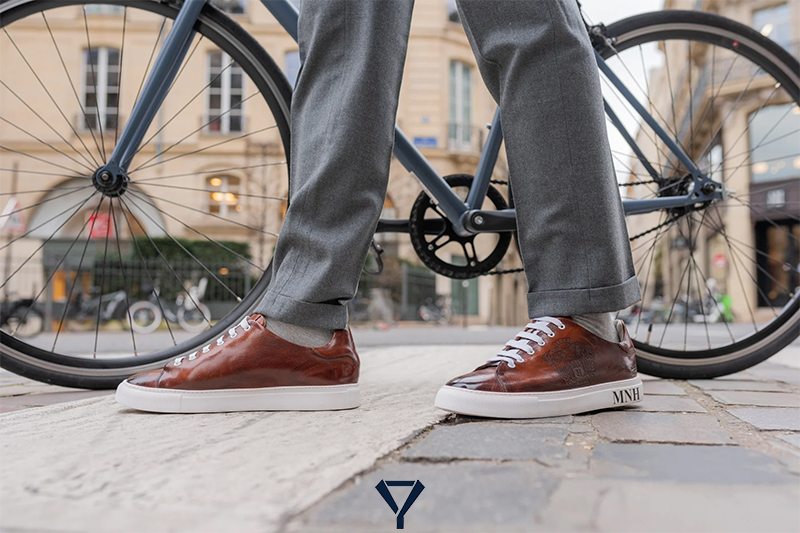
Casual suits, on the other hand, are far more relaxed. They can be paired with loafers, suede shoes, or even minimalist leather sneakers in some modern contexts.
This is why not every good-looking shoe works with a suit. Wearing shoes that are too casual with a formal suit can make the outfit look mismatched, while overly formal shoes can feel stiff and out of place with a relaxed suit.
Shoe Material Quality
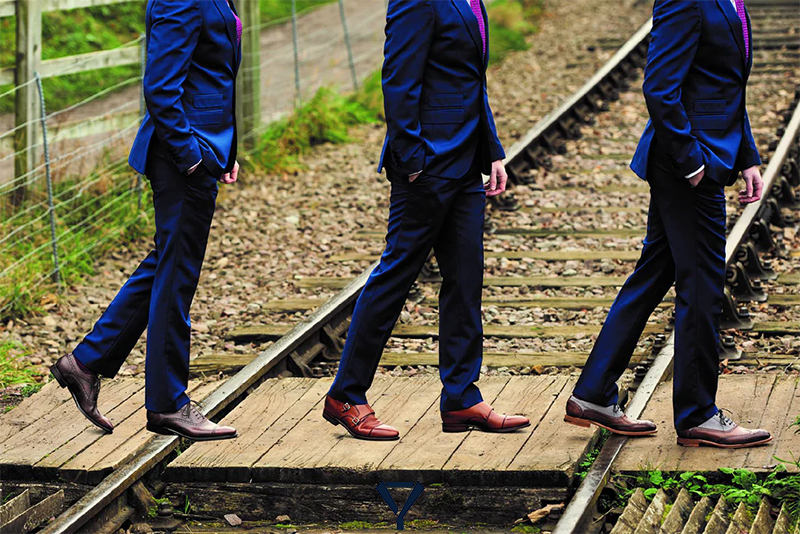
Material plays a huge role in determining whether a shoe truly complements a suit. High-quality leather not only looks better but also ages more gracefully over time.
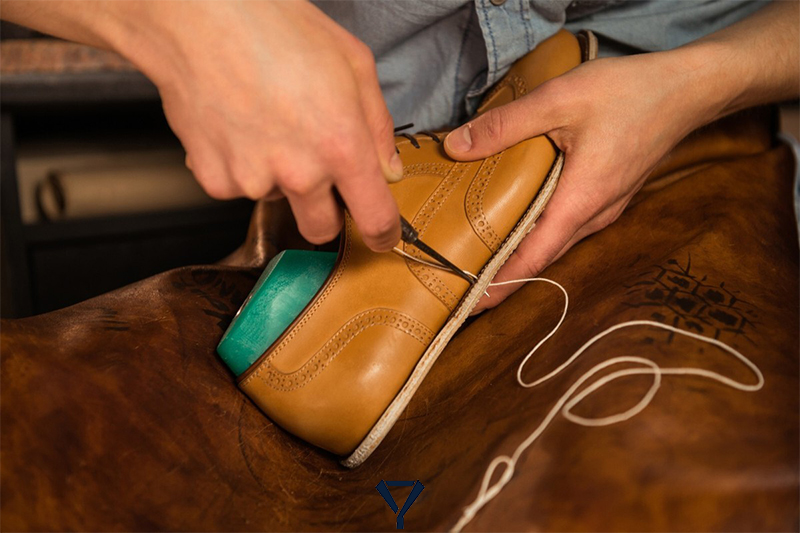
Full-grain leather is considered the gold standard for dress shoes because it retains the natural texture of the hide and develops a rich patina with wear. Corrected leather, while more affordable, often lacks depth and durability.
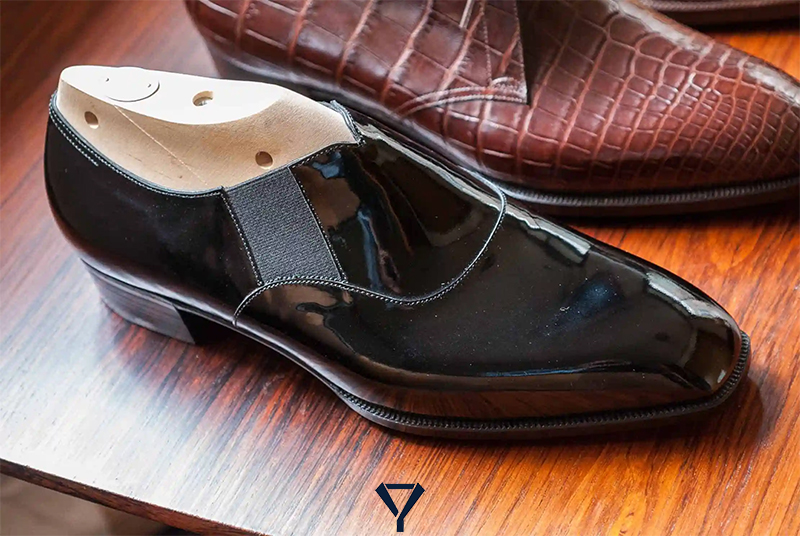
Patent leather has a very specific role. Its glossy finish is designed for formal eveningwear, such as tuxedos and black-tie events. Outside of these occasions, patent leather usually feels too flashy for everyday suits.
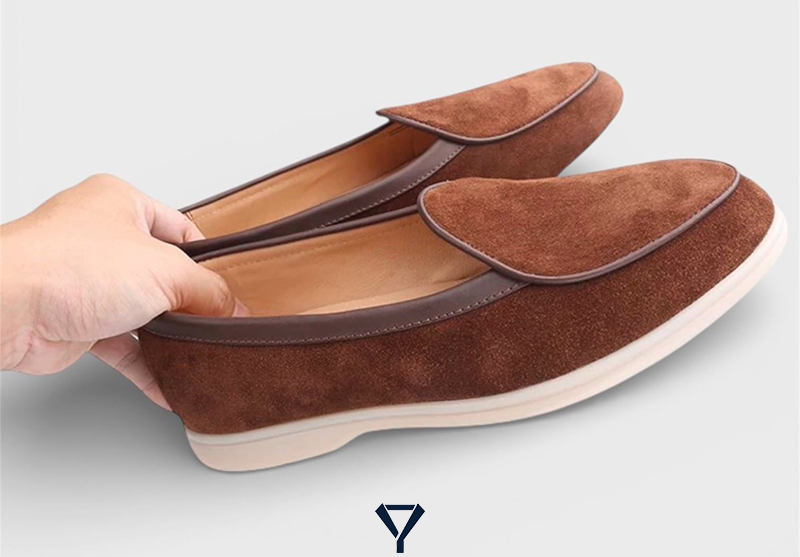
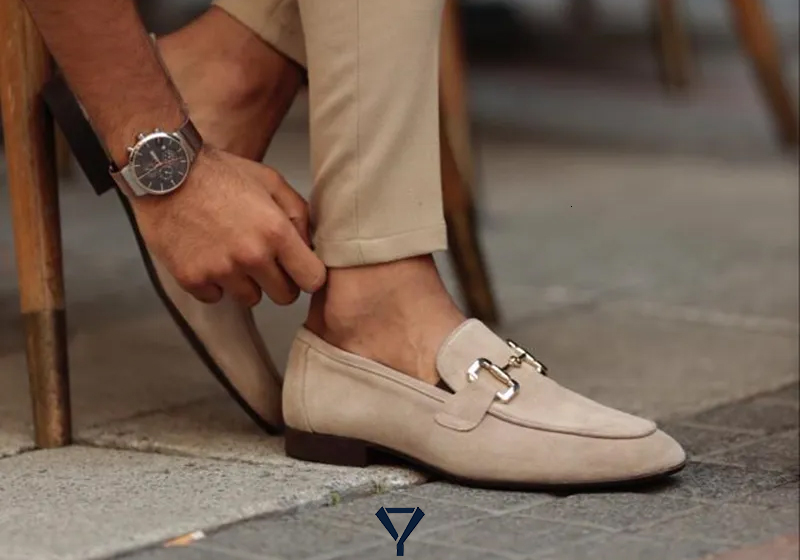
Suede is another material that raises questions. While suede shoes can work with suits, they are best reserved for casual or seasonal tailoring, such as summer suits or lighter suit fabrics. Suede softens the overall look, making it unsuitable for highly formal settings but perfect for smart-casual or modern styles.
Construction & Shape
The construction and shape of a shoe determine how well it visually aligns with a suit.
- Toe shape is especially important.
- Round toes offer a classic and versatile look, and almond-shaped toes feel refined and elegant.
- Chisel toes create a sharp, modern edge.
- Extremely square or exaggerated shapes tend to clash with tailored clothing.
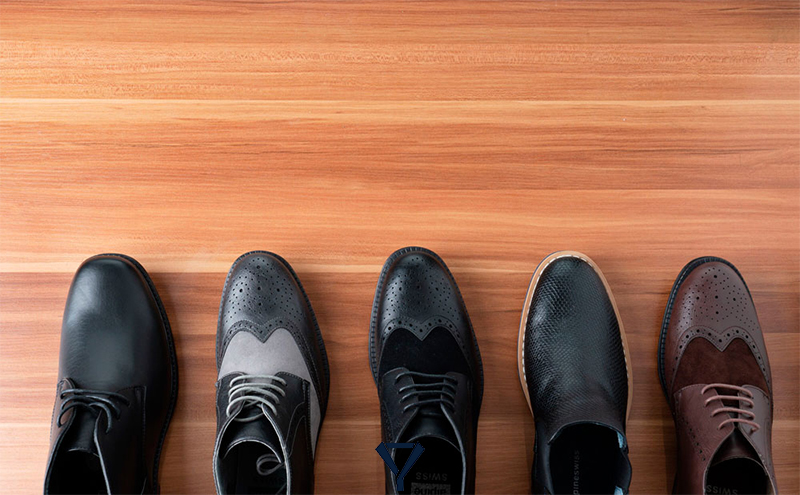
Sole choice also matters.
- Leather soles are traditionally associated with dress shoes and formal suits, offering a slim and elegant profile.
- Rubber soles provide better grip and comfort, but thicker versions can reduce the formality of the shoe.
- Many modern dress shoes use slim rubber or hybrid soles to balance style and practicality.
Finally, the overall silhouette of the shoe should complement the suit’s cut. The right proportions help create a cohesive, polished look from head to toe. A slim-fit suit pairs best with streamlined shoes, while a more traditional suit can handle slightly fuller shapes.
2. Best Types of Dress Shoes for Suits
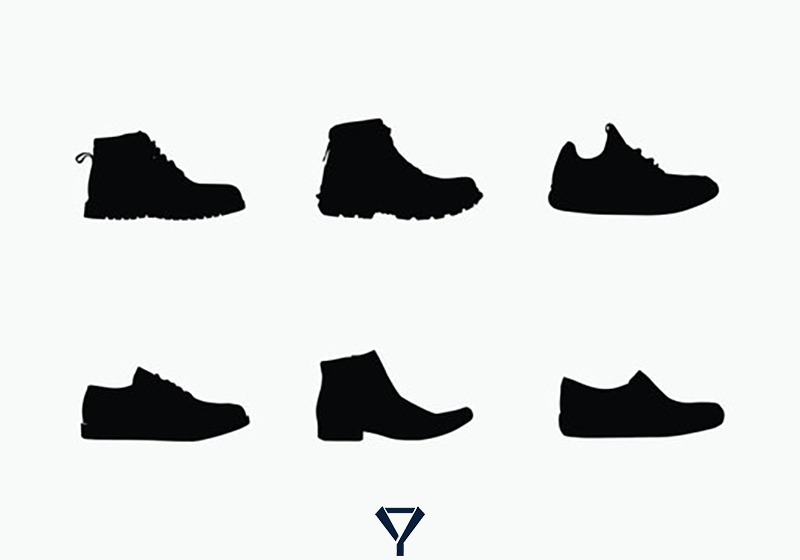
Different types of shoes communicate different levels of formality, personality, and intent. Among all options, Oxford and Derby shoes stand out as the most reliable and widely accepted choices. Understanding how and when to wear each will help you consistently choose the best shoes for suits, no matter the occasion.
Oxford Shoes
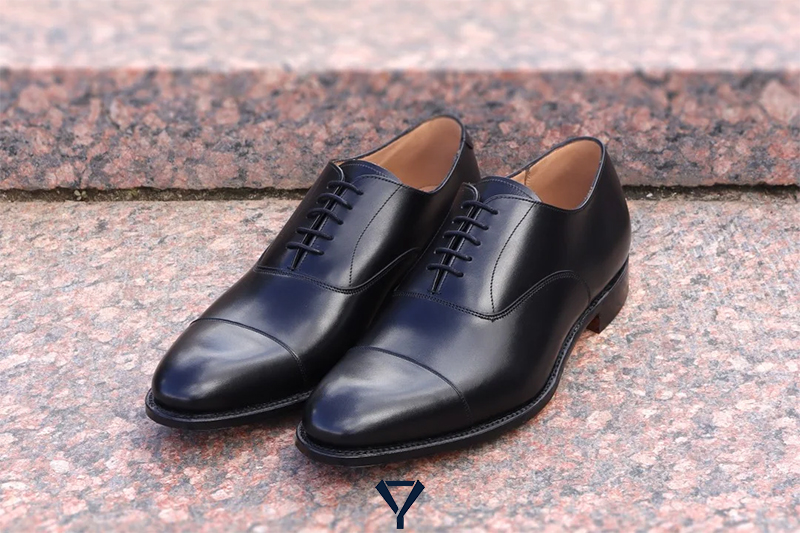
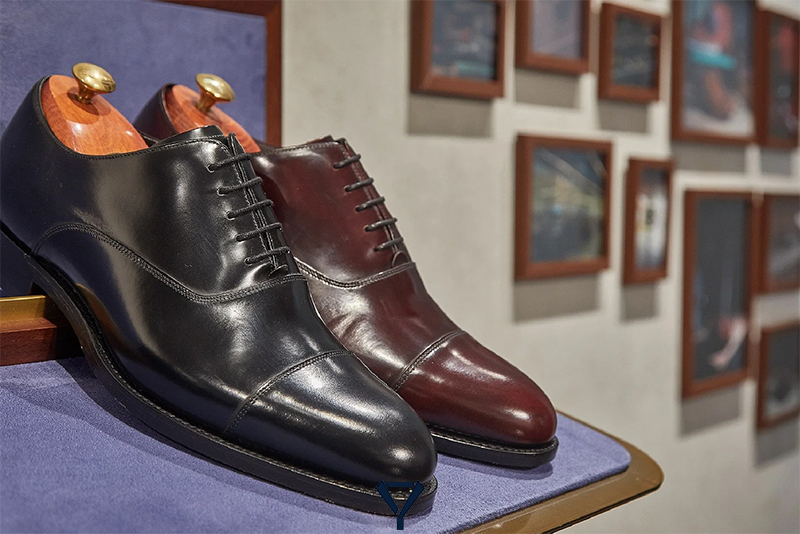
Oxford shoes are widely considered the most formal and classic option to wear with a suit. Their defining feature is the closed-lacing system, where the eyelets are stitched underneath the vamp. This construction creates a clean, sleek silhouette that pairs perfectly with tailored clothing. Because of this refined structure, Oxfords are often regarded as the best shoes for formal suits.
Oxford shoes work best with business suits, dark suits, and formal occasion wear. They project authority, professionalism, and timeless elegance, making them a staple in corporate environments and formal events.
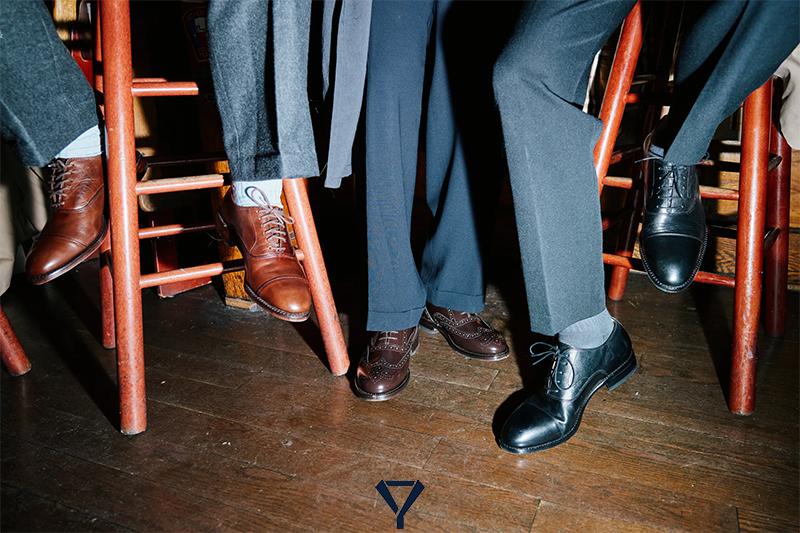
Cap-toe Oxford shoes are the most versatile variation. The horizontal stitching across the toe adds subtle detail without reducing formality, making them ideal for office wear, job interviews, and weddings. If you only own one pair of dress shoes for suits, a black or dark brown cap-toe Oxford is often the smartest investment.
Plain-toe Oxford shoes, on the other hand, are even more minimal. With no toe stitching, they offer the cleanest possible look. This makes them especially suitable for tuxedos and black-tie events, where simplicity and elegance matter most.
Black plain-toe Oxfords, particularly in high-quality polished leather or patent leather, are a classic choice for formal evening wear.
Derby Shoes
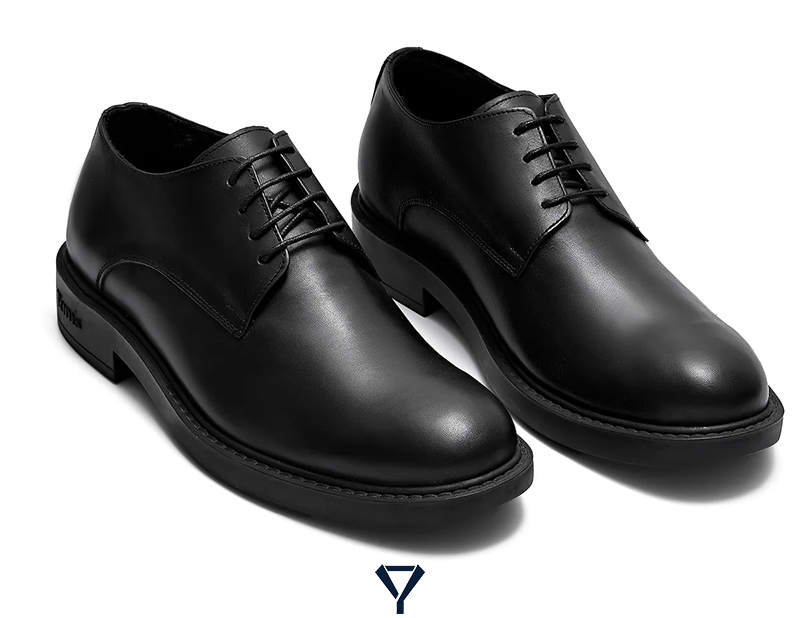
Derby shoes are slightly less formal than Oxfords but offer far greater versatility. The key difference lies in their open-lacing system, where the eyelets are stitched on top of the vamp rather than underneath. This creates a more relaxed appearance and allows for a more comfortable fit, especially for men with wider feet.
Because of this balance between structure and comfort, Derby shoes are an excellent match for business suits and modern professional settings. They maintain a polished look while feeling less rigid than Oxfords, making them ideal for long workdays or daily office wear.
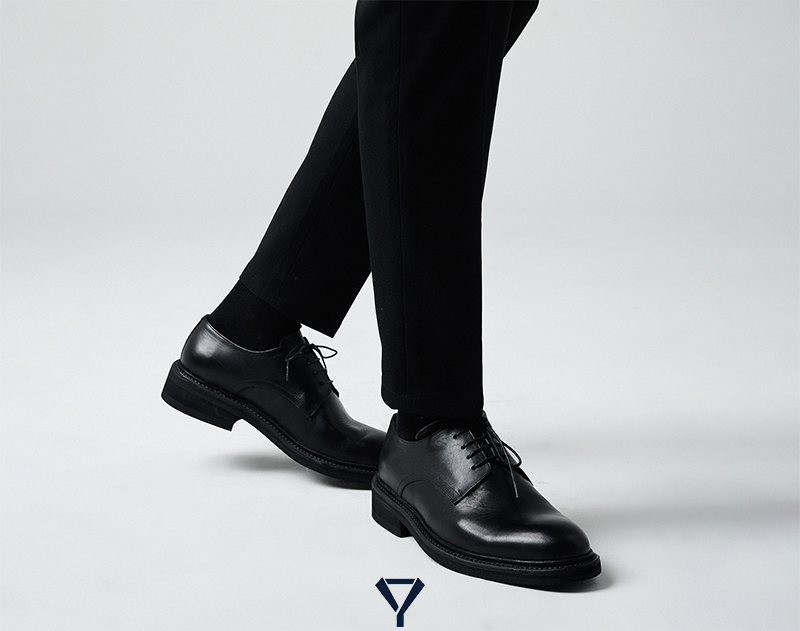
Derby shoes also work particularly well with business suits, textured fabrics, and smart-casual tailoring. They pair nicely with navy, grey, and patterned suits, and they transition easily from formal office environments to after-work social settings. When made in smooth leather and kept minimal in design, Derbies still look sharp and professional.
You should choose Derby shoes over Oxfords when comfort, versatility, and a slightly relaxed style are priorities. They are especially suitable for modern suits, softer tailoring, and occasions where full formal strictness is not required.
Loafers
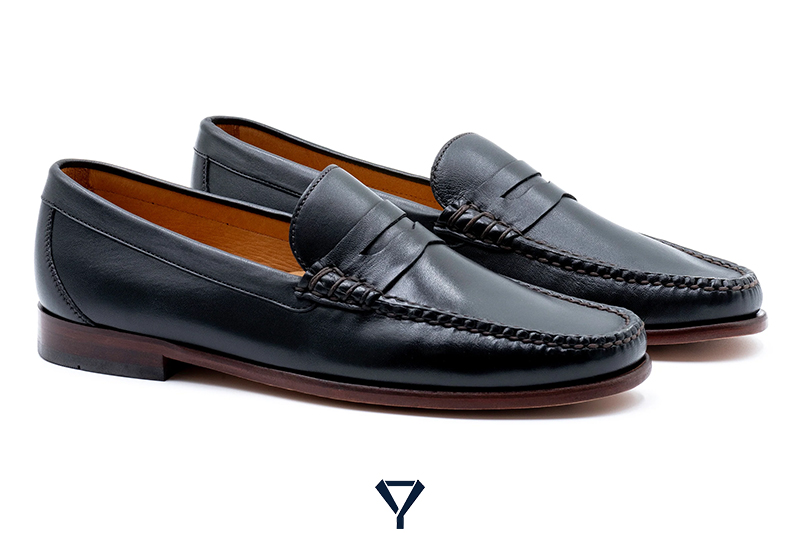
Loafers have become increasingly popular in modern tailoring, especially as suits move toward more relaxed and versatile styling. While loafers are traditionally seen as less formal than lace-up dress shoes, the right type of loafer can still work beautifully with a suit when chosen carefully.
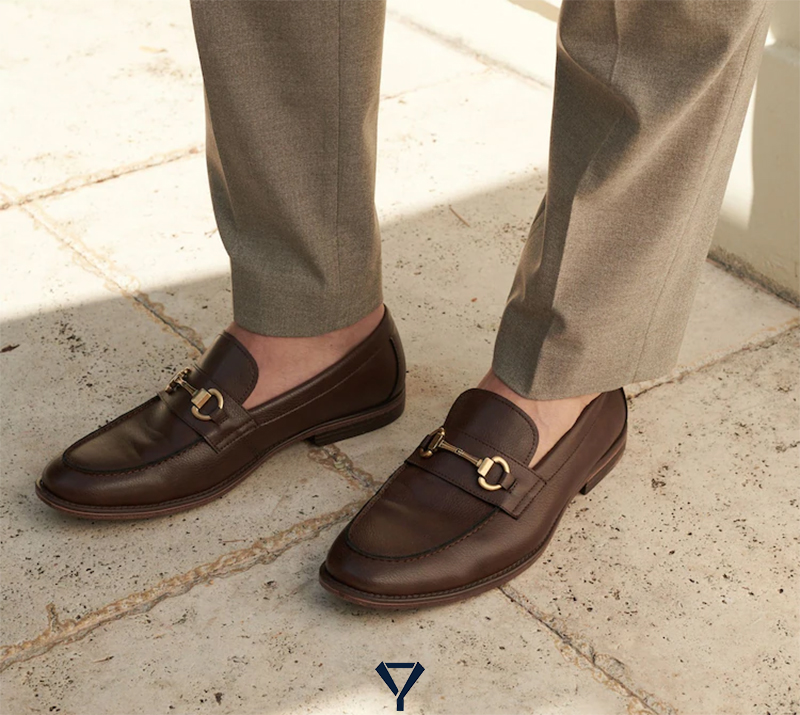
Penny loafers are the most understated option. Their clean design and minimal detailing make them suitable for business-casual suits, lightweight wool suits, and summer tailoring. When made from smooth leather in classic colors like brown or burgundy, penny loafers maintain a refined appearance while feeling relaxed and effortless.
Tassel loafers are slightly more expressive. The decorative tassels add personality and visual interest, making them a great match for modern suits, textured fabrics, or Italian-inspired tailoring. Tassel loafers work especially well with navy, grey, or beige suits when the goal is to look stylish without appearing overly formal.
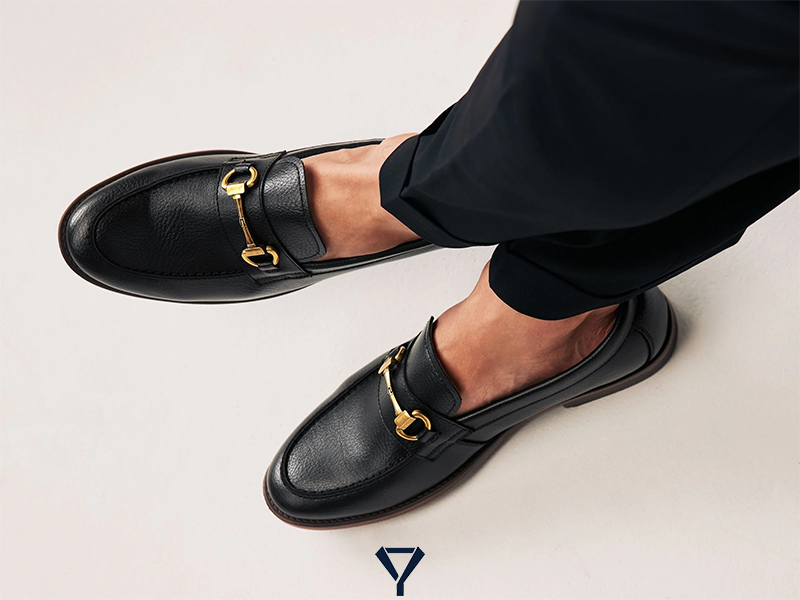
So, can you wear loafers with a suit?
Yes. But context matters.
Loafers are best paired with unstructured suits, slimmer cuts, and less formal occasions. They are not ideal for black-tie events or highly conservative business environments. However, for creative offices, social events, or warm-weather outfits, loafers offer a stylish alternative to traditional dress shoes.
Monk Strap Shoes
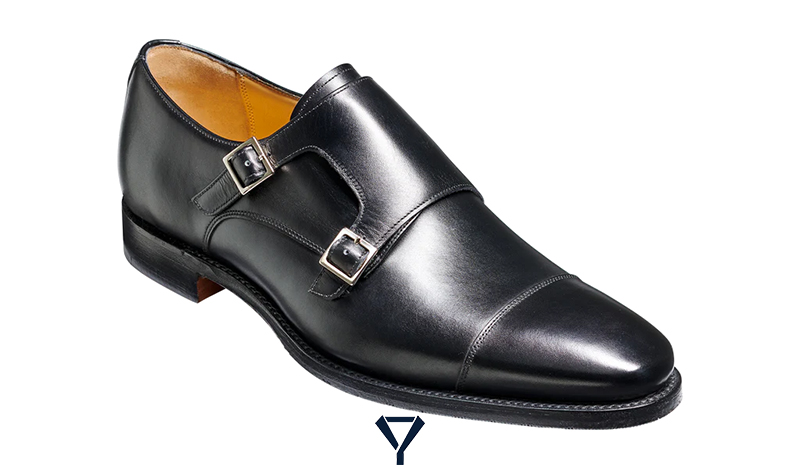
Monk strap shoes sit comfortably between classic and modern dress shoes. Instead of laces, they feature a buckle closure, which immediately gives them a distinctive and elegant appearance.
Monk strap shoes are best suited for business settings, weddings, and fashion-forward environments where classic rules are flexible, but style still matters. For men who want something more unique than Oxfords or Derbies, monk strap shoes are often considered some of the best shoes for suits with personality.
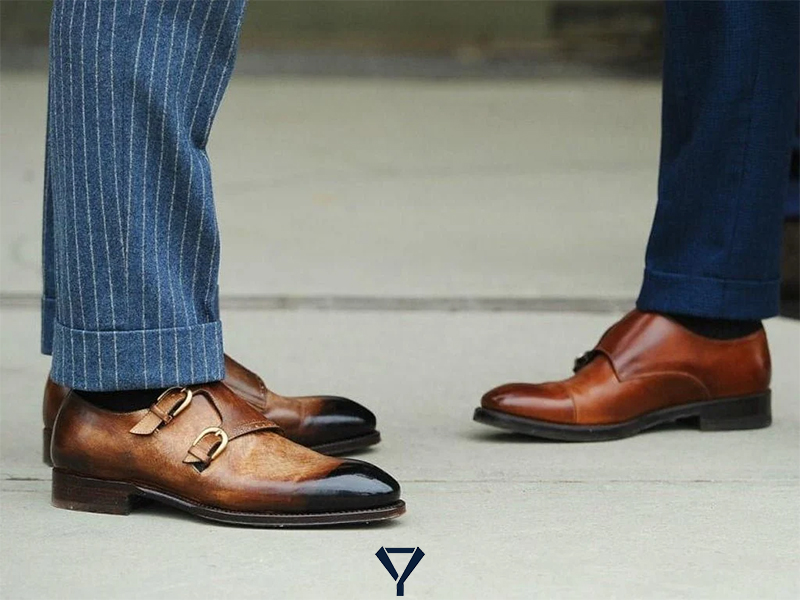
Single monk strap shoes are the more subtle and formal option. With one buckle, they maintain a clean silhouette that works well with business suits and formal tailoring. Single monk straps are ideal for men who want a refined look with just a hint of individuality.
Double monk strap shoes are bolder and more contemporary. The two buckles create visual interest and pair exceptionally well with modern, slim-cut suits. They are especially popular in Italian-style tailoring, where sharp lines, fitted silhouettes, and confident styling are key. Double monk straps look excellent with navy, grey, and patterned suits.
Brogues
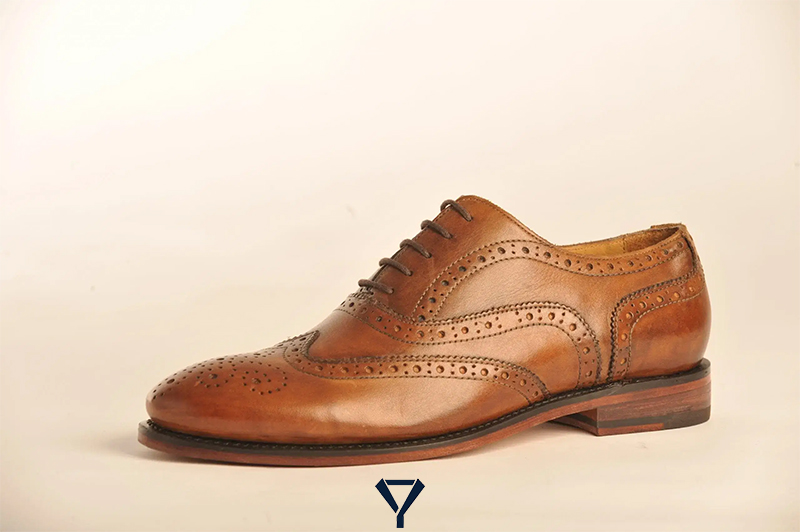
Brogue shoes are instantly recognizable by their decorative perforations and detailed patterns.
While brogues are often associated with classic British style, many people still ask the same question: are brogues formal shoes? The answer depends on the type of brogue and how it is styled.
Semi-brogues strike the best balance between formality and character. They typically feature a cap toe with subtle perforations, making them suitable for business suits and professional environments. Semi-brogues work well with navy, charcoal, and grey suits and are often seen as a smart alternative to plain Oxfords.
Full-brogues, also known as wingtip shoes, are more decorative and less formal. Their bold detailing makes them better suited for casual suits, tweed, flannel, or textured fabrics rather than sleek formal tailoring. Full-brogues pair best with country-style suits, autumn outfits, and relaxed business looks.
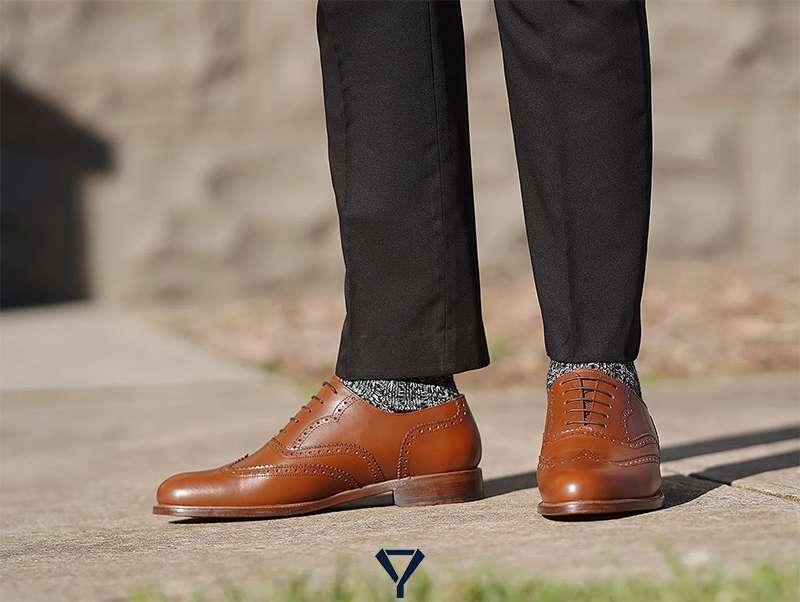
While they are not the most formal option available, well-made brogues in dark leather can still be among the best shoes for suits in professional and smart-casual settings.
3. Best Shoe Colors for Different Suit Colors
Choosing the right shoe color is just as important as choosing the shoe style. Even the best-made dress shoes can look wrong if the color clashes with the suit. Understanding color harmony helps create a balanced, intentional outfit and ensures you’re always wearing the best shoes for suits, regardless of occasion.
Best Shoes for Black Suits
Black suits are the most formal and least flexible when it comes to shoe color. Because of their sharp, high-contrast appearance, they demand equally refined footwear. In most situations, black Oxford shoes remain the gold standard and the safest choice.
A pair of black leather Oxfords creates a clean, seamless look that reinforces the formality of a black suit. This combination is ideal for business settings, formal events, weddings, and evening occasions.
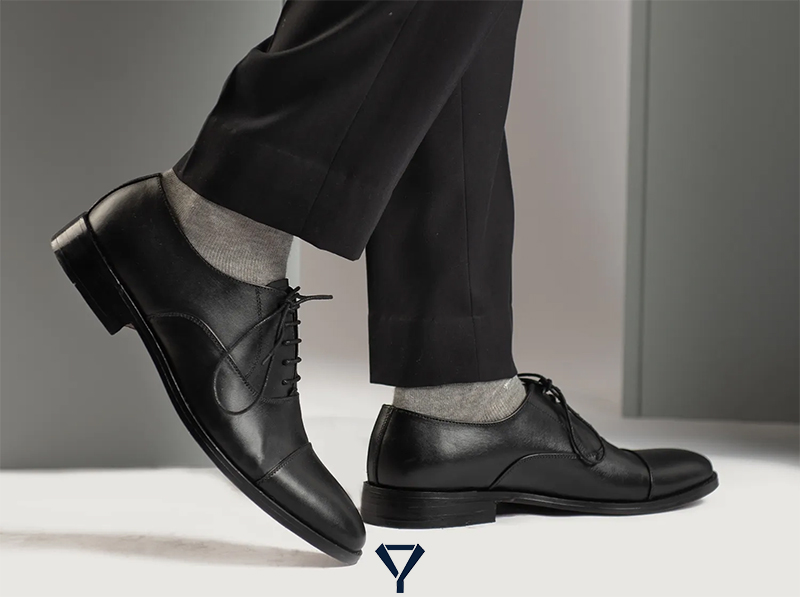
Cap-toe or plain-toe Oxfords work best, as they maintain a sleek silhouette without unnecessary decoration. For black-tie or ultra-formal events, black patent leather shoes are the traditional choice.
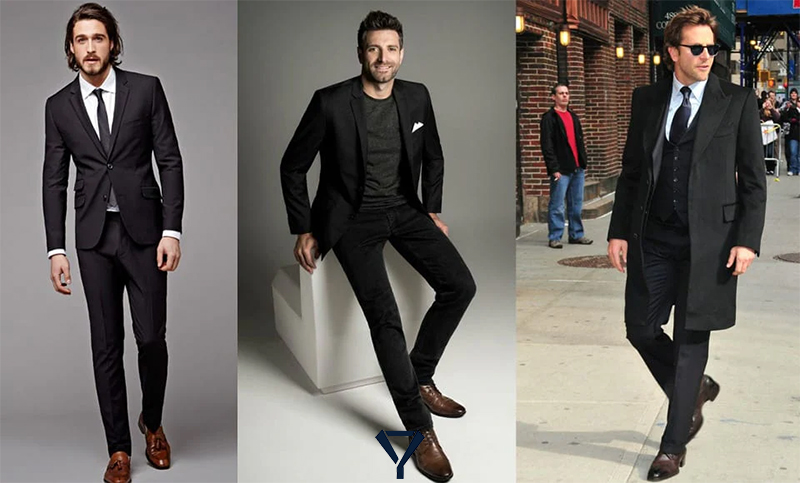
So, when should you NOT wear brown shoes with a black suit?
In general, brown shoes do not pair well with black suits in formal or professional environments. The contrast feels forced, and it can make the outfit look mismatched. This is especially true for lighter shades of brown, which weaken the authority and sharpness of a black suit.
In rare fashion-forward or casual contexts, very dark brown or oxblood shoes may work with a black suit, but this approach requires careful styling and confidence.
For most men, sticking with black shoes is the most reliable way to ensure a polished, timeless look.
Best Shoes for Navy Suits
Navy blue suits are among the most versatile options in menswear, and they offer far more flexibility when it comes to shoe color. This versatility is one reason navy suits are so popular for business, weddings, and everyday professional wear.
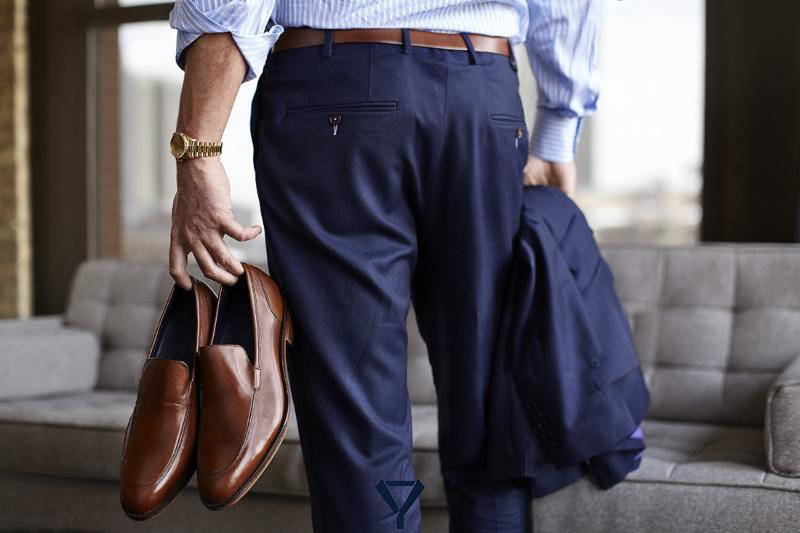
Brown shoes are the most popular and flattering choice for navy suits.
Lighter brown shoes create a softer, more relaxed look that works well for daytime events and business-casual settings. They add warmth and contrast without overpowering the suit.
Dark brown shoes, on the other hand, feel more formal and refined, making them ideal for offices, meetings, and semi-formal occasions.
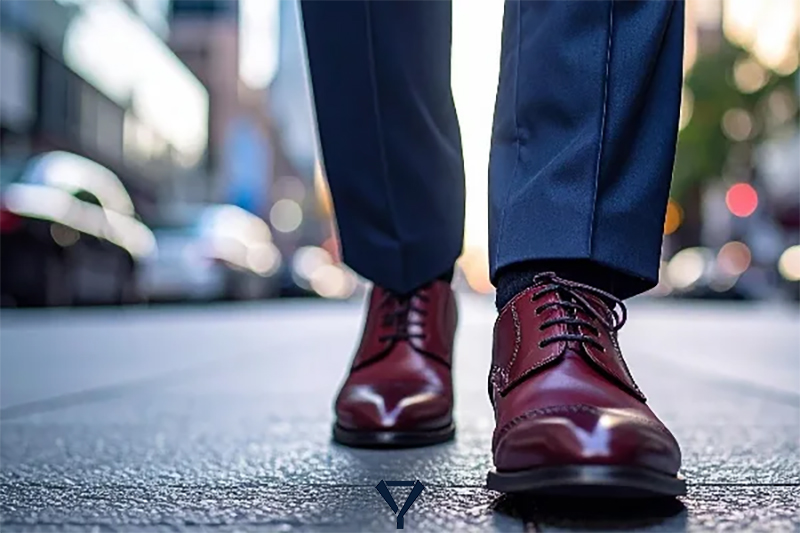
Oxblood or burgundy shoes are an excellent option for men who want something distinctive but still elegant. These deep, rich tones complement navy beautifully and add personality without sacrificing professionalism. Oxblood shoes are especially effective with well-tailored navy suits and classic dress shoe styles like Oxfords, Derbies, or monk straps.
So, can you wear black shoes with a navy suit?
Yes, but with caution.
Black shoes can work with navy suits in formal business environments, particularly when the suit is very dark and sharply tailored. However, black shoes often feel more rigid and less dynamic than brown or oxblood options. When versatility and style are priorities, brown-based tones usually remain the better choice.
Best Shoes for a Light Grey Suit
A light grey suit has a fresh, clean, and slightly relaxed appearance, which makes it popular for daytime business wear, summer weddings, and smart-casual events. Because the color is light and soft, choosing the right shoe color is essential to keep the outfit balanced and refined.
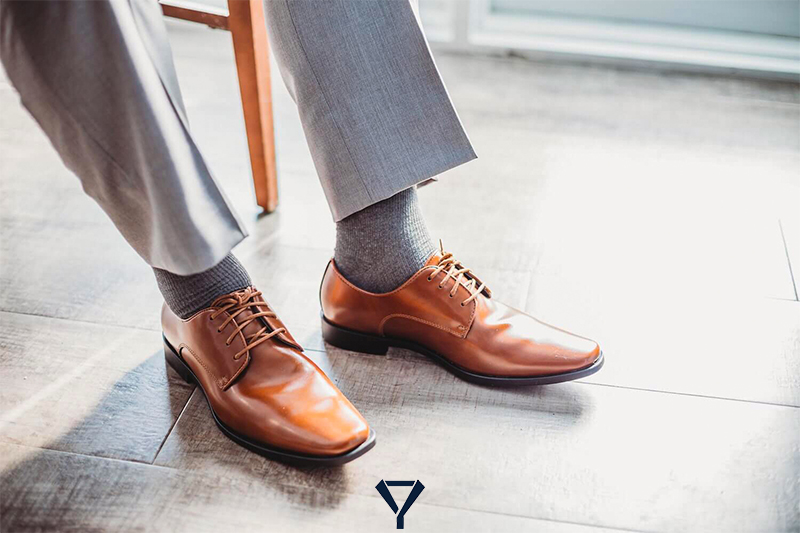
Brown shoes are the best and most versatile choice for a light grey suit. Medium brown shoes create a warm contrast that complements the suit without overpowering it. This combination looks polished yet approachable, making it ideal for business-casual offices and social occasions.
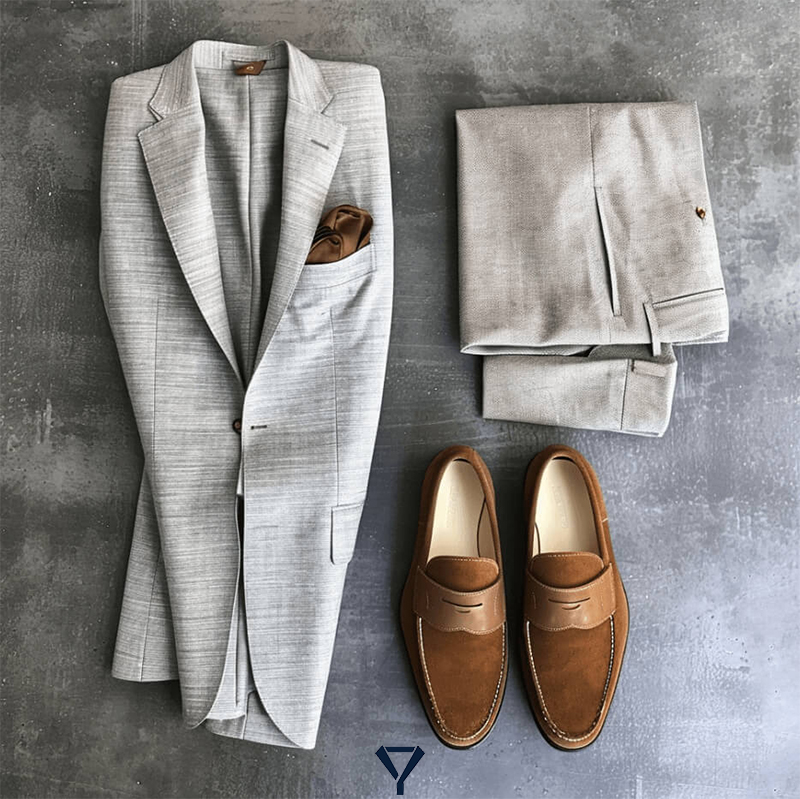
Tan or cognac shoes also work exceptionally well with light grey suits. These lighter shades enhance the brightness of the suit and are especially suitable for spring and summer outfits. When paired with breathable fabrics such as lightweight wool or linen, tan shoes help create an elegant but relaxed look.
For more casual settings, suede shoes in light brown or tan can be a stylish option. Suede softens the overall outfit and works best with unstructured suits or less formal tailoring.
Black shoes are generally not recommended for light grey suits. The contrast is often too strong, making the outfit feel overly formal and visually unbalanced.
For most situations, brown-based tones remain the best shoes for a light grey suit.
Best Shoes for a Dark Grey Suit
Dark grey suits, including charcoal, are far more versatile and can easily transition from business to formal settings. Their deeper tone allows for a wider range of shoe colors, making them a reliable choice for professional wardrobes.
Black shoes are a classic and safe option for dark grey suits, especially in formal business environments or evening events. A pair of black Oxford shoes creates a sharp, authoritative look that pairs perfectly with the seriousness of a dark grey suit.
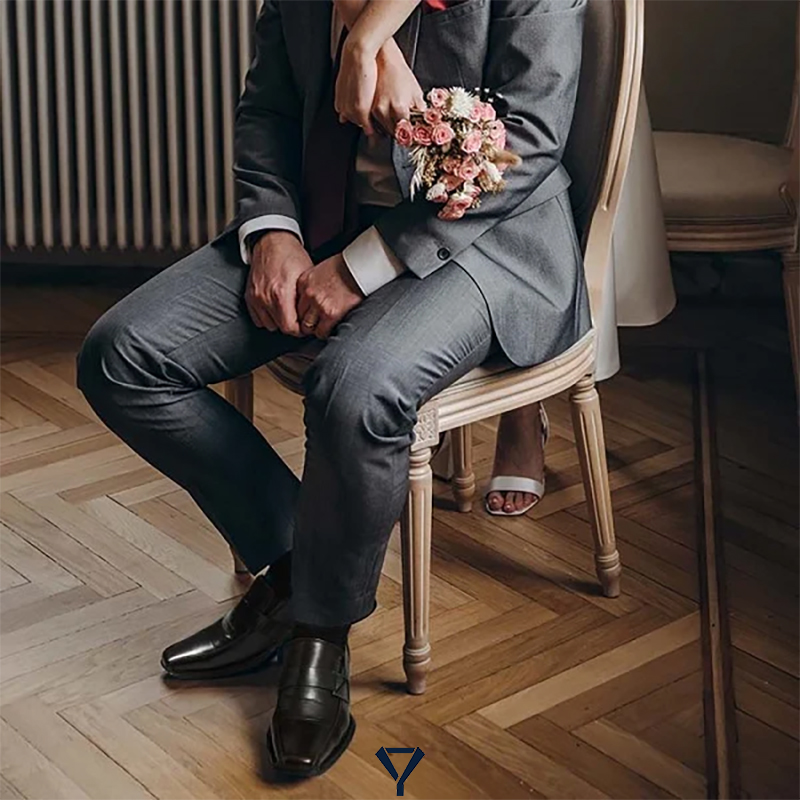
Dark brown shoes are equally effective and often more flexible. They add subtle warmth while maintaining a professional appearance. Dark brown Derbies, Oxfords, or monk strap shoes work particularly well for office wear and business meetings.
For men who want to add a touch of personality, oxblood or burgundy shoes are an excellent alternative. These rich, deep tones complement dark grey suits beautifully and provide visual interest without sacrificing elegance or professionalism.
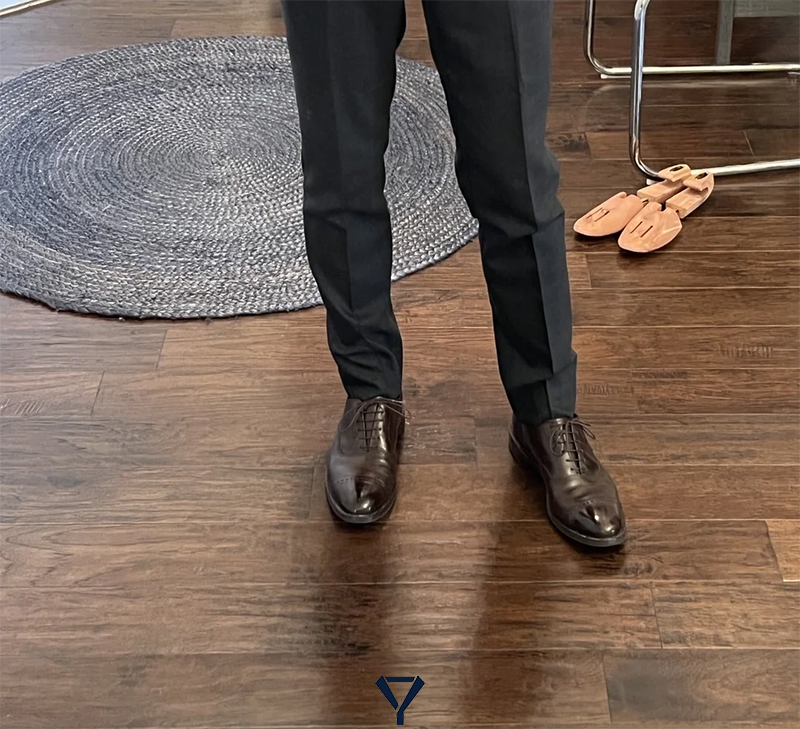
Thanks to this flexibility, black, dark brown, and oxblood shoes are all considered some of the best shoes for a dark grey suit, depending on the level of formality and personal style.
Read more: What Color Shoes to Wear with Charcoal Suit?
Best Shoes for a Brown Suit
Brown suits offer warmth, depth, and versatility, but they require thoughtful shoe selection to avoid a flat or mismatched look. Because the suit itself is already brown, the key is to create contrast through tone and shade, not by matching the exact same color.
Darker brown shoes are the safest and most refined option for a brown suit. Dark brown Oxfords or Derbies add structure and elegance while keeping the overall outfit cohesive. This combination works particularly well for business settings, fall and winter outfits, and formal daytime events.
Medium brown shoes can also work well, especially with lighter brown suits. The goal is to ensure the shoes are either clearly darker or clearly lighter than the suit, avoiding an almost identical shade that can make the outfit look dull or poorly coordinated.
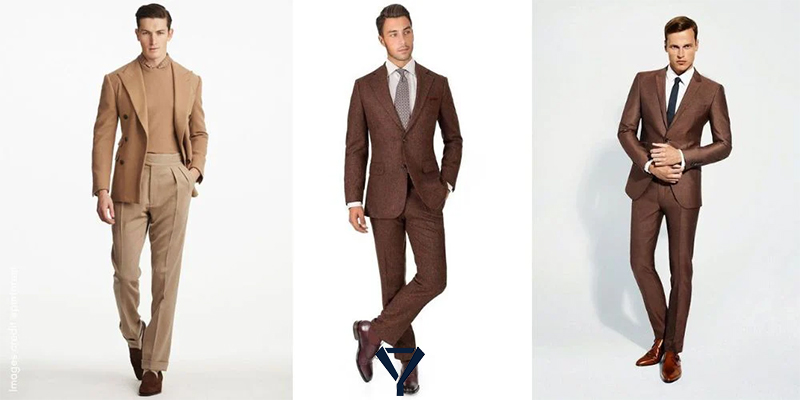
For a more distinctive look, oxblood or burgundy shoes are an excellent alternative. These deep red-brown tones complement brown suits beautifully and add subtle sophistication without feeling flashy. They are especially effective with tailored brown suits and classic dress shoe styles.
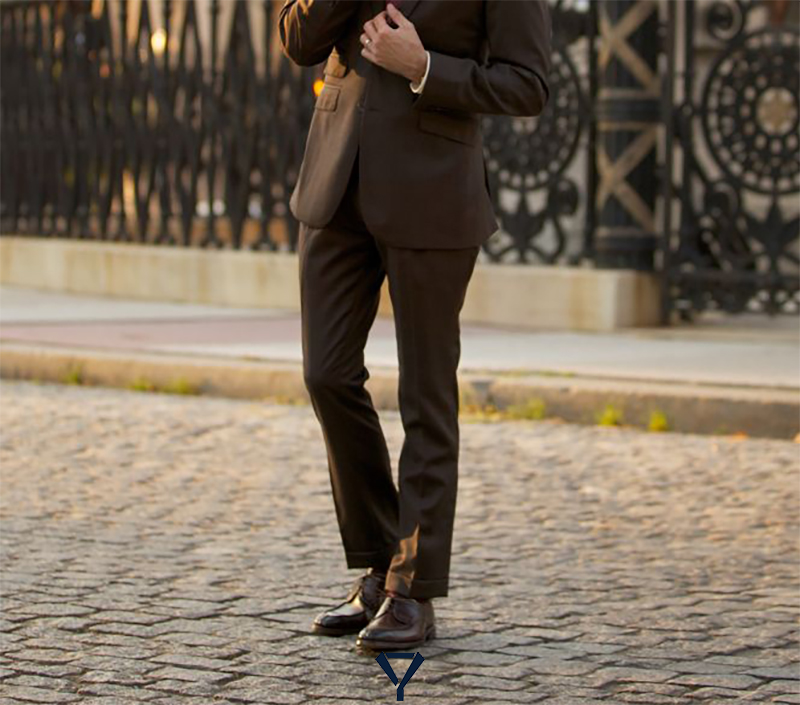
Black shoes are generally not recommended with brown suits, as the contrast often feels too harsh and disrupts the warm, cohesive aesthetic.
When styled correctly, brown-based tones remain the best shoes for a brown suit, offering both elegance and balance.
Best Shoes for a Beige Suit
Beige suits are light, relaxed, and often associated with warm-weather tailoring. Because of their softness and brightness, they pair best with shoes that maintain a similarly relaxed and natural feel.
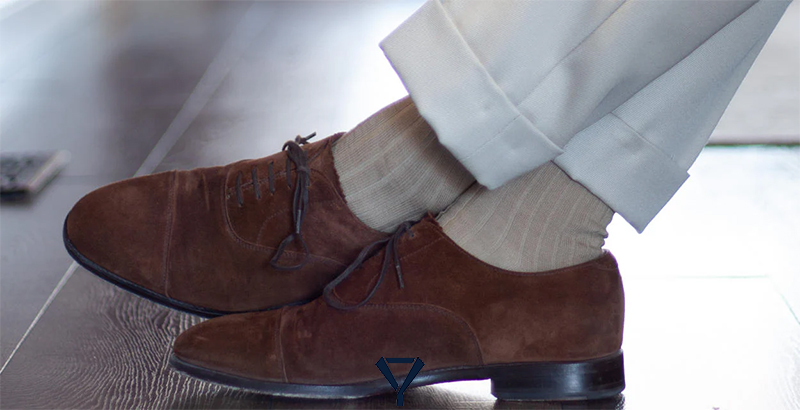
Suede shoes are one of the best choices for beige suits. Suede loafers, Derbies, or monk strap shoes in shades of tan, light brown, or sand enhance the casual elegance of a beige suit. The texture of suede adds depth without increasing formality, making it ideal for summer weddings, outdoor events, and smart-casual settings.
Light brown or tan leather shoes are another excellent option. These colors complement beige without overpowering it and help maintain a clean, effortless appearance. Loafers work particularly well here, especially with unstructured suits or breathable fabrics like linen and cotton blends.
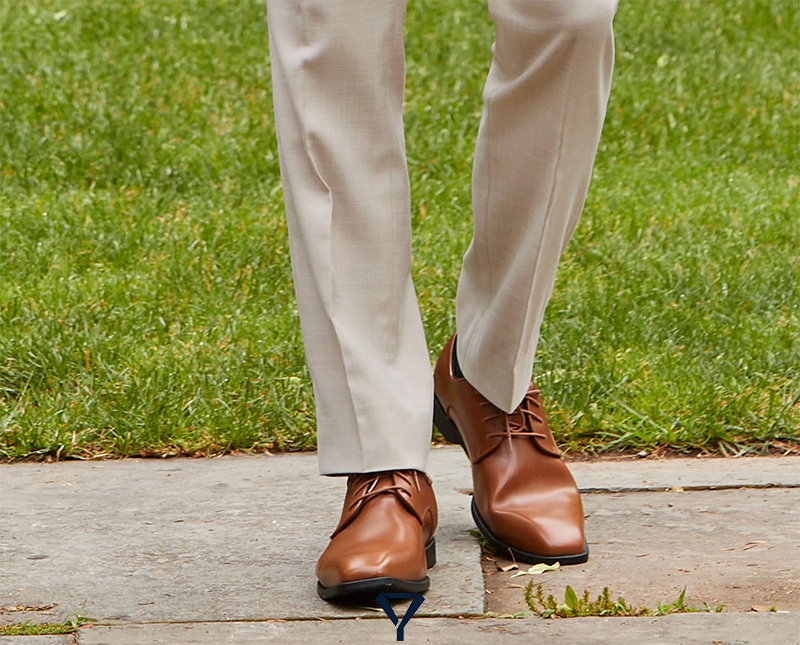
Black shoes should generally be avoided with beige suits, as they create too much contrast and feel visually heavy. For most occasions, suede or light brown leather shoes are considered the best shoes for a beige suit, delivering comfort, style, and seasonal appropriateness.
Best Shoes for a Burgundy Suit
A burgundy suit stands out for its richness and depth, making it a bold yet elegant choice in modern menswear. Because burgundy sits between red and brown tones, choosing the right shoe color is essential to keep the outfit refined rather than overwhelming.
Oxblood shoes are widely considered the best match for a burgundy suit. Their deep red-brown tone naturally complements the suit without blending in too closely, creating a sophisticated and cohesive look. Oxblood Oxfords, Derbies, or monk strap shoes work especially well for business settings, weddings, and evening events.
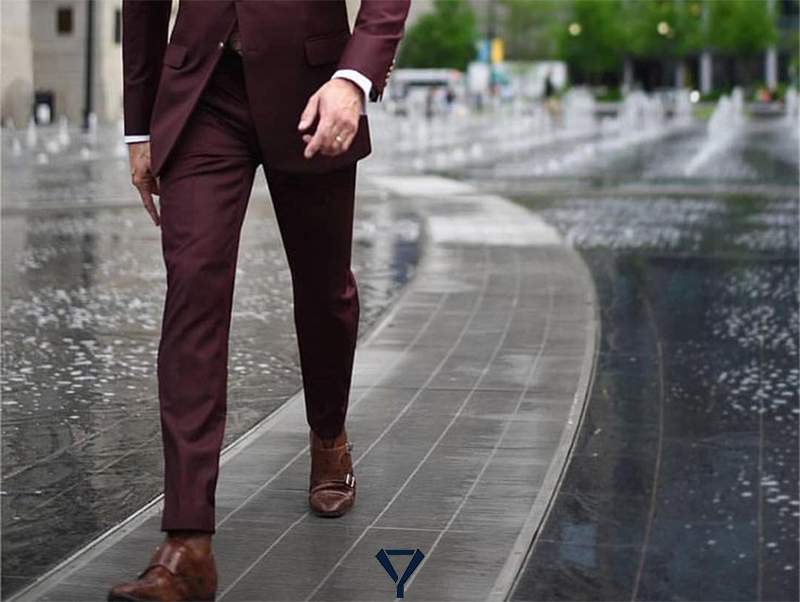
Dark brown shoes are another excellent option and often the safest choice for men who prefer a more classic appearance. Dark brown leather adds contrast while maintaining the warmth of the burgundy suit, resulting in a balanced and polished outfit suitable for both professional and social occasions.
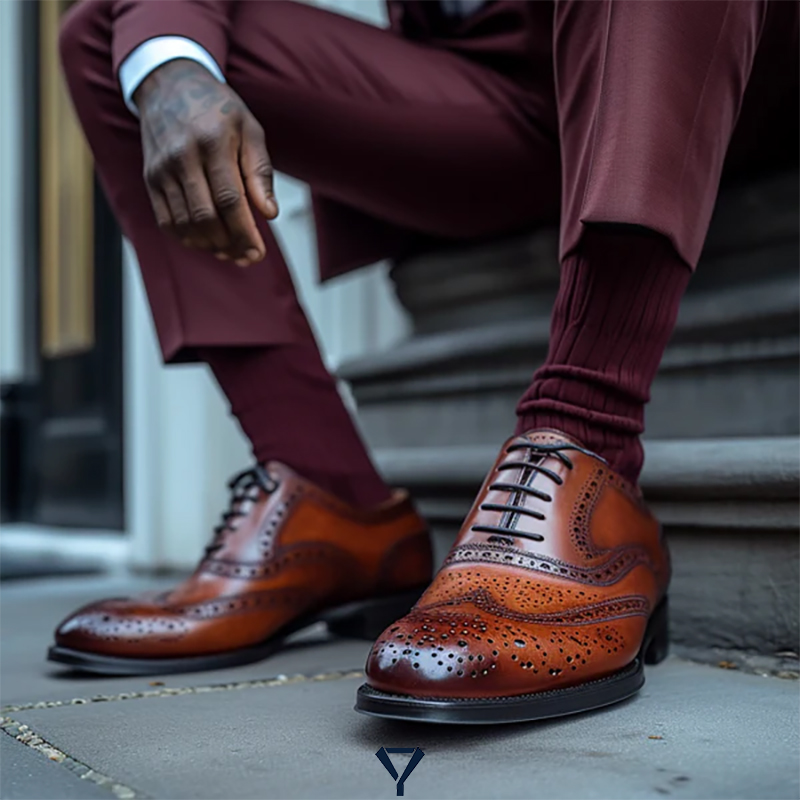
Lighter brown shoes can work in casual contexts, but they tend to reduce the elegance of a burgundy suit and should be chosen carefully. Black shoes, on the other hand, are generally not recommended, as the contrast can feel too harsh and disrupt the rich harmony of the outfit. For most occasions, oxblood and dark brown remain the best shoes for a burgundy suit.
Best Shoes for a Green Suit
Green suits, whether olive, forest, or dark green, have become increasingly popular thanks to their versatility and distinctive style. However, many men struggle with shoe selection, as the wrong color can easily feel out of place or “off-tone.”
Dark brown shoes are the most reliable and versatile choice for green suits. Brown naturally complements green, creating an earthy, cohesive color palette that feels intentional and stylish. Dark brown Oxfords, Derbies, or brogues work particularly well with olive and forest green suits in both business and smart-casual settings.
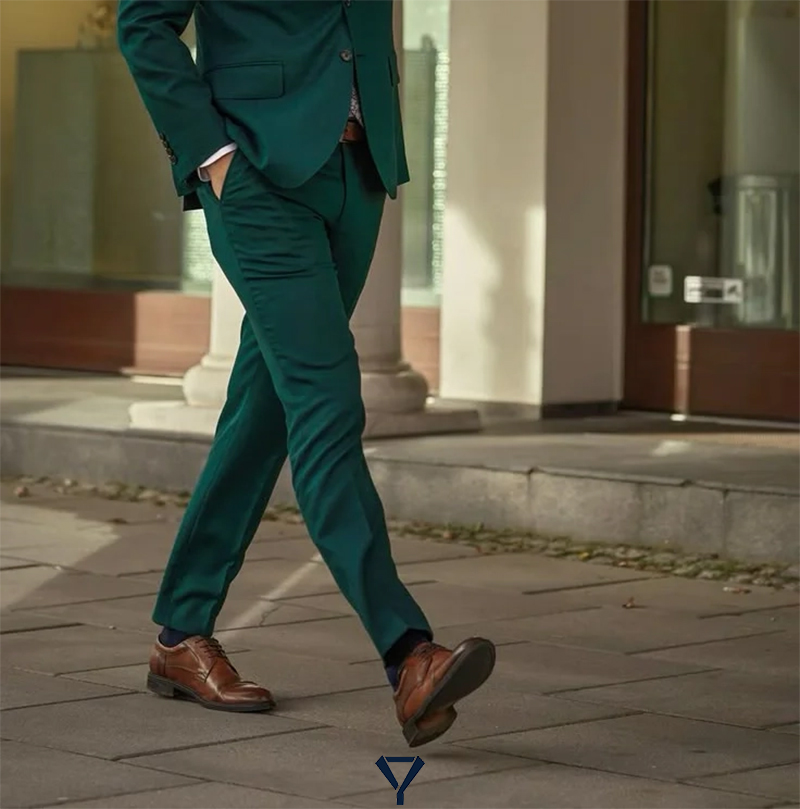
Oxblood or burgundy shoes are an excellent alternative for darker green suits. These rich tones add depth and sophistication without clashing, making them ideal for tailored green suits worn at weddings, evening events, or fashion-forward environments.
For lighter green or olive suits, suede shoes in brown or tan can be a great option, especially for casual or seasonal outfits. Black shoes are generally best avoided, as they often feel too stark against green and can disrupt the natural balance of the look.
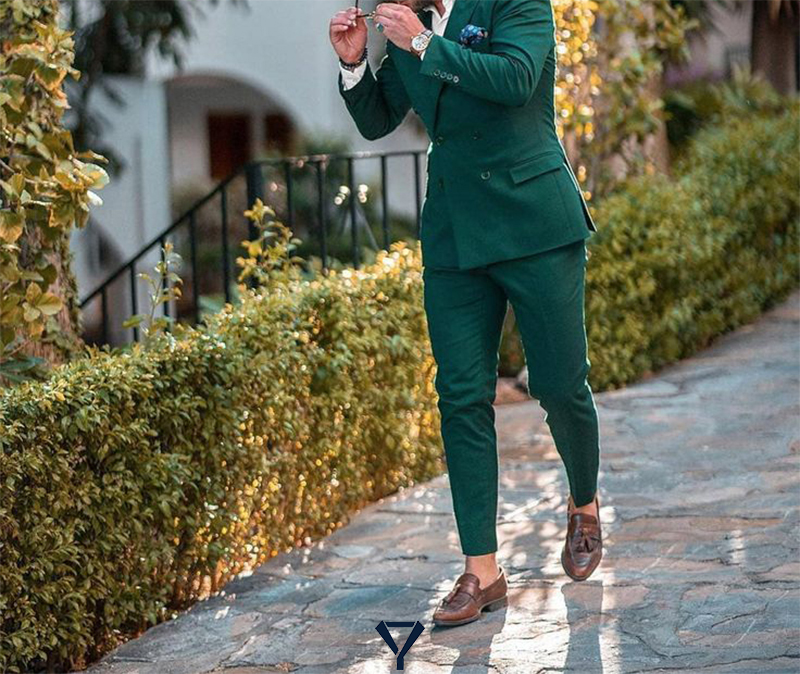
Overall, brown-based tones are considered the best shoes for green suits, ensuring the outfit looks cohesive rather than mismatched.
4. Best Shoes for Suits by Occasion
After the color and style, now we talk about the occasion. A shoe that works perfectly in the office may feel out of place at a wedding, while a casual shoe can undermine an otherwise well-tailored suit if worn in the wrong setting.
Business & Office Wear
In professional and office environments, shoes should communicate reliability, structure, and professionalism. The safest approach is to choose classic dress shoes with clean lines, minimal decoration, and high-quality leather.
Oxford shoes are widely considered the best shoes for business suits, especially in formal or corporate workplaces. Black or dark brown Oxfords pair effortlessly with navy, grey, and charcoal suits, creating a sharp and authoritative look. Cap-toe Oxfords are particularly popular because they balance elegance with everyday practicality.
Derby shoes are another excellent choice for office wear, especially in modern business settings. Their slightly more relaxed structure offers comfort while still maintaining a professional appearance. Dark brown or black leather Derbies work well for daily office use and long work hours.
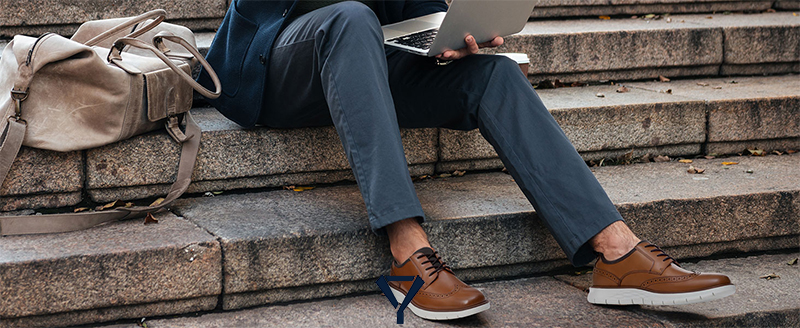
When dressing for the office, it’s best to avoid shoes that feel too casual or visually loud. Sneakers, suede shoes, chunky soles, bright colors, and heavily decorated brogues can reduce the formality of a suit and may appear inappropriate in professional environments. Sticking to classic leather dress shoes ensures your outfit always looks polished and work-appropriate.
Weddings & Formal Events
Weddings and formal events demand a higher level of refinement, and shoes play a crucial role in achieving a cohesive and elegant look. The formality of the event should guide your footwear choice.
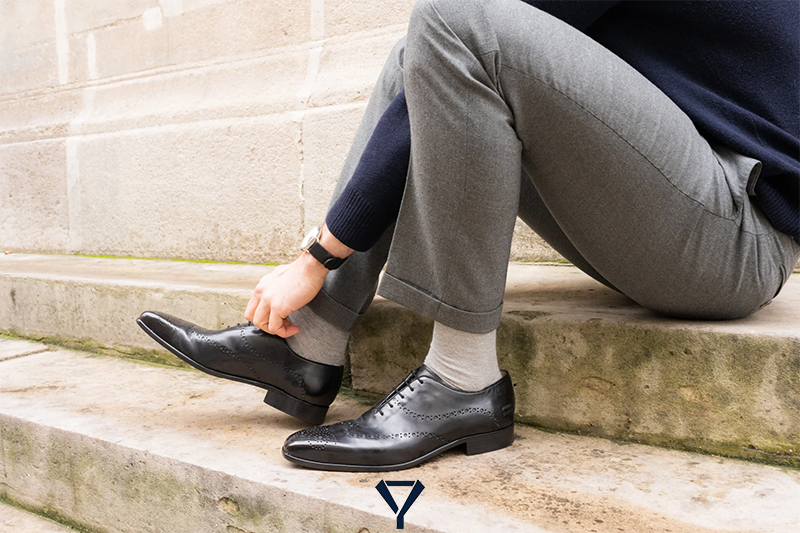
For grooms, classic dress shoes are essential. Black or dark brown Oxford shoes are the most traditional and reliable option, especially when paired with dark suits or tuxedos. A well-polished pair of Oxfords complements formal tailoring and photographs beautifully, making them a popular choice for wedding attire.
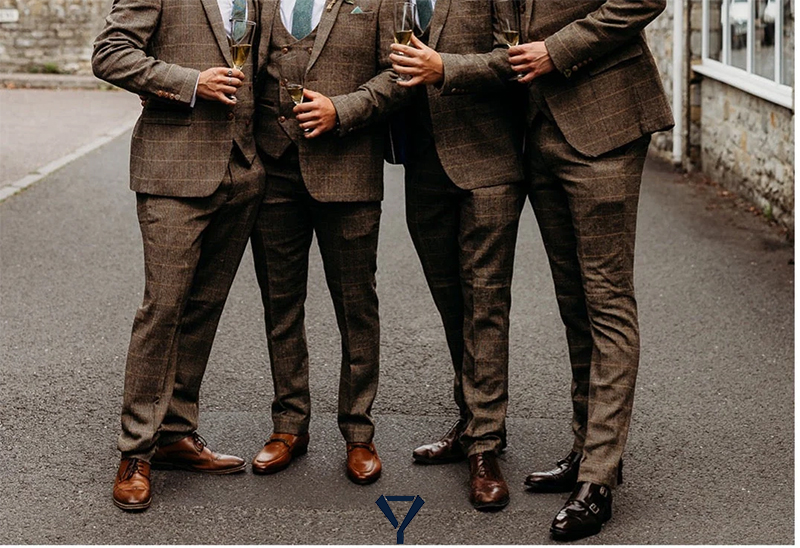
When it comes to patent leather vs regular leather, the distinction matters. Patent leather shoes are traditionally reserved for black-tie events and tuxedos. Their glossy finish adds formality and works best for evening weddings or ultra-formal ceremonies. However, for most weddings, especially daytime or semi-formal events, high-quality polished leather shoes are the more versatile and practical choice.
Monk strap shoes and sleek Derbies can also work for weddings, particularly with modern or less traditional suits.
The key is to keep the shoe refined, well-fitted, and appropriate to the overall dress code of the event.
Casual & Smart-Casual Suits
As tailoring becomes more relaxed, casual and smart-casual suits allow for greater flexibility in footwear. However, balance remains essential.
Shoes should still complement the structure of the suit rather than overpower or undermine it.
Leather sneakers can replace dress shoes in certain smart-casual contexts, such as creative workplaces or informal social events. To work with a suit, sneakers should be minimalist, clean, and made from smooth leather in neutral colors like white, black, or brown. They pair best with unstructured suits and slim, modern cuts.
Suede shoes are another excellent option for casual suits. Suede loafers, Derbies, or monk strap shoes soften the overall look and add texture without sacrificing style. They work particularly well with lighter fabrics, seasonal tailoring, and relaxed silhouettes.
That said, casual shoes should never look sloppy. Avoid overly sporty sneakers, distressed materials, or bulky soles.
When styled thoughtfully, suede shoes and minimalist sneakers can still be among the best shoes for suits in casual and smart-casual settings.
5. Common Mistakes When Choosing Shoes for Suits
Avoiding these common mistakes will help you consistently choose the best shoes for suits and maintain a polished, intentional appearance.
Wearing Shoes That Are Too Large or Too Pointed
One of the most common mistakes is wearing shoes that are either oversized or excessively pointed. Shoes that are too large make the outfit look sloppy and disrupt the proportions of the suit, especially with slim or tailored cuts.
On the other hand, extremely pointed shoes may look trendy but often clash with classic tailoring and can appear exaggerated or dated over time.
The ideal dress shoe should follow the natural shape of your foot with a balanced toe profile, such as a round or almond-shaped toe. Proper fit and proportion ensure the shoes complement the suit rather than distract from it.
Choosing the Wrong Shoe Color for the Suit
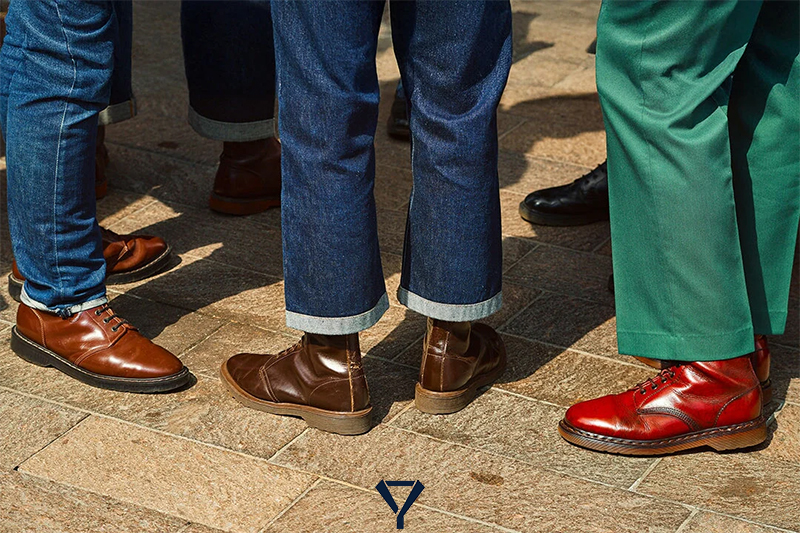
Color mismatch is another frequent styling error. Wearing the wrong shoe color can break the harmony of the outfit, even if both the suit and shoes are high quality. For example, pairing light brown shoes with a black suit often feels forced, while black shoes can appear too harsh with lighter-colored suits like beige or light grey.
Understanding basic color rules helps create a cohesive look, like matching darker suits with darker shoes and lighter suits with brown-based tones. When in doubt, classic combinations remain the safest option for choosing the best shoes for suits.
Wearing Shoes with Overly Thick Soles
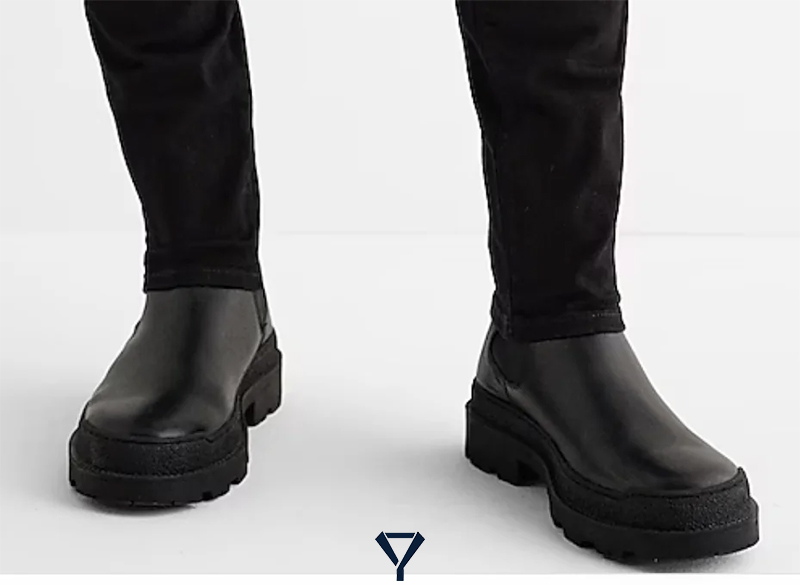
Thick or chunky soles are often designed for casual or outdoor footwear, and they rarely pair well with tailored suits. When worn with a suit, heavy soles make the shoes look bulky and reduce the overall elegance of the outfit. This is especially noticeable with slim-fit or modern suits, where clean lines are essential.
Dress shoes traditionally feature slim leather soles or low-profile rubber soles. These maintain a refined silhouette and keep the outfit looking balanced from head to toe. Choosing shoes with the right sole thickness preserves the formality and sharpness of a suit.
Pairing a High-Quality Suit with Low-Quality Shoes
One of the biggest mistakes men make is wearing cheap or poorly made shoes with an expensive suit. Low-quality shoes often show wear quickly, lack structure, and fail to hold their shape. This contrast is immediately noticeable and can ruin the entire look, no matter how well the suit fits.
Shoes are the foundation of a suit outfit. Investing in well-made leather dress shoes ensures durability, comfort, and visual consistency. A quality pair of shoes not only enhances the appearance of a suit but also lasts for years, making them a smart long-term investment when choosing the best shoes for suits.
6. How to Build a Minimal Shoe Collection for Suits
Building a shoe collection for suits doesn’t mean owning dozens of pairs. In fact, a small, well-chosen selection of high-quality dress shoes can cover almost every situation. The key is versatility, correct color choices, and buying in the right order.
3 Essential Shoes That Work with Almost Any Suit
A pair of black Oxford shoes is the foundation of any suit wardrobe. They are the most formal and universally accepted option, working perfectly with black, dark grey, charcoal, and navy suits. Black Oxfords are ideal for business environments, formal events, interviews, and weddings. If you only own one pair of dress shoes, this should be it.
Dark brown Oxford or Derby shoes add versatility while maintaining a refined appearance. They pair beautifully with navy, grey, brown, and even burgundy suits. Dark brown is less rigid than black, making it suitable for both professional and semi-formal settings. This pair will likely become your most frequently worn option.
For more relaxed or modern outfits, a pair of brown loafers or monk strap shoes completes the collection. These shoes work best with business-casual suits, summer tailoring, and smart-casual occasions. They add personality without sacrificing style and are perfect for offices with flexible dress codes.
With these three pairs, you already own some of the best shoes for suits across formal, business, and casual settings.
5 Shoes for Men Who Wear Suits Regularly
If suits are part of your daily or weekly wardrobe, expanding to five pairs provides comfort, rotation, and greater styling flexibility.
- Black Oxford Shoes – for formal and professional use
- Dark Brown Oxford Shoes – for business and versatile wear
- Brown Derby Shoes – for daily office comfort
- Oxblood or Burgundy Shoes – to add depth and personality
- Suede Loafers or Suede Derbies – for smart-casual and seasonal outfits
This setup allows you to rotate shoes, extend their lifespan, and adapt easily to different suit colors and occasions. It also ensures your footwear always matches the level of formality required.
Recommended Order to Buy Dress Shoes for Suits
Buying shoes in the right order helps you get the most value from your investment. Prioritizing quality over quantity ensures that every pair you own earns its place and works seamlessly with your suits.
Start with black Oxford shoes, as they are the most essential and least replaceable.
Next, invest in dark brown Oxfords or Derbies, which dramatically increase versatility.
Once those two are covered, add a brown loafer or monk strap for modern and casual looks.
Only after these basics should you consider more expressive options like oxblood shoes or suede styles.
Conclusion
Choosing the best shoes for suits is not about chasing trends or owning the most expensive pair. It’s about understanding balance, proportion, and occasion. The right shoes should complement your suit’s color, style, and level of formality, creating a look that feels intentional and refined rather than forced. Ultimately, shoes are the foundation of any suit outfit. When chosen correctly, the right footwear doesn’t just complete a suit. It defines the whole look!
Created from my passion for sartorial that I discovered through learning and working in the field, YOURSUITTREND is dedicated to providing in-depth knowledge, expert styling tips, and the latest trends in men’s tailored fashion. If you ever come to Vietnam, let’s grab a glass 🙂