
When you think of a man who commands a room with “military precision” and a “stiff upper lip,” you are likely envisioning him in a British cut suit. From the hallowed tailoring houses of Savile Row to the modern cinematic elegance of James Bond, the British cut remains the undisputed gold standard for men who value structure, authority, and timelessness. But what exactly makes a suit “British”? In this guide, we’ll dive deep into the anatomy of the British cut suit, its historical roots, and why it remains the ultimate power move in 2026.
1. What Is a British Cut Suit?
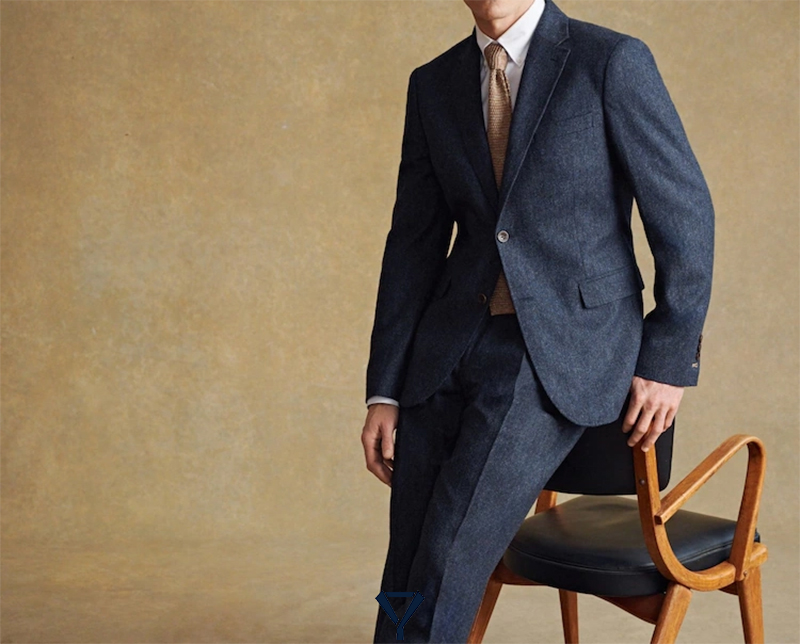
As its name suggests, the British cut suit is a classic tailoring style that originated in England and is best known for its structured shape, sharp lines, and formal elegance.
The roots of the British cut suit trace back to Savile Row in London. This is where master tailors developed a suit style influenced by military uniforms and aristocratic dress. As a result, British tailoring places great importance on structured shoulders, a strong chest, and a clean, controlled silhouette.
The British cut flatters a wide range of body types, ages well over time, and works effortlessly in formal, business, and ceremonial settings. While trends come and go, the British cut suit remains a benchmark of classic menswear and a symbol of refined British tailoring style.
2. History of the British Cut Suit
Savile Row and the Birth of British Tailoring
To understand the history of the British cut suit, you have to start with Savile Row, a small street in London that became the global symbol of fine tailoring.
Since the late 18th century, Savile Row has been home to some of the most respected bespoke tailors in the world, serving royalty, military officers, politicians, and businessmen. Over time, the phrase “Savile Row suit” became synonymous with precision, craftsmanship, and authority.
One of the most important influences on early British tailoring was the British military. Uniforms required structure, durability, and a sharp, commanding appearance. These requirements shaped the foundations of the British cut: strong shoulders, a defined chest, clean lines, and a disciplined silhouette.
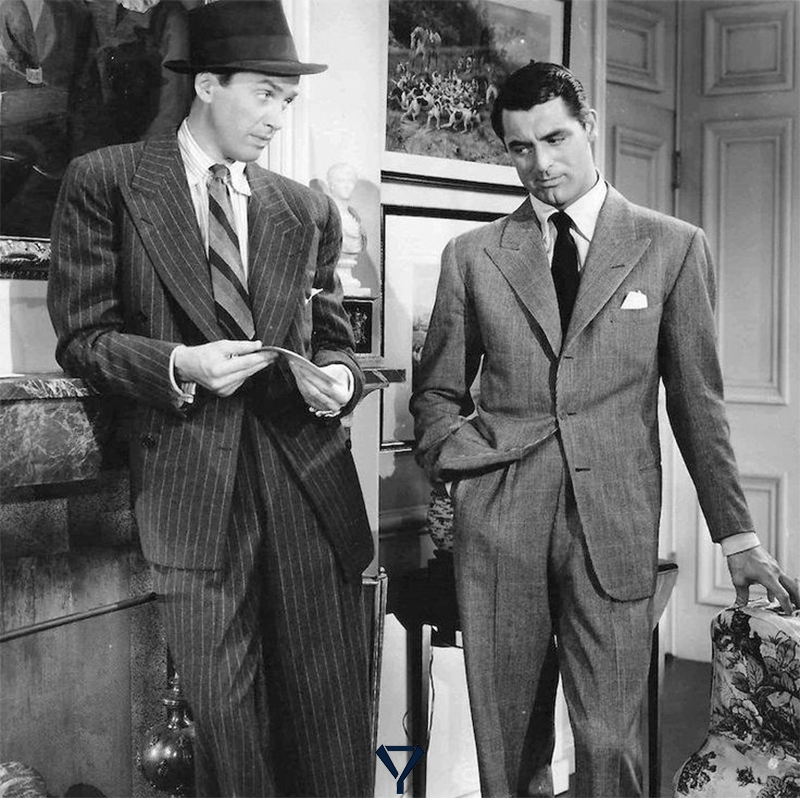
Because of this background, the British suit quickly became more than just clothing. It evolved into a symbol of power and discipline, worn by leaders and professionals who needed to look composed and authoritative.
Savile Row tailoring philosophy still defines British tailoring and makes the British cut suit feel formal, dependable, and timeless.
Evolution of the British Cut Through the Decades
In the early 20th century, the classic British cut suit featured a firm canvas construction, padded shoulders, a full chest, and a longer jacket length. These suits were built to last and to maintain their shape over years of wear. Comfort came from structure rather than softness, reflecting the values of tradition and restraint.
As global menswear evolved, British tailoring did not exist in isolation. The lighter, more relaxed Italian tailoring style introduced softer shoulders and slimmer lines, while American suits emphasized comfort and looser fits. These influences gradually reached British tailors, especially in the post-war period, encouraging subtle refinement rather than radical change.
The modern British cut suit reflects this evolution. Today’s versions often feature slightly lighter padding, cleaner lines, and more flexible fabrics, while still preserving the core elements of British tailoring. The result is a suit that feels more wearable for contemporary life, yet remains deeply rooted in its heritage.
3. Key Characteristics of a British Cut Suit
Structured Shoulders
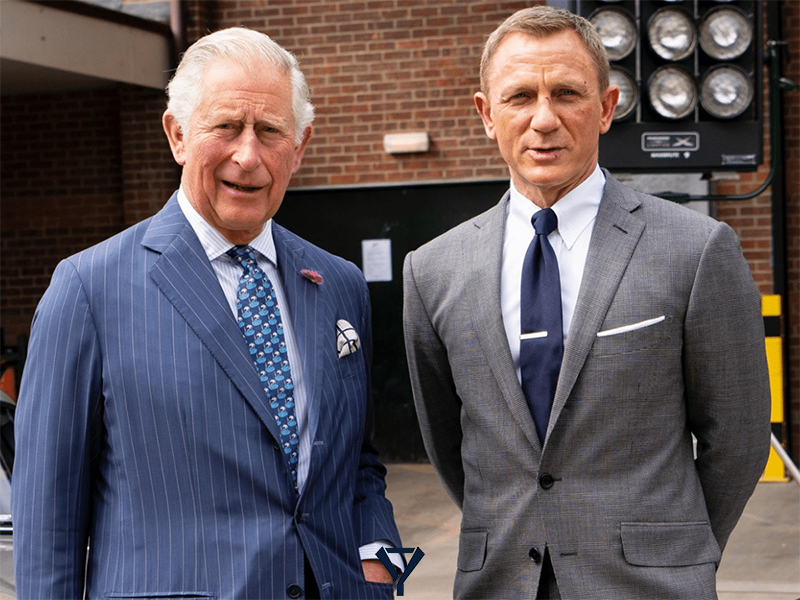
One of the most recognizable features of a British cut suit is its structured shoulders, which use moderate to firm shoulder padding to create a strong, squared outline. This structure enhances the upper body and naturally forms a V-shaped silhouette, making the wearer appear broader at the shoulders and more balanced overall.
These squared shoulders are not about exaggeration, but about controlled masculinity. They help the jacket sit cleanly on the body, improve posture, and give the suit a confident and authoritative presence. It’s one of the reasons British cut suits are so popular in formal and business environments.
Chest and Jacket Shape
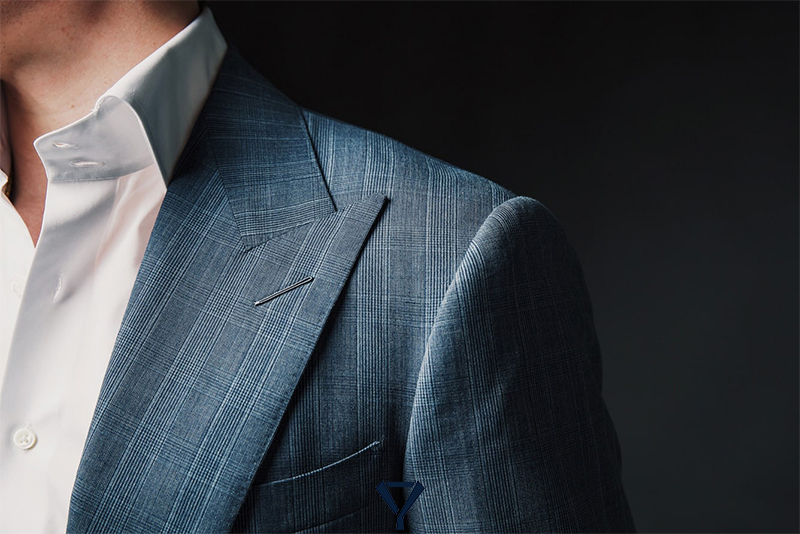
The chest area of a British cut suit is built with a full chest and substantial canvas construction. This internal structure allows the jacket to hold its shape over time while providing a smooth, sculpted appearance across the front. Rather than clinging to the body, the jacket drapes cleanly from the chest down, creating a refined and disciplined silhouette.
In terms of shape, British suit jackets tend to be straighter and more structured, avoiding the overly curved or tight look common in fashion-forward styles.
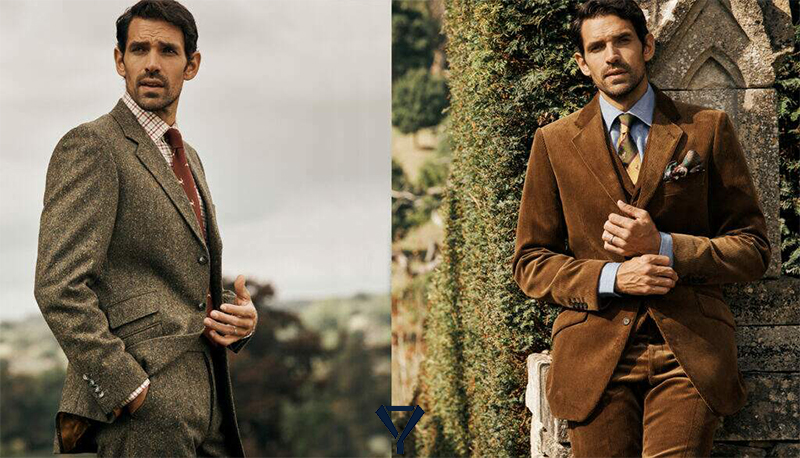
Suppressed Waist (But Not Slim Fit)
A British cut suit does feature waist suppression, but in a subtle and controlled way. The waist is gently shaped to define the torso without creating a tight or body-hugging fit. This approach enhances the natural lines of the body while maintaining comfort and formality.
Unlike other types of suits, like Italian or American, the British cut focuses on balance rather than closeness. The result is a suit that looks tailored and flattering, yet remains appropriate for professional and traditional settings.
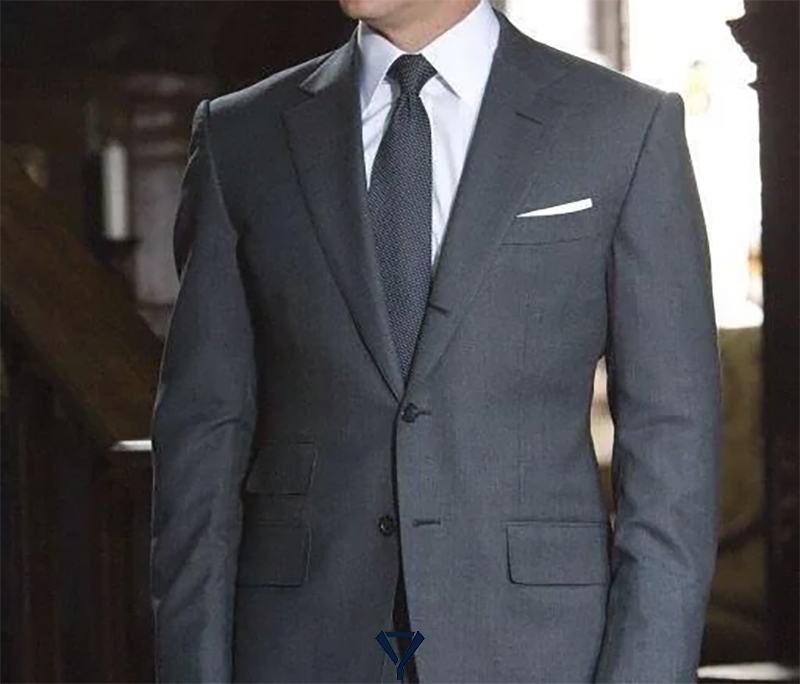
Longer Jacket Length
Another key characteristic of a British cut suit is its longer jacket length, which extends slightly lower on the body. This added length creates a more proportional and elegant silhouette, especially when viewed from the side or back.
A longer jacket also adds a sense of formality and authority, making it ideal for business wear, formal occasions, and classic menswear styling. It visually elongates the torso and contributes to the composed, traditional look that defines British tailoring.
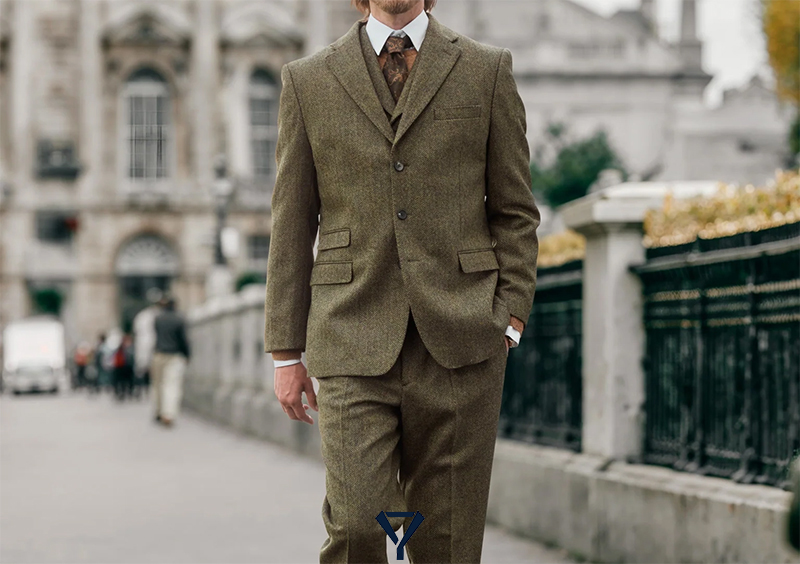
Higher Armholes
British cut suits are also known for their higher armholes, an often-overlooked detail that greatly improves comfort and mobility. Higher armholes allow the arms to move more freely without pulling the jacket body out of shape, making the suit feel surprisingly practical despite its structured appearance.
At the same time, higher armholes help keep the jacket looking clean and close to the body when standing still. This detail ensures a sharper profile, better posture, and a consistently neat appearance. They are key qualities that reinforce the precision and craftsmanship behind a well-made British cut suit.
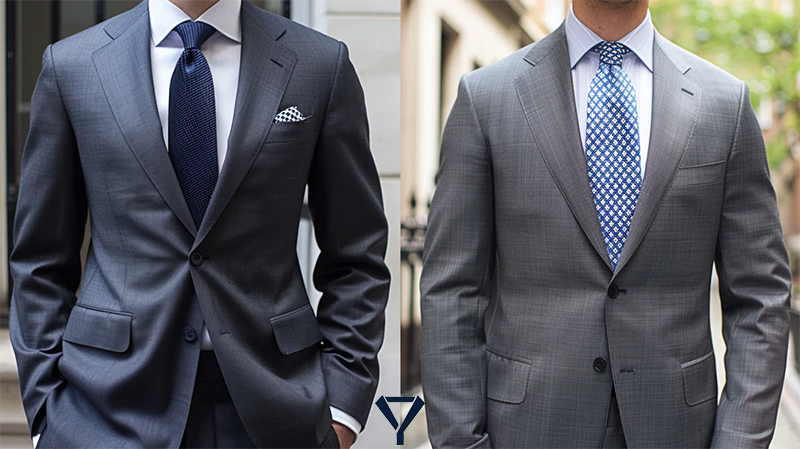
4. British Cut Suit vs Italian Cut vs American Cut
Understanding the difference between British, Italian, and American suit cuts helps you choose a style that truly fits your body, lifestyle, and personal image. While all three come from strong tailoring traditions, they express very different philosophies of menswear.
British Cut vs Italian Cut Suit
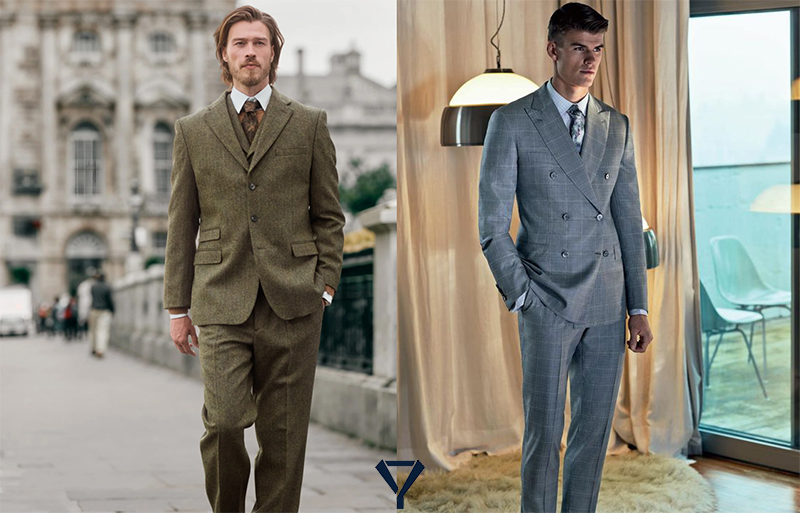
A British cut suit is defined by structure, authority, and classic elegance. It features padded shoulders, a firm chest, a longer jacket length, and a controlled silhouette. The goal of British tailoring is not to follow trends, but to create a suit that looks powerful, balanced, and timeless. This makes the British cut ideal for business, formal occasions, and anyone who wants a sharp, professional appearance.
In contrast, an Italian cut suit focuses on softness, lightness, and modern style. Italian tailoring typically uses minimal shoulder padding, a lighter canvas, and a shorter jacket length. The suit sits closer to the body, emphasizing natural lines and movement. Italian suits often feel more relaxed and fashionable, making them popular for social events, creative professions, and warmer climates.
British Cut vs American Cut Suit
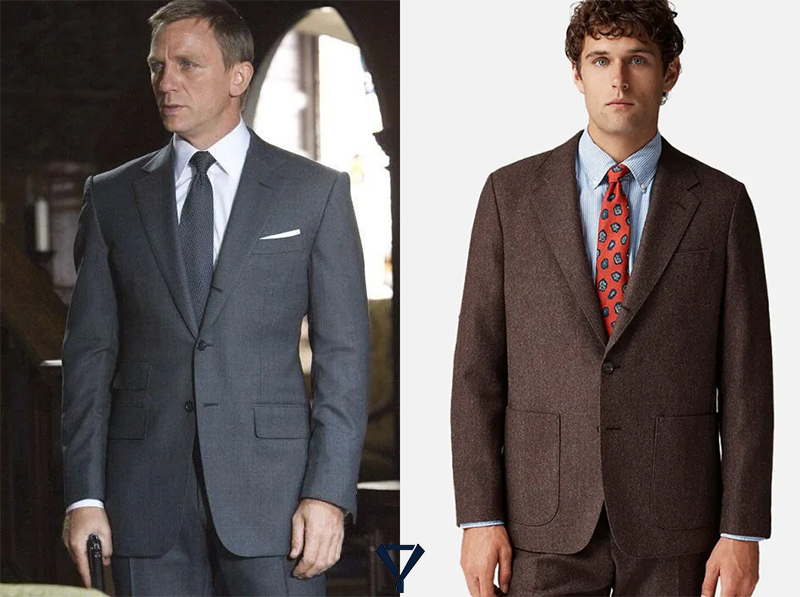
When comparing a British cut suit to an American cut suit, the difference is most noticeable in fit and structure. British suits are fitted and structured, designed to shape the body with strong shoulders, a defined chest, and a slightly suppressed waist. Even when not tight, they maintain a clean and tailored silhouette.
The American cut suit, often associated with the classic sack suit, prioritizes comfort and practicality. It typically features natural shoulders with little to no padding, a straighter jacket body, and a looser overall fit. The result is a suit that feels relaxed and easy to wear, but less sculpted and formal than its British counterpart.
British vs Italian vs American Suit: Quick Comparison
| Feature | British Cut Suit | Italian Cut Suit | American Cut Suit |
|---|---|---|---|
| Shoulder Structure | Padded, structured | Soft, minimal padding | Natural, unpadded |
| Jacket Length | Longer | Shorter | Medium |
| Fit | Tailored, structured | Slim, close to the body | Loose, relaxed |
| Style Focus | Authority & tradition | Fashion & fluidity | Comfort & ease |
| Best For | Business, formal wear | Social, modern styling | Everyday office wear |
5. Best Fabrics for a British Cut Suit
Choosing the right fabric is essential to getting the best out of a British cut suit. Because this suit style relies on structure and clean lines, the fabric must be able to hold shape, drape well, and age gracefully.
Wool and Tweed
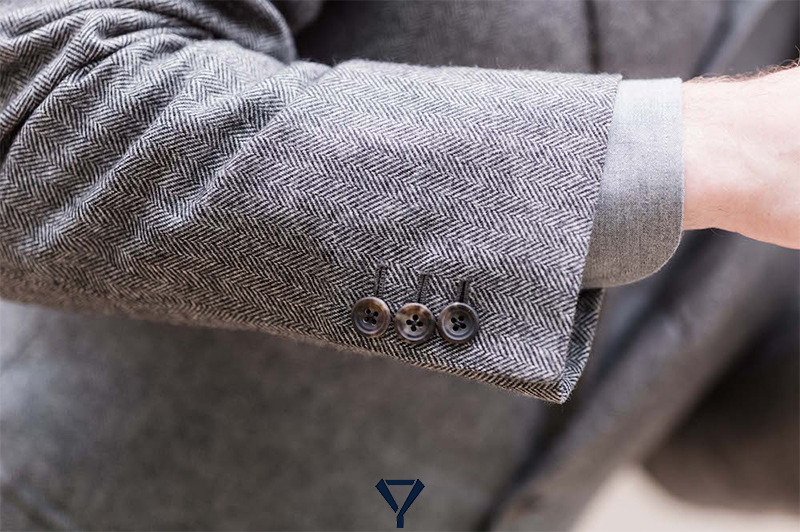
Worsted wool is the most common and versatile fabric used for a British cut suit. It is tightly woven, smooth to the touch, and excellent at maintaining structure. Worsted wool supports the padded shoulders and defined chest that characterize British tailoring, making it ideal for business and formal wear. It also performs well year-round, especially in medium weights.
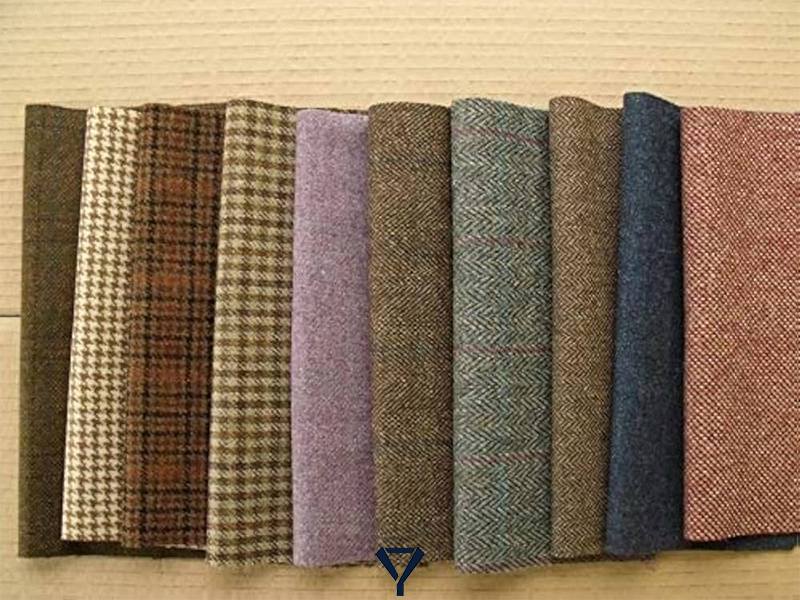
Flannel wool is another classic choice, particularly for cooler months. Flannel has a softer surface and slightly heavier weight, which adds warmth while preserving the sharp silhouette of a British cut suit. Its subtle texture gives the suit a more relaxed elegance without losing its formal appeal, making it popular for fall and winter wardrobes.
For colder seasons and more traditional styling, tweed is deeply associated with British tailoring heritage. Tweed is heavier, more textured, and extremely durable. It is perfect for winter wear and countryside-inspired looks, offering warmth and character while still maintaining the structured shape of a British cut suit.
Seasonal Fabric Choices
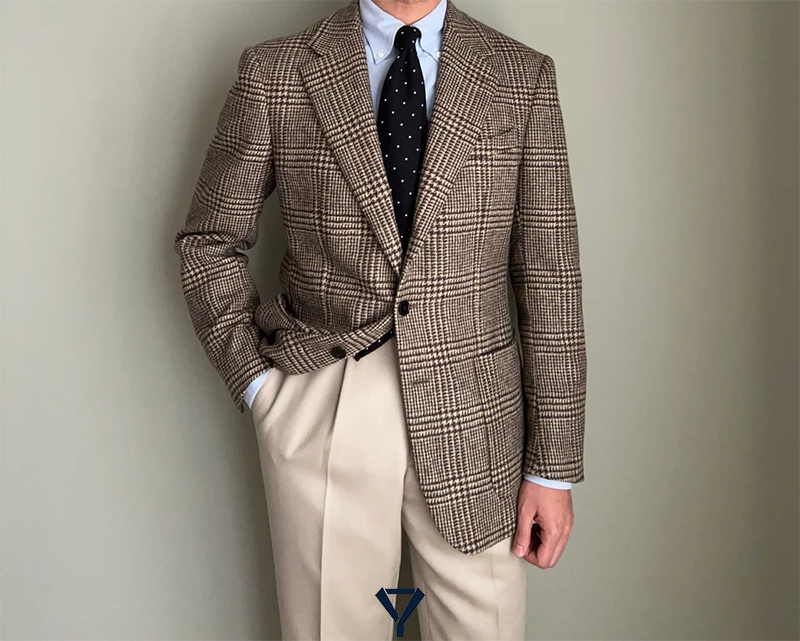
A British cut suit naturally excels in fall and winter. Heavier wool, flannel, and tweed fabrics complement its structured construction, helping the jacket maintain clean lines and a strong silhouette. These fabrics also provide insulation, making the suit both practical and elegant in cooler temperatures.
Many people ask whether a summer British cut suit is possible. The answer is yes, but with the right fabric choices. Lightweight worsted wool, high-twist wool, or wool blends can reduce heat while still supporting the suit’s structure.
However, extremely light or soft fabrics may not fully express the traditional British cut, as they lack the firmness needed to hold their iconic shape.
6. How to Style a British Cut Suit
Styling a British cut suit is about respecting its structured, classic nature while keeping the overall look refined and balanced. Because British tailoring already carries a strong presence, the right shirts, ties, shoes, and accessories should complement the suit rather than compete with it.
Shirts, Ties, and Shoes
A classic dress shirt is the best match for a British cut suit.
- Shirts with traditional collars like the classic point collar or the moderate spread collar work especially well because they frame the tie neatly and suit the formal structure of the jacket.
- Crisp white shirts are timeless, while light blue or subtly striped shirts add variety without breaking the traditional aesthetic.

When it comes to ties, traditional materials are key.
- Silk ties are the most versatile and formal choice, offering a clean, polished finish that pairs perfectly with business and formal British suits.
- For a more textured and seasonal look, wool ties or silk-wool blends work beautifully, especially with flannel or tweed suits.
- Classic patterns like solids, stripes, or understated dots align best with British tailoring traditions.
For footwear,
- Oxford shoes are the gold standard. Their closed-lace design mirrors the clean lines and formality of a British cut suit, making them ideal for business and formal occasions.
- Brogues, particularly full brogues or semi-brogues, are another excellent option, especially with tweed or country-inspired British suits.
- Stick to classic colors such as black, dark brown, or oxblood to maintain a cohesive and elegant look.
Accessories That Match British Tailoring
Accessories should enhance the suit subtly, not overpower it.
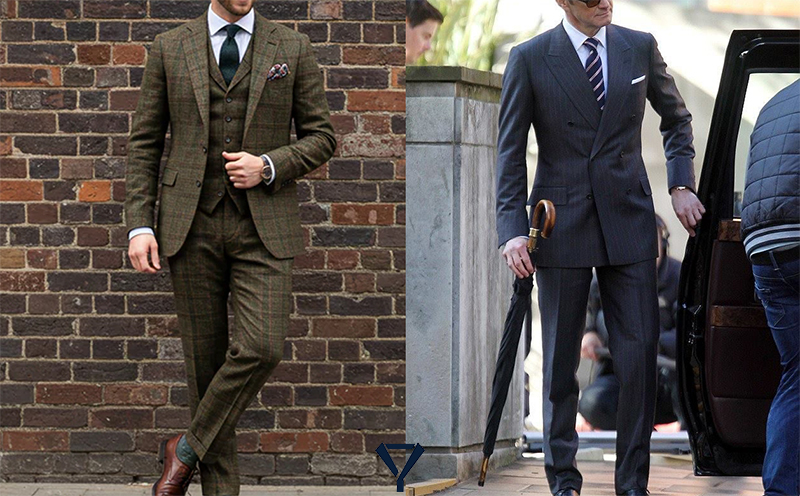
A pocket square is one of the easiest ways to add personality while staying classic.
White linen pocket squares are timeless and formal, while patterned silk or wool pocket squares can add depth when paired thoughtfully with the tie.
Cufflinks are another natural fit for British tailoring, especially when wearing French-cuff shirts. Simple silver, gold, or understated designs reflect the traditional values of British menswear and keep the look polished rather than flashy.
Finally, a classic watch completes the outfit. Traditional dress watches with leather straps and clean dials suit the refined nature of a British cut suit far better than oversized or sporty designs.
7. When to Wear a British Cut Suit
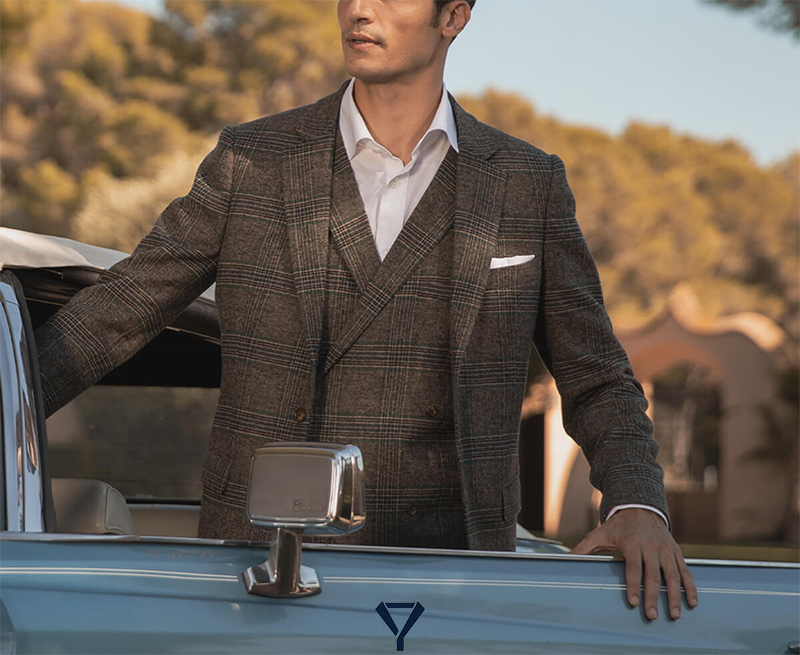
A British cut suit is best worn in situations where formality, structure, and a professional appearance are expected. Its sharp lines and authoritative silhouette make it especially suitable for occasions that require confidence, respect, and classic elegance.
Business and Formal Occasions
In offices, boardrooms, and high-level meetings, the British cut suit’s structured shoulders, defined chest, and clean proportions communicate professionalism and leadership. This is why many executives, lawyers, and senior professionals favor the British cut when they need to make a strong, credible impression.
It is also highly appropriate for court appearances and formal events, where tradition and seriousness matter. The longer jacket length and disciplined silhouette of a British cut suit align well with conservative dress codes, making it a reliable option when appearance carries real weight.
Weddings and Special Events
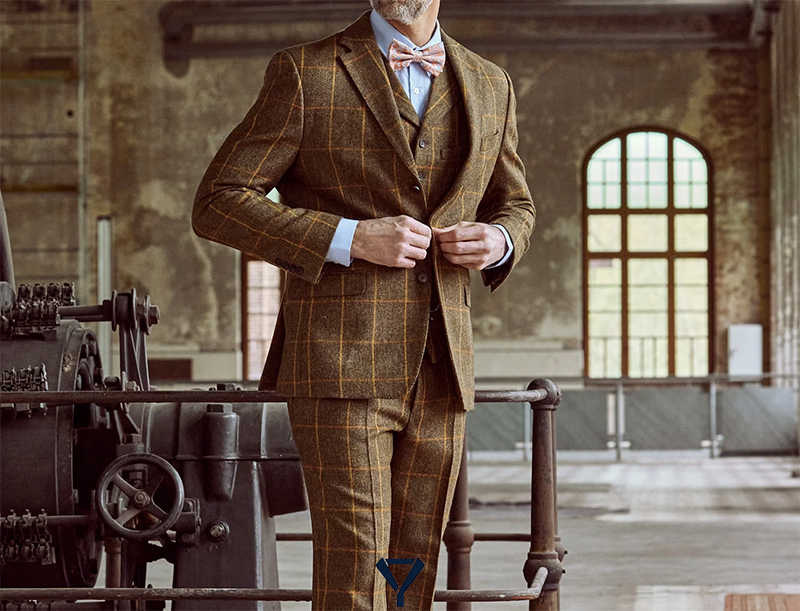
A British cut suit is equally well-suited for weddings and special occasions, particularly those with a traditional or formal tone.
As a groom’s suit, it offers a refined and timeless look that photographs beautifully and never feels outdated. The structured tailoring adds presence without overpowering the occasion.
For traditional or formal weddings, a British cut suit in classic colors such as navy, charcoal, or grey provides elegance and dignity. It pairs well with formal shirts, silk ties, and polished leather shoes, making it an excellent choice for men who want to look sharp, confident, and effortlessly classic on important days.
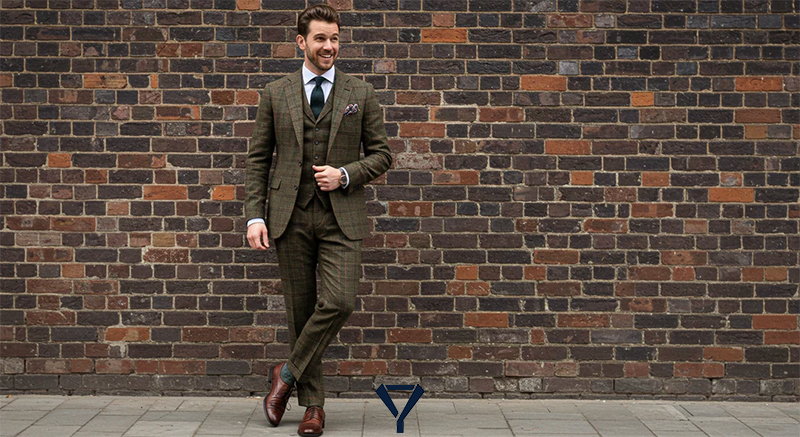
8. Who Should Wear a British Cut Suit?
A British cut suit is especially well-suited for men who want to project authority, professionalism, and timeless style. Because of its structured design and balanced proportions, this suit cut works best for certain body types, careers, and personal preferences.
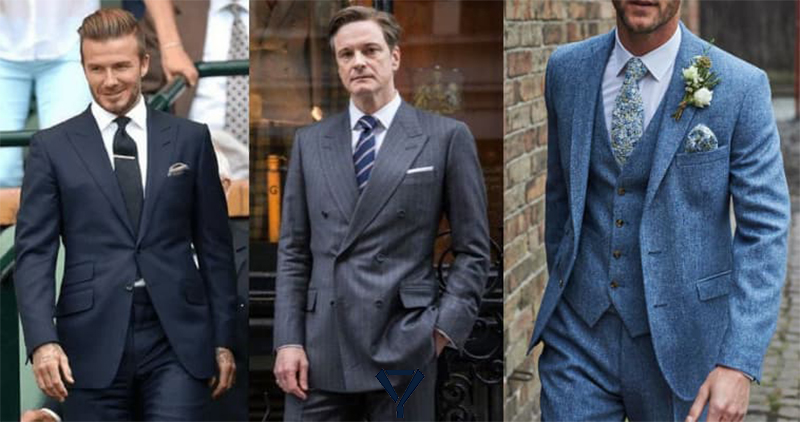
Men with a taller frame or narrower shoulders often benefit the most from a British cut suit. The structured, padded shoulders help broaden the upper body, while the defined chest and clean lines create a strong V-shaped silhouette, making the wearer appear more balanced and confident without relying on an overly slim or tight fit.
The British cut is also ideal for those who need to look authoritative and professional. Business owners, executives, lawyers, consultants, and senior managers often choose this style because it communicates reliability, leadership, and seriousness.
Beyond profession and body type, this suit appeals strongly to men who appreciate classic menswear and long-lasting style. If you prefer clothing that ages well, avoids fashion trends, and remains appropriate year after year, the British cut suit is a smart investment.
Final Thoughts
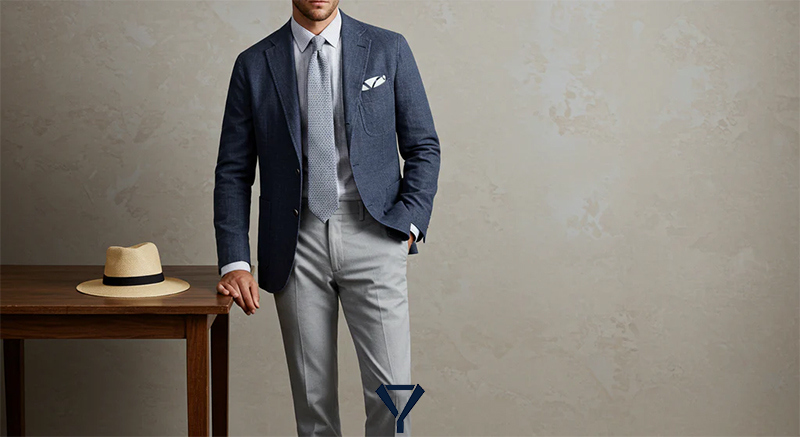
The British cut suit represents the very foundation of classic menswear. With its structured shoulders, balanced proportions, and timeless silhouette, it is a style built on tradition, discipline, and enduring elegance. While fashion trends continue to shift, British tailoring remains steady, offering a suit that looks just as appropriate today as it did decades ago. In a world of fast fashion and ever-changing silhouettes, the British cut suit stands as a reminder that true elegance never goes out of style.
Created from my passion for sartorial that I discovered through learning and working in the field, YOURSUITTREND is dedicated to providing in-depth knowledge, expert styling tips, and the latest trends in men’s tailored fashion. If you ever come to Vietnam, let’s grab a glass 🙂