
In modern menswear, the four piece suit has made a strong comeback, blending traditional craftsmanship with contemporary styling. In this guide, we will explore what a four piece suit is, how it differs from other suit styles, and how to wear it correctly to achieve a refined, elegant look.
1. What Is a Four Piece Suit?
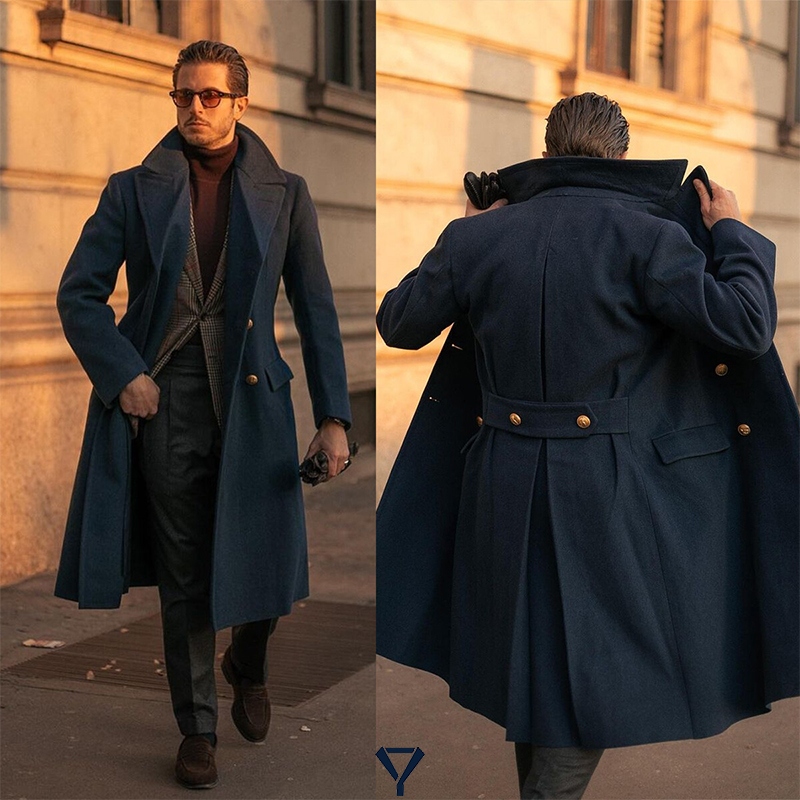
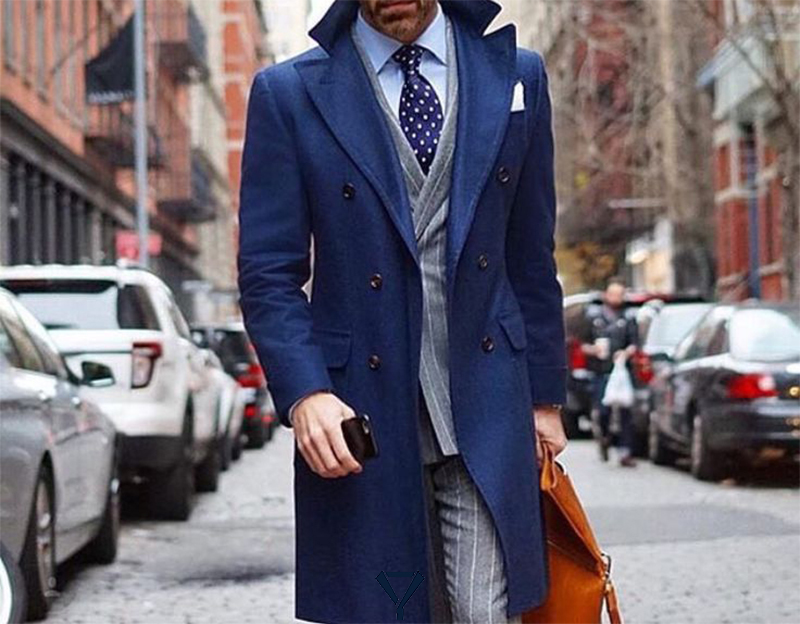
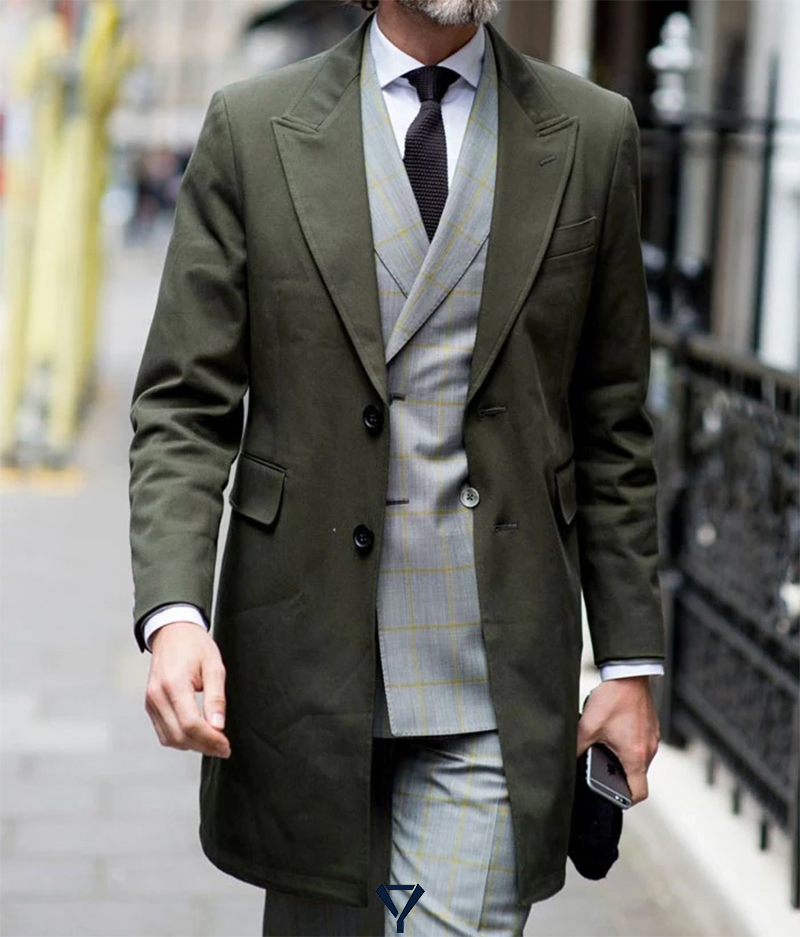
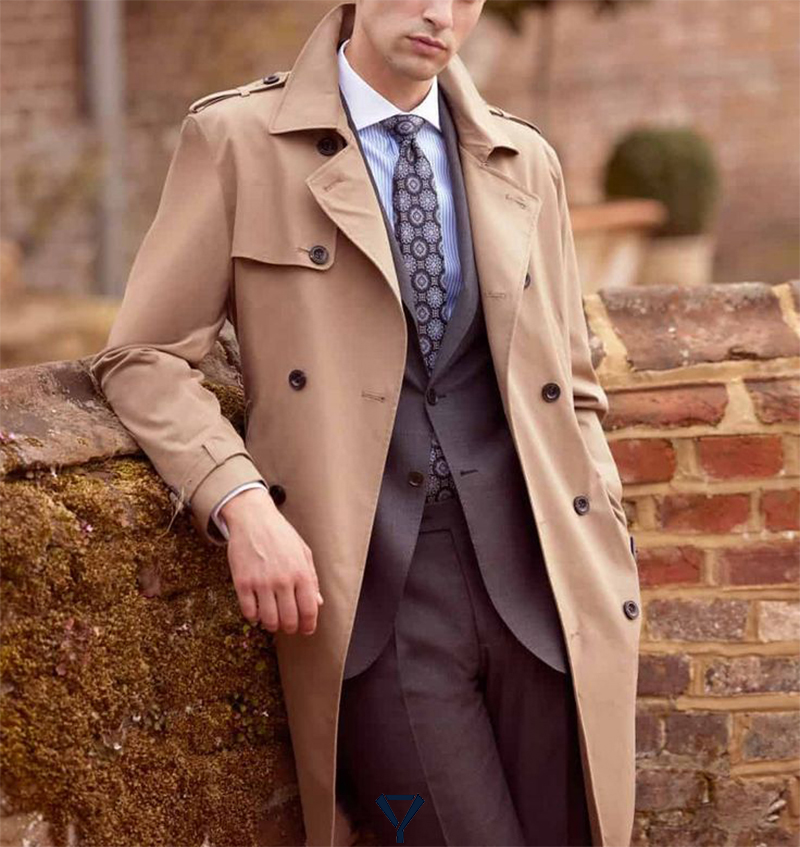
A four piece suit is a refined menswear ensemble that builds upon traditional tailoring by adding an extra coordinated layer to the classic suit structure. While a standard two piece suit includes only a jacket and trousers, and a three piece suit adds a waistcoat, a four piece suit introduces a fourth matching or complementary garment (most commonly an overcoat or a topcoat) designed to be worn as part of the complete outfit.
The growing popularity of the four piece suit in modern menswear comes from its ability to combine elegance with intention. Rather than being an afterthought, the fourth piece is carefully selected to match the fabric, color palette, and formality of the suit. This creates a cohesive, layered look that feels deliberate, polished, and distinctly premium.
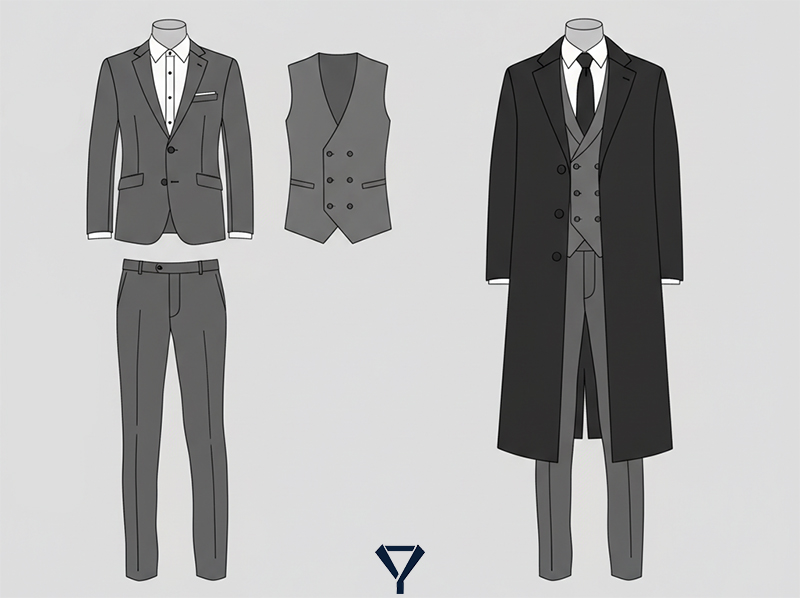
A four-piece suit is particularly well-suited for business professionals, grooms, and men who appreciate classic sartorial style. It appeals to those who value timeless tailoring, structured silhouettes, and a confident, authoritative appearance.
2. What Does a Four Piece Suit Include?
A four piece suit consists of four carefully coordinated garments that work together to create a complete, polished menswear ensemble. Unlike simpler suit configurations, each piece in a four piece suit has a clear purpose, both stylistically and functionally. When worn correctly, these elements create depth, balance, and a strong sartorial presence.
Jacket
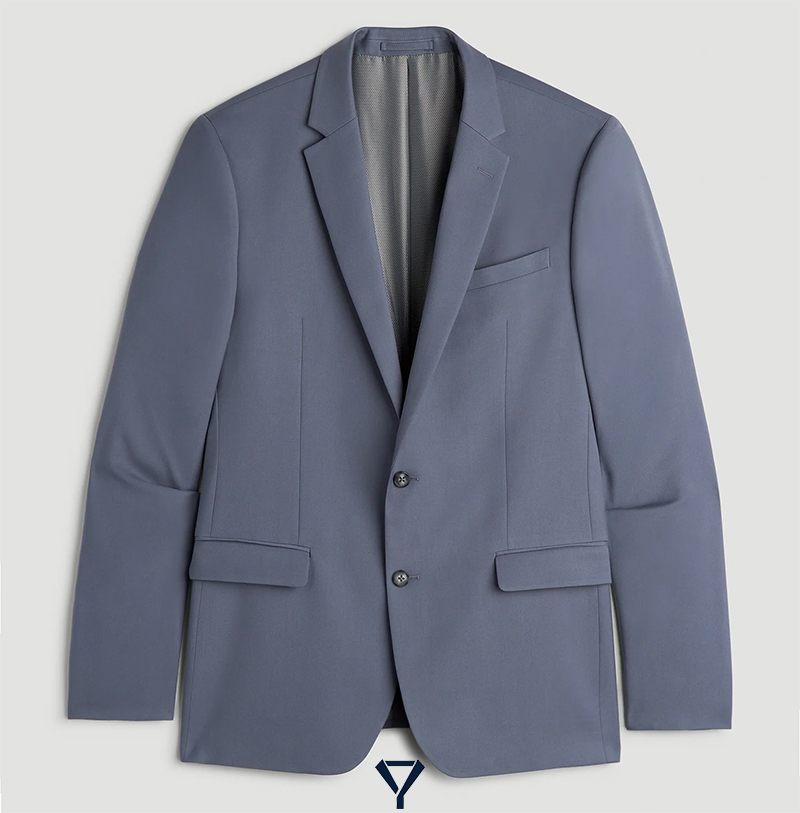
The jacket is the foundation of any four piece suit and defines the overall structure and formality of the outfit. In a four piece suit, the jacket is typically tailored with greater attention to proportion, shoulder structure, and lapel shape to ensure it works harmoniously with the waistcoat and outer layer.
There are two common jacket styles:
- Single-breasted jackets offer a clean, versatile look and are ideal for business and formal occasions.
- Double-breasted jackets provide a stronger, more authoritative appearance and are often associated with classic British tailoring.
In terms of fit, the most popular options include slim fit, tailored fit, and classic fit. A well-fitted jacket should contour the body without restricting movement, creating a sharp silhouette that complements the additional layers of a four piece suit.
Trousers
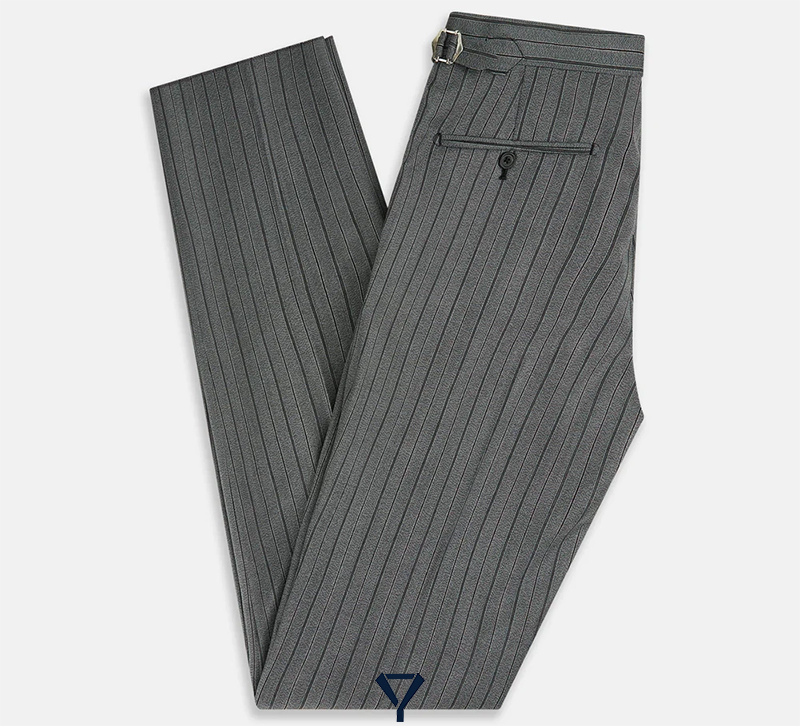
The trousers in a four piece suit are designed to match the jacket in fabric and color, ensuring visual consistency throughout the outfit. Properly tailored trousers help maintain balance between the upper and lower body, especially when layering multiple pieces.
Two main trouser styles are commonly seen:
- Pleated trousers, which offer more room and comfort while adding a classic, elegant touch.
- Flat-front trousers, which provide a cleaner, more modern appearance.
Length is equally important. The trousers should break cleanly over dress shoes—whether with a slight break for a traditional look or a no-break finish for a contemporary style. Proper length enhances the overall refinement of the four piece suit.
Waistcoat
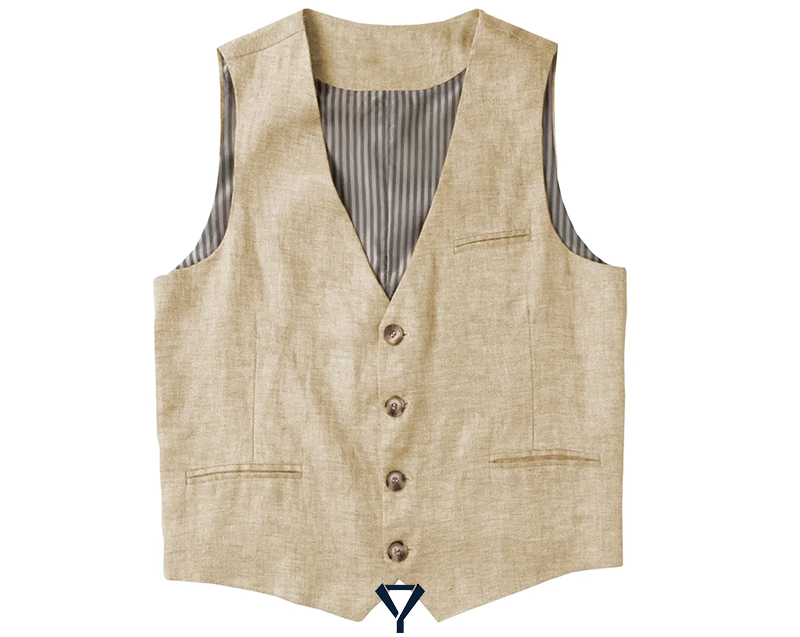
The waistcoat, or vest, is what distinguishes a three piece suit from simpler suit styles and plays a crucial role in a four piece suit. It adds structure to the torso, enhances posture, and creates a seamless transition between the jacket and trousers.
A waistcoat can be worn fully buttoned for a formal look or removed when a more relaxed appearance is desired. Common designs include:
- Single-breasted waistcoats, which are versatile and understated.
- Double-breasted waistcoats, which add visual weight and a strong classic character.
In a four piece suit, the waistcoat also helps anchor the outfit when the jacket is removed, ensuring the wearer still looks polished and intentional.
The Extra Piece – The 4th Element
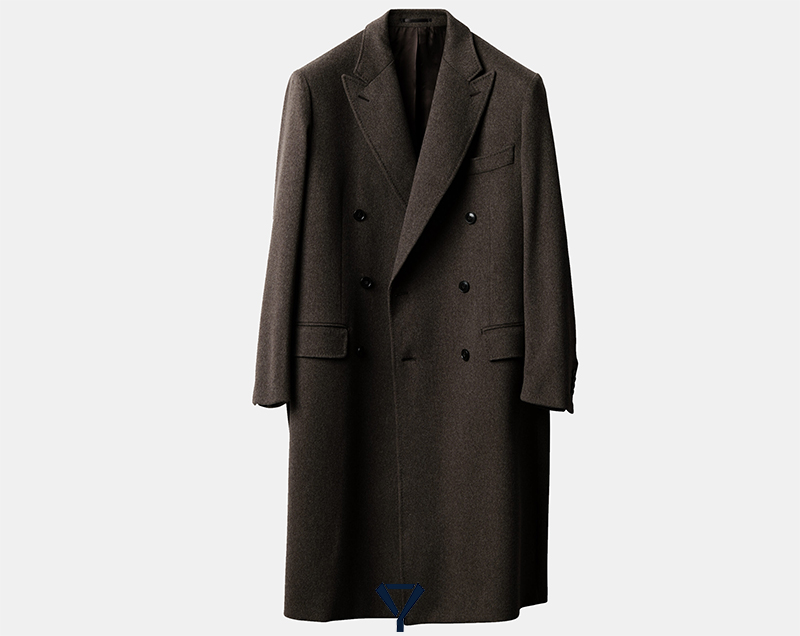
The defining feature of a four piece suit is the fourth garment, most commonly an overcoat or topcoat, designed to complement the suit rather than simply layer over it. Other than that, this fourth piece can be an extra pair of trousers or a matching hat.
This outer piece elevates the outfit from formal to truly sartorial, creating a cohesive, well-thought-out ensemble.
Other variations of the fourth piece may include:
- A second waistcoat for added versatility
- Detachable lapels or refined accessories that enhance formality
From a sartorial perspective, the fourth piece represents intention and mastery of layering. It signals attention to detail, respect for tradition, and an understanding of classic menswear proportions. This is what sets a four piece suit apart as a statement of refined personal style.
3. The History and Origins of the Four Piece Suit
The four-piece suit has its roots in classic British tailoring, where menswear was traditionally designed not only for style but also for practicality, structure, and social status. Long before modern fashion trends, British gentlemen valued layered dressing as a way to adapt to climate, occasion, and formality. This approach naturally led to the evolution of multi-piece suits.
British Origins and Early Development
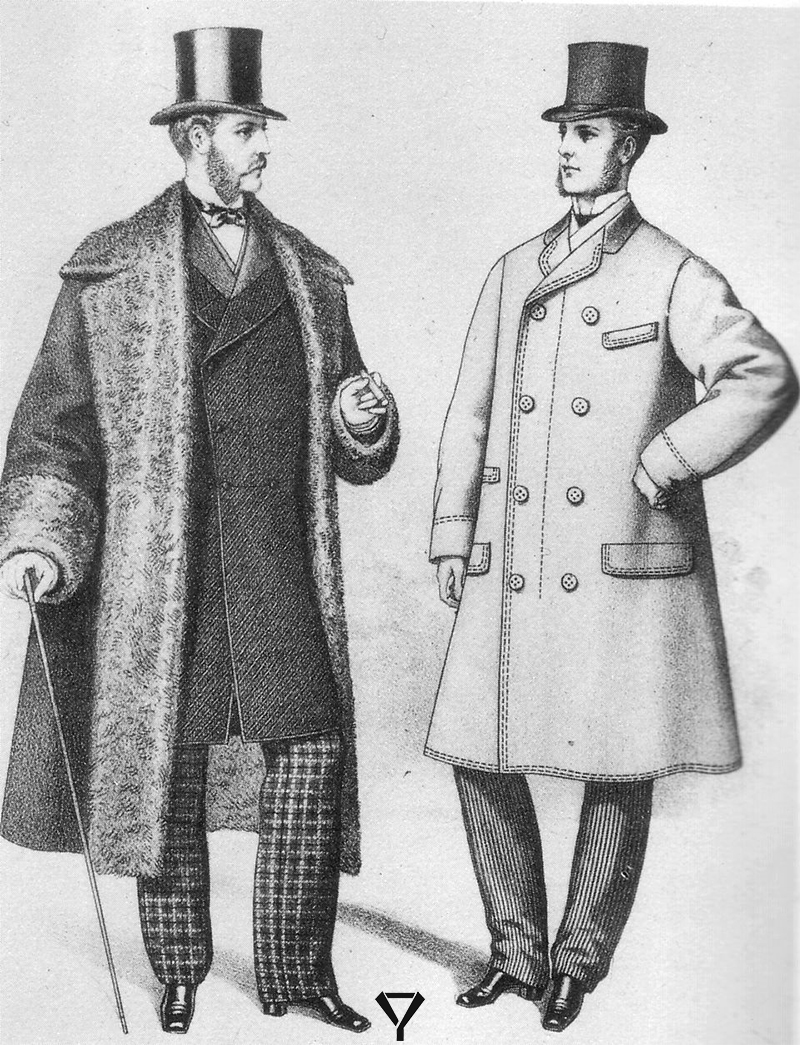
The concept behind the four piece suit emerged in the late 19th and early 20th centuries, when formal menswear commonly included a jacket, trousers, waistcoat, and an outer garment such as a frock coat, overcoat, or morning coat. At the time, wearing a coordinated outer layer was not optional but considered an essential part of a complete outfit, especially among the upper class and professional elite.
This layered approach emphasised discipline, refinement, and respectability. Each garment served a specific purpose, both aesthetic and functional, forming the foundation of what we now recognize as the four piece suit.
The Influence of Savile Row and European Sartorial Style
Savile Row, the heart of British bespoke tailoring, played a critical role in shaping the four piece suit as a symbol of craftsmanship and prestige. Tailors on Savile Row perfected the art of proportion, balance, and layering, ensuring that jackets, waistcoats, trousers, and outerwear worked together seamlessly.
Beyond Britain, classic European menswear (particularly from Italy and France) also influenced the evolution of the four piece suit. While British tailoring emphasized structure and formality, European styles introduced softer silhouettes and refined detailing. This blend of traditions helped transform the four piece suit into a versatile yet highly sophisticated ensemble.
The Decline and Modern Revival of the Four Piece Suit
As menswear became more casual in the mid-20th century, layered formal outfits gradually fell out of everyday use. Simpler two piece and three piece suits became the norm, and the four piece suit was reserved mainly for ceremonial or elite occasions.
In recent years, however, the four piece suit has experienced a strong revival. The modern menswear movement, driven by renewed interest in tailoring, craftsmanship, and timeless style, has brought layered dressing back into focus. Today’s four piece suit blends traditional principles with modern fits, lighter fabrics, and contemporary styling, making it relevant once again.
The Four Piece Suit in High-End Menswear Today
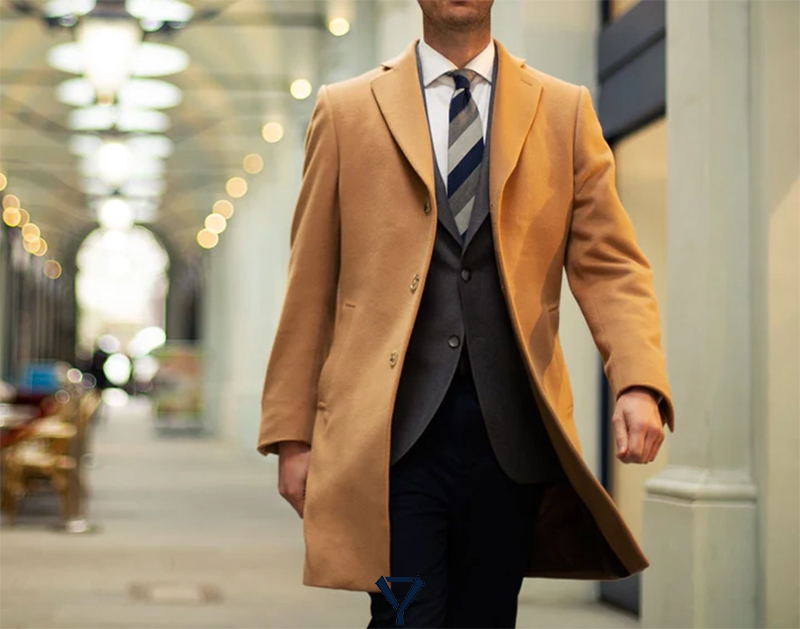
In modern luxury menswear, the four piece suit represents the highest level of intentional dressing. It is often seen in bespoke tailoring, high-end fashion houses, and formal occasions where refinement matters most. For men who appreciate craftsmanship and classic elegance, the four piece suit stands as a bridge between historical tradition and modern sophistication.
4. When Should You Wear a Four Piece Suit?
A four piece suit is designed for moments that require more than standard formalwear. It communicates authority, refinement, and a deep appreciation for classic tailoring. While it may not be suitable for everyday use, there are specific occasions where a four piece suit is not only appropriate but highly effective.
Four Piece Suit for Business Professionals
For business leaders and executives, a four piece suit represents power, professionalism, and confidence. In formal corporate environments name it board meetings, high-level negotiations, or executive events, this style creates a strong first impression.
The additional layer, usually an overcoat or topcoat, enhances the overall structure of the outfit and reinforces a classic business formal or business classic aesthetic. When tailored correctly, a four piece suit projects authority without appearing excessive, making it ideal for men in leadership roles who want to stand out through refined dressing rather than trends.
This look is particularly effective in traditional industries such as finance, law, consulting, and corporate management, where appearance still plays a key role in credibility and presence.
Four Piece Suit for Weddings
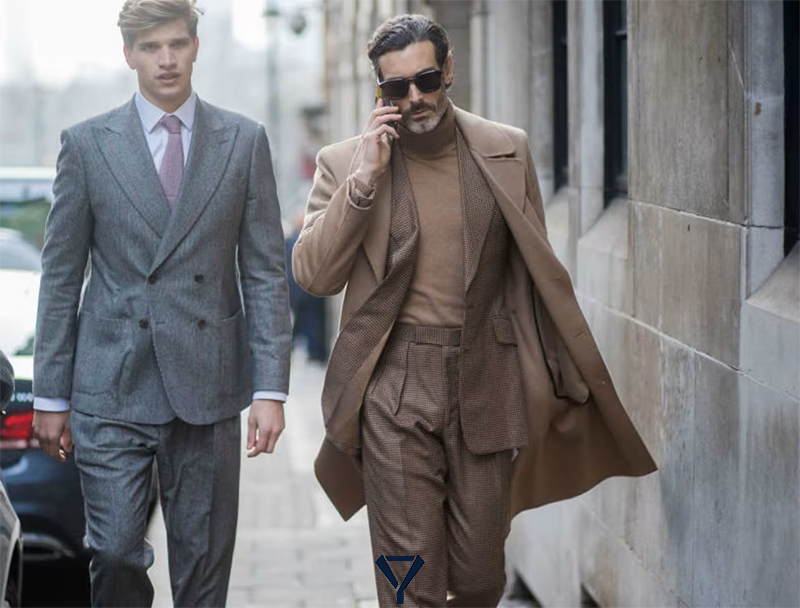
A four piece suit for weddings is an excellent choice for grooms who want a distinguished and memorable look. Compared to standard wedding suits, a four piece suit offers greater elegance and visual depth, making it perfect for formal ceremonies.
This style works especially well for classic, vintage, or luxury-themed weddings, where attention to detail is essential. The layered structure photographs beautifully and allows the groom to maintain a polished appearance throughout the event, even when removing the jacket.
Whether the wedding takes place indoors or outdoors, a four piece suit adds a sense of tradition and sophistication, ensuring the groom stands apart without overshadowing the occasion.
Four Piece Suit for Special Occasions
A four piece suit is also ideal for special events such as galas, formal dinners, award ceremonies, and high-end social gatherings. These occasions often call for a more elevated level of dress, where a standard suit may feel underwhelming.
Wearing a four piece suit in these settings allows you to make a strong style statement while remaining within the boundaries of formal dress codes. The additional layer creates visual interest and signals confidence, refinement, and intentional styling.
When the goal is to leave a lasting impression and express personal style through classic menswear, the four piece suit becomes a powerful and appropriate choice.
5. How to Style a Four Piece Suit the Sartorial Way
Styling a four piece suit correctly is essential to achieving a refined, intentional look. Because this ensemble involves multiple layers, every element, from the shirt to the accessories, must work in harmony. When done well, a four piece suit reflects confidence, balance, and a deep understanding of classic menswear.
Shirt Selection for a Four Piece Suit
The dress shirt serves as the foundation of the entire outfit and should enhance the suit, not compete with it.
Recommended shirt colors:
- White: The most classic and versatile option, ideal for formal and business settings
- Light blue: Adds softness while maintaining professionalism
- Subtle patterns (fine stripes or micro textures): Suitable for experienced dressers who want depth without distraction
- Avoid overly bold colors or heavy patterns, as they can disrupt the clean, layered structure of a four piece suit.
Collar styles to choose:
- Spread collar: Pairs well with ties and structured jackets
- Semi-spread collar: A balanced option for most face shapes
- Cutaway collar: Works best with wider tie knots and formal looks
- A well-fitted shirt with a structured collar ensures the suit layers sit cleanly and comfortably.
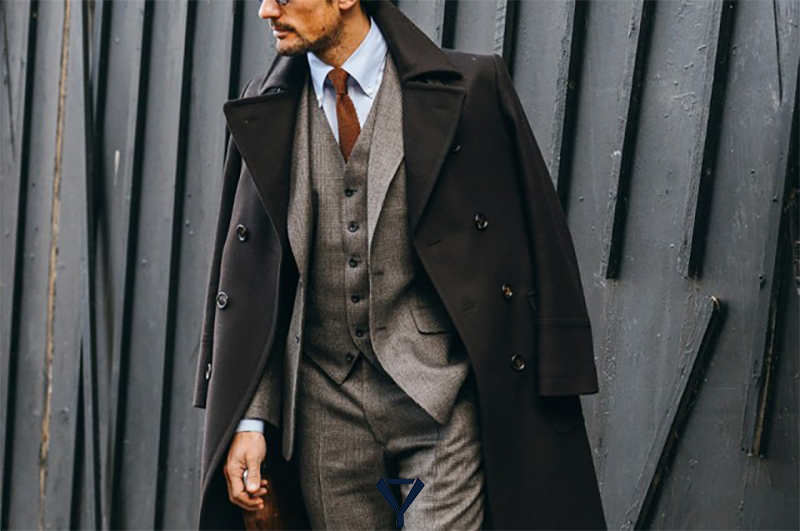
Tie or Bow Tie: Making the Right Choice
Choosing between a tie and a bow tie depends on the occasion and the level of formality. Though be it tie or bow tie, it should complements the suit’s fabric and color without overpowering the overall look.
- A neck tie is the most versatile option and works well for business settings, weddings, and formal events.
- A bow tie is more ceremonial and suits black-tie-inspired looks, vintage weddings, or classic evening events.
Recommended materials:
- Silk for formal elegance
- Wool or flannel for cooler seasons
- Textured fabrics such as grenadine for added depth
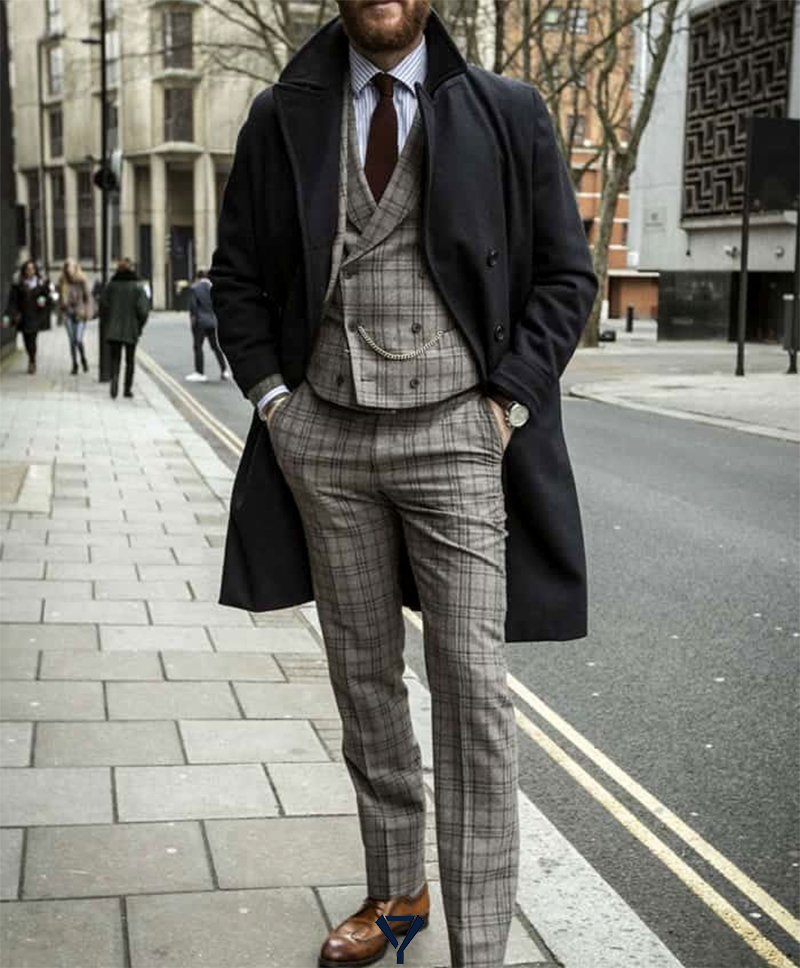
Choosing the Right Dress Shoes
Footwear plays a crucial role in grounding the look of a four piece suit. Well-polished leather shoes elevate the entire ensemble and reinforce the suit’s formal character.
Best shoe styles:
- Oxford shoes: The most formal and classic choice, ideal for business and ceremonial wear
- Derby shoes: Slightly more relaxed but still appropriate for formal occasions
- Monk strap shoes: Stylish and distinctive, suitable for modern sartorial looks
Shoe color guidelines:
- Black shoes: Best for dark suits such as navy, charcoal, or black
- Dark brown shoes: Pair well with navy, grey, and lighter-toned suits
- Mid-brown or oxblood: Suitable for experienced dressers seeking subtle contrast
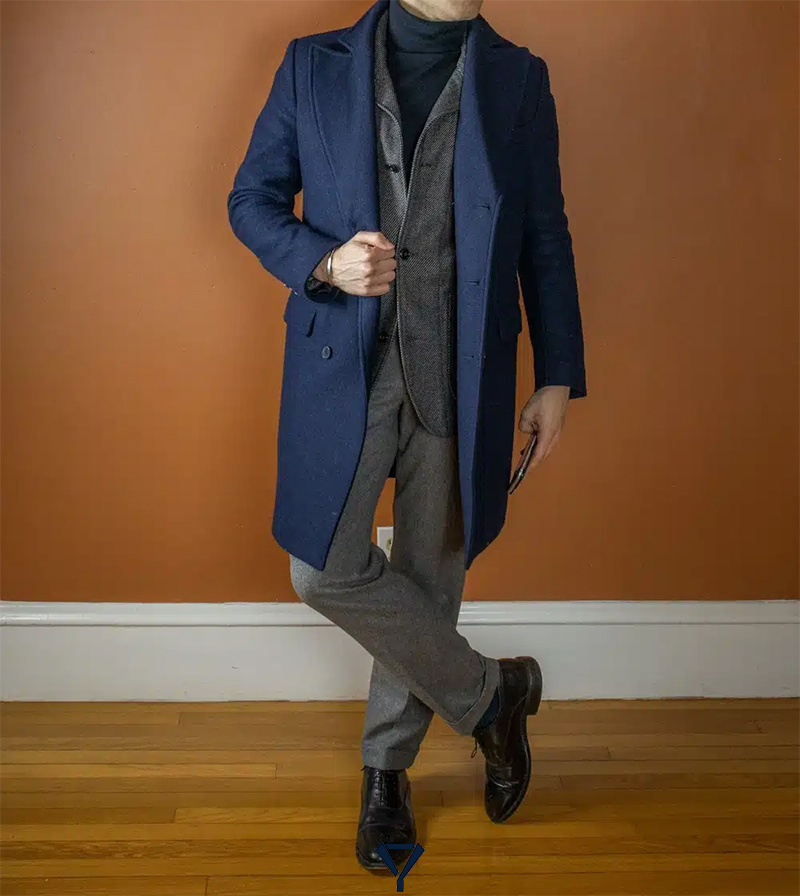
Accessories That Complete a Four Piece Suit
Accessories should enhance the outfit without overwhelming it. In a four piece suit, restraint is key. Each accessory should feel intentional, contributing to the overall harmony of the four piece suit rather than competing for attention.
- Pocket square: Adds personality; choose white linen for classic elegance or subtle patterns for interest
- Watch: A slim dress watch with a leather strap complements formal tailoring
- Cufflinks: Ideal for French cuff shirts, adding a refined finishing touch
- Hat (optional): Traditional styles such as a fedora or homburg suit a classic or vintage aesthetic when worn with confidence
6. Four Piece Suit vs Three Piece Suit: What’s the Difference?
Understanding the difference between a four piece suit and a three piece suit is essential when choosing the right level of formality and versatility for your wardrobe. While both styles are rooted in classic tailoring, they serve different purposes and create distinct impressions.
Structural Differences
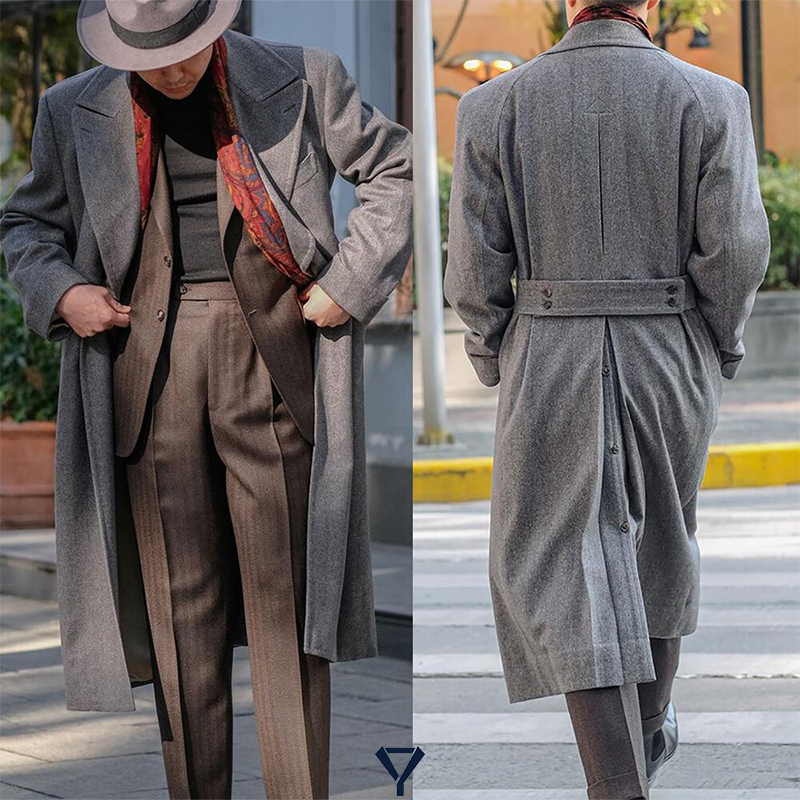
A three piece suit consists of three core garments: a jacket, trousers, and a waistcoat. This combination already offers a polished and formal appearance and has long been a staple in business and formal menswear. A four piece suit, on the other hand, builds upon this structure by adding a fourth coordinated element. Unlike a standard coat worn casually over any suit, this fourth piece is intentionally chosen as part of the overall outfit, creating a complete, layered ensemble.
Level of Formality
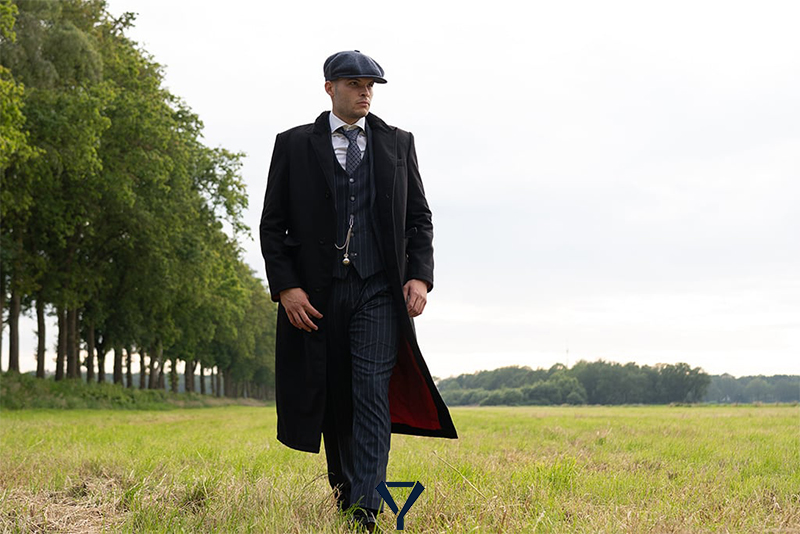
In terms of formality, a four piece suit is generally considered more formal and more refined than a three piece suit. While a three piece suit is appropriate for business meetings, weddings, and formal events, a four piece suit elevates the look further, projecting authority, elegance, and sartorial confidence.
The additional layer adds visual depth and signals careful attention to detail. This makes the four piece suit particularly suitable for high-level business settings, formal ceremonies, and occasions where a strong, distinguished presence is desired.
Flexibility and Versatility
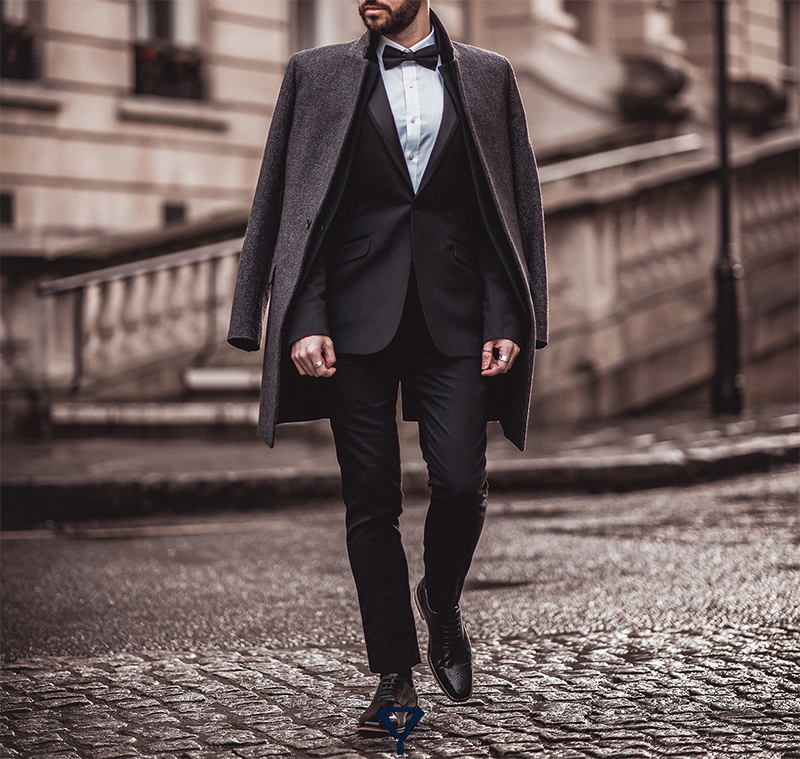
A three piece suit is often more versatile for everyday wear. It can be easily dressed up or down, and the waistcoat can be removed to create a more relaxed look.
A four piece suit, while more structured, offers a different kind of versatility. The fourth piece can be worn or removed depending on the setting, weather, or formality level. This makes it especially practical for outdoor events, cooler climates, or situations that require transitioning between environments while maintaining a polished appearance.
When to Choose a Four Piece Suit over a Three Piece Suit?
A four piece suit is the better choice when:
- You want a highly formal, authoritative look
- You are attending a wedding, gala, or special occasion
- You value classic British or sartorial style
- You want a suit that makes a strong visual statement
If your goal is everyday business wear or maximum simplicity, a three piece suit may be sufficient. However, for moments that demand distinction, a four piece suit stands apart.
7. Suitable Fabrics for a Four Piece Suit
Choosing the right fabric is one of the most important factors when investing in a four piece suit. Because this style involves multiple layers, the material must balance elegance, comfort, durability, and seasonal practicality. High-quality fabrics not only improve the appearance of the suit but also ensure that each layer works harmoniously without feeling heavy or restrictive.
Wool Fabrics: Worsted and Flannel
Wool is the most versatile and widely used fabric for a four piece suit, valued for its breathability, durability, and natural drape.
Worsted wool is smooth, lightweight, and refined, making it ideal for business and formal wear. It offers a clean, structured appearance and works well across multiple seasons, especially spring and autumn.
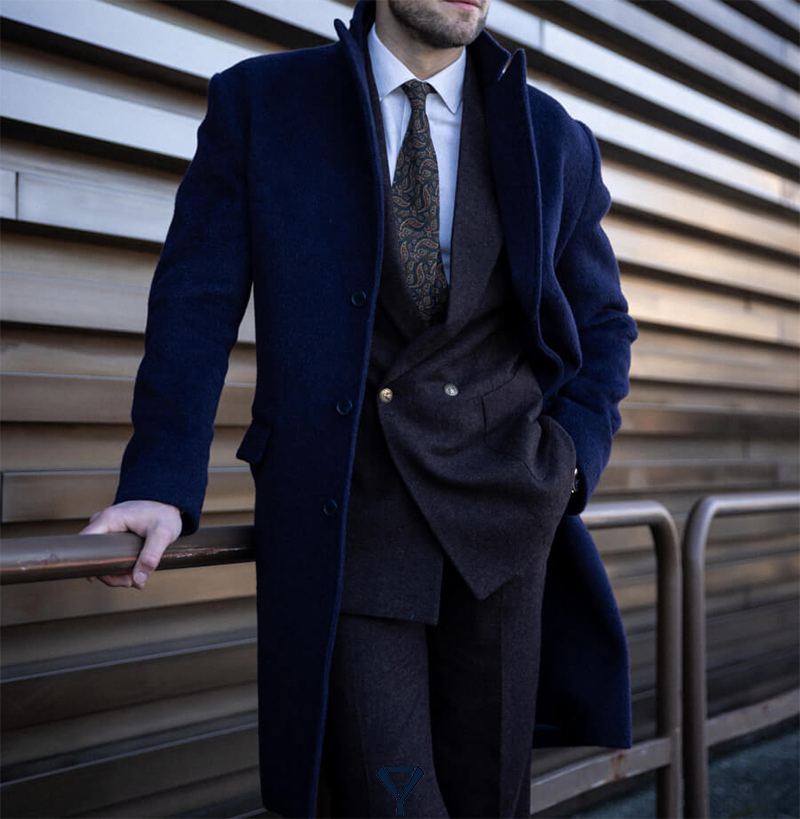
Flannel wool is softer and slightly heavier, providing warmth and texture. It is particularly suitable for fall and winter four piece suits, as it adds depth while maintaining a classic, elegant look.
Wool fabrics are especially effective for layered tailoring, as they regulate temperature and maintain their shape even when worn with a waistcoat and outer layer.
Tweed: Classic and Textured
Tweed is a traditional fabric closely associated with British tailoring and countryside style. Known for its durability and textured surface, tweed is an excellent choice for four piece suits designed for cooler climates.
This fabric offers a more relaxed, heritage-inspired aesthetic while still maintaining structure. Tweed four piece suits are ideal for autumn and winter, outdoor events, and men who appreciate vintage or classic menswear. Because of its weight, tweed works best when tailored precisely to avoid bulkiness.
Cashmere Blends: Luxury and Comfort
Cashmere blend fabrics combine the softness of cashmere with the strength of wool, resulting in a luxurious yet practical option for a four piece suit. These blends provide superior comfort, warmth, and a refined finish.
Cashmere blends are often used in high-end tailoring and bespoke suits, especially for formal occasions and winter wear. They drape beautifully and elevate the overall look, making the four piece suit feel more sophisticated and exclusive.
Linen: A Summer-Friendly Option
Although linen is traditionally associated with casual summer wear, it can be used effectively in a summer four piece suit when paired with a lightweight overcoat. Linen’s natural breathability makes it ideal for warm climates, while modern tailoring techniques help control wrinkles and maintain structure.
Linen four piece suits are best suited for outdoor summer weddings, daytime formal events, or warm-weather destinations. For balance, linen is often blended with wool or silk to improve durability and drape.
8. Common Mistakes When Wearing a Four Piece Suit
A four piece suit is a powerful statement of style and sophistication, but it also requires careful execution. Because this ensemble involves multiple layers and a higher level of formality, small mistakes can quickly undermine the overall look. Understanding these common errors will help you wear a four piece suit with confidence and elegance.
Being Overdressed for the Occasion
One of the most frequent mistakes when wearing a four piece suit is choosing the wrong context. While this style is refined and impressive, it is not suitable for every situation.
A four piece suit is designed for formal business settings, weddings, and special events. Wearing it to a casual office, informal gathering, or relaxed social occasion can make you appear out of place or overly rigid. True sartorial elegance comes from dressing appropriately, not simply dressing more formally than everyone else.
Before wearing a four piece suit, always consider the dress code, setting, and expectations of the occasion.
Excessive Layering Without Refinement
Layering is at the heart of a four piece suit, but more layers do not automatically mean better style. Adding too many heavy or poorly coordinated pieces can make the outfit look bulky, uncomfortable, or visually overwhelming.
Each layer should serve a clear purpose and complement the others in terms of fabric weight, color, and texture. A refined four piece suit feels balanced and intentional, not crowded. Lightweight materials and clean tailoring are essential to maintaining elegance when layering multiple garments.
Choosing an Overcoat That Does Not Match the Suit
The overcoat or topcoat is the defining element of a four piece suit, yet it is often treated as an afterthought. Wearing an outer layer that clashes in color, fabric, or formality breaks the cohesion of the outfit.
A proper four piece suit overcoat should:
- Match or harmonize with the suit’s color palette
- Complement the suit’s fabric weight and texture
- Follow similar tailoring principles and proportions
An overcoat that is too casual, too short, or poorly fitted can significantly reduce the impact of an otherwise well-tailored suit.
Wearing the Wrong Fit for Your Body Type
Fit is critical in any suit, but it becomes even more important in a four piece suit due to its layered construction. A suit that is too tight will restrict movement and feel uncomfortable, while a suit that is too loose will appear sloppy and unstructured.
Common fit issues include:
- Jackets that pull when buttoned
- Waistcoats that sit too high or too low
- Overcoats that overwhelm the frame
A four piece suit should enhance your natural proportions, not exaggerate them. Proper tailoring ensures clean lines, comfortable movement, and a polished silhouette across all layers.
Conclusion
A four piece suit represents the highest level of classic menswear, combining structure, layering, and intentional design into one refined ensemble. More than just formal clothing, it reflects an appreciation for craftsmanship, tradition, and thoughtful dressing. When tailored correctly, a four piece suit creates depth, authority, and a timeless sense of elegance that few other suit styles can achieve. While it may not be the most practical choice for everyday wear, a four piece suit excels in situations where appearance truly matters.
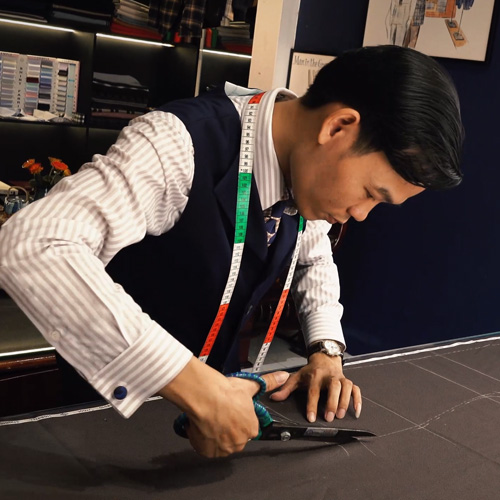
Created from my passion for sartorial that I discovered through learning and working in the field, YOURSUITTREND is dedicated to providing in-depth knowledge, expert styling tips, and the latest trends in men’s tailored fashion. If you ever come to Vietnam, let’s grab a glass 🙂