When it comes to the art of tailoring, every detail on a suit serves a purpose. And few elements speak louder about style and craftsmanship than the lapel. Whether you’re shopping for your first tailored jacket or refining your understanding of classic menswear, knowing what is lapel in suit and its role is is really important. In this guide, I’ll walk you through everything you need to know about suit lapels: function, styles, and their influence on the overall look of your ensemble.
1. What is lapel in suit?
A lapel is the folded flap of fabric on the front of a suit jacket, formed where the collar meets the front panels. In simple terms, it’s the part that frames your shirt and tie, often featuring a buttonhole or decorative stitching.
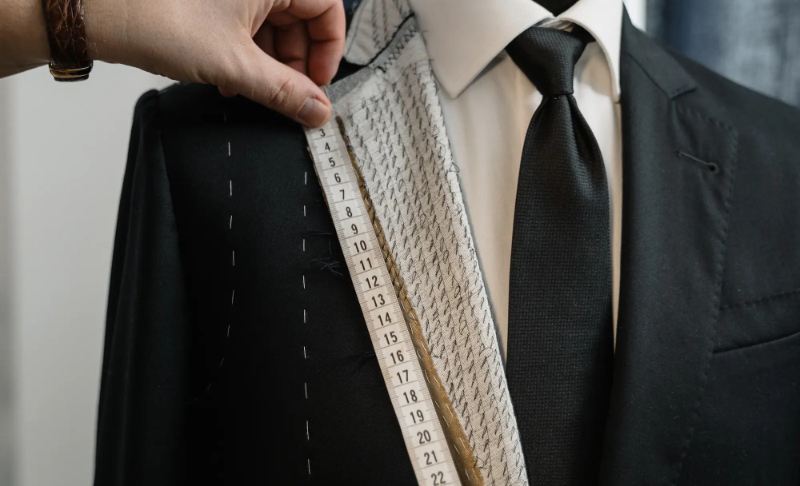
The lapel plays a central role in shaping the overall look of a suit. It draws the eye upward, guiding attention toward the face, and helps balance proportions between the shoulders and chest. A well-chosen lapel is an important suit component that complements the wearer’s physique and the intended occasion, making it one of the most expressive parts of the jacket.
What is lapel in suit? It’s more than just a piece of suit fabric, it’s a signature element that defines the suit’s style, formality, and visual balance.
2. The History of the Suit Lapel
The lapel traces its origins to European military uniforms of the 15th and 16th centuries, when jackets were designed to button all the way up to the neck for warmth and protection. As practicality and comfort became more important, soldiers and civilians alike began leaving the top buttons undone. This caused the front edges of the jacket to fold back naturally, forming the earliest version of the lapel.
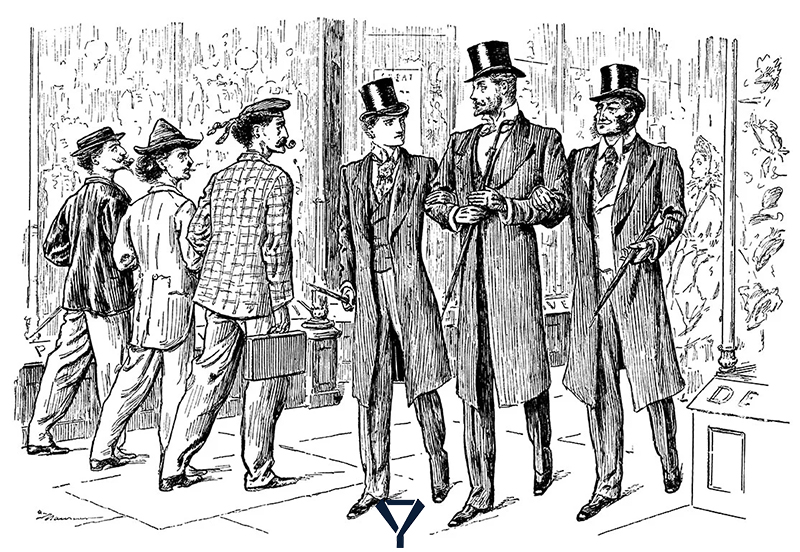
By the 19th century, this once-functional fold had been refined into a deliberate design element, particularly in frock coats, morning coats, and the early lounge suit. Tailors began shaping and pressing the fold to create a cleaner silhouette, transforming it into a marker of elegance rather than necessity.
Over time, these refinements gave rise to the classic notch, peak, and shawl lapels we recognize today. What started as a simple adjustment for comfort has since become one of the most enduring and defining symbols of tailored style.
3. Key Suit Lapel Components
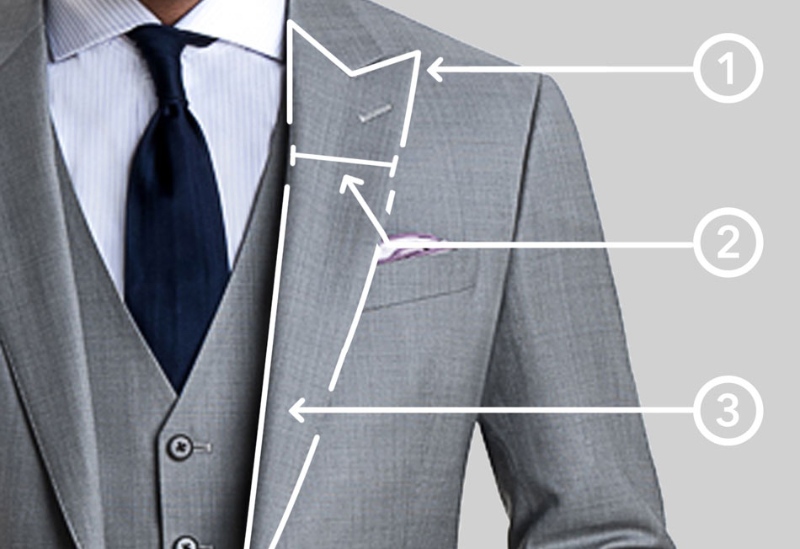
Gorge: refers to the seam where the lapel meets the collar. Its position has a strong influence on the suit’s overall proportions. A higher gorge creates a sharper, more contemporary appearance and can visually lengthen the torso, while a lower gorge feels more traditional and relaxed, often associated with classic British tailoring.
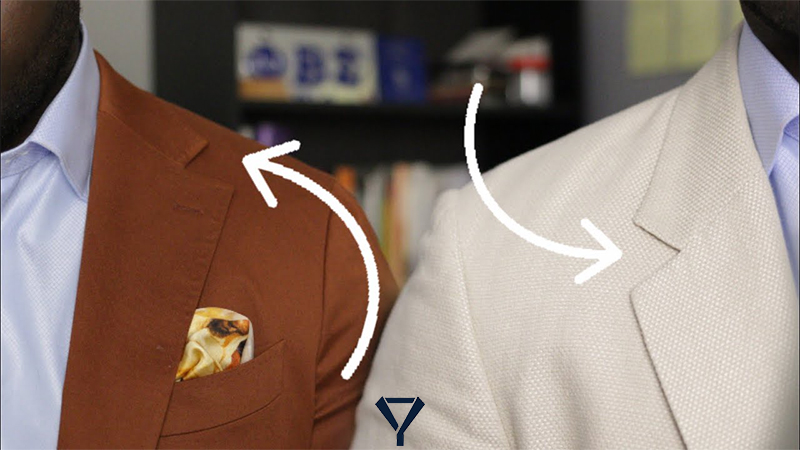
Belly: describes the outward curve of the lapel as it runs downward. A subtle belly appears clean and understated, while a more pronounced belly adds movement and visual drama, drawing the eye to the chest and enhancing the suit’s presence.
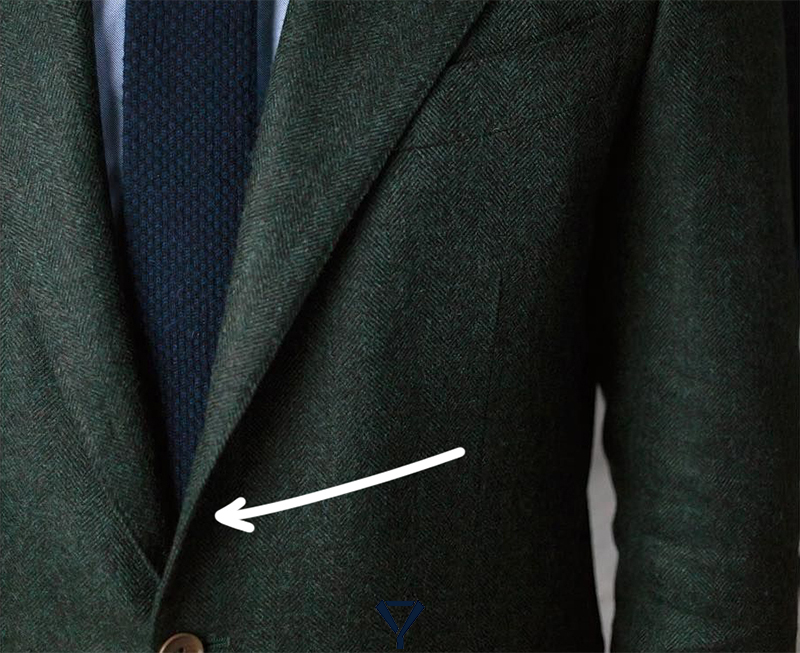
The break point is where the lapel folds away from the button closure. This determines how much of the lapel is visible and plays a key role in the jacket’s balance. A higher break point creates a more assertive, fashion-forward look, while a lower break point feels calmer and more conservative.
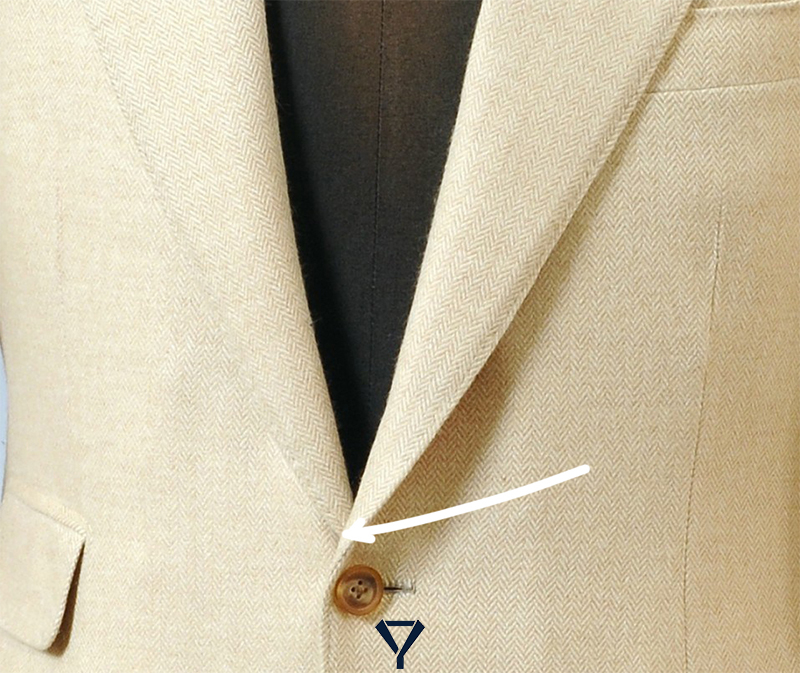
Roll: refers to how the lapel naturally curves from the collar down to the break point, rather than folding sharply. A soft, continuous roll is widely considered a hallmark of fine tailoring, giving the jacket an elegant, three-dimensional quality that machine-pressed lapels often lack.
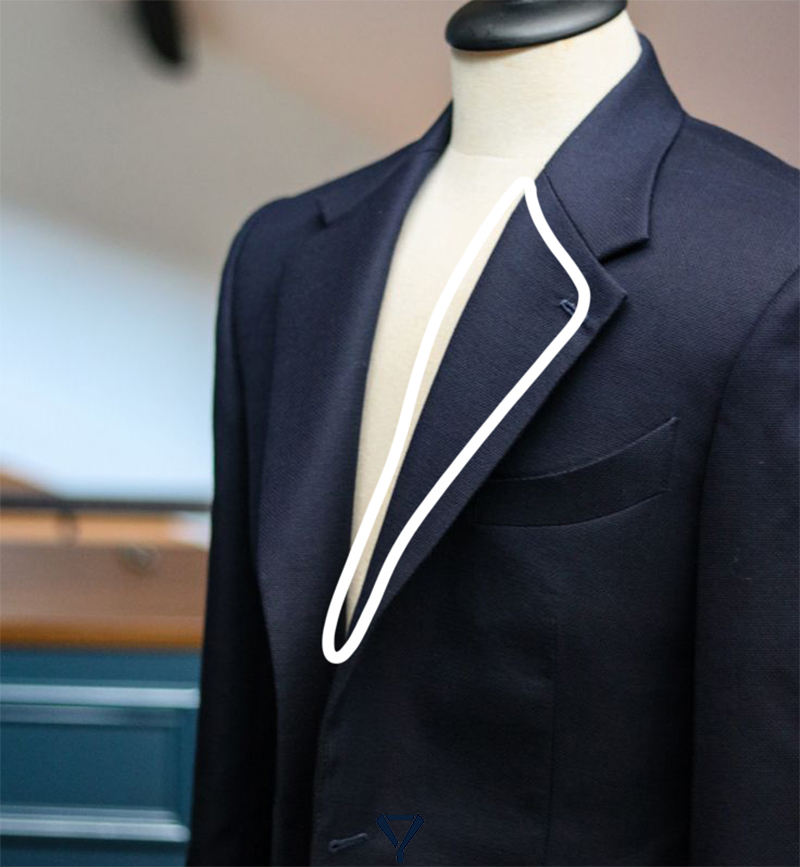
Width is measured from the gorge to the outer edge of the lapel. Lapel widths typically range from around 2.5 to 4 inches or more.
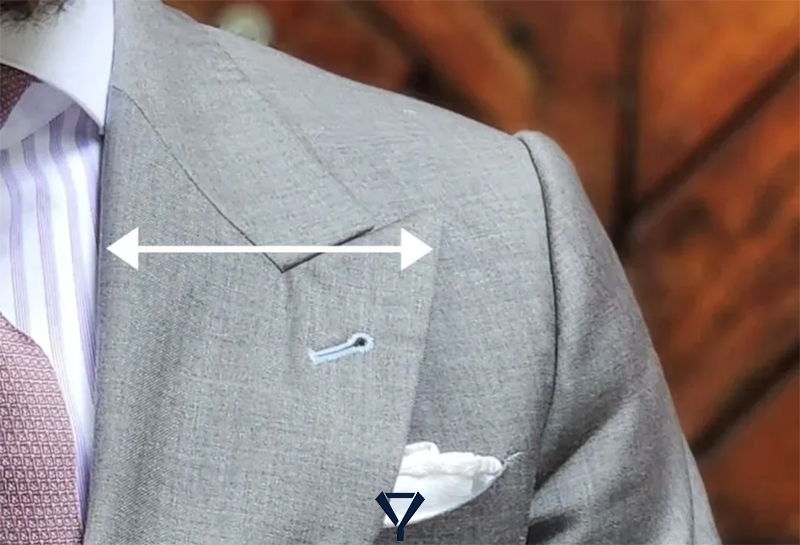
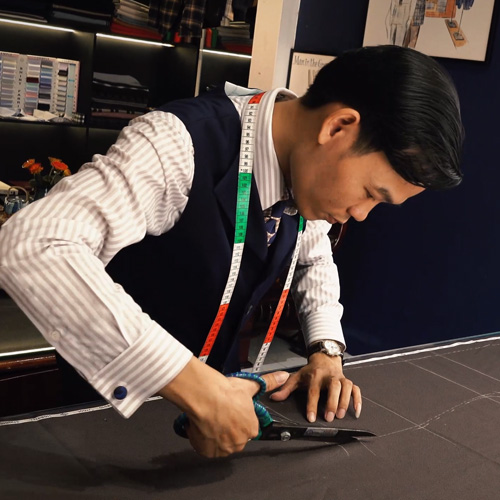
Behind all of this lies the construction of the lapel itself. A well-made lapel is built from multiple layers of fabric and canvas, often reinforced with horsehair to provide structure and resilience. In high-quality tailoring, lapels are shaped by hand stitching rather than heavy pressing. This technique produces a subtle ripple known as “roll and bloom,” adding depth, softness, and character.
4. Types of Suit Lapels
While the lapel may seem like a small detail, it’s one of the first things people notice in a suit. And it comes with a variety of shapes and forms, too.
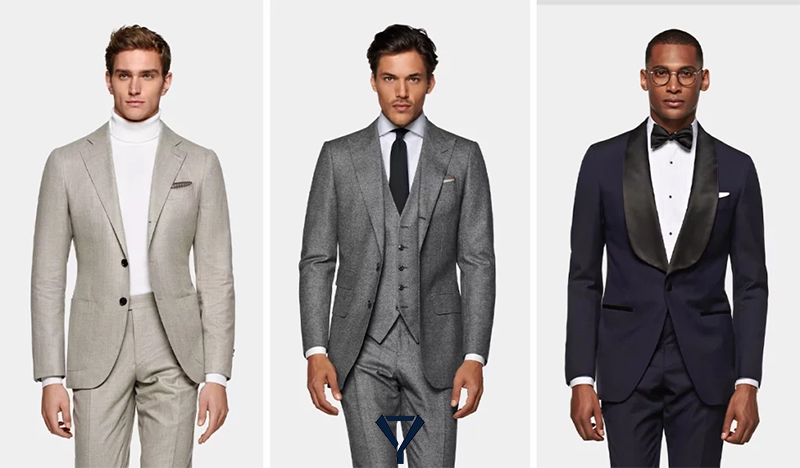
The Notch Lapel
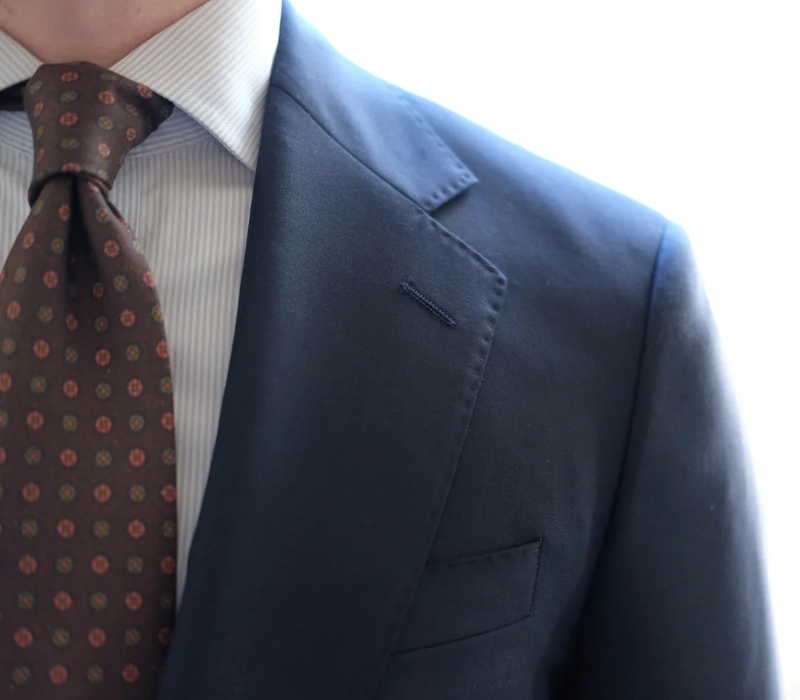
The notch lapel is the most common and versatile style, identified by the small cut-out or “notch” where the collar meets the lapel, which creates a visible notch where the collar meets the lapel at a 75-90 degree angle.
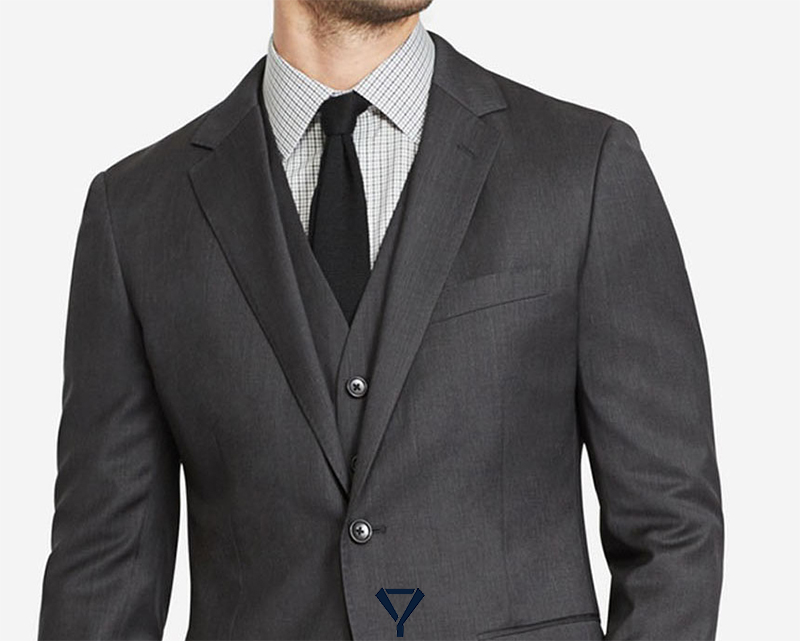
Notch lapels have been a cornerstone of men’s tailoring since the late 19th century. Emerging from earlier military uniforms and sporting jackets, they became firmly established as standard business wear during the Industrial Revolution. Their clean, practical, and unpretentious design suited the needs of the growing professional class, making the notch lapel the natural choice for everyday suits.
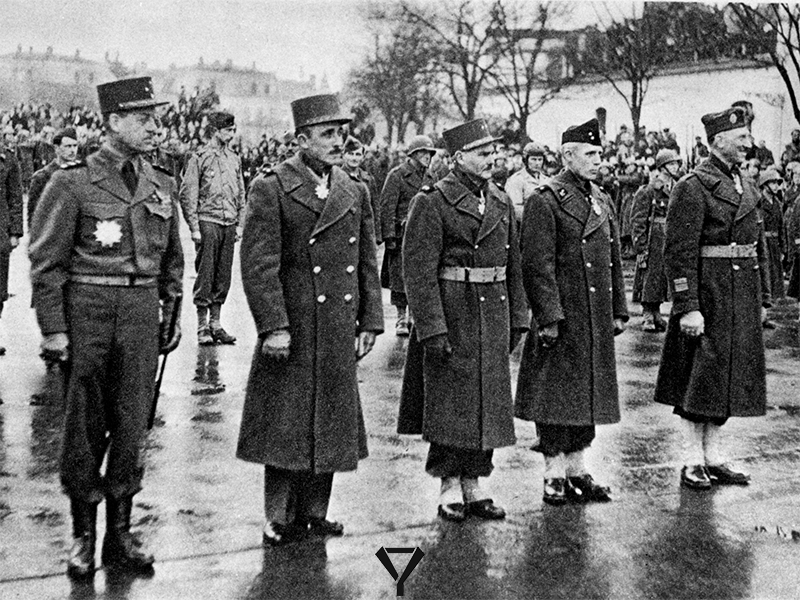
While the fundamental shape has stayed the same, the notch lapel has evolved through subtle shifts in width, angle, and proportion. Fashion cycles brought exaggeratedly wide lapels in the 1970s and sharply narrow versions in the early 2000s.
Today’s notch lapels typically favor balanced, moderate dimensions that feel neither overly trendy nor outdated. It is a staple of business suits, often seen on single-breasted jackets.
The Peak Lapel
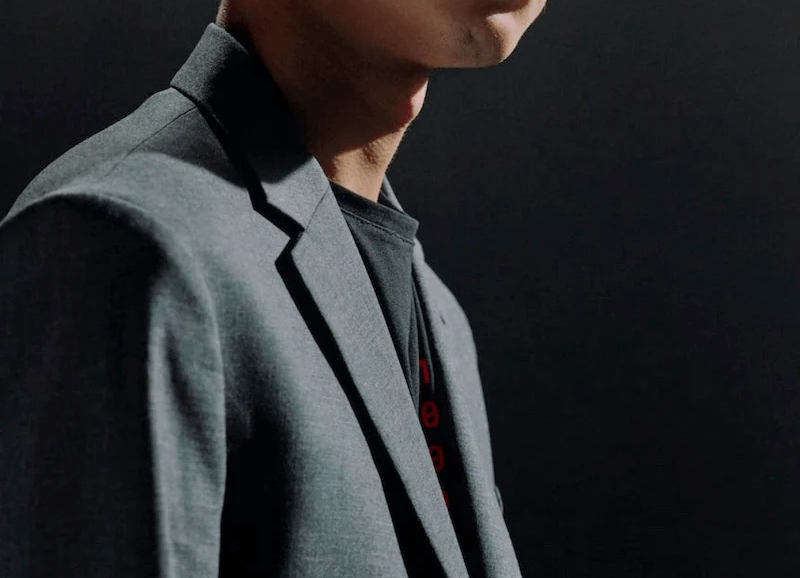
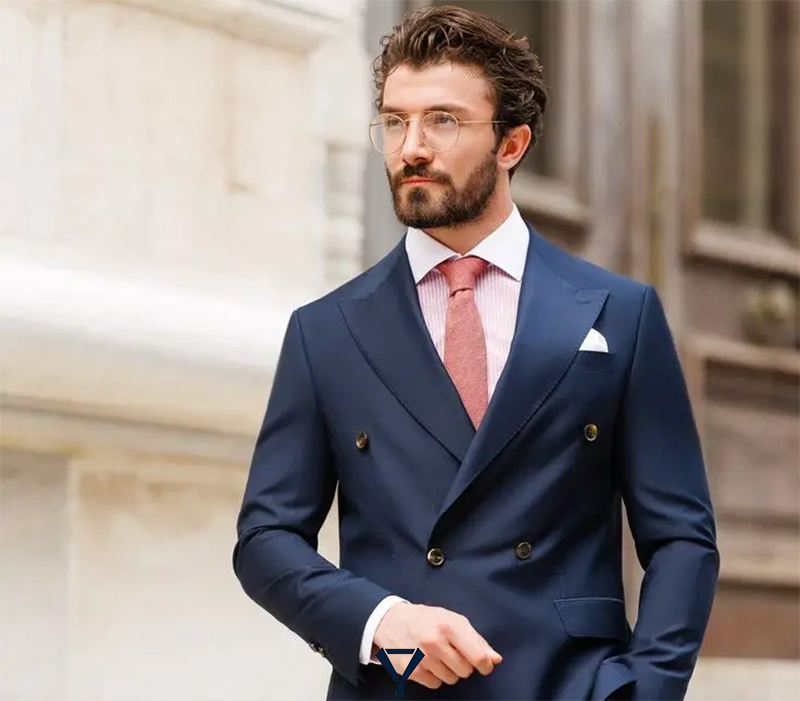
The peak lapel is distinguished by its sharp, upward-pointing edges that extend beyond the collar line. Bolder and more structured, the peak lapel adds a touch of power and confidence to the suit. Traditionally found on double-breasted jackets and formal suits, it’s a favorite among those who want to stand out.
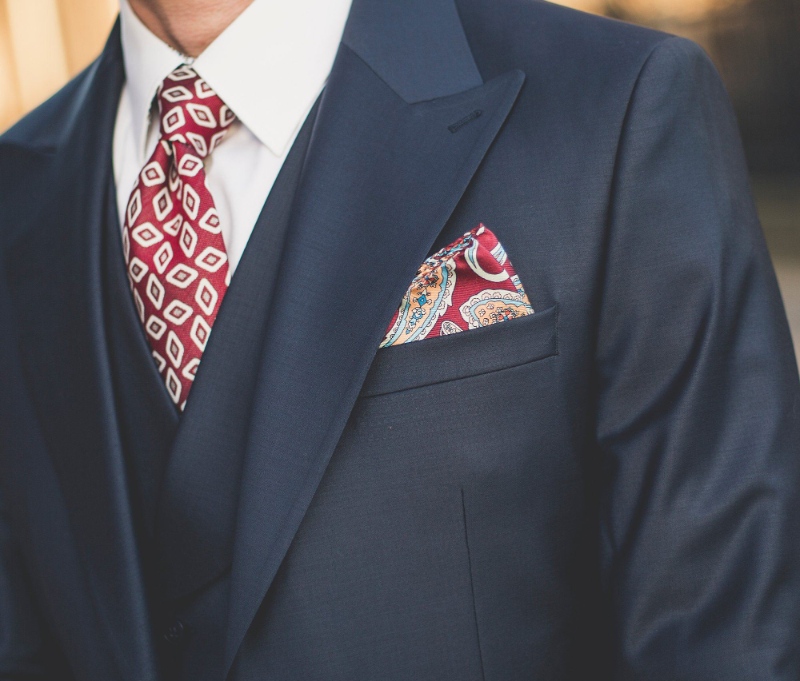
Peak lapels trace their origins to the military uniforms and formal court dress of the 18th and 19th centuries, where sharp lines and structured silhouettes conveyed authority and status. In their early history, peak lapels were reserved for the most formal garments, including tailcoats and morning dress, reinforcing their association with ceremony and prestige. By the early 20th century, they began to appear on double-breasted suits and select single-breasted jackets, signaling a shift toward greater elegance within everyday formalwear.
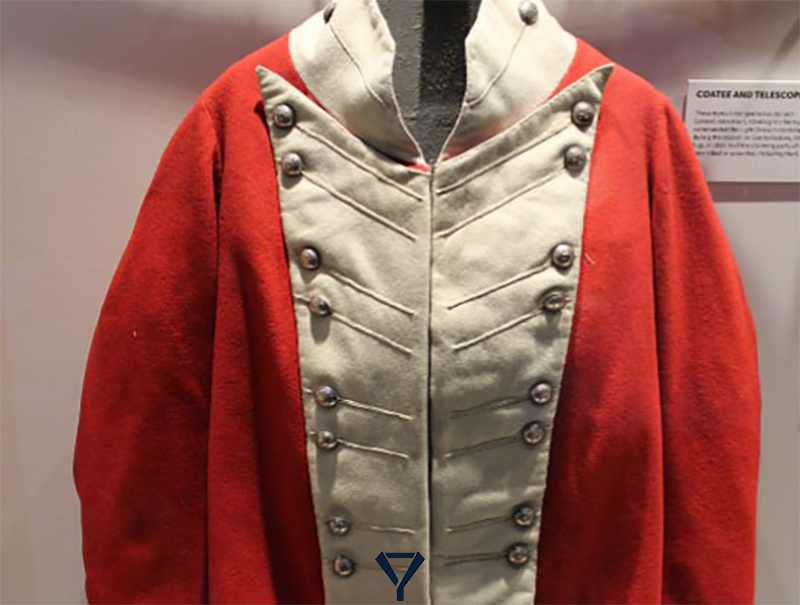
The style reached particular prominence during the Art Deco era of the 1920s and 1930s. Defined by bold geometry and strong vertical lines, peak lapels perfectly reflected the era’s confident, architectural aesthetic. Since then, they have remained a symbol of sartorial assurance and refinement, returning to prominence in periods that favor powerful silhouettes, expressive tailoring, and a renewed appreciation for traditional craftsmanship.
Today, this suit lapel can be found in formal occasions, at weddings, and boardrooms where a stronger visual presence is welcomed.
The Shawl Lapel
The shawl lapel is all about elegance and tradition, featuring a smooth, rounded edge with no notches or peaks. It’s most commonly associated with tuxedos and evening wear, offering a sleek, sophisticated look. It exudes refinement and is best reserved for black-tie events or formal dinners. When paired with a satin finish, it adds an unmistakable sense of luxury to the jacket.
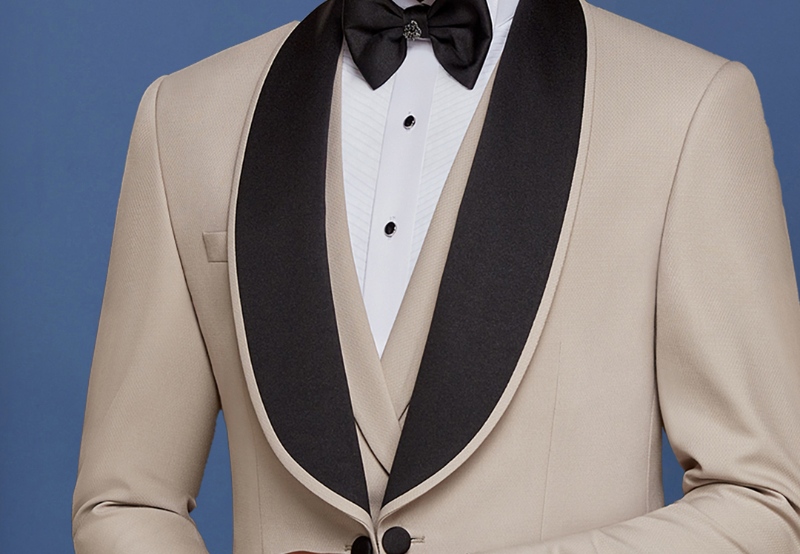
Shawl lapels originated in the smoking jackets and formal loungewear of the 19th century. Inspired by the soft, continuous collars of shawls, cardigans, and robes, they were designed to provide comfort and ease without sacrificing refinement. Unlike notched or peaked styles, the shawl lapel’s smooth, unbroken curve emphasized relaxation and elegance rather than structure.
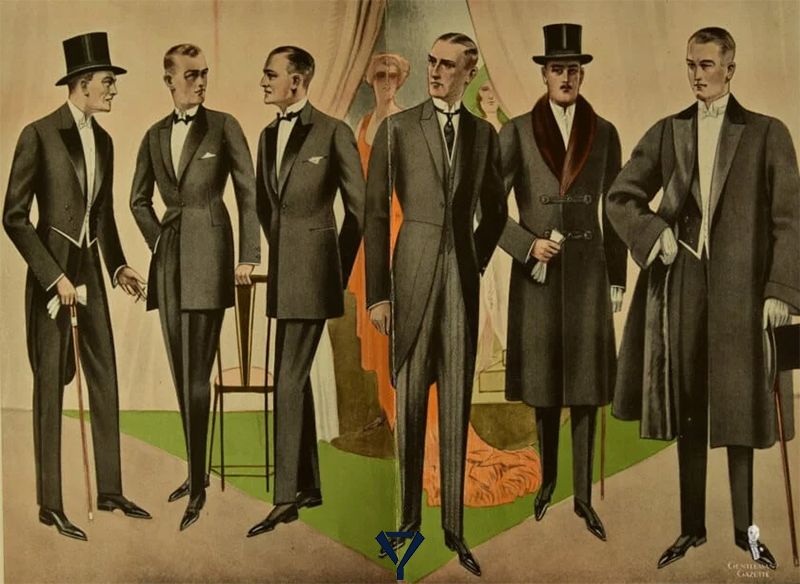
By the early 20th century, the shawl lapel had become firmly established as a defining feature of the dinner jacket, or tuxedo. Its status was further elevated during Hollywood’s Golden Age, when icons such as Fred Astaire and Humphrey Bogart popularized the style on screen, associating it with effortless sophistication and evening glamour. Since then, the shawl lapel has remained closely tied to formalwear, reappearing in the mainstream whenever classic, vintage-inspired elegance returns to fashion.
5. How to choose the right lapel for your body type
Choosing Lapels Based on Body Type
Athletic Build (broader shoulders, narrower waist)
Most lapel styles work well with this balanced physique. Medium-width lapels help maintain natural proportions, while peak lapels can further accentuate strong shoulders and enhance a V-shaped silhouette.
Slim Build
Moderate to slightly wider lapels add visual weight and presence to the upper body. Peak lapels are especially effective at creating the illusion of broader shoulders. Extremely narrow lapels should be avoided, as they can make the frame appear even slimmer.
Broader Build
Well-proportioned notch lapels provide visual balance and restraint. Avoid overly wide lapels, which can exaggerate width through the chest. Moderately sized peak lapels can work well by drawing the eye upward and elongating the torso.
Shorter Men
Proportion is key. Choose notch lapels that are neither too wide nor too narrow to maintain harmony with the jacket. Peak lapels can introduce vertical lines that add the impression of height, while gorge placement should remain proportional to overall stature.
Taller Men
Taller frames can comfortably carry wider lapels without appearing oversized. Peak lapels complement a longer torso particularly well, and higher gorge positions tend to look natural and well-balanced on a taller silhouette.
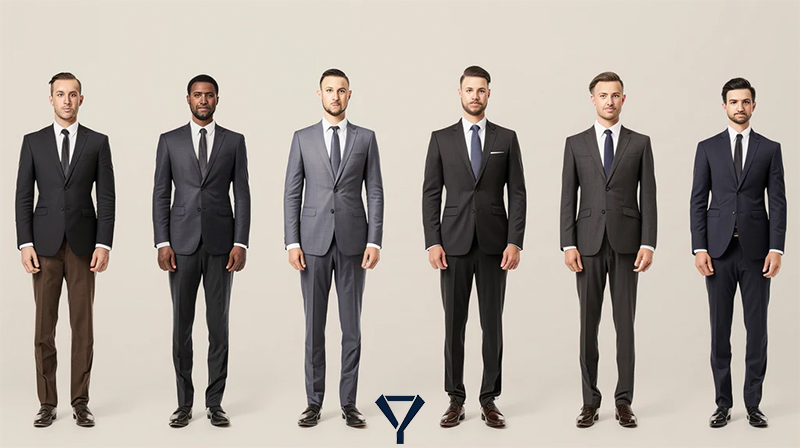
Face Shape Considerations
Round Face
Angular lapel styles help introduce contrast and structure. Notch and peak lapels with sharper lines work particularly well by adding definition to the face. Shawl lapels are best avoided, as their continuous curves can echo facial roundness and reduce visual balance.
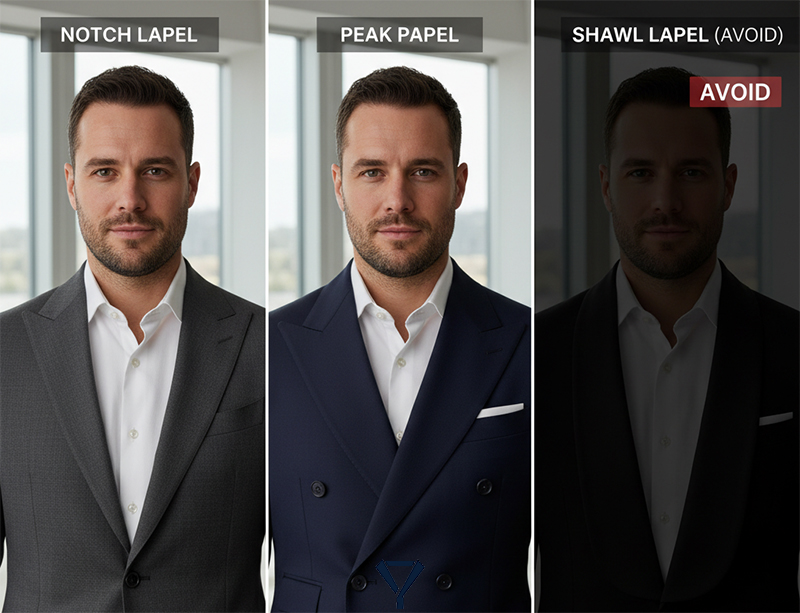
Angular or Square Face
Softer lapel shapes provide a flattering counterbalance to strong facial angles. Shawl lapels help smooth sharp features, while notch lapels with moderate openings maintain structure without appearing overly rigid. Extremely sharp peak lapels should be avoided, as they can exaggerate angularity.
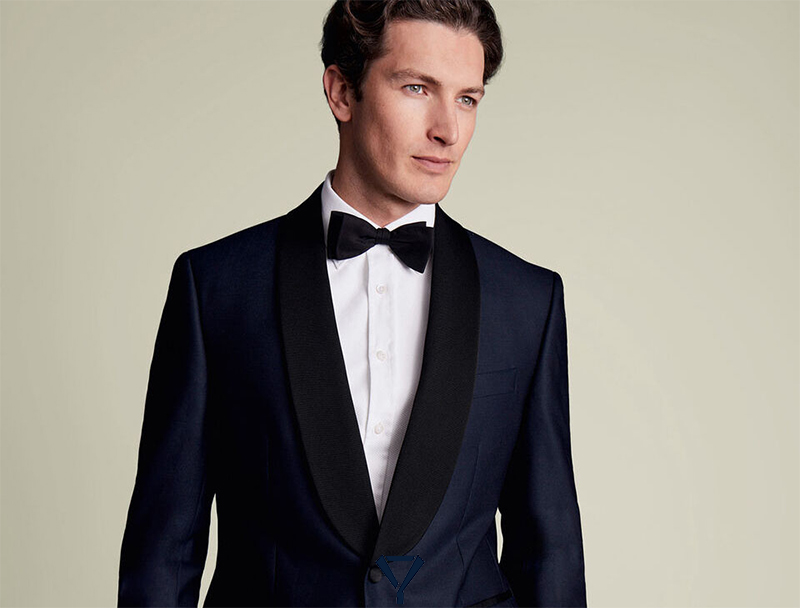
Oval Face
This is the most versatile face shape when it comes to lapels. All styles, be it notch, peak, or shawl, generally work well. The final choice should be guided by other factors such as body proportions, formality, and the occasion.
Long Face
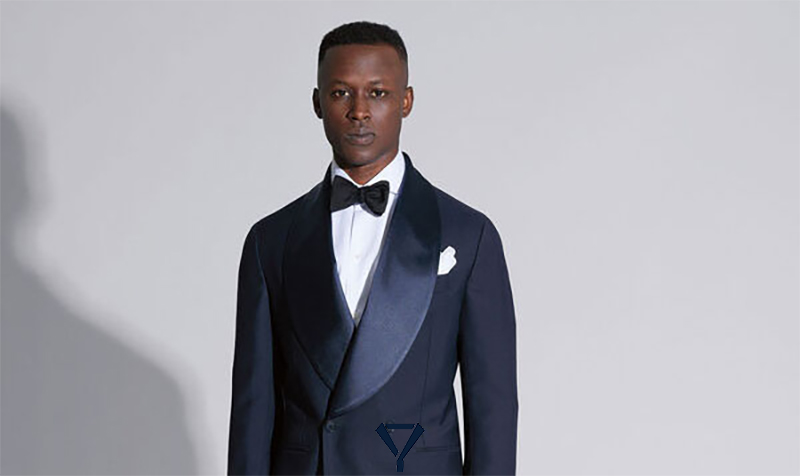
Wider lapels create a sense of horizontal balance, preventing the face from appearing overly elongated. Lower gorge placement also helps shorten vertical lines. Shawl lapels can be particularly effective, as their soft curvature reduces the emphasis on length and adds visual harmony.
6. How to Choose the Right Lapel for Different Occasions
Selecting the right lapel style depends on the occasion, the time of day, and the impression you want to convey. Each lapel carries its own level of formality and visual impact.
Weddings
For the Groom
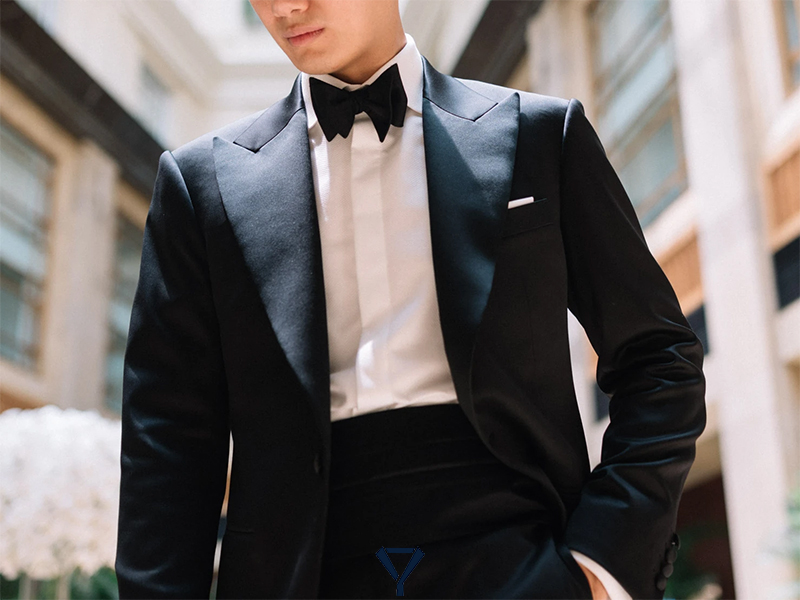
- Formal evening wedding: Peak lapel tuxedo or a sharply tailored peak lapel suit
- Daytime formal wedding: Peak lapel suit
- Semi-formal wedding: Notch or peak lapel, depending on personal style and venue
- Black tie wedding: Shawl lapel tuxedo or peak lapel tuxedo
For Groomsmen
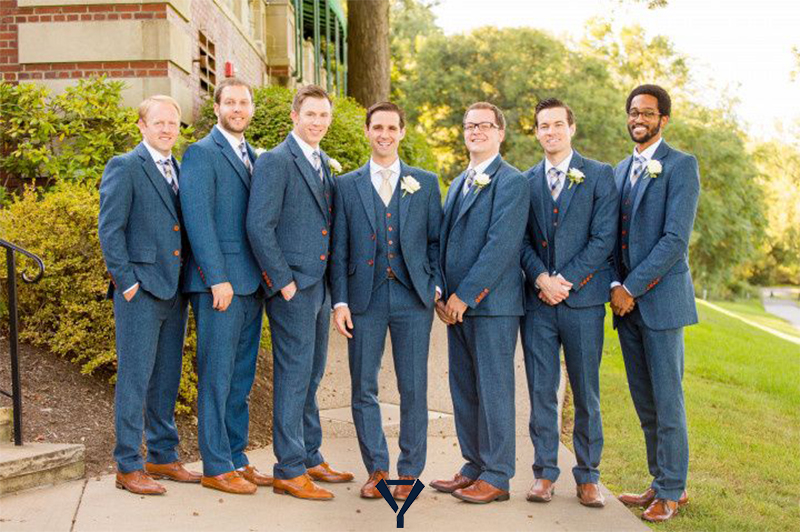
- Generally dressed one step down in formality from the groom
- Formal weddings: Notch lapel suits or understated tuxedos
- Casual or relaxed weddings: Notch lapel suits
For Guests
- Black tie specified: Shawl lapel or peak lapel tuxedo
- Formal attire: Notch or peak lapel suit
- Semi-formal or casual: Notch lapel suit
Business Settings
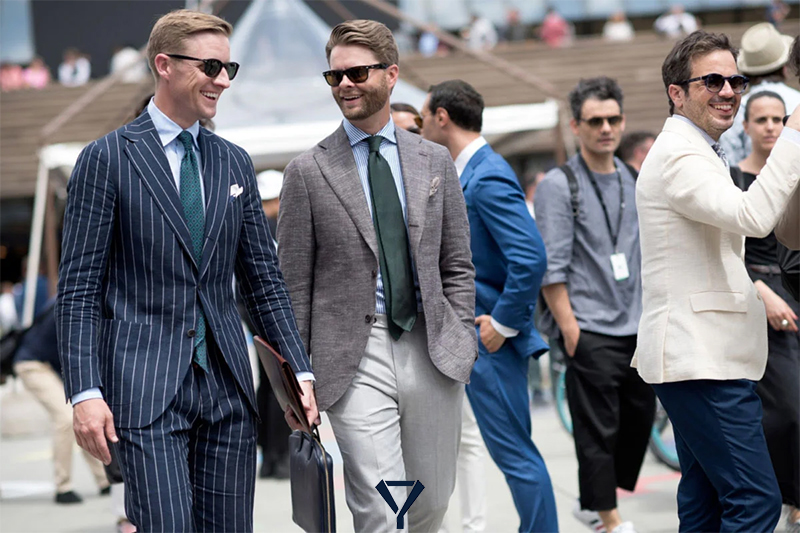
- Conservative industries (finance, law, consulting): Notch lapel suits for everyday wear; peak lapels reserved for important meetings, presentations, or senior-level engagements
- Creative industries: Greater flexibility. Notch lapels for daily professionalism, peak lapels when you want to project confidence and individuality
- Job interviews: Notch lapel suits are the safest choice, signaling reliability, competence, and good judgment without appearing overly bold
Black Tie Events
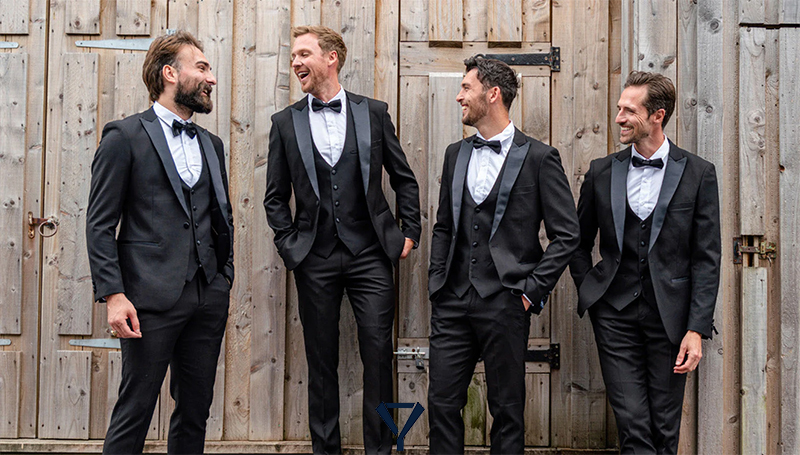
- Traditional black tie: Peak lapel tuxedo
- Classic with a softer edge: Shawl lapel tuxedo
- Creative or modern black tie: Either style works, with room for distinctive fabrics, textures, or subtle design details
Seasonal Considerations
- Summer events: Lighter fabrics pair best with notch lapels, keeping the look clean and breathable
- Winter formalwear: Heavier cloths complement the structure of peak or shawl lapels, enhancing depth and presence
- Year-round business wear: Notch lapels remain the most versatile and universally appropriate option
7. Lapel width: why it matters
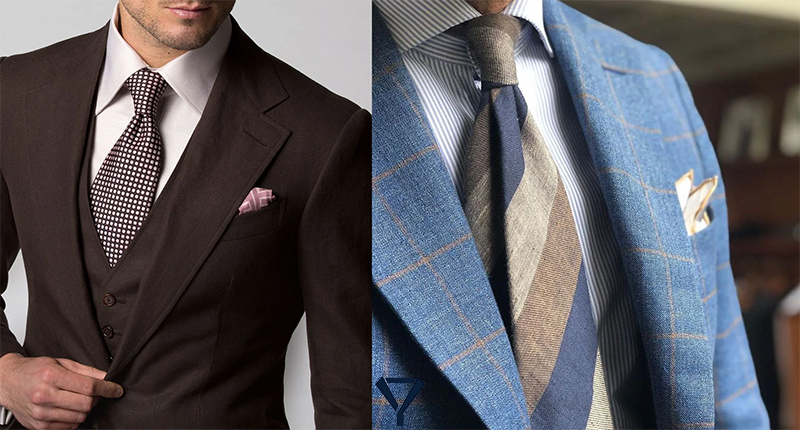
When we talk about a suit’s lapel, we often focus on style but often forget about an equally important thing. It is the width of the lapel itself. This small detail brings a big impact, shaping how the entire jacket looks and how it complements your body.
Lapel width generally falls into three categories: slim (2.25–2.75 inches), standard (3–3.5 inches), and wide (3.75+ inches). Each brings a different energy to the suit.
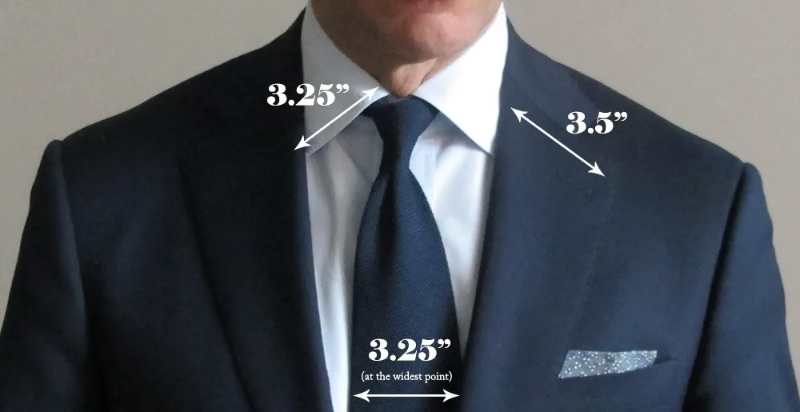
Slim lapels project a modern, fashion-forward look. Sharp and streamlined. They’re often seen in contemporary cuts and favored by slimmer builds.
On the other hand, wide lapels channel a more classic, confident style. They echo the tailoring traditions of the mid-20th century, exuding power and timeless elegance. Think of icons like Cary Grant or Al Pacino in The Godfather. Broad lapels were the standard of strength and refinement.
Modern style trends favor a medium lapel width, roughly 3 to 3.5 inches, as it offers the best of both worlds: contemporary appeal with a nod to classic tailoring. It works across most body types and is versatile enough for both business and formal occasions.
When choosing between these widths, besides your personal taste, balance is also an important key. The lapel should match the width of your shoulders and the proportions of the jacket. A narrow lapel on a broad chest can feel underwhelming, just as a wide lapel on a small frame may overwhelm the silhouette. A well-proportioned lapel visually balances the upper body, anchoring the jacket in harmony with the wearer’s build.
8. Common Mistakes to Avoid When Choosing Lapels
Mismatching the lapel with the shirt collar
One of the most overlooked details is the harmony between your lapel and shirt collar.
If your shirt has a wide spread collar, pairing it with a very slim lapel can throw off the balance. Likewise, a bold, wide lapel can overpower a small point collar. The lines of your shirt and suit should complement each other, not compete.
When in doubt, try the jacket on over your intended shirt and check the proportions in the mirror or with your tailor.
Choosing a lapel that doesn’t suit your body or style
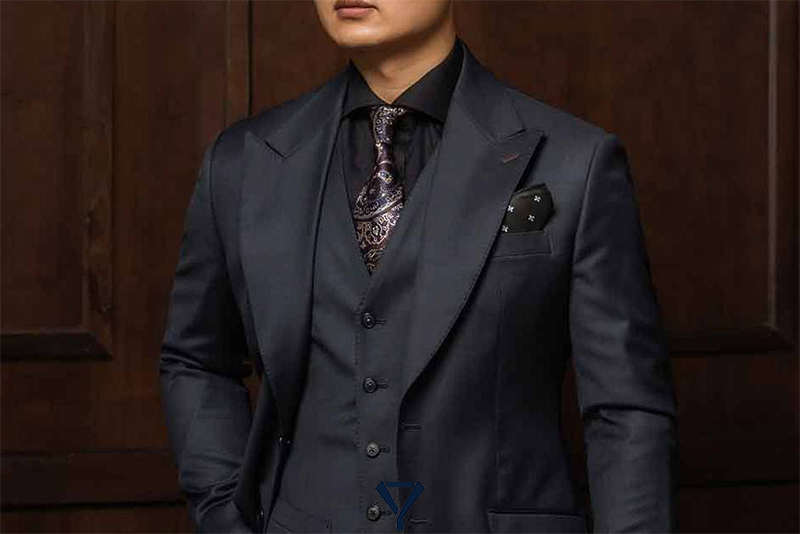
Lapel style should enhance your physique and align with your personal aesthetic. Wearing a wide peak lapel when you have a smaller frame might drown your silhouette. Similarly, a narrow lapel on a broad-chested man may look out of place or overly trendy.
Finding the lapel that fits your frame would reflect who you are and speak volumes about your style, fluently.
Wearing the wrong lapel for the occasion
Just like you wouldn’t wear sneakers to a formal gala, certain lapels are better suited for specific events. A shawl lapel, for example, is elegant but reserved for tuxedos and black-tie occasions. Wearing it to a business meeting would feel out of place.
Conversely, a notch lapel is perfect for the office, but might lack the presence needed at a formal evening event.
Understanding what a suit lapel is is more than just learning tailoring terms. It’s about recognizing the subtle details that define elegance, structure, and personal style in menswear. Whether you lean toward the timeless notch lapel, the bold peak, or the refined shawl, each choice speaks to the occasion and your individual character. A well-chosen lapel doesn’t just frame the suit; it frames the man. A fine small detail, but it can make a world of difference.
Image cre: Internet
Created from my passion for sartorial that I discovered through learning and working in the field, YOURSUITTREND is dedicated to providing in-depth knowledge, expert styling tips, and the latest trends in men’s tailored fashion. If you ever come to Vietnam, let’s grab a glass 🙂