In the world of men’s tailoring, trends often flicker like a passing flame, but the Drape Cut suit remains a steady, roaring fire and introduced a revolutionary concept: the luxury of space. Understanding this Drape Cut is a first step toward mastering the art of the “Golden Era” aesthetic. In this guide, we will dive deep into the anatomy, history, and styling secrets of the most romantic silhouette in tailoring history.
1. What Defines a Drape Suit Cut
In classic tailoring, the word drape does not mean looseness or excess, but refers to the controlled fullness of cloth, carefully distributed across the chest and shoulders to create a natural sense of flow and ease.
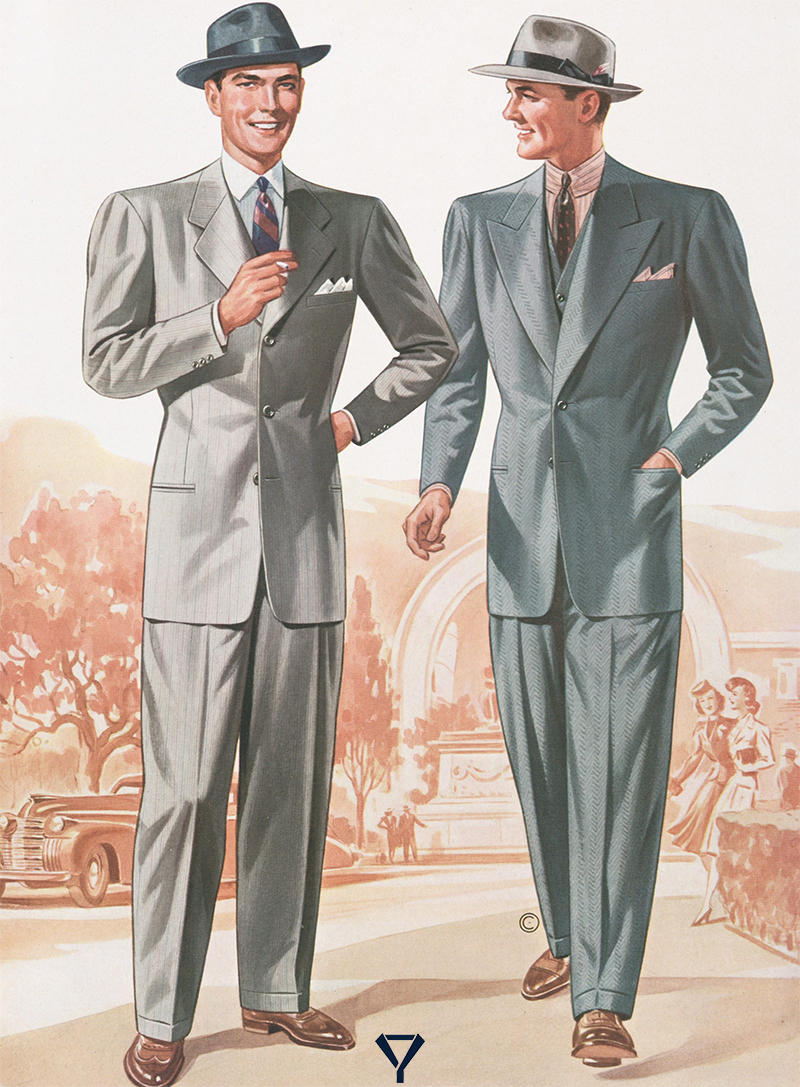
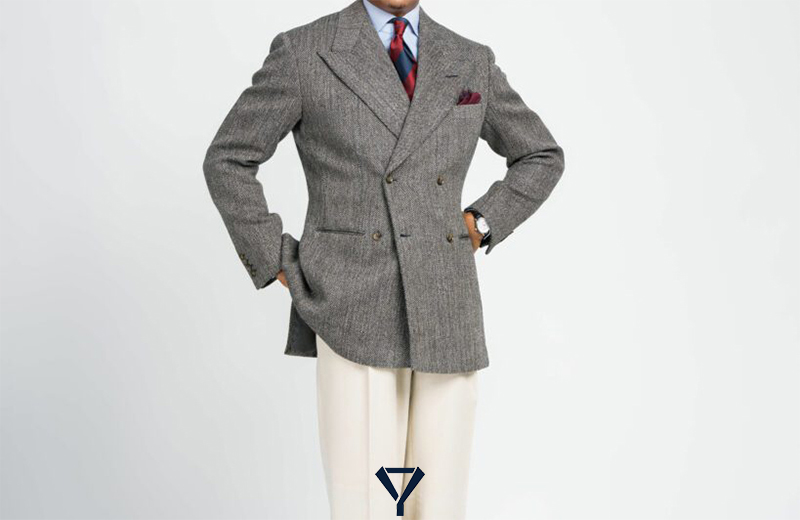
Emerged in the 1930s as a refined variation of the classic three-piece suit, the Drape Suit Cut, also often referred to as the London cut or blade cut, is closely associated with an athletic, masculine silhouette. A drape cut suit allows the fabric to fall softly from the shoulder line, forming gentle folds across the chest when the wearer moves.
The drape cut is not a wide or boxy fit. Every extra millimeter of cloth serves a purpose. The tailor adds fullness where the body needs room to breathe and movement to occur, then reins it back at the waist to maintain a clean, masculine silhouette. The result is a suit that feels alive on the body rather than restrictive.
2. The Birth and History of the Drape Cut
The drape cut suit was pioneered in the 1930s by Frederick Scholte, a Dutch-born master tailor working in London.
At the time, British tailoring was dominated by the military-inspired cut: structured, rigid, and built to project authority. Comfort was nowhere to be found in the equation. Scholte challenged this tradition. Instead of forcing the body into a stiff silhouette, he designed jackets that worked with the natural anatomy of the wearer. By introducing controlled fullness in the chest and higher armholes, he created a suit that allowed freedom of movement while maintaining an unmistakably elegant shape.
This approach marked a quiet revolution on Savile Row. The drape cut retained its structure but still softened it, replaced rigidity with balance, offering a new vision of masculine tailoring: confident, composed, and effortlessly comfortable.
The drape cut suit gained international recognition when it was adopted by Edward VIII, then Prince of Wales. His preference for relaxed yet refined tailoring transformed the drape cut from a technical innovation into a symbol of modern elegance.
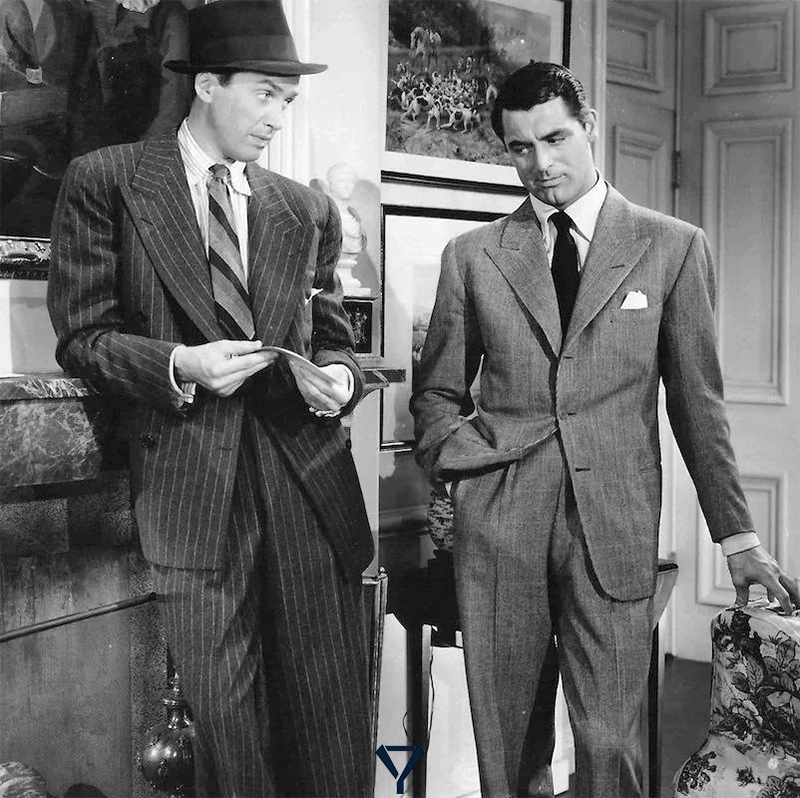
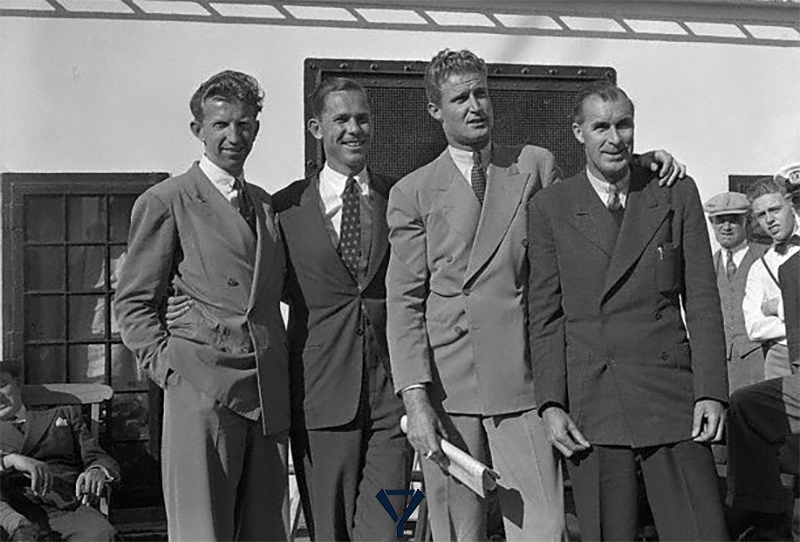
Soon after, the style crossed the Atlantic and became a defining feature of the Hollywood Golden Era. Actors such as Cary Grant and Clark Gable wore drape-cut suits that emphasized broad chests, clean waists, and fluid movement.
Through these cultural icons, the drape cut suit became more than a Savile Row specialty. It evolved into a timeless expression of classic menswear, one that continues to influence modern tailoring nearly a century later.
3. Key Characteristics of a True Drape Cut Suit
A true drape cut suit is defined not by exaggeration but by precision, with every element carefully balanced to create presence without rigidity, comfort without looseness.
The Chest
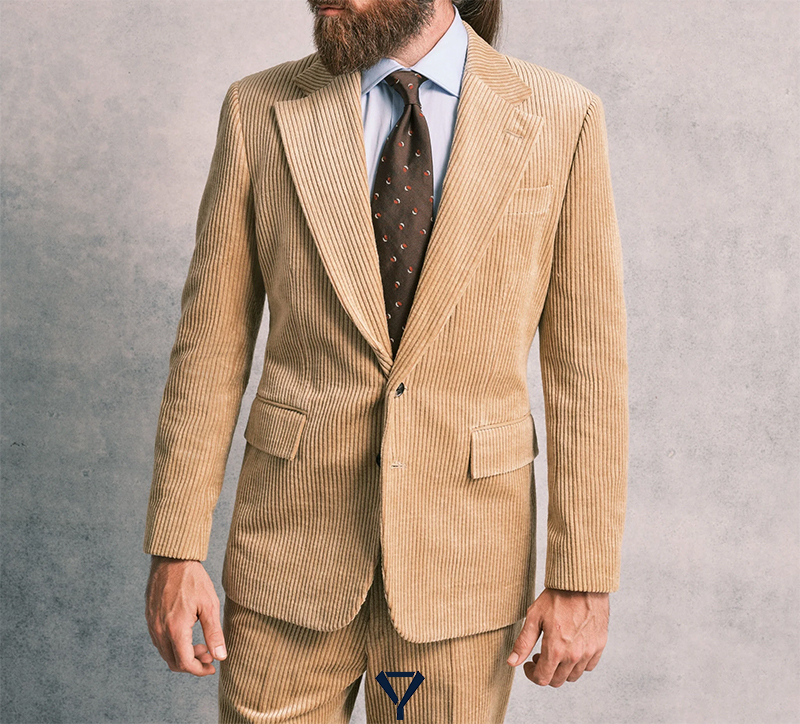
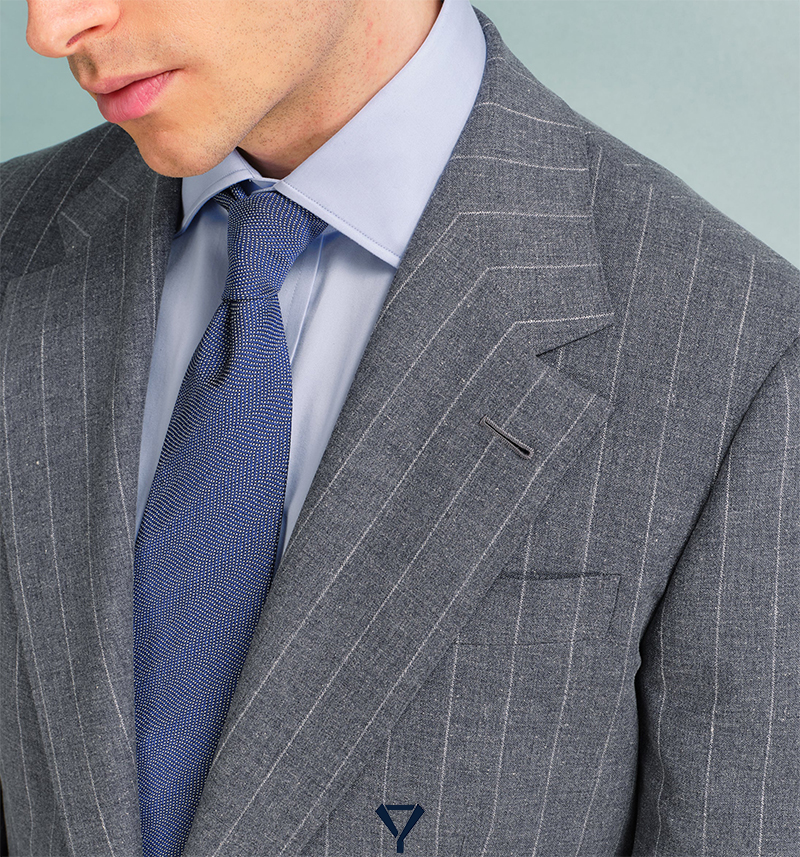
Unlike slim or rigid British cuts, the drape cut introduces a subtle allowance of extra cloth across the upper chest. This controlled fullness allows the fabric to fall naturally from the shoulders, creating gentle folds as the wearer moves. The effect is a powerful yet relaxed V-shaped silhouette.
The chest appears broader and more commanding, but never inflated or stiff. When done correctly, the fullness is barely noticeable at rest and only reveals itself in motion.
Crucially, this fullness is engineered, not accidental. It is shaped through careful cutting and internal structure, ensuring the jacket remains clean and elegant rather than loose or baggy.
The Shoulders
Shoulders in a drape cut suit are designed to project strength without severity, which is typically lightly padded or naturally constructed. The design avoids the sharp, militaristic lines of traditional British tailoring.
The shoulder line often extends slightly beyond the wearer’s natural shoulder, enhancing presence and balance while maintaining comfort. This subtle width works in harmony with the fuller chest, reinforcing the masculine proportions of the jacket.

The Waist
To counterbalance the fuller chest, the waist of a drape cut suit is gently suppressed. This nipped waist creates a clear visual contrast between the upper and lower body, refining the silhouette without forcing it.
The suppression is deliberate but restrained. The jacket skims the torso rather than clinging to it, ensuring comfort while preserving a sharp outline. This balance is what gives the drape cut its signature elegance: structured, yet unstrained.
When viewed from the side or back, the waist shaping enhances posture and flow, contributing to a silhouette that feels composed rather than engineered.
Armholes, Sleeves, and Trousers
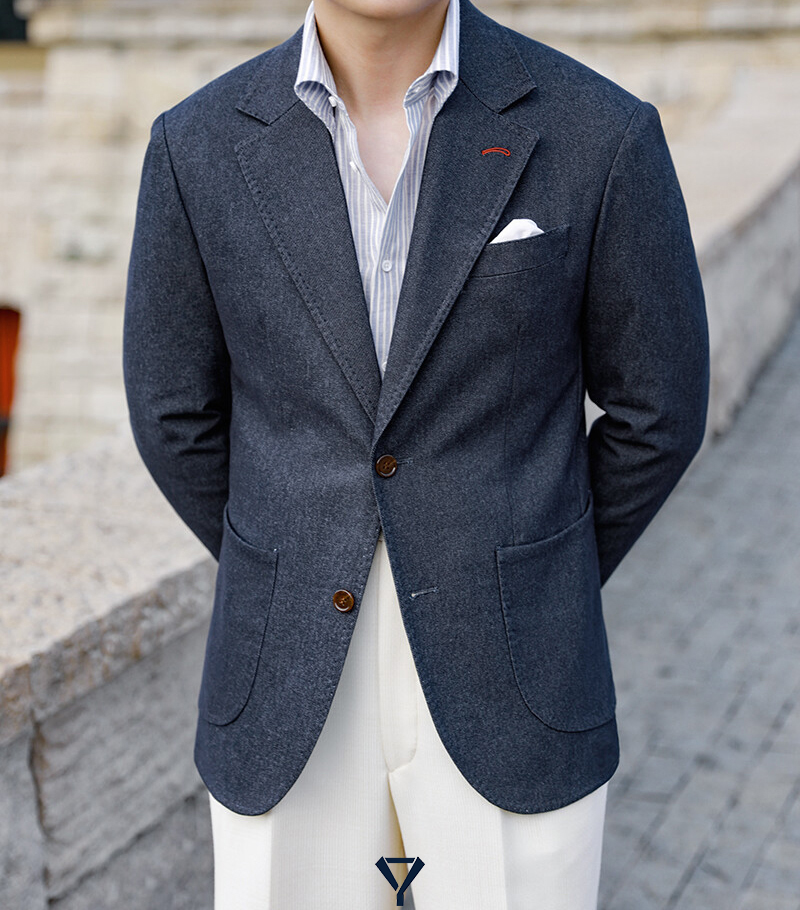
A hallmark of quality drape cut tailoring is the high armhole. By raising the armhole, the jacket allows greater freedom of movement without disturbing the body of the coat. The wearer can move naturally while the jacket remains stable.
Sleeves are cut with moderate width, avoiding both tightness and excess. They complement the fuller chest and structured shoulders, maintaining visual harmony throughout the jacket.
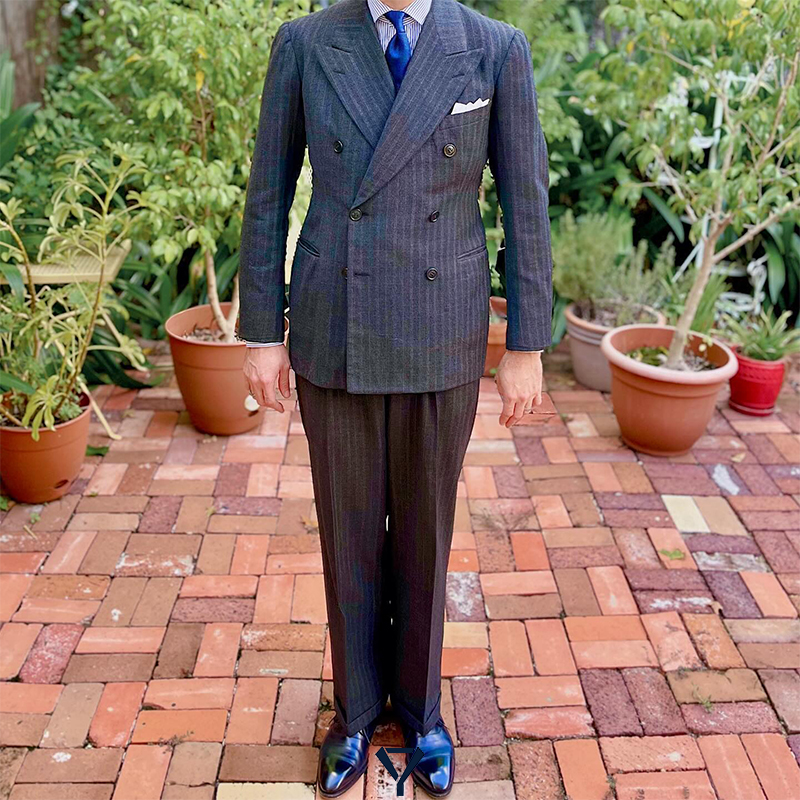
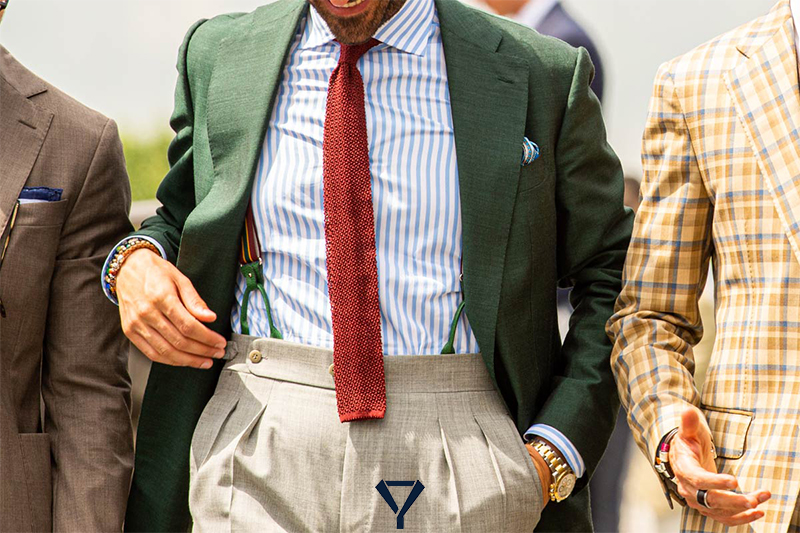
Trousers paired with a drape cut jacket are typically pleated, either single or double pleats, which echoes the philosophy of controlled fullness. It allows the fabric to drape cleanly from the waist and move comfortably with the body. Slim or overly narrow trousers would disrupt this balance, undermining the integrity of the overall look.
4. Why Modern Men Still Choose the Drape Cut Suit
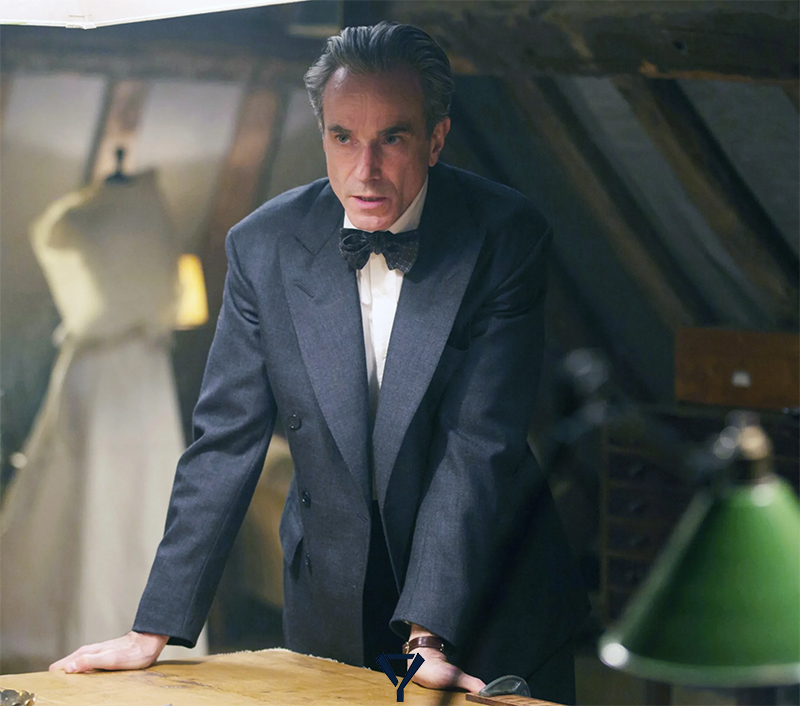
In an era dominated by slim silhouettes and fast-changing trends, the drape cut suit continues to hold a quiet but enduring appeal.
Unmatched Comfort
Unlike slim-fit tailoring, which often restricts movement and exaggerates tension across the chest and shoulders, a drape cut suit is designed to move with the body, not against it.
The controlled fullness in the chest and the higher armholes allow for natural motion without pulling or distortion. At the same time, the structure remains intact, preserving a clean and composed appearance.
Compared to traditional military-style British cuts, the drape cut feels way softer. It replaces rigidity with balance, offering structure without stiffness. The result is a suit that feels reassuringly substantial, yet never oppressive.
Flattering for Many Body Types
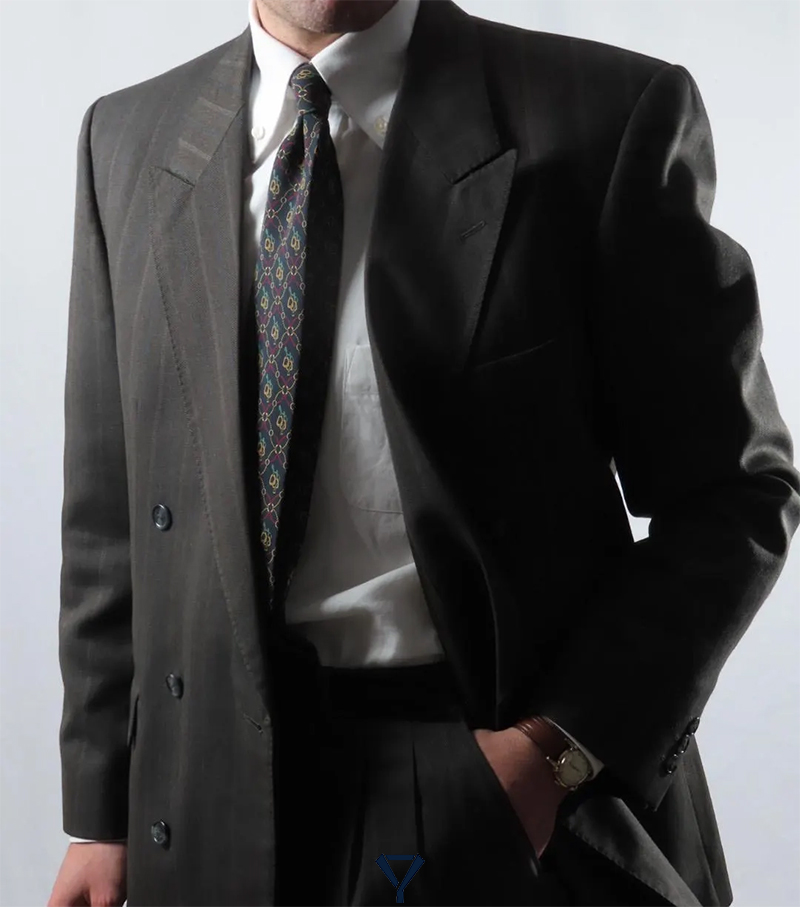
The drape cut suit is remarkably forgiving and adaptable across a wide range of physiques.
For men with a slimmer build or narrower frame, the added fullness in the chest creates the illusion of a broader upper body, enhancing masculine proportions without artificial padding. The shoulders appear stronger, the torso more substantial, yet still natural.
For men with a fuller midsection, the drape cut offers an equally refined solution. The controlled drape across the chest draws attention upward, while the gently suppressed waist skims over the body rather than clinging to it. This subtle shaping helps disguise the waistline without resorting to loose or shapeless tailoring.
A Truly Timeless Aesthetic
Perhaps the most compelling reason the drape cut suit endures is its timelessness. It is not designed to chase trends or exaggerate fashion statements. Instead, it reflects a philosophy of dressing that values proportion, restraint, and longevity.
The drape cut has remained relevant for nearly a century because it adapts gracefully to different eras while preserving its core principles. A well-made drape cut suit looks as appropriate today as it did in the Golden Age of tailoring. And it will continue to do so long after current trends fade.
5. How a Drape Cut Suit Should Fit
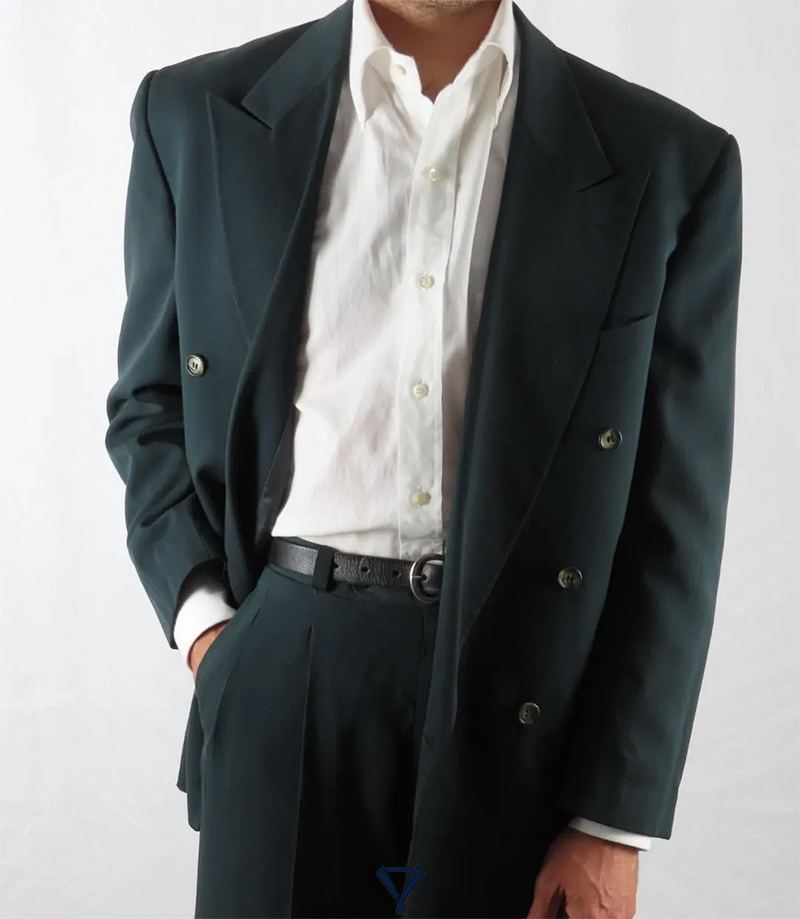
A drape cut suit is often misunderstood as being “looser” than other styles. In reality, its fit is precisely calibrated. The goal is not excess, but balance, allowing the fabric to flow naturally while maintaining a composed, authoritative silhouette.
Jacket Proportions
The jacket of a drape cut suit should never feel tight across the chest. When properly fitted, the chest has enough room to allow the fabric to fall cleanly from the shoulders without pulling, tension, or visible strain. At rest, the jacket appears smooth and controlled; in motion, it reveals subtle drape rather than resistance.
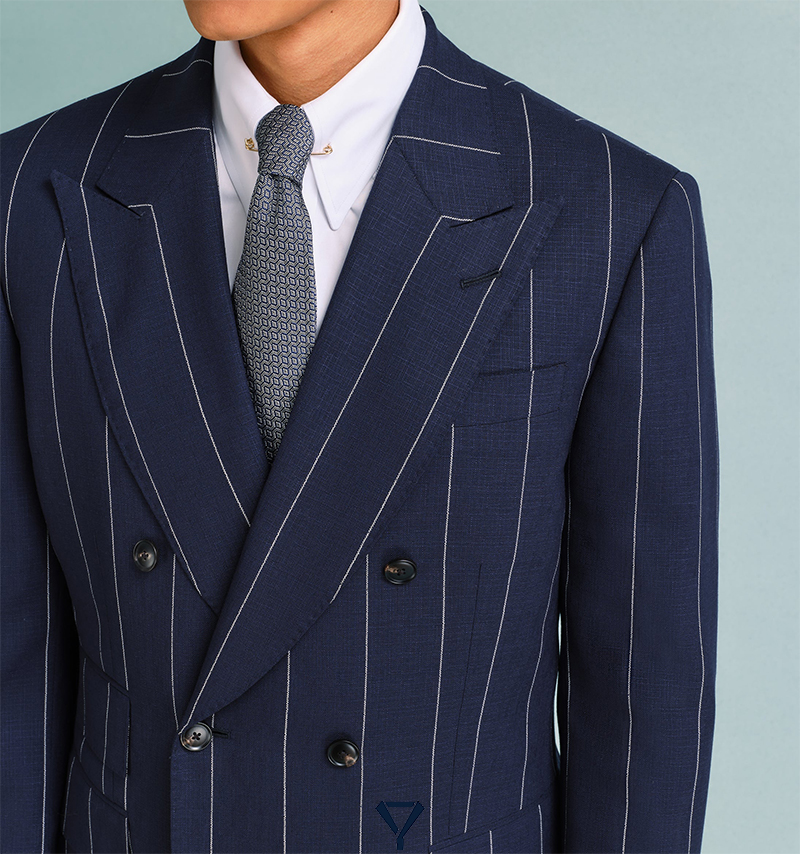
Lapels play a crucial role in reinforcing this balance. They are typically medium to wide, proportioned to complement the fuller chest and structured shoulders. Narrow lapels would appear underpowered, while overly wide ones risk exaggeration.
Jacket length is equally important. A drape cut jacket should offer natural coverage to balance the torso and seat without appearing long or old-fashioned. When viewed from the side, the jacket should create a continuous, uninterrupted line, allowing the silhouette to remain calm and confident.
Trousers and Overall Balance
Trousers are typically cut with a moderate width through the leg, often featuring single or double pleats. These pleats are not decorative; they provide room and movement, echoing the controlled fullness of the jacket above.
The rise and leg opening should feel comfortable and proportional, allowing the trousers to drape cleanly from the waist without clinging to the thighs or calves. This creates a visual continuity between the upper and lower body, reinforcing the relaxed authority of the overall look.
Skinny or overly narrow trousers should be avoided. While they may feel modern, they disrupt the harmony of the drape-cut suit by introducing tension and visual imbalance. A drape cut thrives on flow, not compression.
6. Best Fabrics for a Drape Cut Suit
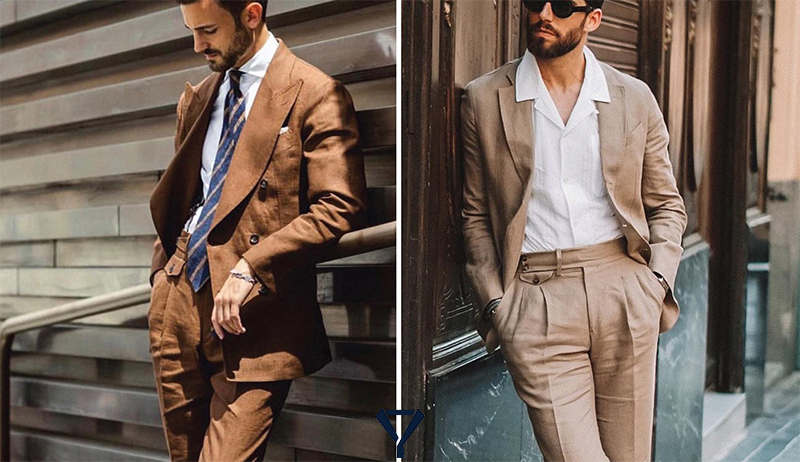
A drape cut suit lives or dies by its fabric. Even the most skilled cutting cannot compensate for cloth that lacks body, resilience, or depth. To achieve the signature controlled fullness of a drape cut, the fabric must have weight, structure, and the ability to fall cleanly under its own gravity.
Lightweight fabrics (especially those under 9 ounces) may feel breathable and modern, but they lack the mass needed to fall cleanly and hold controlled fullness. Instead of forming an elegant drape across the chest, lighter cloths tend to cling, crease, or collapse. This often results in a jacket that appears shapeless at rest and strained in motion.
Below are a few best suit fabrics that are usually used for a drape cut:
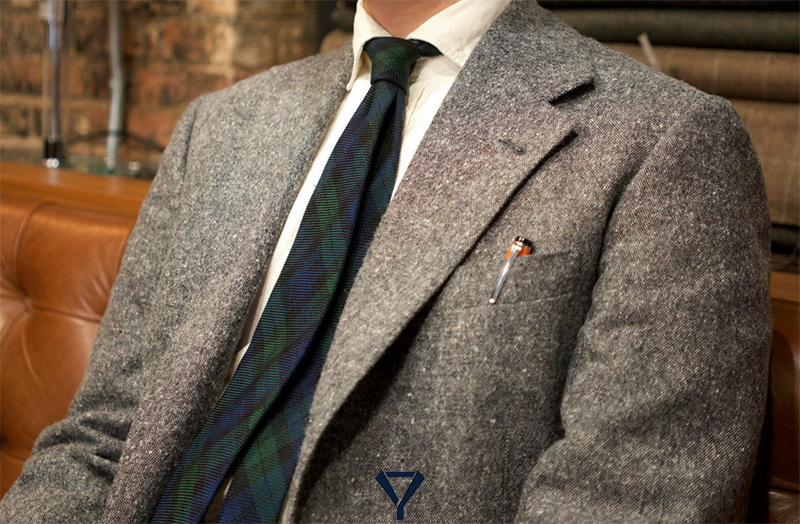
Flannel Wool
Flannel wool is one of the most traditional and reliable choices for a drape-cut suit. Its softly brushed surface provides natural body while remaining pliable, allowing the fabric to form gentle folds across the chest without appearing stiff.
Flannel responds exceptionally well to structured tailoring. It holds shape through the shoulders and chest, yet relaxes gracefully in motion, exactly what a drape cut requires. This balance makes flannel particularly suitable for autumn and winter suits, where visual depth and warmth add to the sense of refinement.
Medium to Heavy Weight Wool
For a drape cut suit, fabric weight matters. Medium to heavy-weight wool (typically in the range of 11 to 14 ounces) offers the necessary substance to support controlled drape.
Heavier wool allows the jacket to fall cleanly from the shoulder line, creating a smooth front with natural fullness rather than collapse. It also improves durability and shape retention, ensuring the suit maintains its form throughout the day.
Contrary to common belief, heavier wool does not necessarily mean discomfort. When properly tailored, it regulates temperature well and often feels more reassuring on the body than lighter, unstable cloths.
Lightweight Tweed
Lightweight tweed, when carefully selected, can also work beautifully for a drape cut suit. While traditional tweed is often associated with country wear, finer and lighter versions offer excellent draping qualities combined with character and texture.
Tweed’s natural spring and irregular weave give the jacket structure without rigidity. This makes it particularly effective for relaxed drape cuts intended for less formal settings, where elegance is expressed through texture rather than polish.
7. How to Style a Drape Cut Suit
Styling a drape cut suit is not about decoration, but alignment. All of the suit components must support the natural balance between structure and softness.
Shirts and Collars
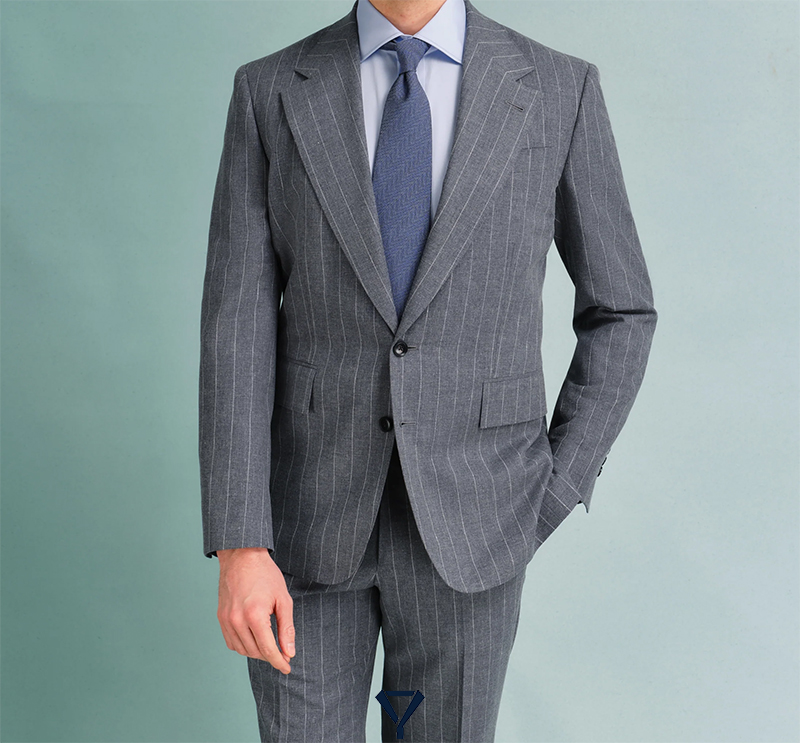
A drape cut suit calls for shirts with presence at the collar. Because the jacket features a fuller chest and often wider lapels, the shirt must visually hold its own.
Spread collars and cutaway collars are the most natural companions. Their wider opening frames the tie knot properly and balances the proportions of the upper body. Narrow point collars, by contrast, tend to look underscaled and can disrupt the harmony of the silhouette.
The shirt itself should be clean and structured without stiffness. Crisp poplin works well for formal settings, while twill or Oxford cloth can soften the look for daily tailoring.
Ties, Accessories, and Shoes
Ties for a drape cut suit should be medium to wide in blade, echoing the strength of the lapels and the fullness of the chest. A tie that is too slim introduces unnecessary tension and feels stylistically out of place.
Classic materials like silk twill, grenadine, or wool are particularly well-suited, as they add texture without distraction. Patterns should remain restrained, allowing the architecture of the suit to remain the focal point.
Pocket squares are best kept minimal. A simple white linen square, neatly folded, reinforces the suit’s elegance without competing for attention. In drape cut suit styling, restraint is not absent, as it is the intention.
Footwear should follow the same principle. Oxford cap-toe shoes remain the most formal and traditional option, especially for business or evening wear. Derby shoes offer a slightly softer expression while maintaining authority. For more relaxed settings, classic loafers can work beautifully with a drape cut suit.
When and Where to Wear It
The drape cut suit is remarkably versatile, provided the context is appropriate.
It excels in high-end business environments, where comfort must coexist with presence. The suit’s ability to project authority without rigidity makes it ideal for long working days, meetings, and formal engagements.
It is equally at home at evening events and formal occasions, where its sculpted chest and refined silhouette come into their own under tailored lighting and careful styling.
Perhaps most importantly, the drape cut suit shines in classic daily tailoring.
8. Drape Cut Suit vs Other Suit Styles
| Feature | Drape Cut Suit | Slim Fit Suit | Classic Fit Suit |
|---|---|---|---|
| Chest Shape | Fuller chest with controlled drape | Very close-fitting, minimal allowance | Moderately fitted, balanced |
| Overall Feel | Comfortable, authoritative, refined | Modern, sharp, youthful | Traditional, conservative |
| Freedom of Movement | Excellent due to added chest room and high armholes | Limited can feel restrictive | Moderate |
| Silhouette | Strong V-shape with natural flow | Narrow, streamlined silhouette | Straight, understated lines |
| Tailoring Difficulty | Very high (best achieved through bespoke tailoring) | Low to medium | Medium |
| Body Type Suitability | Ideal for slim builds or men seeking stronger proportions | Best for slim, athletic frames | Works for most average builds |
| Timelessness | Extremely timeless | Trend-dependent | Timeless but less expressive |
Conclusion
A drape cut suit is not designed to impress at first glance, nor to chase seasonal trends. Its value reveals itself over time: in the way the fabric moves, in the comfort it offers throughout the day, and in the quiet confidence it lends to the wearer. By balancing structure with softness, the drape cut suit flatters the body through proportion rather than force, allowing a man to look composed without feeling constrained.
For those who appreciate classic tailoring and seek a suit that will remain relevant for decades, the drape cut suit stands as a thoughtful choice. It is not merely a style, but a philosophy.
Created from my passion for sartorial that I discovered through learning and working in the field, YOURSUITTREND is dedicated to providing in-depth knowledge, expert styling tips, and the latest trends in men’s tailored fashion. If you ever come to Vietnam, let’s grab a glass 🙂