
Many men wear a suit regularly, yet still feel that something looks off. The suit may be expensive, the color may be classic, but the overall appearance lacks sharpness, confidence, or balance. There is something still missing. In this complete guide, we’re gonna pinpoint exactly what is wrong. You will learn how to wear a suit correctly and confidently. We will walk through the essential rules of fit, fabric, color, and styling, help you avoid common suit mistakes, and show you how to wear a suit properly for different occasions. By the end of this article, you’ll not only look better in a suit, but also feel more comfortable and self-assured every time you wear one.
1. Understanding the Basics of a Suit
A suit is a coordinated set of clothing that includes a jacket and trousers made from the same fabric, color, and pattern. This uniformity is what separates a suit from other forms of menswear and gives it a clean, polished, and intentional appearance. When worn correctly, a suit creates a structured silhouette that enhances the wearer’s posture and overall presence.
There are several common suit styles, each serving a different purpose and level of formality. By understanding these suit types, you’ll be better equipped to choose the right option and truly master how to wear a suit for any situation.
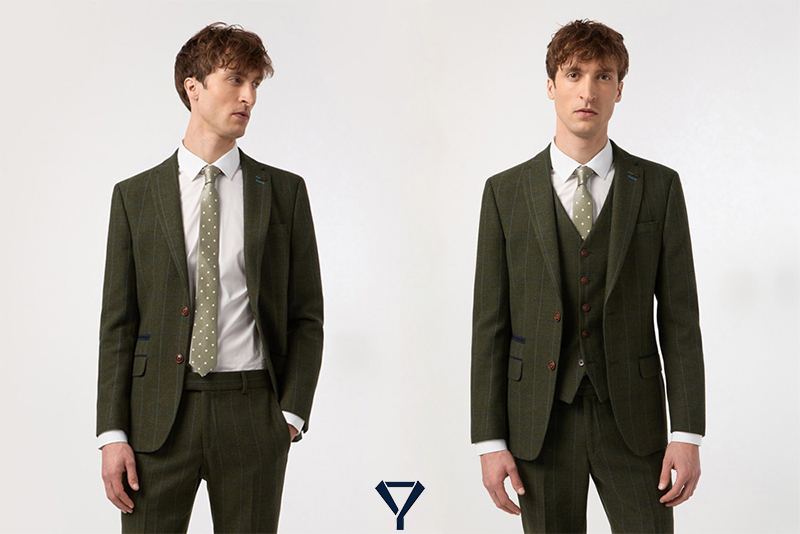
Two-Piece Suit: This is the most common type of suit, consisting of a jacket and trousers. It is versatile, easy to wear, and suitable for business, formal events, and even smart-casual settings, depending on the fabric and styling.
Three-Piece Suit: In addition to the jacket and trousers, this suit includes a matching waistcoat. A three-piece suit offers a more refined and traditional look, making it ideal for weddings, formal occasions, or situations where you want to appear especially polished.
Single-Breasted Suit vs Double-Breasted Suit:
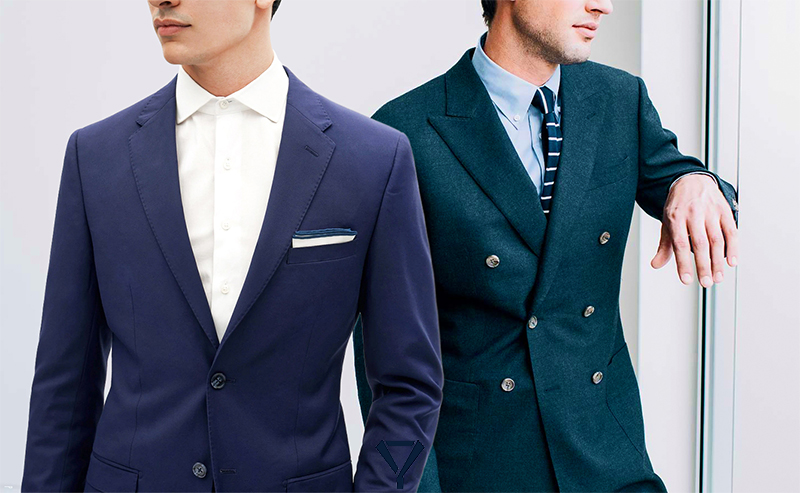
- A single-breasted suit has one column of buttons and is the most popular choice due to its versatility and timeless appeal.
- A double-breasted suit features overlapping front panels and two columns of buttons. It creates a stronger, more structured look and is often associated with classic or fashion-forward styling.
Business Suit vs Casual Suit:
- A business suit is typically made from classic fabrics like wool and comes in conservative colors such as navy, gray, or charcoal.
- A casual suit may use lighter fabrics, softer construction, or relaxed colors, making it suitable for social events or less formal environments.
2. How a Suit Should Fit Your Body
No matter how expensive or stylish a suit is, it will never look good if it doesn’t fit properly. In fact, fit is the single most important rule when learning how to wear a suit. A well-fitted suit enhances your body shape, improves posture, and instantly makes you look more confident and put-together. On the other hand, a poor fit can make even a luxury suit look cheap or awkward.
Before focusing on colors, fabrics, or accessories, you must understand how a suit should fit your body.
How a Suit Should Fit Your Body
A proper suit fit is all about balance. It should follow the natural shape of your body without feeling tight or restrictive. Below are the key areas you need to check.
Shoulders: The Foundation of a Good Fit
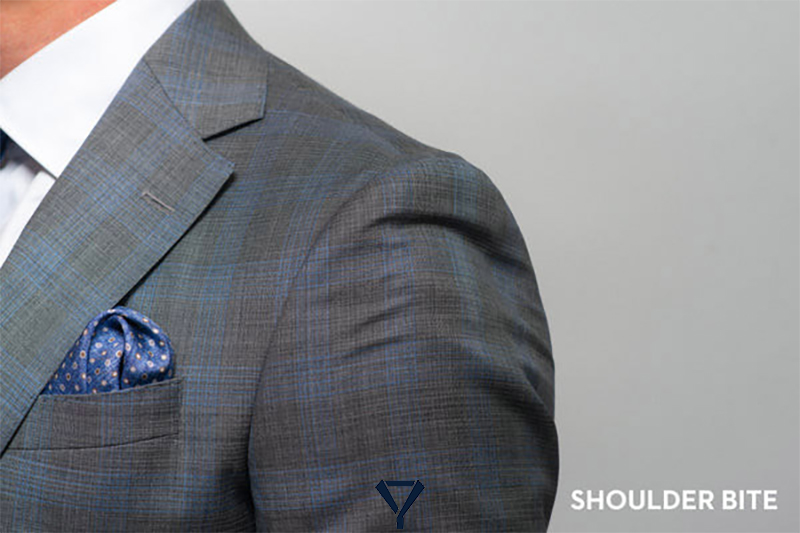
The shoulders are the most important part of a suit jacket and the hardest area to alter. A suit jacket should sit cleanly and naturally on your shoulders, without wrinkles, bumps, or sagging fabric. A correct shoulder fit creates a sharp silhouette and is essential to wearing a suit properly.
- The shoulder seam should end exactly where your natural shoulder ends.
- There should be no pulling lines or excess fabric around the shoulder area.
- If the shoulders don’t fit, the suit is not the right size, and no tailoring can fully fix this.
Chest and Waist: Clean but Comfortable
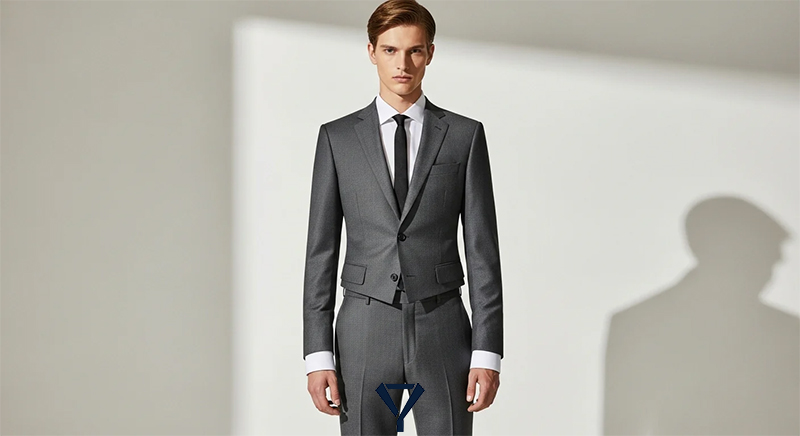
The jacket should contour your torso without feeling tight. When buttoned, it should lie flat against your chest and waist. A suit that is too tight will look strained, while one that is too loose will appear sloppy. Finding the right balance is key to mastering how to wear a suit well.
- The chest should allow comfortable movement without pulling or stretching.
- The waist should gently taper in to create a V-shaped silhouette.
- You should be able to slip a flat hand inside the jacket without discomfort.
Jacket Sleeve Length: Show the Right Amount of Shirt
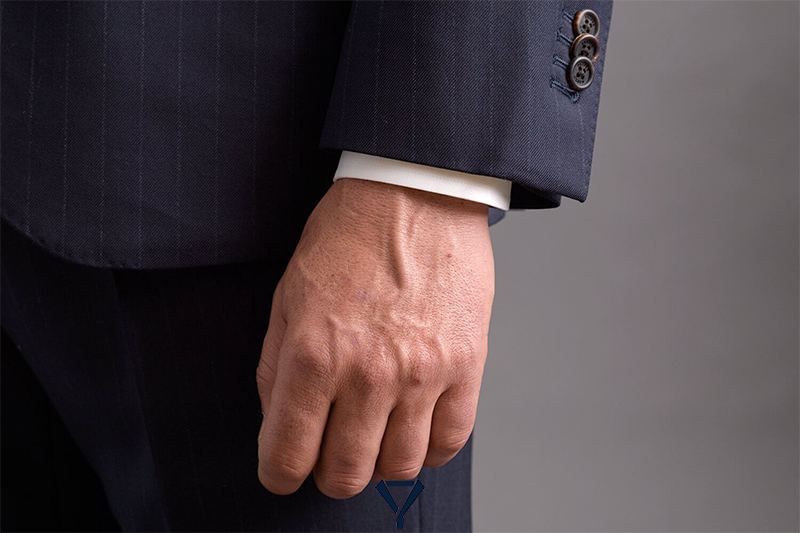
Sleeve length is a small detail that makes a big difference in how polished your suit looks. This detail adds elegance and shows attention to detail.
- The jacket sleeve should end just above the wrist bone.
- About ¼ to ½ inch of shirt cuff should be visible when your arms are relaxed.
- Sleeves that are too long hide the shirt cuff, while sleeves that are too short look unbalanced.
Jacket Length: Proper Proportions Matter
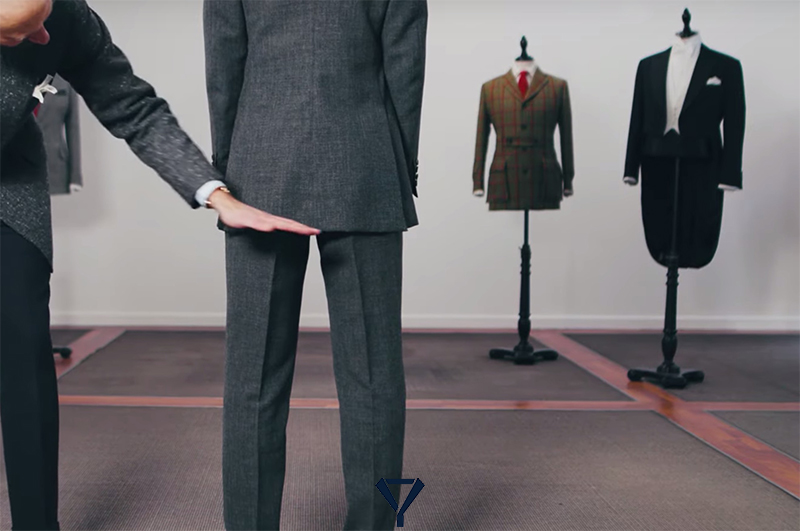
The length of your suit jacket affects your overall proportions. The right jacket length creates harmony between your upper and lower body, helping you look confident and well-dressed in any suit.
- A classic rule is that the jacket should cover your seat (the curve of your buttocks).
- When your arms are relaxed at your sides, the jacket hem should fall around the middle of your hand.
- A jacket that is too long looks outdated, while one that is too short can appear trendy but unbalanced.
Suit Trousers Fit Guide
When learning how to wear a suit properly, many men focus on the jacket and overlook the trousers. In reality, suit trousers play a crucial role in your overall appearance. A perfect jacket paired with poorly fitted trousers will instantly ruin the look. Understanding how suit trousers should fit will help you achieve a clean, balanced, and professional silhouette.
Waist and Seat
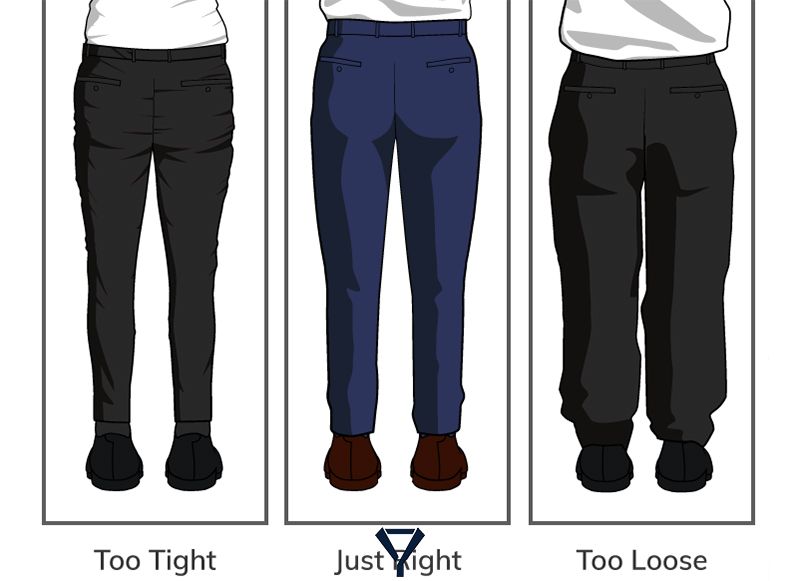
The waist and seat determine how comfortable and natural your trousers feel when worn. If the trousers are too tight in the seat, they will restrict movement and create visible tension lines. If they are too loose, they will look sloppy and unstructured. A clean waist and seat are essential for a proper suit fit.
- The waistband should sit comfortably at your natural waist without the need for a belt to hold it up.
- You should be able to move, sit, and walk comfortably without tightness or pulling.
- The seat (the area around the hips and back) should lie smoothly against the body without excess fabric or strain.
Leg Opening
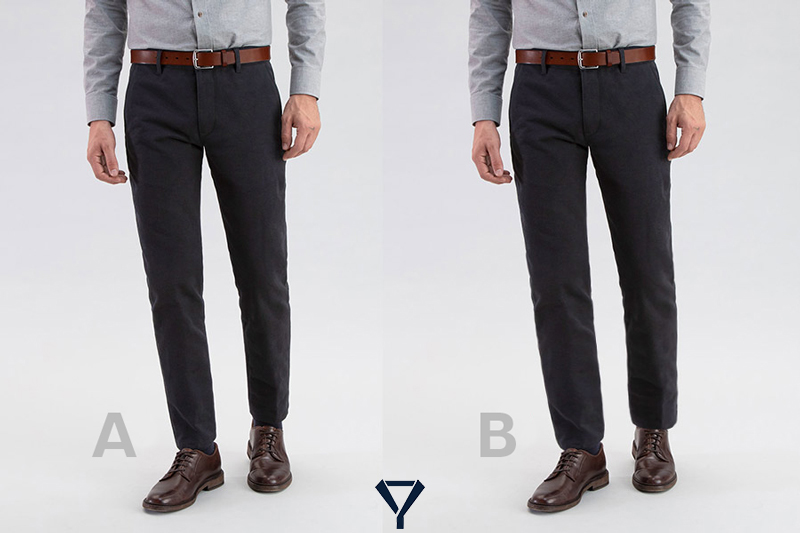
The leg opening affects how modern or classic your suit looks. Regardless of style, the trousers should never cling to the legs or flare out unnaturally. Balanced proportions are key when deciding how a suit should fit.
- Slim leg openings create a sharp, contemporary appearance.
- Wider leg openings offer a more traditional and relaxed look.
- The fabric should fall straight from the thigh to the hem without twisting or bunching.
Pant Break
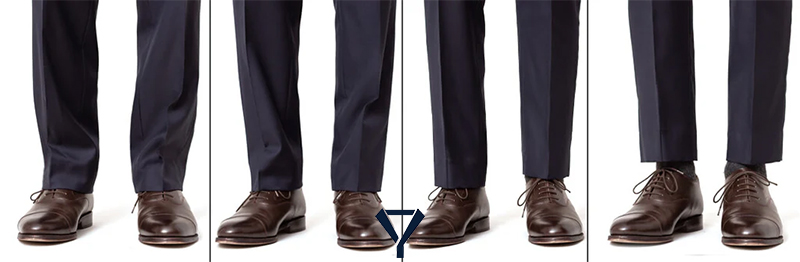
The pant break refers to how the trouser hem meets your shoes. Choosing the right pant break depends on your height, body shape, and personal style, but avoiding overly long trousers is essential for wearing a suit correctly.
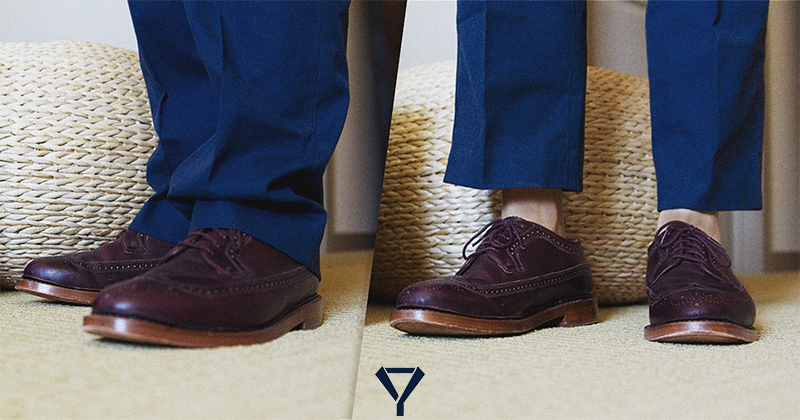
- No break: The trousers just touch the top of the shoe, creating a clean and modern look. Best for slimmer fits and formal settings.
- Half break: A slight crease at the front of the trousers. This is the most versatile and widely recommended option.
- Full break: A deeper fold where the trousers rest heavily on the shoes. This style feels more traditional and is less common in modern tailoring.
Slim Fit, Regular Fit, or Classic Fit?
One of the most common questions men ask is which suit fit they should choose. Understanding the differences will help you select a suit that complements your body type and avoids common styling mistakes.
Slim Fit
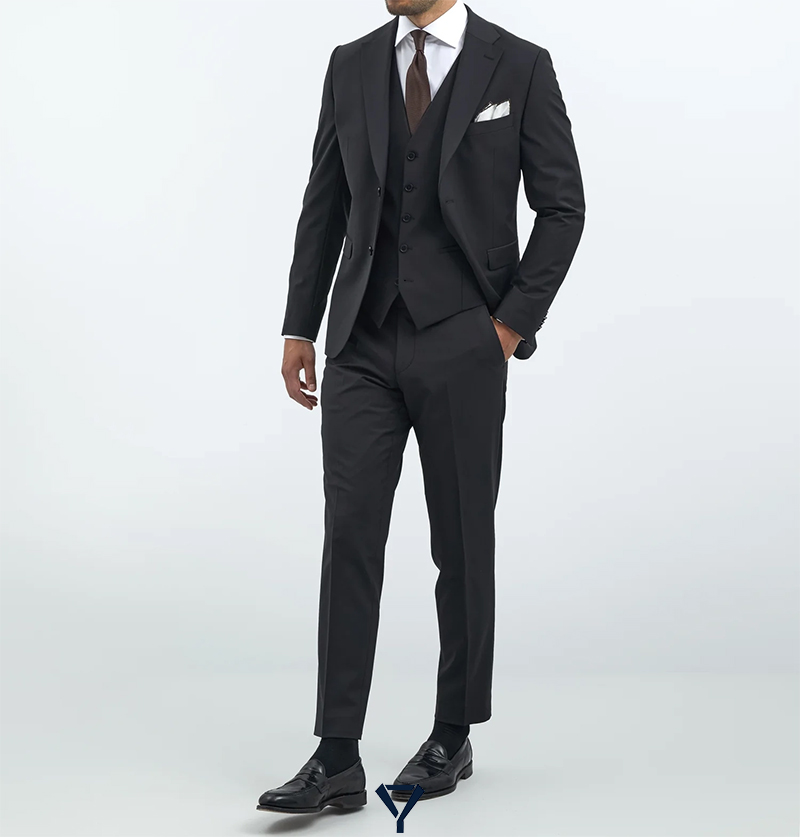
Slim-fit suits are designed with a closer cut through the chest, waist, and legs.
- Best for lean or athletic body types
- Creates a sharp, contemporary silhouette
- Ideal for modern business environments and formal events
- Common mistake: Choosing a slim fit that is too tight. A suit should be fitted, not restrictive. If it feels uncomfortable, it’s the wrong size.
Regular Fit
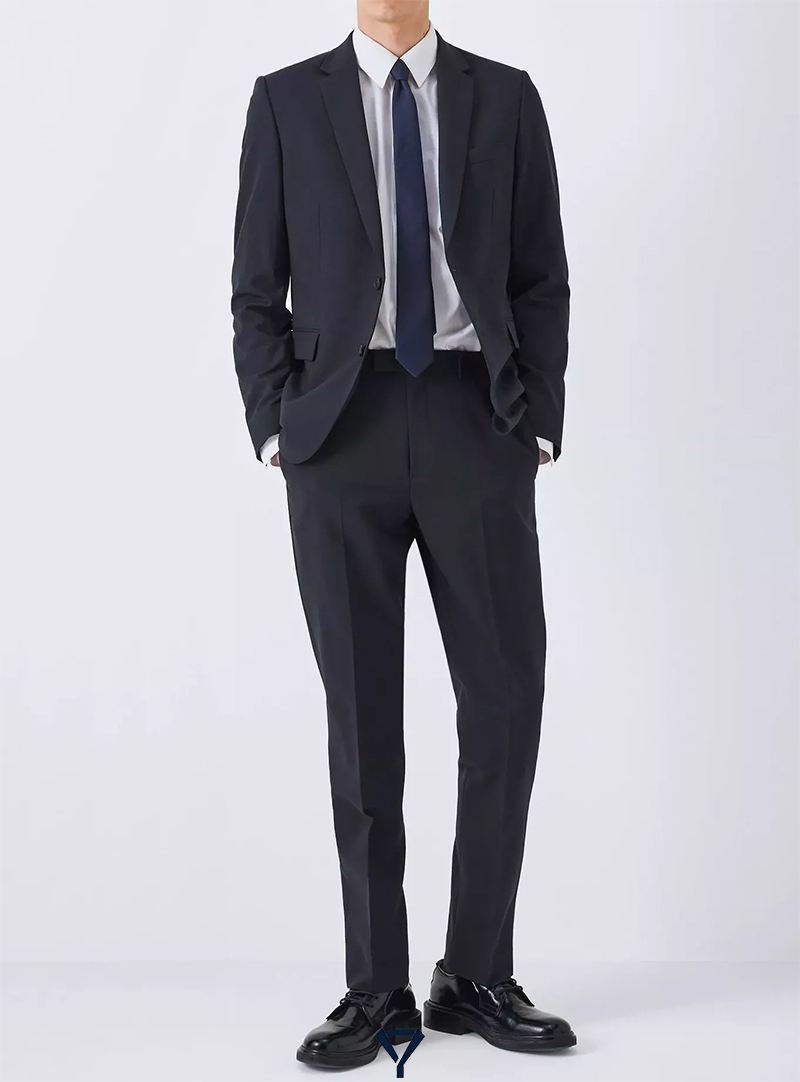
Regular-fit suits offer a classic shape with moderate room for movement. This is often the safest option for men who want a timeless style and a proper suit fit without feeling constrained.
- Suitable for most body types
- Comfortable for long hours of wear
- Easy to tailor for a more personalized look
Classic Fit
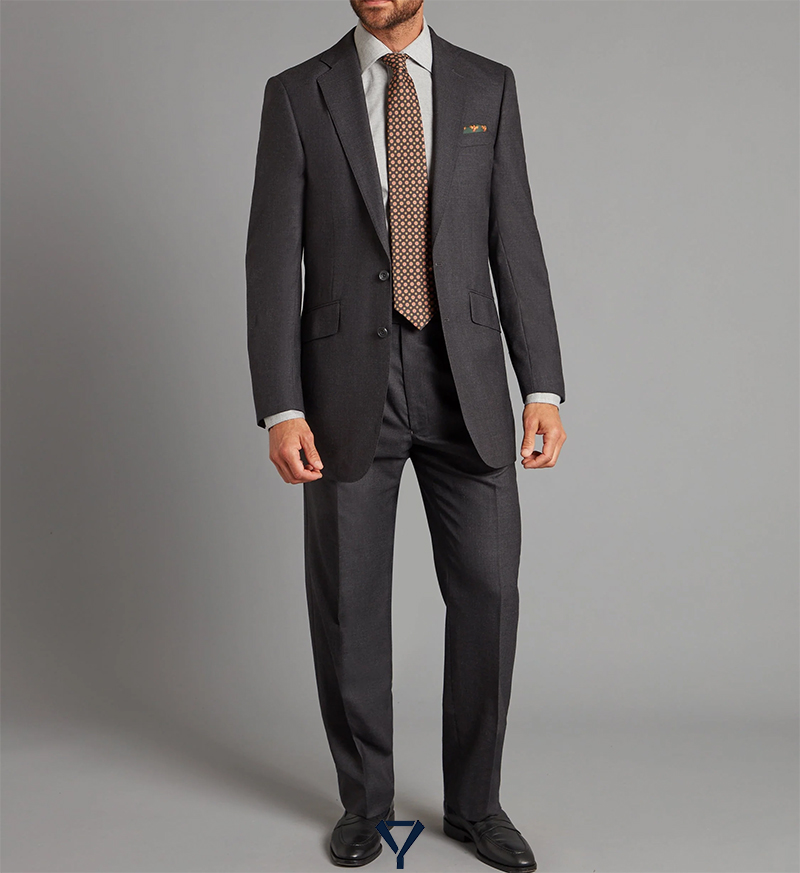
Classic-fit suits provide more room in the chest, waist, and legs.
- Best for larger or broader body types
- Ideal for traditional dress codes
- Offers maximum comfort and ease of movement
- Common mistake: Wearing a classic fit that is too loose. Extra fabric should never look baggy or shapeless.
3. How to Choose the Right Suit Fabric
Choosing the right fabric is a crucial step in learning how to wear a suit properly. The fabric affects not only how a suit looks, but also how it feels, breathes, and performs throughout the day. A well-chosen fabric will keep you comfortable, maintain its shape, and elevate your overall appearance, while the wrong one can make even a well-fitted suit uncomfortable or impractical.
Understanding suit fabrics helps you select the right suit for your lifestyle, climate, and occasion.
Wool
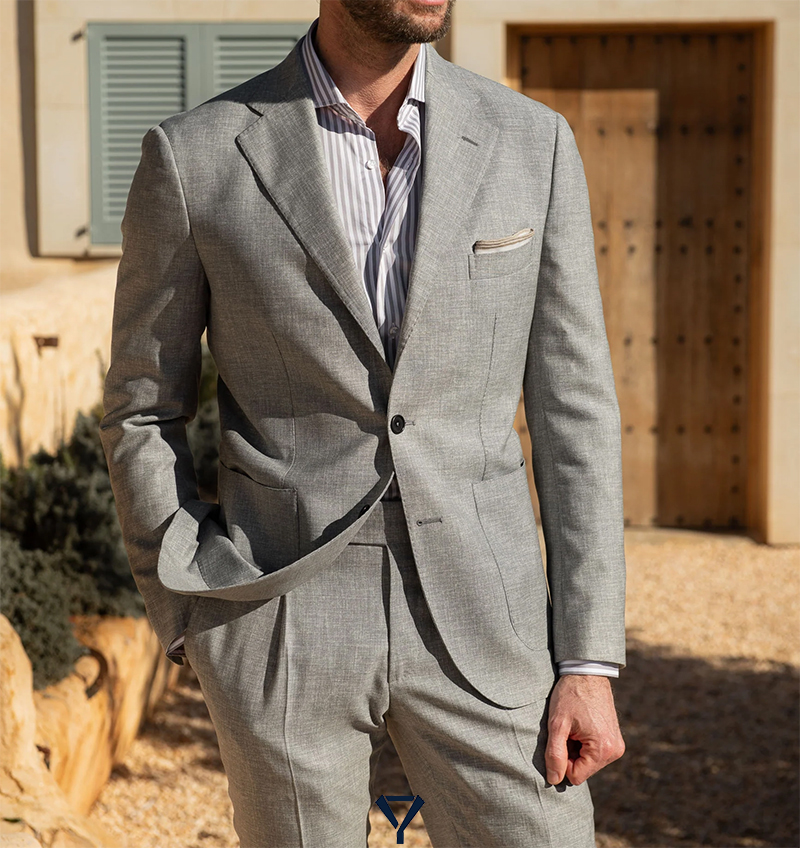
Wool is the most popular and versatile suit fabric for a few good reasons. High-quality wool suits can be worn year-round and are ideal for men who want a reliable, professional look. If you are building your first suit wardrobe, wool is the safest and most practical choice when learning how to wear a suit.
- Naturally breathable and temperature-regulating
- Holds its shape well and resists wrinkles
- Suitable for both formal and business settings
Wool Blends
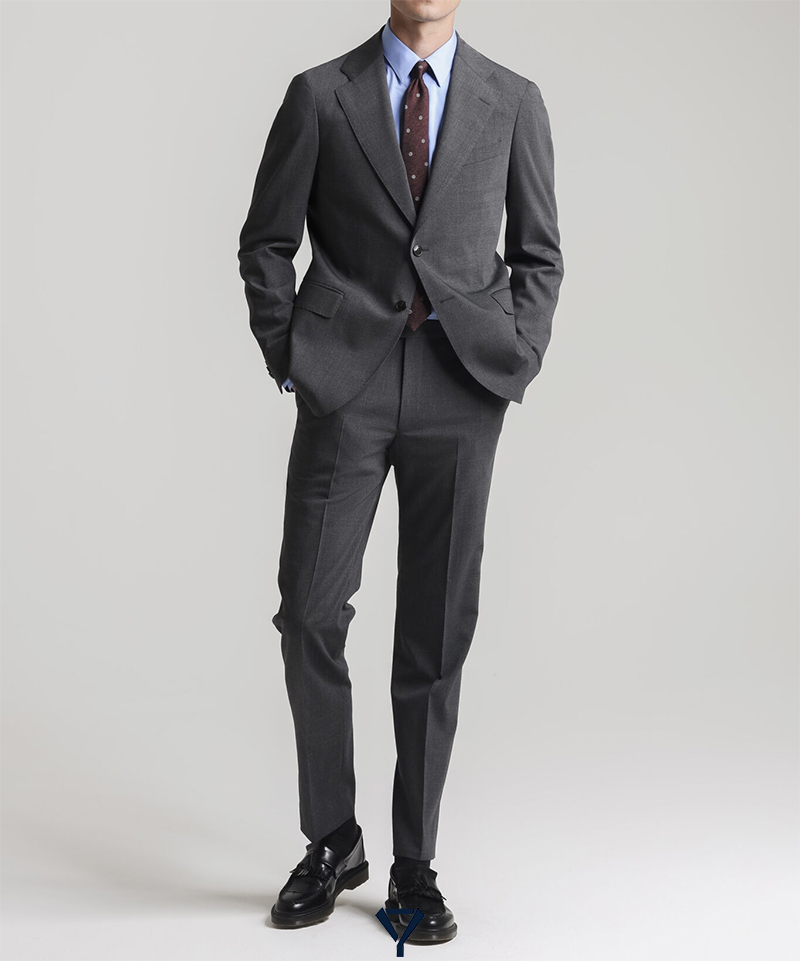
Wool blends combine wool with synthetic fibers such as polyester or elastane. While wool blends may lack the luxury feel of 100% wool, they are a solid option for daily wear, travel, or long working hours.
- More affordable than pure wool
- Increased durability and wrinkle resistance
- Slight stretch for added comfort
Linen
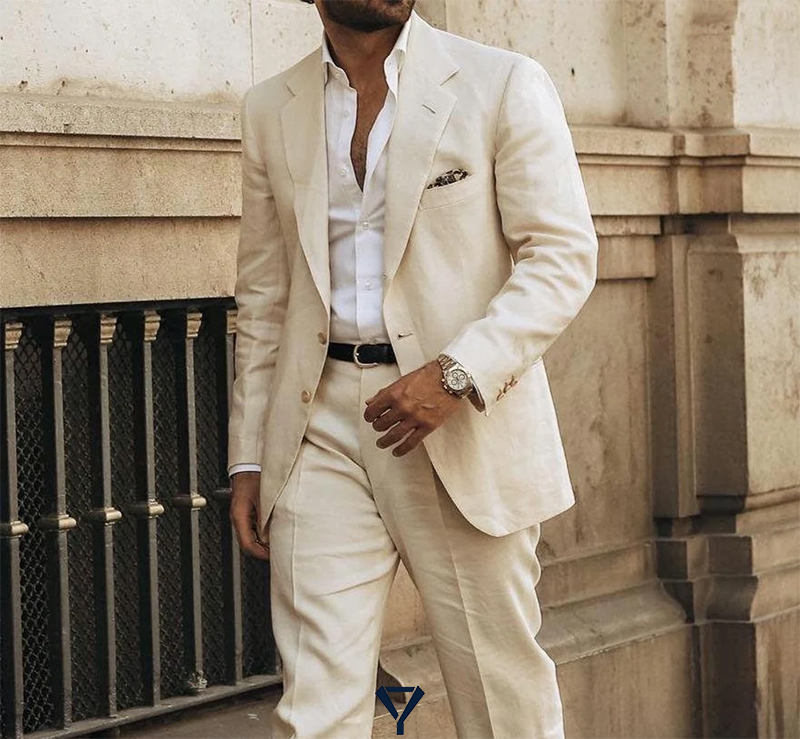
Linen is a classic warm-weather fabric known for its airy feel. The main drawback of linen is that it wrinkles easily. Linen suits are best for summer events, outdoor weddings, or casual occasions where a relaxed look is acceptable.
- Extremely breathable and lightweight
- Ideal for hot and humid climates
- Naturally relaxed and casual appearance
Cotton
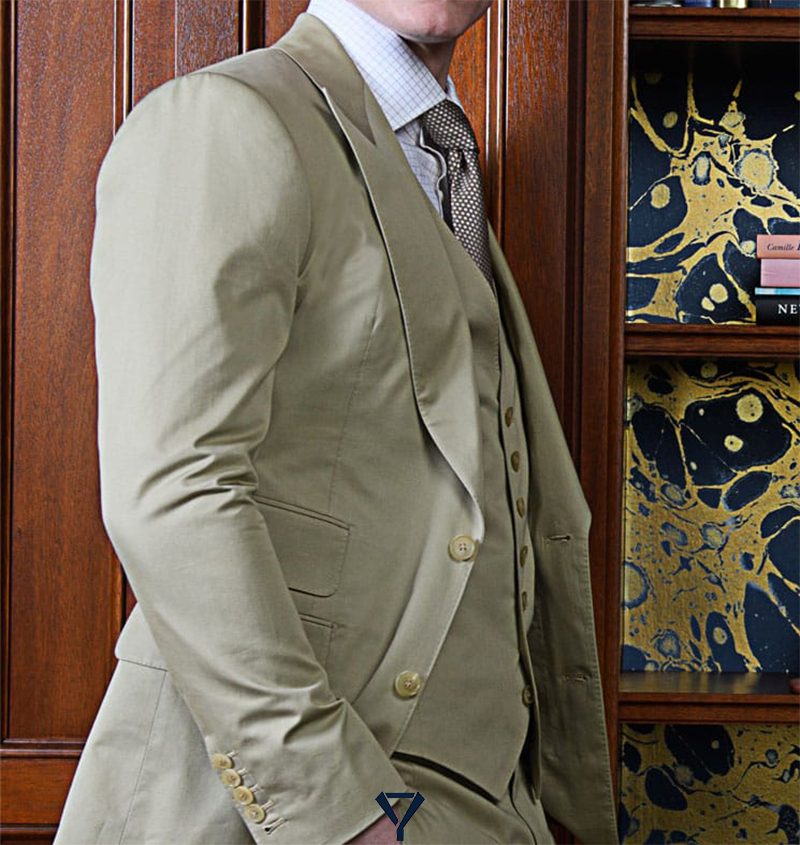
Cotton suits sit between wool and linen in terms of formality. Cotton suits are great for daytime wear or casual offices, but they tend to wrinkle more than wool and are less appropriate for formal events.
- Breathable and comfortable
- Softer structure than wool
- Suitable for smart-casual or business-casual settings
Tweed
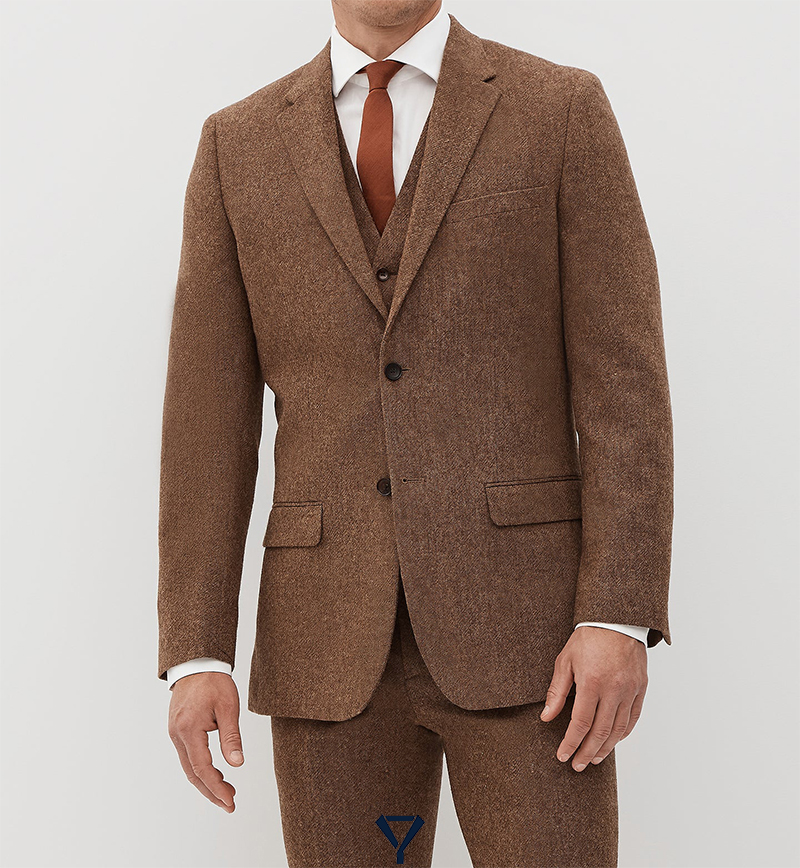
Tweed is a heavier wool fabric with a rich texture. Tweed suits are best suited for winter, countryside settings, or heritage-inspired styles rather than formal business environments.
- Excellent insulation for cold weather
- Durable and long-lasting
- Traditional, rugged aesthetic
4. How to Choose the Right Suit Color
Choosing the right suit color is a key part of understanding how to wear a suit properly. The color of your suit affects how formal you look, how versatile the suit is, and how easily it can be styled with shirts, shoes, and accessories. While trends come and go, classic suit colors remain essential because they work across different occasions, body types, and personal styles.
If you want to build a reliable and timeless suit wardrobe, start with the foundational colors every man should own.
Navy Suit
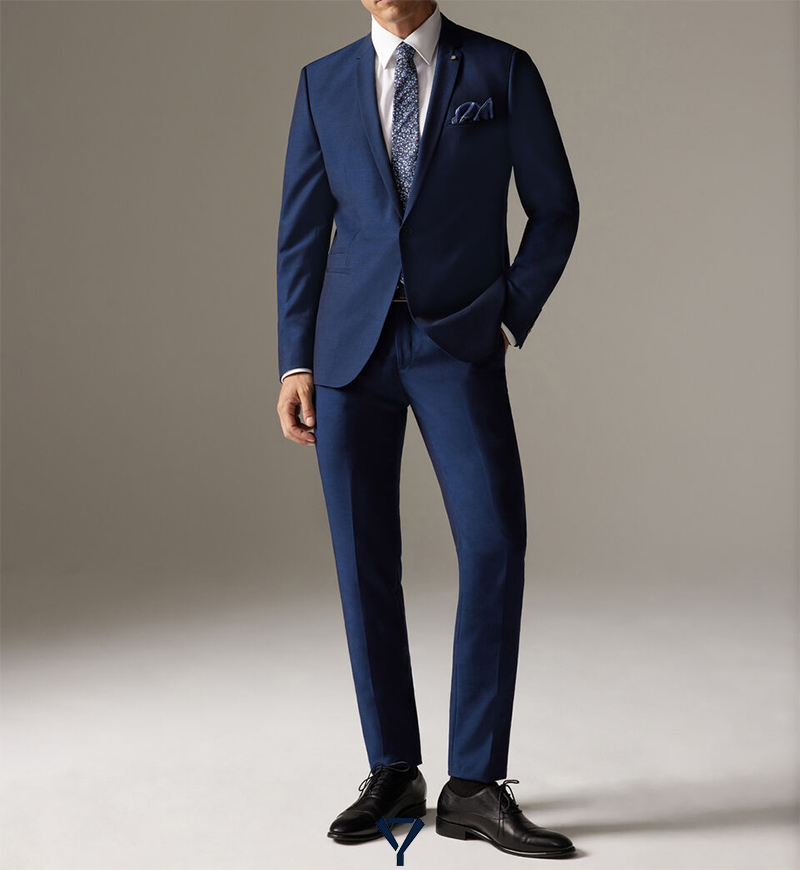
A navy suit is widely considered the most versatile suit color for men. Navy is professional without being severe, making it ideal for both formal and semi-formal settings. For many men who are learning how to wear a suit, a navy suit is the best first investment because it adapts easily to different dress codes.
- Suitable for business, weddings, interviews, and social events
- Easy to pair with white, light blue, or patterned shirts
- Works well with brown, burgundy, or black shoes
Charcoal Suit
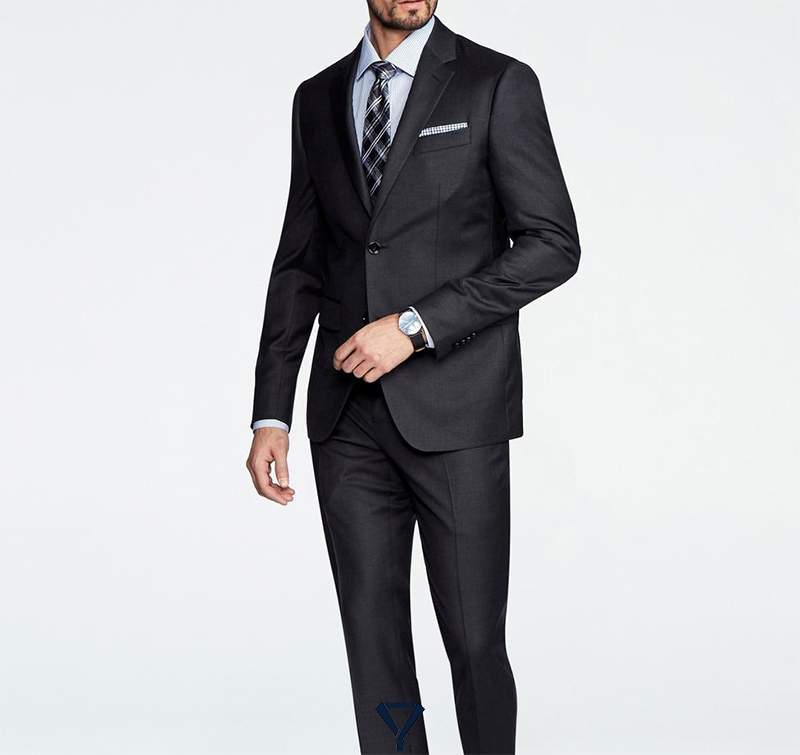
Charcoal is darker than gray but softer than black, striking a perfect balance between authority and elegance. A charcoal suit projects confidence and seriousness without feeling outdated. It is an excellent option for meetings, presentations, and formal office settings where a polished appearance matters.
- Ideal for business and corporate environments
- Less harsh than black, more formal than medium gray
- Pairs best with white or light-colored shirts
Gray Suit
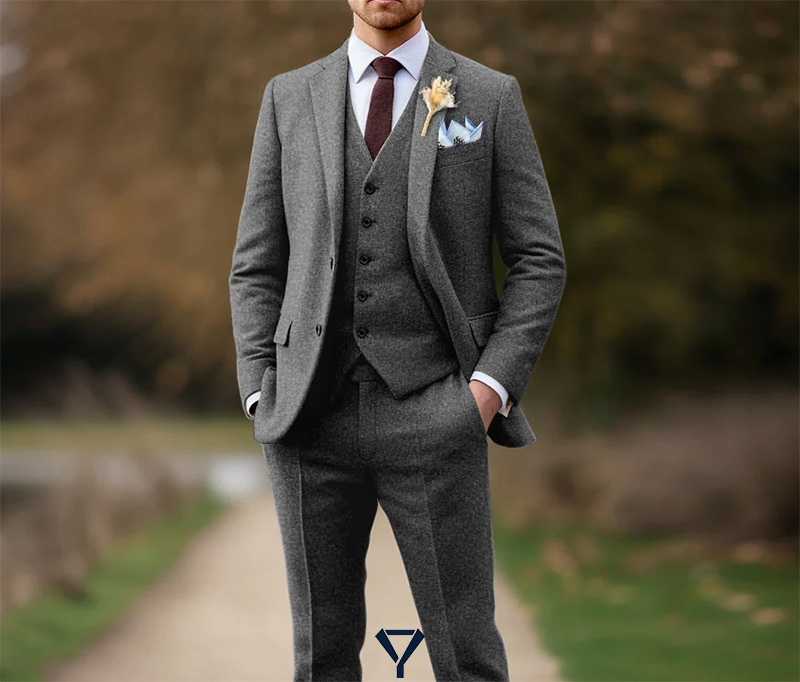
Gray suits come in a range of shades, from light gray to medium gray, and offer excellent versatility. Gray is a neutral color that allows more freedom with accessories and patterns. It’s perfect for men who want variety while still following classic rules of how to wear a suit properly.
- Light gray suits are great for daytime events and warmer seasons
- Medium gray suits work well for business and smart-casual occasions
- Easy to style with various shirt and tie combinations
Black Suit
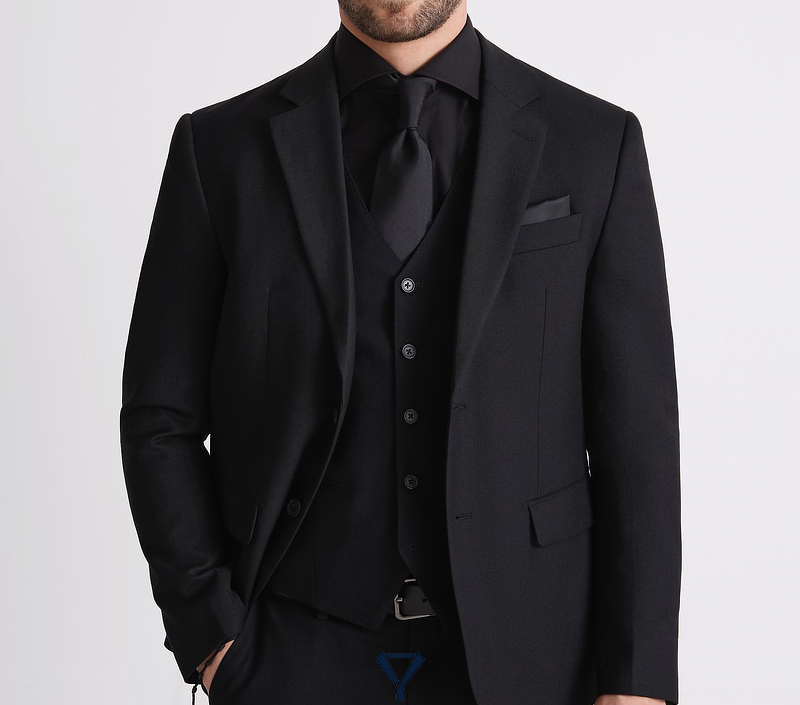
Black suits are often misunderstood. While they are iconic, they are not always the most practical choice. Black suits can appear too severe or formal in everyday settings. In most cases, navy or charcoal is a better and more versatile option for learning how to wear a suit correctly.
When a black suit works best:
- Formal evening events
- Funerals
- Black-tie-inspired or very formal occasions
When to avoid a black suit:
- Daily business wear
- Casual or daytime events
- Situations where a softer, more approachable look is preferred
5. How to Choose the Right Shirt for a Suit
The shirt acts as the foundation of your suit outfit. The right shirt enhances the suit’s color, improves balance, and frames your face.
White vs Light Blue Shirts
White shirts are the most formal and versatile option. They work with every suit color and are ideal for business, weddings, interviews, and formal events.
If you are unsure, start with white. It is the safest choice when learning how to wear a suit and never looks out of place.
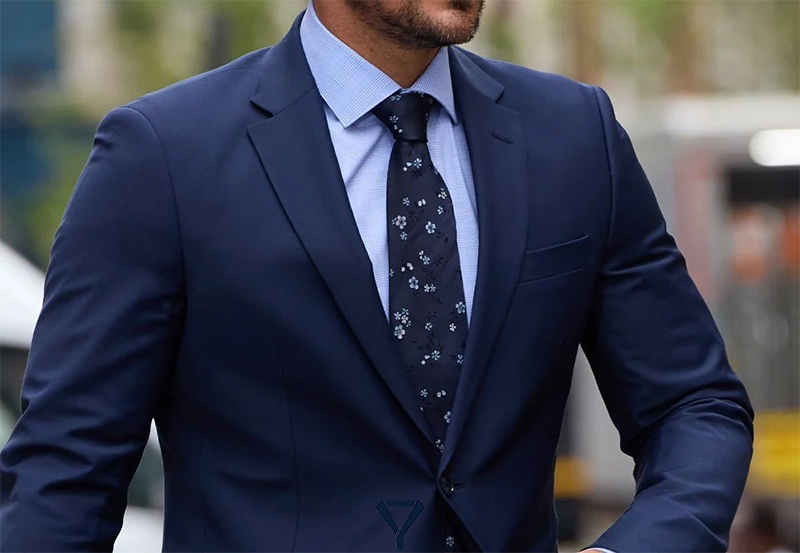
Light blue shirts offer a slightly softer and more approachable look. They are excellent for business wear, daytime events, and smart-casual settings.
Choosing the Right Shirt Collar
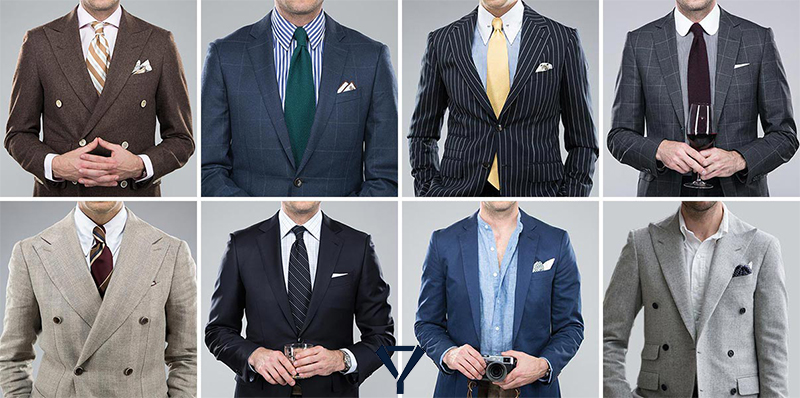
The collar should complement both your face shape and your tie.
- Point collar: Classic and versatile, suitable for most face shapes and occasions.
- Spread collar: Wider collar points, ideal for tie wear and fuller faces.
- Button-down collar: More casual, best for business-casual or suit-without-tie looks.
Avoid overly trendy collar styles if your goal is a timeless, professional appearance.
Shirt Fit: Clean and Comfortable
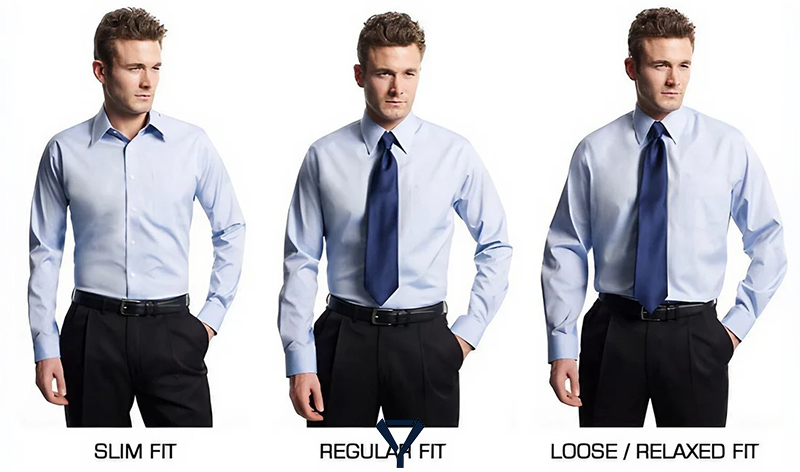
A suit shirt should fit close to the body without feeling tight. A well-fitted shirt ensures the suit looks sharp and intentional, reinforcing the principles of how to wear a suit properly.
- The shoulder seams should align with your shoulders.
- The shirt should taper slightly at the waist without excess fabric.
- Sleeves should end at the wrist bone, allowing the jacket cuff to show.
6. How to Wear a Tie with a Suit
A tie adds structure and formality to a suit. Wearing it correctly shows attention to detail and an understanding of classic menswear rules.
Tie Width and Length
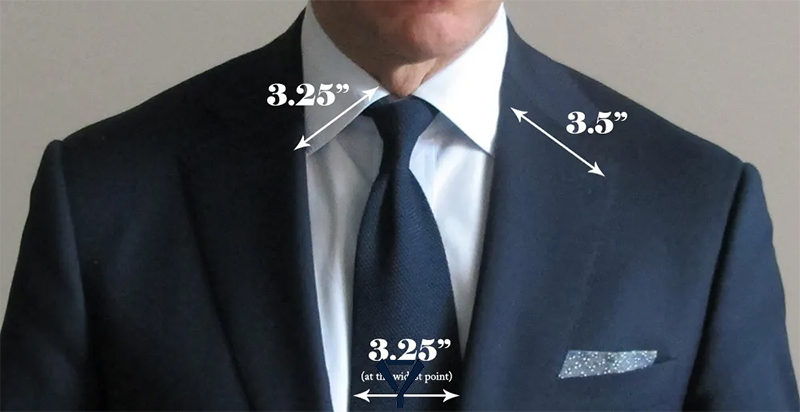
Incorrect tie length is one of the most common mistakes men make when wearing a suit. The width of your tie should roughly match the width of your jacket lapel.
- Slim ties work best with slim suits, while wider ties suit classic cuts.
- The tip of the tie should reach the middle of your belt buckle.
Matching Tie Colors and Patterns
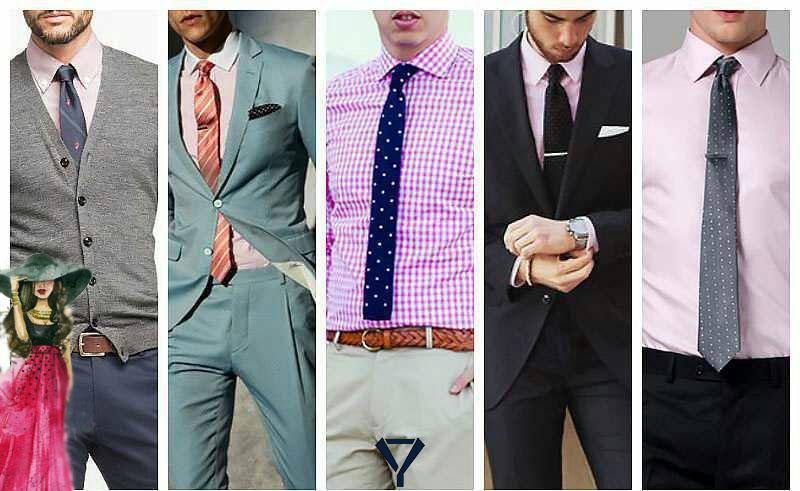
Solid ties are the safest and most versatile choice. As a general rule, only one element (suit, shirt, or tie) should be patterned to keep the look balanced.
- Darker ties pair well with lighter shirts for contrast.
- Patterned ties should complement the suit and shirt, not compete with them.
When to Skip the Tie
Not every suit outfit requires a tie.
- Business-casual environments
- Social or daytime events
- Casual weddings or creative settings
If you skip the tie, make sure the shirt fits perfectly and consider adding a pocket square to maintain a polished appearance.

7. Suit Accessories Explained
Accessories should enhance your suit, not distract from it. Simplicity and balance are key.
Pocket Square
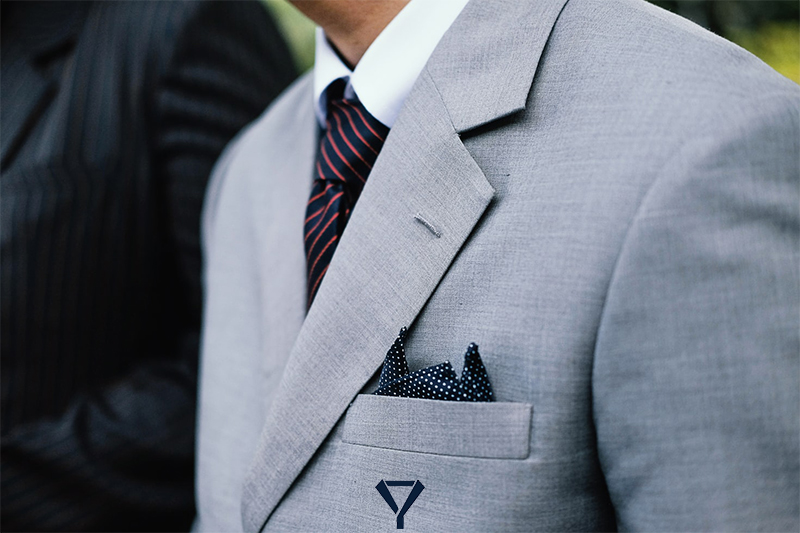
A pocket square adds personality and elegance. Never match the pocket square exactly to the tie, contrast looks more refined.
- White linen or cotton pocket squares are timeless and formal.
- Patterned pocket squares work best with solid suits and shirts.
Belt vs Suspenders
- Belts are practical and common, especially for business wear.
- Suspenders (braces) offer a cleaner waistline and are ideal for formal or tailored suits.
- Never wear both at the same time.
Choosing the Right Watch
A watch should complement the suit’s formality.
- Slim, classic watches suit formal and business looks.
- Leather straps are more formal than metal bracelets.
- Avoid oversized or sporty watches with suits.

Cufflinks: When and How to Wear Them
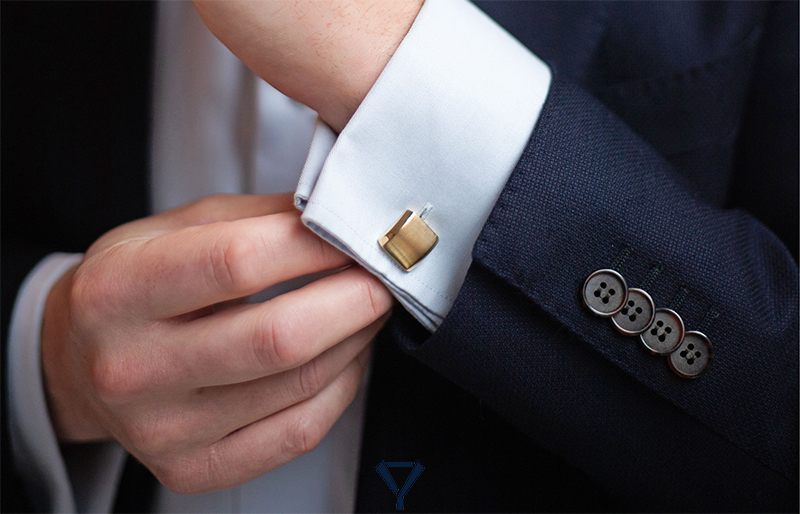
Cufflinks are worn with French cuff shirts and are reserved for formal occasions.
- Choose simple, understated designs.
- Silver or minimal styles work best for most suits.
- Avoid novelty cufflinks in professional settings.
8. How to Wear Shoes with a Suit
Shoes are one of the most overlooked yet most important elements of a suit outfit. You can wear a perfectly tailored suit, but if the shoes are wrong, the entire look immediately feels incomplete. Understanding what shoes to wear with a suit is essential if you want to look polished, confident, and well put together.
Not all dress shoes work equally well with suits. Each style carries a different level of formality and personality. The right shoes should match the formality of the suit, complement its color, and suit the occasion.
Oxford Shoes
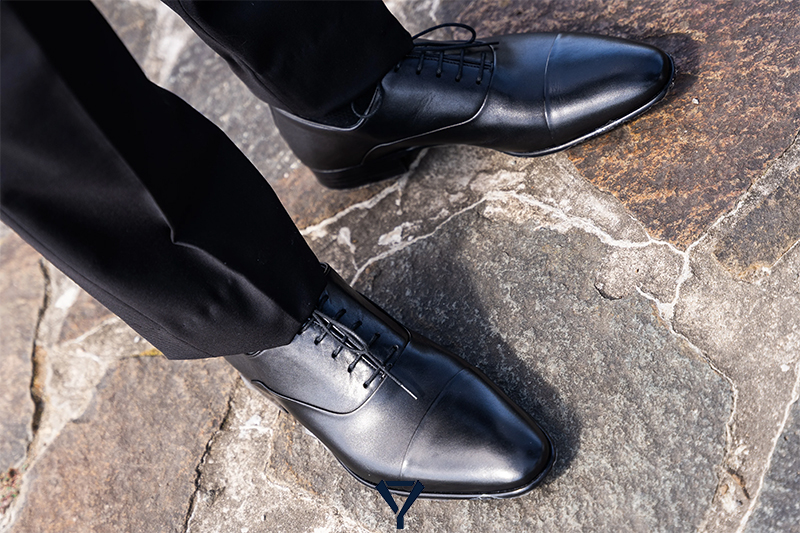
Oxford shoes are the most classic and formal option to wear with a suit. If you are unsure what shoes to wear with a suit, a well-polished pair of Oxfords is always a safe and timeless choice.
- Closed-lacing system for a clean, elegant look
- Ideal for business, formal events, weddings, and interviews
- Best paired with navy, charcoal, and black suits
Derby Shoes
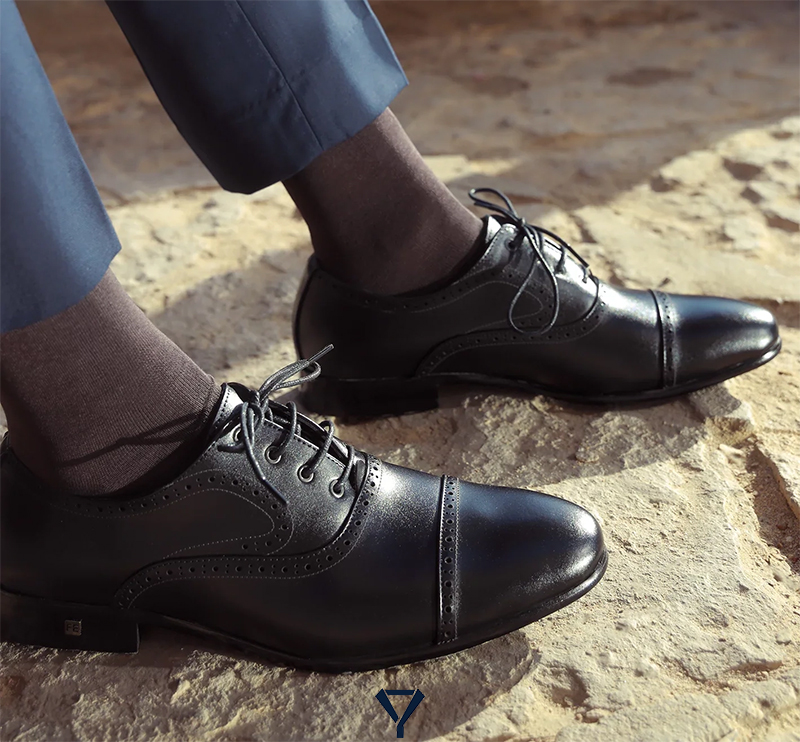
Derby shoes are slightly less formal than Oxfords but offer more flexibility. Derbies are perfect for men who want a balance between elegance and comfort, especially for long working days.
- Open-lacing system for added comfort
- Suitable for business, office wear, and semi-formal occasions
- Works well with navy, gray, and patterned suits
Loafers
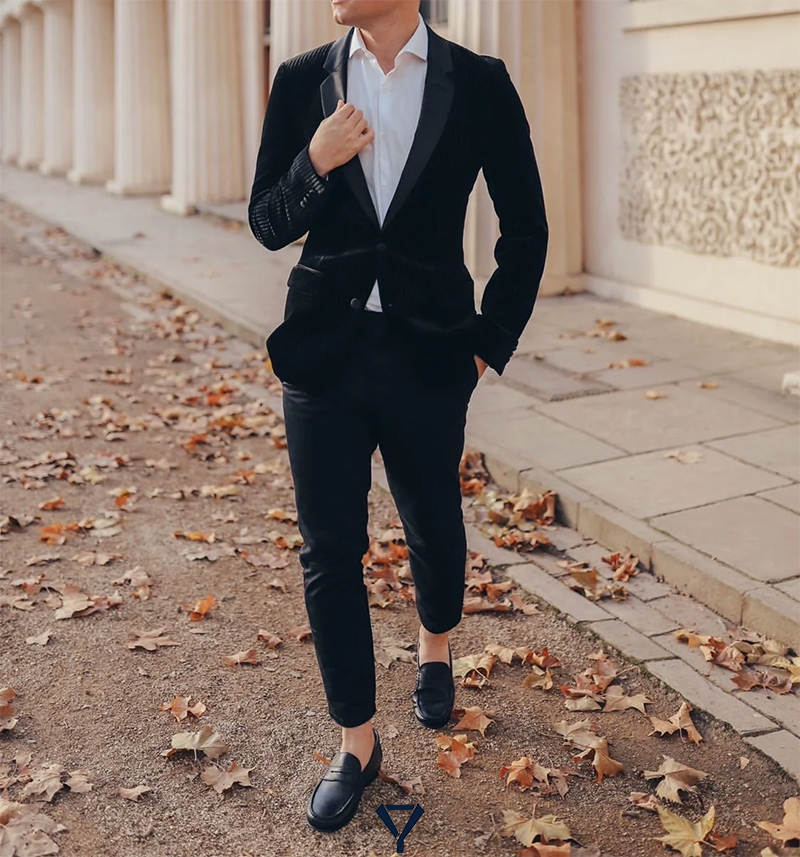
Loafers bring a more modern and relaxed feel to a suit. Loafers pair well with slim suits and can be worn without socks or with no-show socks for a contemporary look. However, they are not recommended for highly formal occasions.
- Slip-on design with no laces
- Best for smart-casual settings and warmer seasons
- Ideal for lightweight or unstructured suits
Monk Strap Shoes
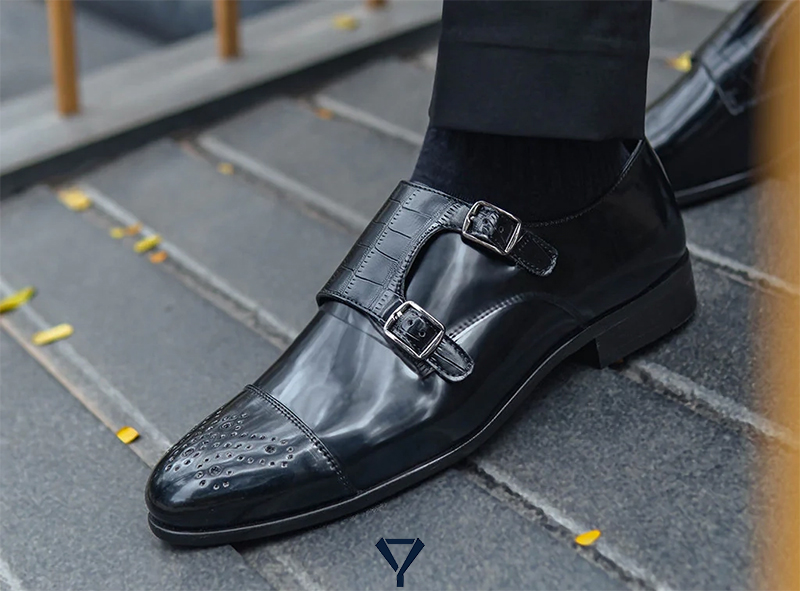
Monk strap shoes sit between formal and fashion-forward. Monk straps are a great choice for men who want to add personality while still respecting traditional rules of how to wear a suit.
- Buckle closure instead of laces
- Elegant yet slightly bold appearance
- Works well with both classic and modern suits
Matching Shoe Colors with Suit Colors
Choosing the right shoe color is just as important as choosing the shoe style. The goal is to create harmony, not contrast that feels forced.
Black Shoes
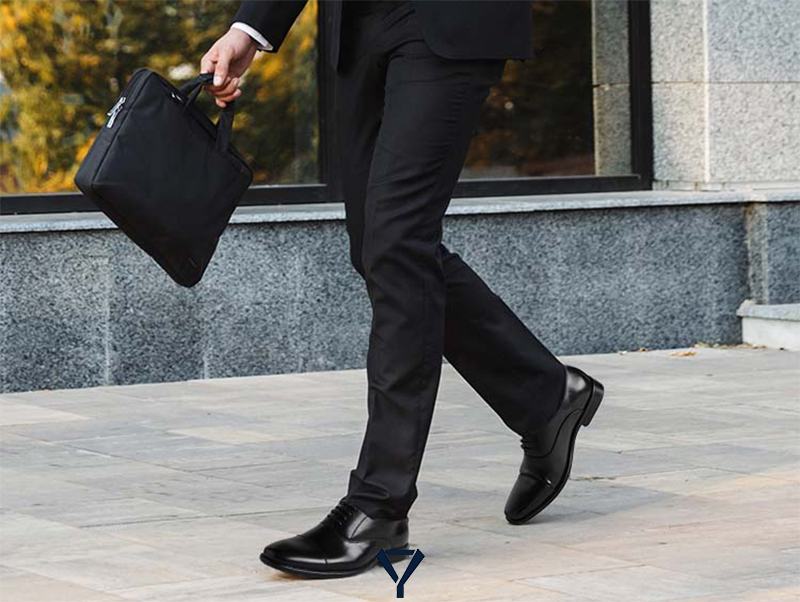
Black shoes are the most formal and traditional option. Black shoes are the safest option when formality is required and are a must-have in every man’s wardrobe.
- Best paired with black, charcoal, and dark gray suits
- Ideal for business, formal events, and evening occasions
- Creates a sharp, authoritative look
Brown Shoes
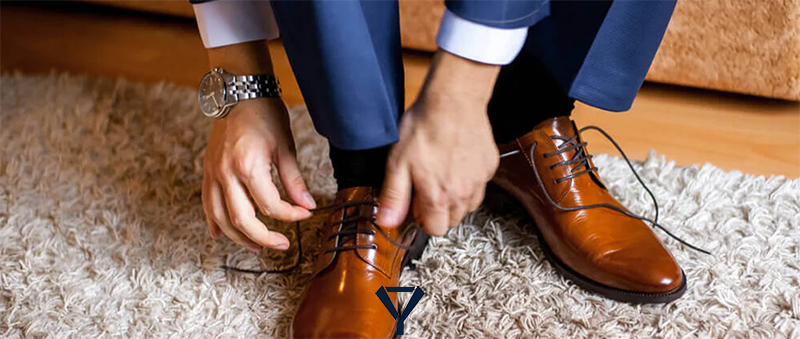
Brown shoes offer more flexibility and personality than black. Darker brown shoes feel more formal, while lighter brown shoes create a more relaxed and approachable look.
- Works exceptionally well with navy, blue, and gray suits
- Suitable for business, social events, and daytime wear
- Available in light to dark shades for different levels of formality
Burgundy Shoes
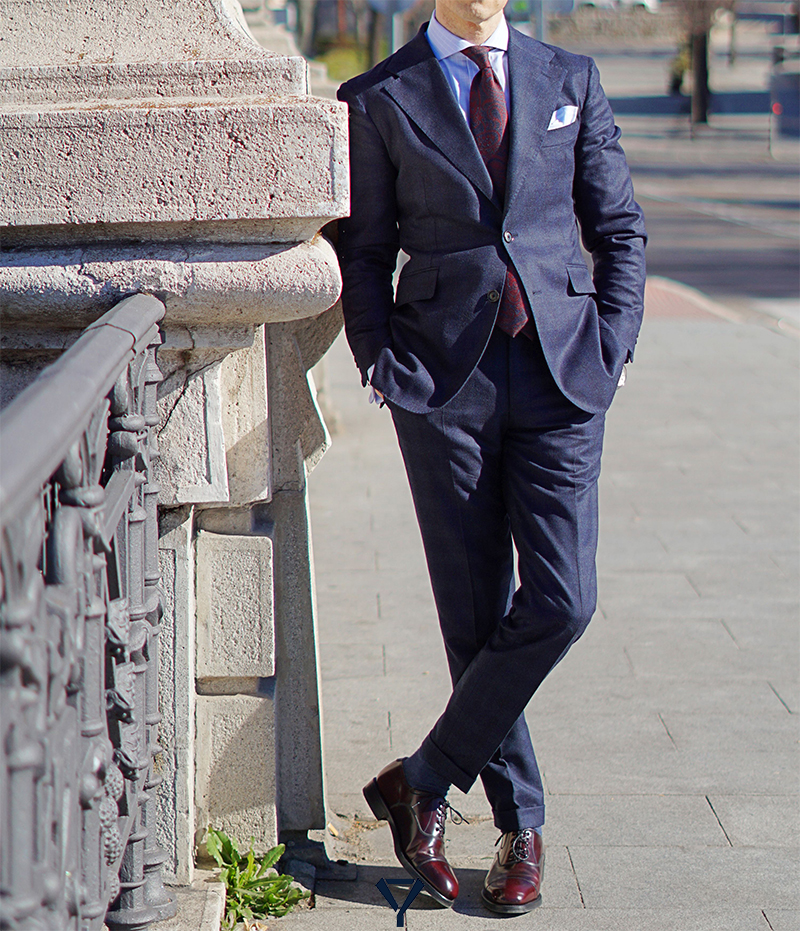
Burgundy shoes are a sophisticated alternative to black or brown. Burgundy shoes show attention to detail and elevate your suit without looking flashy.
- Pair beautifully with navy, gray, and charcoal suits
- Add depth and richness without overpowering the outfit
- Ideal for men who want a subtle distinction
9. How to Wear a Suit for Different Occasions
One of the most important skills in mastering how to wear a suit properly is knowing how to adapt it to different occasions. A suit is not a one-size-fits-all outfit. What works in a corporate office may feel out of place at a wedding or a casual event.
How to Wear a Suit to Work
Wearing a suit to work is about professionalism, consistency, and subtle confidence. The key is understanding your office dress code and dressing slightly better than the minimum requirement.
Office Dress Code
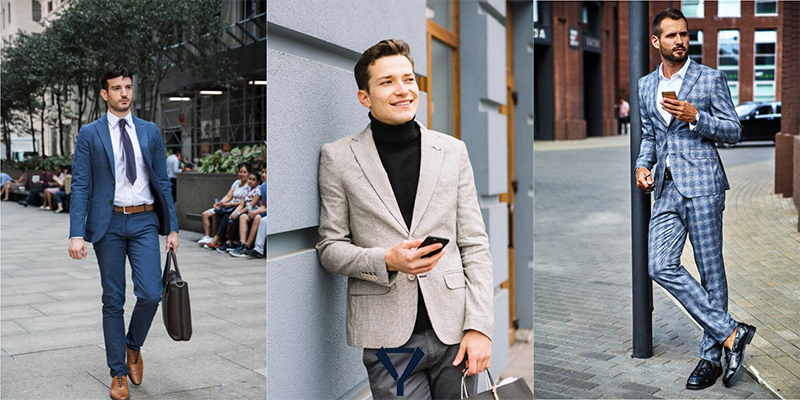
Before choosing your suit, consider your workplace culture:
- Corporate or traditional offices require classic suits in navy, charcoal, or gray.
- Modern or creative offices allow more flexibility in color, fabric, and styling.
- Client-facing roles usually demand a more polished and conservative appearance.
A clean, well-fitted suit signals reliability and competence – essential qualities in a professional setting.
Business Formal vs Business Casual
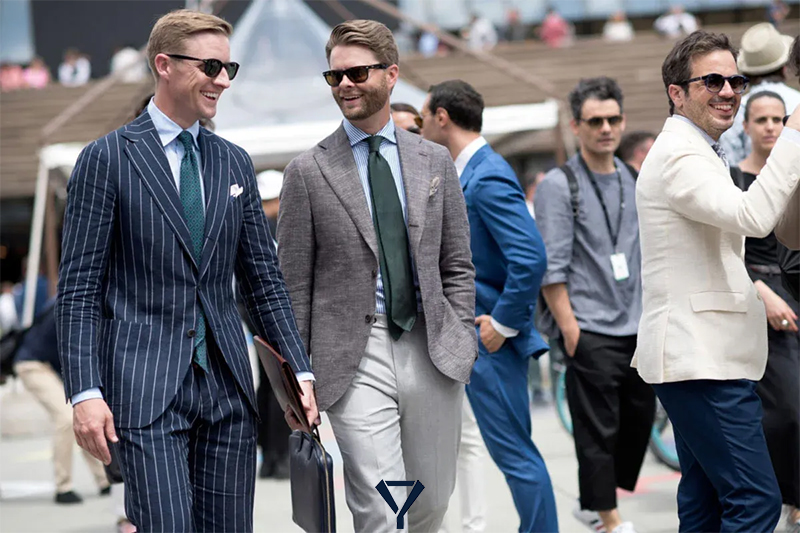
Business formal:
- Navy or charcoal suit
- White or light blue shirt
- Conservative tie
- Black or dark brown leather shoes
This look is ideal for meetings, presentations, interviews, or senior-level roles.
Business casual:
- Lighter suit colors or subtle patterns
- Shirt without a tie
- Loafers or Derbies instead of Oxfords
Business casual still requires structure and fit, but allows for more comfort and personality.
How to Wear a Suit to a Wedding
Weddings allow more freedom than the workplace, but they still require respect for the event and the couple. Your role—groom or guest—and the timing of the wedding play a major role in suit selection.
Groom vs Guest
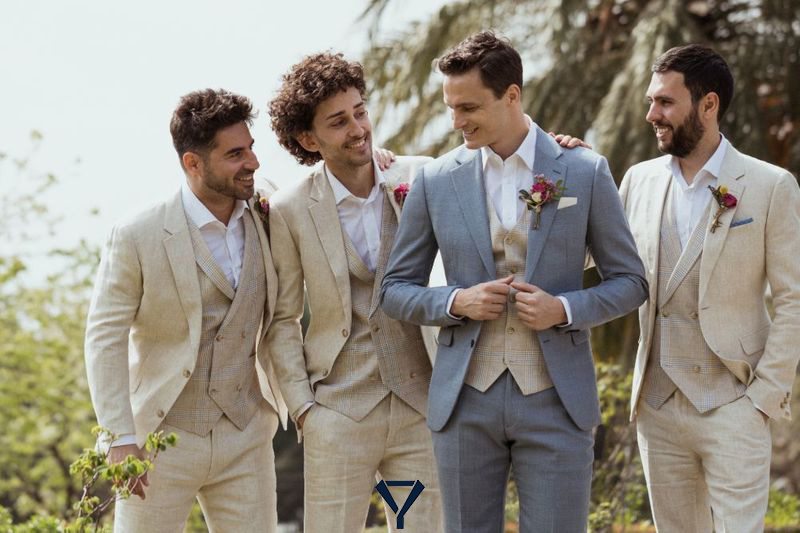
For the groom:
- Choose a suit that stands out subtly from the guests
- Three-piece suits or distinctive colors work well
- Tailoring is essential; fit matters more than anything
For guests:
- Avoid wearing the same color as the groom if it’s known
- Choose elegant but understated suits
- Never try to outshine the groom
The goal is to look refined and appropriate while letting the groom remain the focal point.
Day Wedding vs Night Wedding
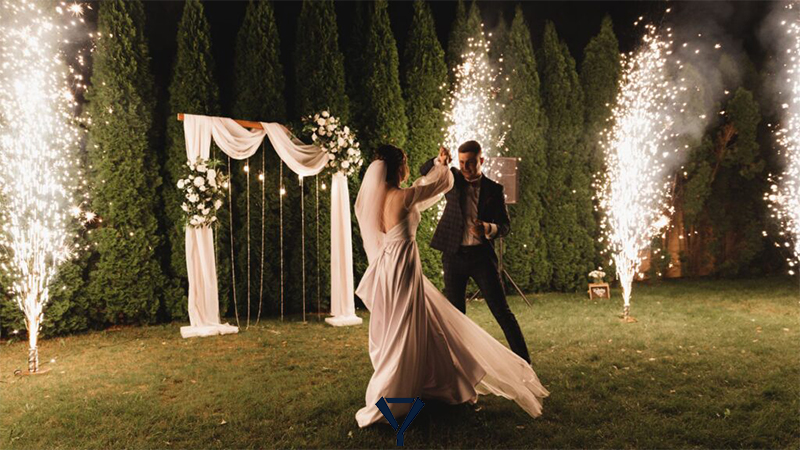
Day weddings:
- Lighter colors such as light gray, navy, or beige
- Breathable fabrics like lightweight wool or linen
- Softer styling with minimal accessories
Night weddings:
- Darker colors like navy, charcoal, or deep blue
- More structured suits
- Dress shoes and polished accessories
Matching your suit to the time of day is a subtle but important rule when learning how to wear a suit to a wedding.
How to Wear a Suit Casually
A casual suit is about relaxation without losing structure. This style works best when the suit is well-fitted but less rigid in construction.
Wearing a Suit Without a Tie
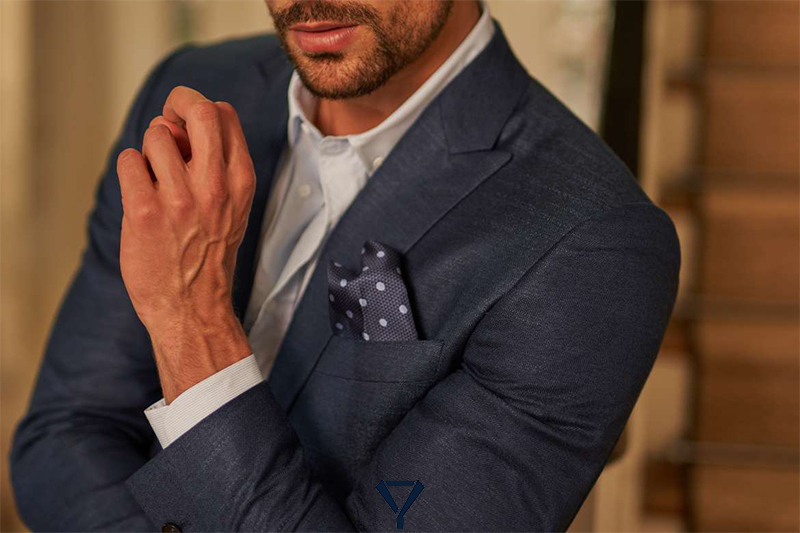
- Removing the tie instantly makes a suit feel more relaxed.
- Choose a well-fitted shirt with a clean collar
- Leave the top one or two buttons undone
- Avoid overly formal suits; soft fabrics work best
This look is ideal for social events, casual offices, or daytime outings where a full formal suit feels too stiff.
Wearing a Suit with Sneakers

Wearing sneakers with a suit can work—but only if done correctly.
Dos:
- Choose clean, minimal sneakers (usually white or neutral)
- Pair with slim or modern-cut suits
- Keep the rest of the outfit simple
Don’ts:
- Avoid bulky or athletic sneakers
- Don’t wear them with highly formal suits
- Never wear dirty or worn-out shoes
This style is best for creative environments and casual events. When done right, it shows confidence and a modern understanding of how to wear a suit casually.
10. Common Suit Styling Mistakes to Avoid
Even high-quality suits can look unflattering if they are worn incorrectly. Understanding and avoiding these common mistakes is a crucial part of learning how to wear a suit properly. In fact, many men don’t need a new suit—they simply need to stop making these small but costly errors.
This section is especially important because fixing these mistakes can instantly improve your appearance without spending more money.
Wearing a Suit That Is Too Tight or Too Loose
The most common mistake men make is wearing a suit that does not fit their body.
A suit that is too tight pulls at the chest, strains the buttons, and restricts movement. It looks uncomfortable and forced.
A suit that is too loose creates excess fabric, weak lines, and a sloppy silhouette.
A proper suit fit should follow the shape of your body without clinging to it. You should be able to move comfortably while still maintaining clean, sharp lines. Fit is the foundation of how to wear a suit well—nothing else matters if this is wrong.
Jacket Sleeves That Are Too Long or Too Short
Sleeve length is a subtle detail, but it has a big impact on how polished your suit looks.
Jacket sleeves that are too long cover the shirt cuff completely and make the suit look oversized.
Sleeves that are too short throw off proportions and make the jacket look ill-fitting.
The correct sleeve length should allow ¼ to ½ inch of shirt cuff to show when your arms are relaxed. This small detail signals attention to tailoring and instantly elevates your overall look.
Wearing the Wrong Shoes with a Suit
Shoes can either complete a suit or ruin it.
Common shoe mistakes include:
- Wearing casual shoes or sneakers with formal suits
- Pairing overly bulky shoes with slim suits
- Choosing the wrong shoe color for the suit
A suit should be worn with clean, well-polished dress shoes that match the formality and color of the outfit. Knowing what shoes to wear with a suit is essential for maintaining balance and professionalism.
Suit Trousers That Are Too Long
Overly long trousers are one of the easiest mistakes to spot.
Excess fabric bunching around the ankles looks messy
Deep folds over the shoes make the suit appear outdated
Long trousers shorten the visual line of the legs
The trousers should lightly touch the top of the shoes with a clean break, or even no break at all, depending on your style. Proper trouser length creates a sharper, more modern silhouette and is a key part of wearing a suit correctly.
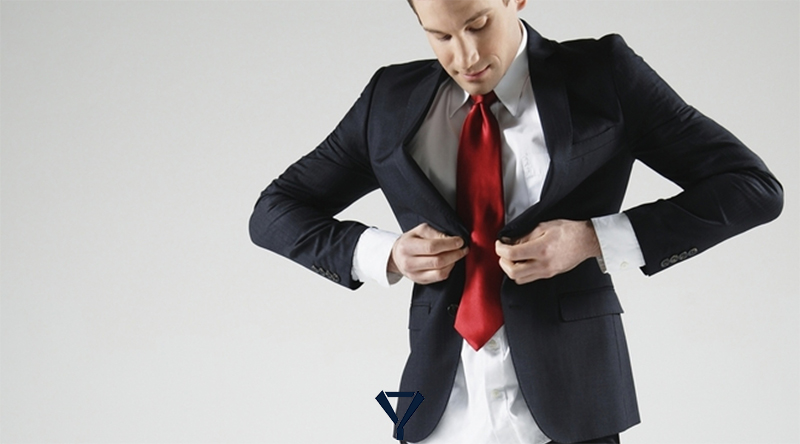
Buttoning the Jacket Incorrectly
Buttoning rules are simple, yet often ignored.
Single-breasted jackets: Always leave the bottom button undone.
Two-button jackets: Button the top button only.
Three-button jackets: Button the middle button; the top is optional, the bottom stays undone.
Always unbutton your jacket when sitting.
Incorrect buttoning disrupts the jacket’s natural shape and restricts movement. Following proper buttoning rules ensures your suit drapes correctly and looks intentional.
Conclusion
Learning how to wear a suit properly is not about following rigid rules or chasing the latest trends. It’s about understanding fit, balance, and context, and using a suit as a tool to express confidence, professionalism, and personal style. Remember, the most important investment you can make is not in the most expensive suit, but in the right fit and proper tailoring. When a suit fits well, suits the occasion, and is styled with intention, it naturally enhances your presence without trying too hard.
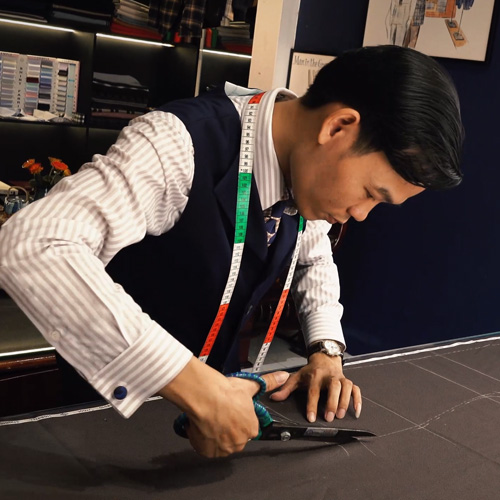
Created from my passion for sartorial that I discovered through learning and working in the field, YOURSUITTREND is dedicated to providing in-depth knowledge, expert styling tips, and the latest trends in men’s tailored fashion. If you ever come to Vietnam, let’s grab a glass 🙂