
Like a sunset in Positano, the Italian cut suit is effortless, fluid, and undeniably romantic. In the world of high-end tailoring in 2026, the Italian silhouette remains the ultimate choice for the man who wants to look sharp without looking like he’s trying too hard. In this deep dive, we will explore the anatomy of the Italian cut, the regional variations that define the peninsula’s tailoring, and why it remains the “rockstar” of the sartorial world today.
1. What Is an Italian Cut Suit?
An Italian cut suit refers to a tailoring style that originated in Italy and is known for its sharp silhouette, light structure, and effortless elegance.
Known for its slim fit, lightweight construction, and daring aesthetic, the Italian cut has redefined modern menswear. It isn’t just a style of clothing; it’s an embodiment of “Sprezzatura” – a uniquely Italian concept that refers to a certain nonchalance, making the complex art of dressing well look completely natural.
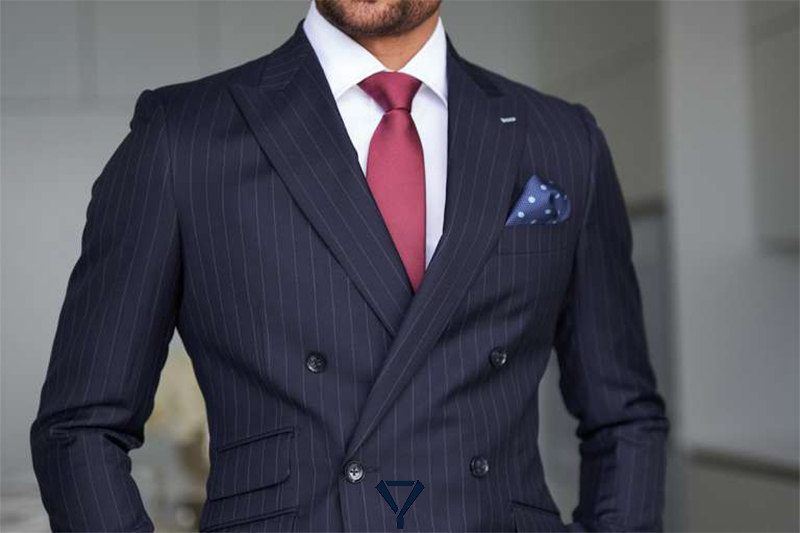
At the heart of Italian tailoring is a clear design philosophy: enhance the wearer’s natural proportions while keeping the suit light and fluid. Typically featuring soft shoulders, a clean chest, higher armholes, and a gently shaped waist, Italian cut suits rely on precise cutting and balanced proportions to create structure rather than heavy padding or stiff canvassing.
The result is a suit that looks refined and comfortable at the same time.
2. Key Characteristics of an Italian Cut Suit
Shoulder Construction: Natural and Effortless
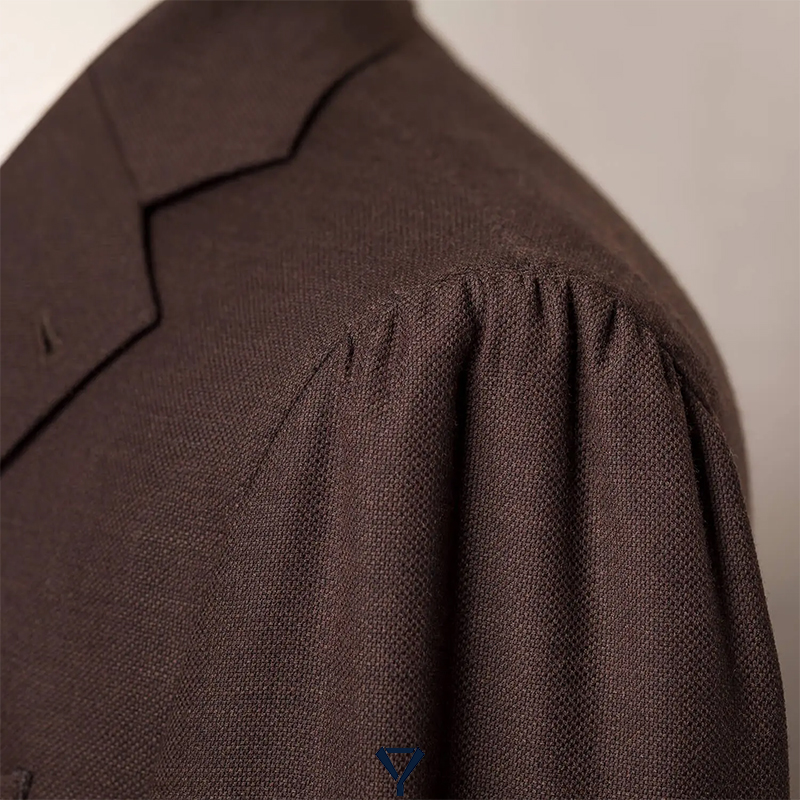
One of the most recognizable features of an Italian cut suit is its natural shoulder construction with little to no shoulder padding at all. It results in a softer, more relaxed look that follows the natural slope of the wearer’s shoulders.
A classic example is the Spalla Camicia, a Neapolitan shoulder style where the sleeve is attached like a shirt sleeve rather than being heavily structured. This technique creates gentle ripples at the shoulder seam and allows the jacket to move freely with the body.
Fit and Silhouette: Clean, Slim, and Flattering
The Italian cut suit is known for its slim-fit or tailored-fit silhouette, designed to closely follow the shape of the body. The jacket is gently sculpted through the waist, creating clear waist suppression that forms a sharp V-shaped profile from shoulders to hips.
This close cut does more than just look. It helps enhance the wearer’s proportions, making the torso appear leaner and the legs longer. When properly fitted, an Italian cut suit highlights the chest and shoulders while keeping the overall appearance clean and refined.
Jacket Length and Armholes: Designed for Movement
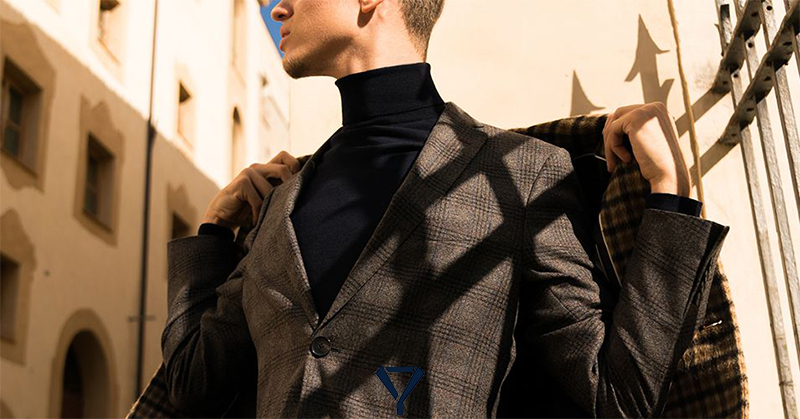
Another key detail of the Italian cut suit is its shorter jacket length, which visually lengthens the legs, contributing to a more dynamic and youthful appearance.
In addition, Italian jackets typically feature higher armholes, which may feel snug at first but significantly improve comfort and mobility. Higher armholes allow the arms to move independently from the body of the jacket, preventing the entire suit from shifting when you move.
Combined with clean, narrow sleeves, this construction creates a sharp silhouette while maintaining exceptional ease of movement, perfect for everyday wear and warmer climates.
Lapels and Pockets: Refined Details with a Neapolitan Touch
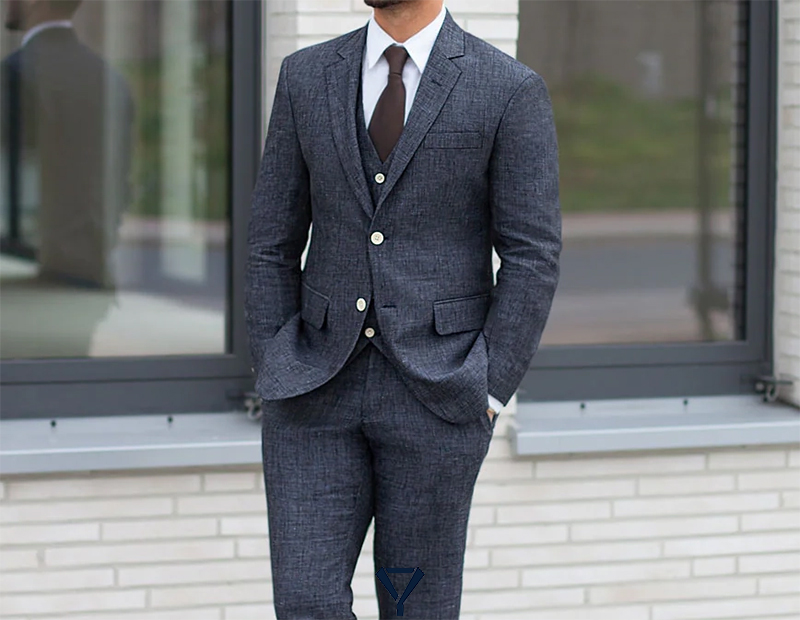
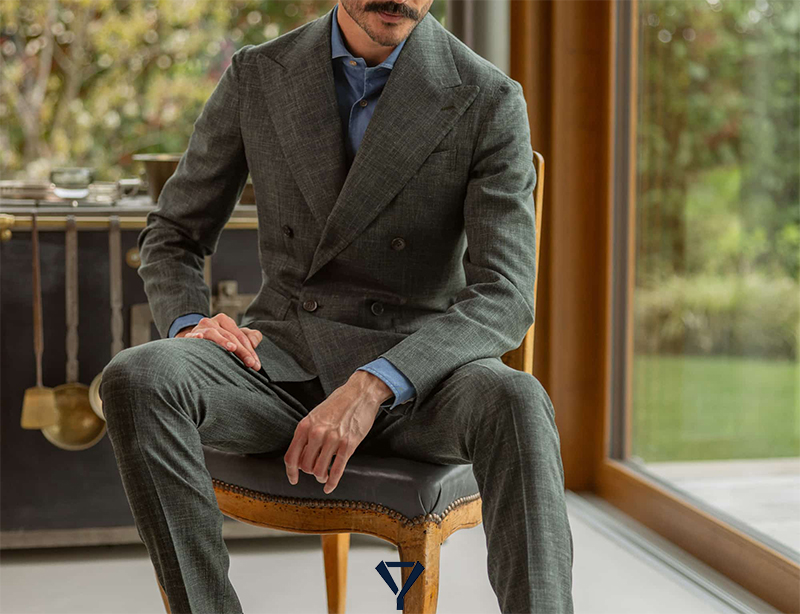
One of the most noticeable details is the wider lapel, which is a signature of Italian tailoring.
- High-set notch lapels are common for versatile, everyday elegance, while peak lapels are often used to add a sense of drama, confidence, and sophistication.
- Compared to narrower lapels found in modern fast-fashion suits, wider lapels create better visual balance and enhance the chest and shoulder line.
When it comes to pockets, Italian suits offer more variety and character, especially those influenced by Neapolitan tailoring.
- Jetted pockets provide a clean, minimalist look suitable for formal and business settings, while patch pockets add a relaxed, slightly sporty feel.
- Patch pockets are particularly popular in Naples, reinforcing the Italian philosophy that a suit should feel effortless and wearable rather than overly rigid.
Together, these details give the Italian cut suit its unmistakable charm: elegant, expressive, and never boring.
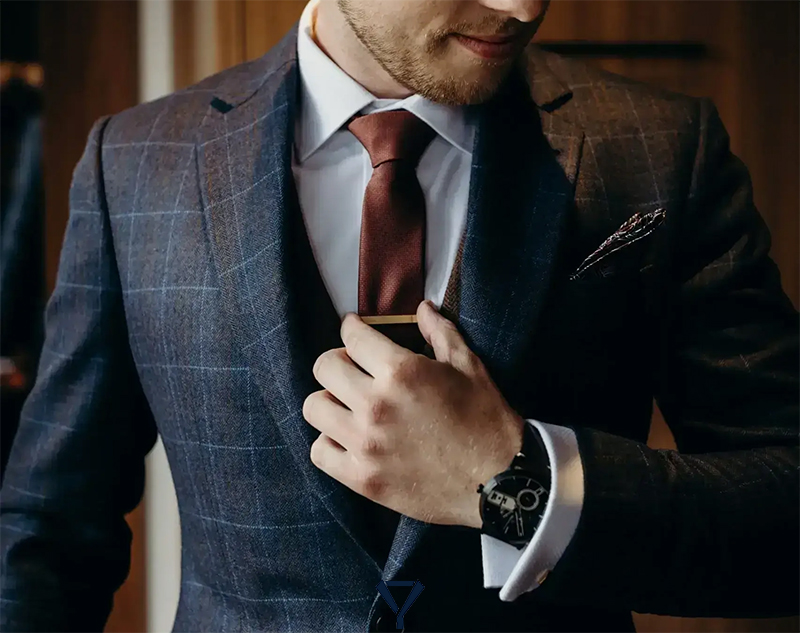
Fabric Choices: Lightweight Materials for Comfort and Style
Fabric selection is essential to the success of an Italian cut suit, as the slim silhouette requires materials that are both lightweight and breathable.
Italian tailoring traditionally favors fine super wool fabrics, typically ranging from Super 110s to Super 150s. These fabrics are soft, smooth, and flexible, allowing the suit to drape cleanly over the body without adding unnecessary bulk.
For warmer climates, Italian suits often use linen, cotton, or blended fabrics such as wool–silk or wool–linen. Linen offers exceptional breathability and a relaxed texture, while cotton provides structure with comfort.
Wool–silk blends add a subtle sheen and a luxurious feel without sacrificing lightness. These fabric choices reflect the Mediterranean influence behind Italian tailoring, designed to stay comfortable in the heat while maintaining a sharp, body-hugging fit.

3. Italian Cut Suit vs British Cut vs American Cut
Italian Cut Suit vs British Cut
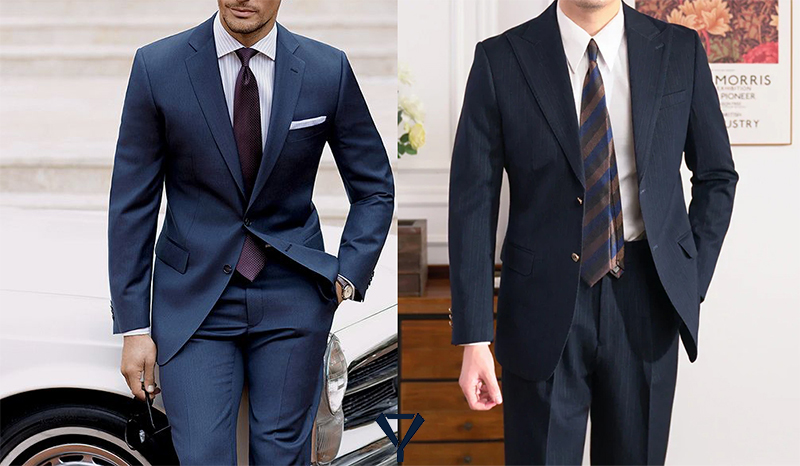
The comparison between an Italian cut suit and a British cut suit highlights two very different philosophies of tailoring.
An Italian cut suit is characterized by soft shoulders with minimal padding, a clearly defined waist, and a slightly shorter jacket length. This creates a sharp yet relaxed silhouette that follows the natural lines of the body. The overall look feels light and effortless, making Italian suits ideal for modern professionals, social events, and warmer climates.
In contrast, a British cut suit features heavily padded shoulders, a structured chest, and a longer jacket. The silhouette is more formal and rigid, designed to project power and discipline rather than flexibility. They are typically made from heavier wool fabrics, making them better suited for cooler climates and conservative business environments.
Italian Cut Suit vs American Cut
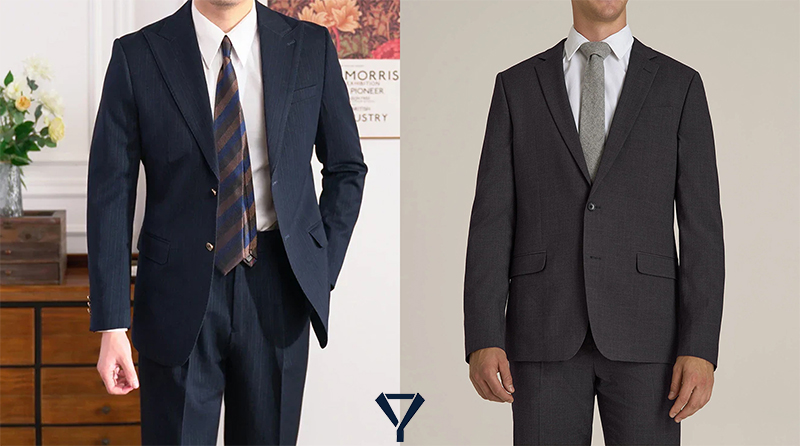
When comparing an Italian cut suit to an American cut suit, the key difference lies in how each style approaches fit and comfort.
An Italian cut suit features a slim or tailored fit, strong waist suppression, and higher armholes that allow for greater mobility despite the close cut. The jacket sits closer to the body, creating a refined silhouette that enhances height and proportions, making Italian suits especially popular among men who want a sharp, contemporary look.
The American cut suit, often known as the sack suit, has a looser, straighter fit with minimal waist shaping. Shoulders are natural, but the jacket tends to be longer and boxier, with a single vent at the back. This design allows for maximum comfort and fits a wide range of body types, but it lacks the visual sharpness and elegance like Italian tailoring.
Quick Comparison: Italian Cut vs British Cut vs American Cut
| Feature | Italian Cut | British Cut | American Cut |
|---|---|---|---|
| Fit | Slim, body-hugging | Structured, classic | Loose, straight |
| Shoulder | Soft, minimal padding | Heavily padded | Natural |
| Jacket Length | Shorter | Longer | Longer |
| Waist Suppression | Strong | Moderate | Minimal |
| Vent Style | No vent or double vent | Double vent | Single vent |
| Overall Style | Elegant, modern | Formal, authoritative | Comfortable, casual |
4. Italian Cut Suit Styles by Region
Although Italian tailoring shares a common philosophy of elegance and comfort, each region in Italy has developed its own distinct interpretation of the Italian cut suit. The most influential styles come from Naples, Milan, and Rome, each reflecting local culture, climate, and lifestyle.
Italian Cut Suit Neapolitan Style
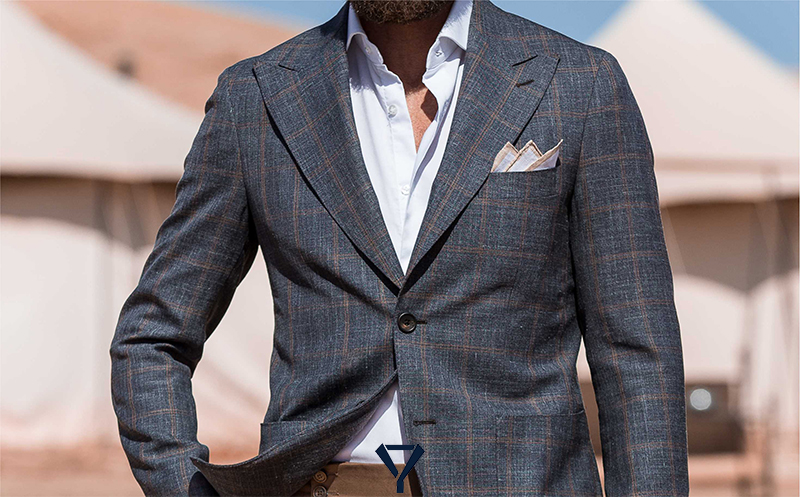
The Neapolitan cut suit is often considered the purest expression of Italian tailoring. Originating in the warm southern city of Naples, this style is designed for maximum comfort and freedom of movement.
Neapolitan jackets are typically unstructured, using little to no canvas or padding. One of their most recognizable features is the soft, shirt-like shoulder, often finished with light rippling at the sleeve head. This unmistakable hallmark of Neapolitan craftsmanship allows the jacket to drape naturally and move with the body rather than restrict it.
The Neapolitan Italian cut suit is ideal for men who value comfort, artisanal details, and a suit that feels as natural as everyday clothing while still looking refined.
Italian Cut Suit Milanese Style
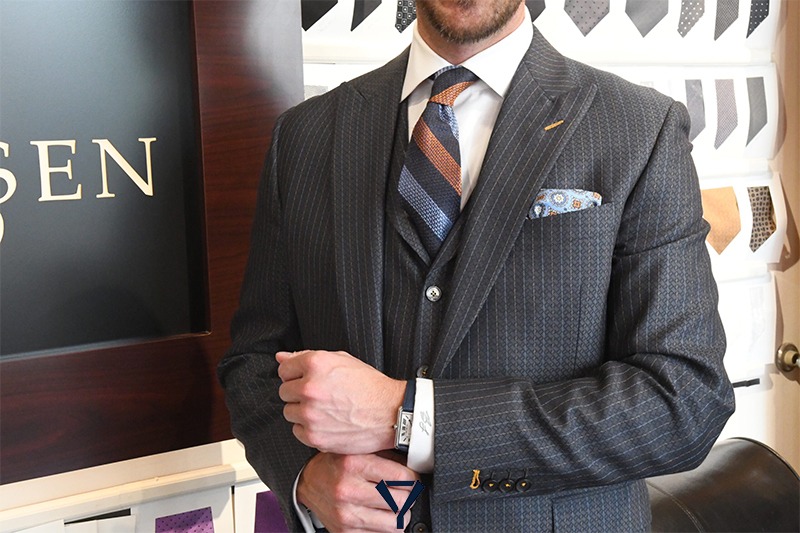
In contrast to the softness of Naples, the Milanese cut suit reflects the city’s reputation as Italy’s fashion and financial capital. Milanese tailoring introduces more structure and cleaner lines while maintaining the elegance of Italian design.
Milanese suits feature a sharper silhouette, with slightly padded shoulders, a defined chest, and a well-shaped waist. The jacket feels more precise and controlled compared to Neapolitan styles, making it especially suitable for high-end business environments and formal professional settings.
This version of the Italian cut suit appeals to men who want a modern, polished look that balances style and authority.
Italian Cut Suit Roman Style
The Roman cut suit sits between Neapolitan softness and Milanese sharpness, offering a more authoritative and masculine interpretation of Italian tailoring. Influenced by Rome’s historical role as a center of power, this style emphasizes presence and confidence.
Roman suits often feature stronger shoulder definition, a firmer chest, and a slightly more structured jacket. While still elegant, the silhouette is bolder and more commanding, projecting confidence without losing refinement. The design blends classic tailoring traditions with modern Italian aesthetics, making it suitable for both formal occasions and leadership roles.

5. Why Every Gentleman Should Own at Least One Italian Cut Suit
Owning an Italian cut suit is not just about following fashion trends but also about choosing a style that consistently works in your favor. Thanks to its thoughtful construction and refined silhouette, this type of suit offers several advantages that make it a smart investment for any modern gentleman.
The slim silhouette, shorter jacket length, and clearly defined waist create the illusion of longer legs and a leaner torso. As a result, many men find that an Italian cut suit makes them look taller and more athletic without requiring extreme tailoring.
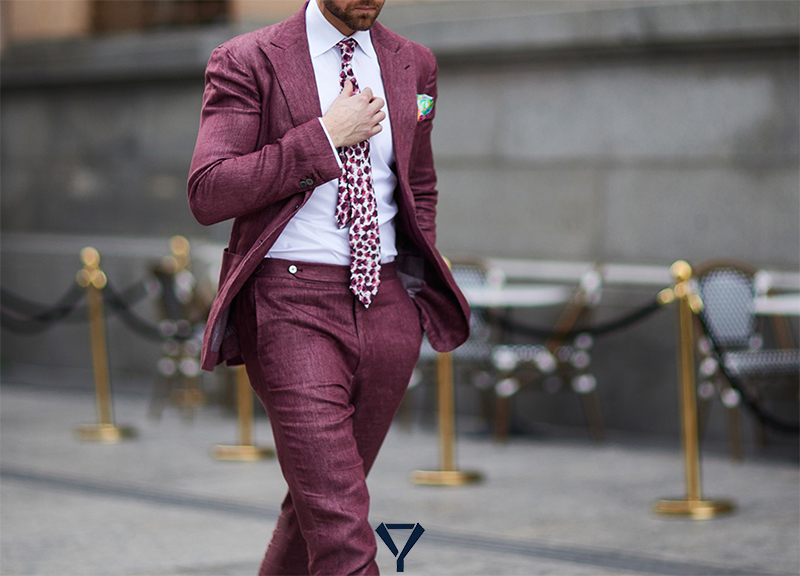
Compared to standard suit cuts, the Italian cut also flatters the body far more effectively. The close fit through the chest and waist highlights natural lines while avoiding a boxy appearance. When properly fitted, the suit enhances the shoulders, shapes the torso, and creates a sharp, confident outline that works across different body types.
Another reason to own an Italian cut suit is its versatility. The blazer can easily be worn on its own and paired with chinos or even well-fitted jeans for a smart-casual look. This makes the Italian cut blazer a practical piece that extends beyond formal occasions and fits seamlessly into everyday style.
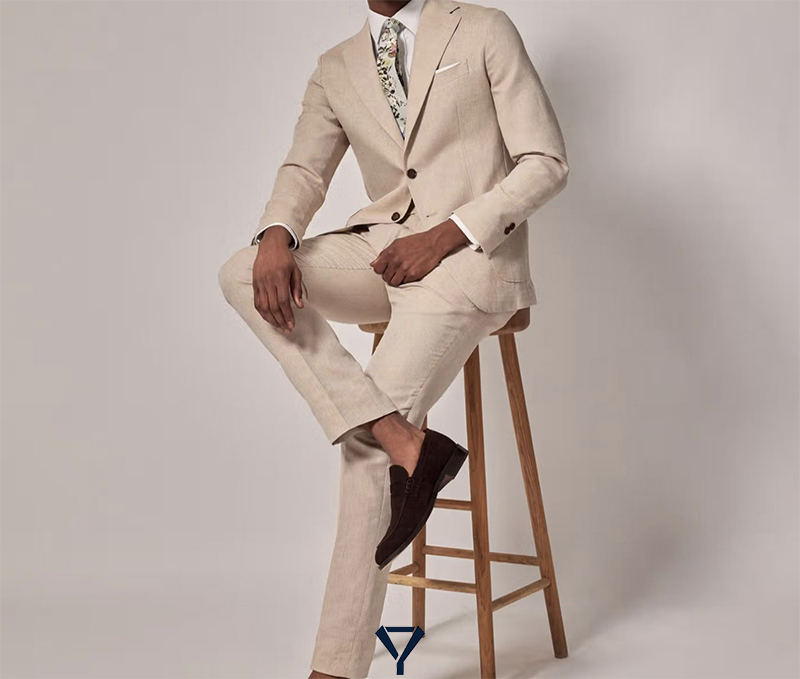
6. Italian Cut Suit Trousers
The trousers are an essential part of an Italian cut suit, designed to complement the jacket’s slim and elegant silhouette. Italian tailoring places great emphasis on proportion, ensuring the trousers enhance the body without appearing tight or restrictive.
A slightly higher rise helps balance the shorter jacket length and visually lengthens the legs, creating a more refined and flattering overall appearance. This detail is especially effective for improving proportions and adding a sense of classic elegance.
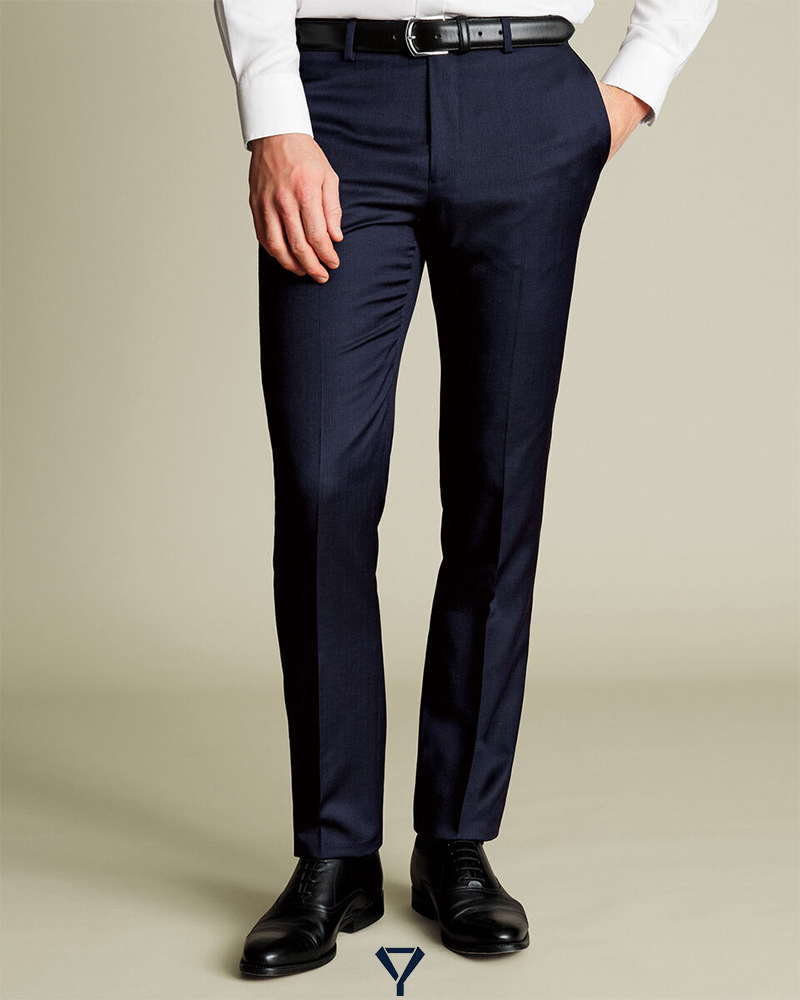
In terms of fit, Italian cut suit trousers typically feature a slim or tailored leg. The cut follows the natural line of the leg, tapering gently toward the ankle without clinging too closely. This shape maintains a sharp look while allowing comfortable movement, making it suitable for both formal and smart-casual settings.
Italian trousers usually have few or no pleats, favoring a clean, modern front. Flat-front or single-pleat designs help reduce bulk around the waist and keep the silhouette sleek. This minimalist approach reinforces the contemporary feel of the Italian cut suit.
Finally, the trouser hem is kept neat and precise. Most Italian suits feature a no-break or slight break, allowing the trousers to rest cleanly on the shoe without excess fabric. This finishing detail completes the polished, streamlined look that defines Italian tailoring.
7. How to Style an Italian Cut Suit with Sprezzatura
Styling an Italian cut suit is about more than matching pieces correctly. It’s about achieving sprezzatura – looking elegant without being overstyled. Every item should feel intentional yet effortless, refined but never stiff.
Shirts
Slim-fit shirts work best, as they follow the body closely without creating excess fabric under the jacket. A clean fit through the chest and waist helps maintain the sharp lines that define Italian tailoring.
When it comes to collars, spread collars and cutaway collars are the preferred choices. Their wider opening balances the broader lapels commonly found on Italian suits and frames the face more elegantly. These collar styles also pair naturally with ties, creating a polished look that still feels relaxed and modern.
Ties and Accessories
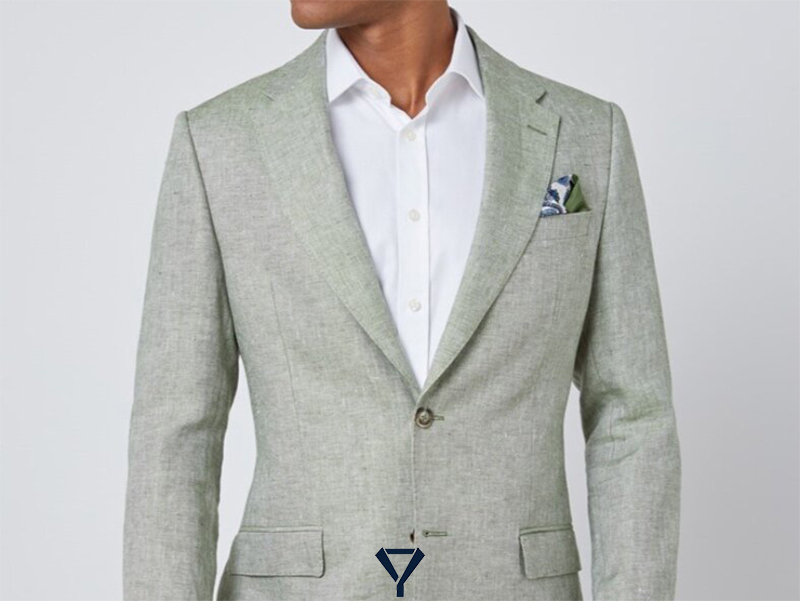
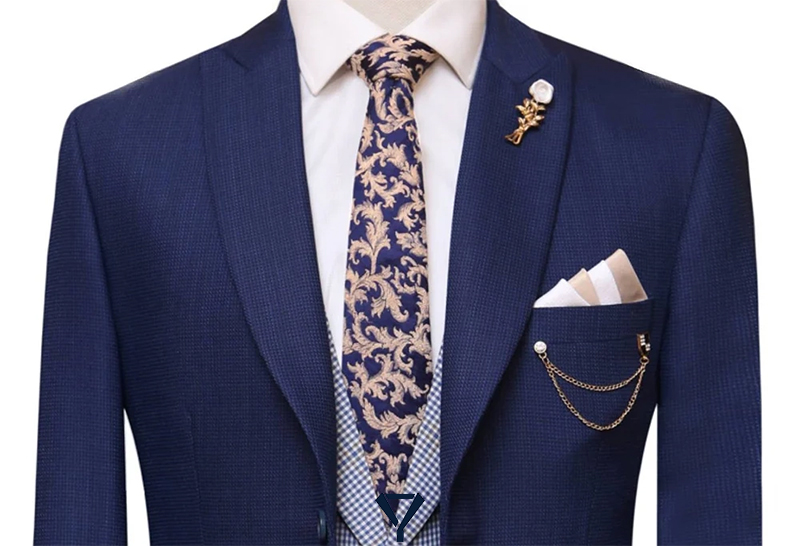
Italian style favors restraint and texture over bold statements. For an Italian cut suit, choose a narrow to medium-width tie that matches the slim proportions of the jacket. Oversized ties can disrupt the balance of the outfit and feel out of place.
Grenadine and silk ties are classic Italian options. Grenadine adds texture and depth without being flashy, while silk offers a smooth, refined finish suitable for both business and formal occasions. Accessories should enhance the outfit, not dominate it.
A pocket square is an essential finishing touch. Rather than folding it perfectly, Italians prefer a more relaxed, slightly uneven fold. This casual placement reinforces the spirit of sprezzatura.
Shoes
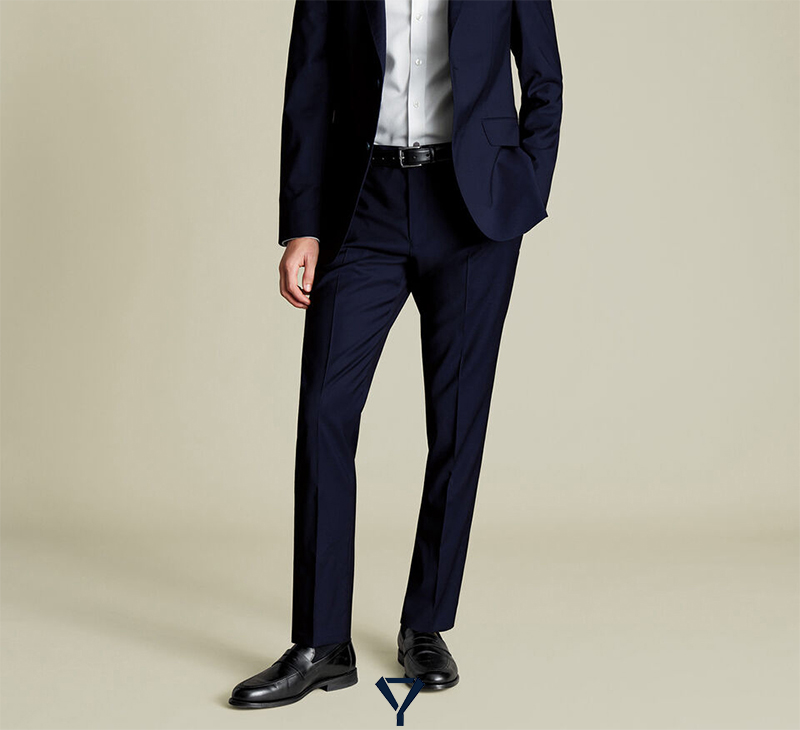
Footwear plays a key role in completing the Italian cut suit look. Loafers are a natural match, offering elegance with a relaxed attitude that works especially well for business-casual and summer suits.
For a slightly dressier option, double monk strap shoes provide sophistication with personality. Their distinctive buckle design adds visual interest without overpowering the outfit. Traditional Oxford or Derby shoes, particularly in Italian styles with sleeker shapes, are also excellent choices for formal or professional settings.
8. Italian Cut Suit for Different Body Types
One of the strengths of an Italian cut suit is its ability to enhance proportions when chosen and tailored correctly. However, because this style emphasizes a close fit, understanding how it works with different body types is essential.

Italian Cut Suit for Slim Body Types
Men with a slim or lean build often benefit the most from an Italian cut suit. The structured waist and close fit through the chest help add shape to the torso, preventing the suit from looking flat or lifeless.
For slimmer frames, the key is to avoid overly tight tailoring. A well-balanced Italian cut should gently contour the body while allowing enough room for comfort. Choosing slightly textured fabrics such as wool flannel, wool–silk blends, or subtle patterns can also add visual depth and prevent the suit from appearing too sharp or narrow.
Italian Cut Suit for Average Body Types
For men with an average build, the Italian cut suit offers a near-perfect balance between elegance and comfort. The natural shoulders, defined waist, and tailored trousers work together to create a clean, flattering silhouette without exaggeration.
This body type has the most flexibility. Both Neapolitan and Milanese styles work well, depending on whether you prefer a softer or more structured look. Sticking to lightweight wool fabrics and a moderate slim fit ensures the suit looks refined while remaining easy to wear throughout the day.
Italian Cut Suit for Broader or Heavier Builds
Men with a broader or heavier build can still wear an Italian cut suit successfully, but careful adjustments are necessary. The goal is to achieve a tailored fit, not a tight one. Excessive waist suppression or overly slim trousers can make the suit feel restrictive and visually unbalanced.
For this body type, it is best to choose slightly heavier fabrics that drape well and provide structure without clinging to the body. A jacket with a touch more room in the chest and a clean, straight trouser line will create a more balanced appearance.
Avoid extremely short jackets and ultra-slim cuts, as they can exaggerate proportions rather than enhance them.
Conclusion
The Italian cut suit is more than a tailoring style, but also a reflection of how elegance and confidence should feel. With its soft construction, clean lines, and body-enhancing silhouette, it strikes a rare balance between comfort and refinement. Whether worn in a professional setting, at a wedding, or styled casually with loafers and an open-collar shirt, an Italian cut suit always communicates intention and taste.
In the end, choosing an Italian cut suit is not just about dressing well. It’s about embracing a mindset. As the Italians understand so well, true style is never forced. It simply comes naturally.
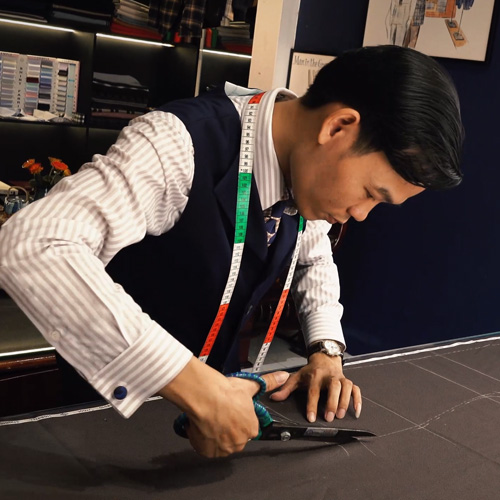
Created from my passion for sartorial that I discovered through learning and working in the field, YOURSUITTREND is dedicated to providing in-depth knowledge, expert styling tips, and the latest trends in men’s tailored fashion. If you ever come to Vietnam, let’s grab a glass 🙂