When talking about a well-made suit, most people focus on the visible details. The suit color, the cut, or the outer fabric. Yet there is an equally important element that quietly sits beneath the surface, largely unseen, but plays a decisive role in both comfort and durability: the suit lining.
Behind this thin layer of fabric lies a world of craftsmanship, performance, and subtle luxury. In this guide, we will uncover the secrets of suit lining. What it is, why it matters, and how choosing the right lining can elevate a suit from simply good-looking to truly exceptional.
1. What Is Suit Lining?
Suit lining is the inner layer of fabric sewn inside a suit jacket (and the trousers, in some cases). Although it is not always visible from the outside, suit lining plays an essential role in how a suit feels, functions, and holds up over time. It acts as a protective and comfort-enhancing layer between the wearer’s body and the outer fabric of the suit.
In a suit jacket, lining is commonly found in the main body of the jacket, covering the chest, back, and sides. The sleeves are almost always lined, allowing the arms to move smoothly and making it easier to put the jacket on and take it off.
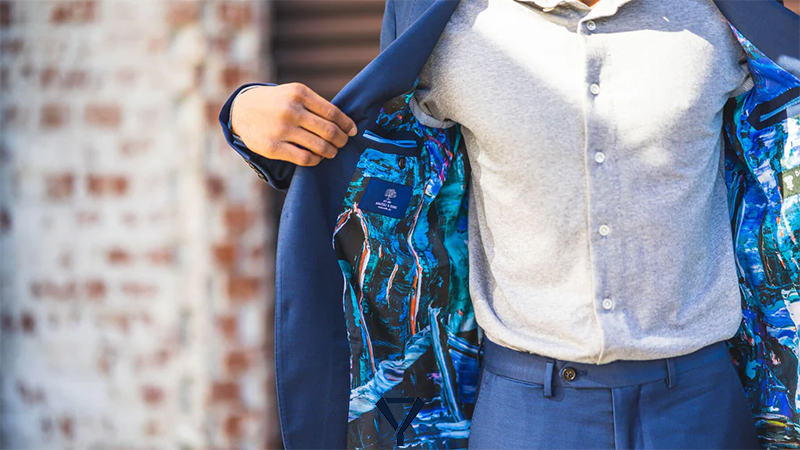
In suit trousers, lining is typically used in specific areas such as the waistband or the knee, where friction and wear are most common.
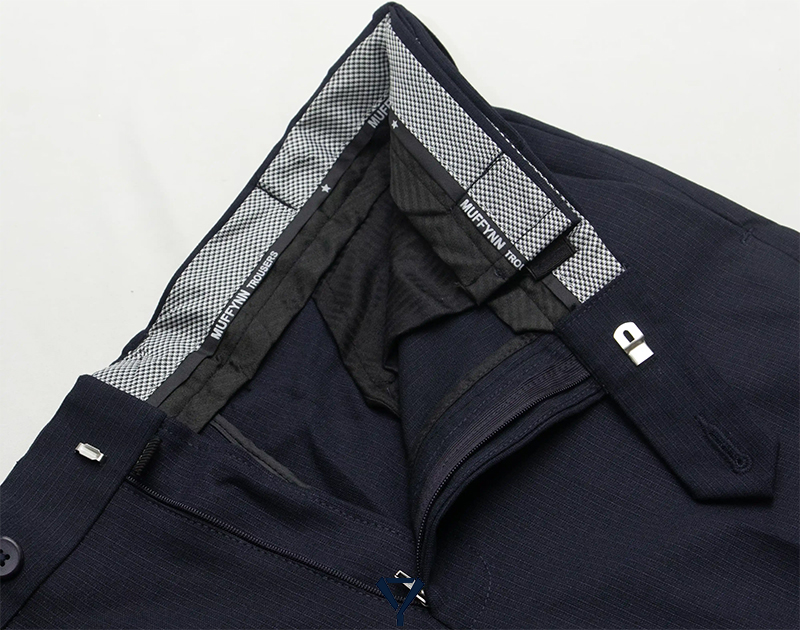
Understanding what suit lining is, where it is used, and how it differs from other suit components helps clarify the internal construction of a suit, allowing you to better evaluate quality, craftsmanship, and suitability when choosing or tailoring a suit.
2. Why Suit Lining Is Important
Comfort & Breathability
Lining allows the jacket and trousers to glide smoothly over the skin and shirt, preventing the suit from clinging to the body. This makes the suit easier to wear for long periods, especially during extended workdays or formal events.
Lightweight, breathable linings also help regulate body temperature by allowing air circulation and moisture control.
In warm climates or during summer, the right lining can make the difference between a suit that feels comfortable and one that feels heavy or suffocating. Poor-quality or overly thick linings, on the other hand, can trap heat and reduce overall wearability.

Durability & Shape Retention
Suit lining plays a key role in extending the lifespan of a suit. By acting as a barrier between the wearer’s body and the outer fabric, lining reduces friction caused by movement and sweat. This helps prevent premature wear in high-stress areas such as the shoulders, underarms, and back.
In addition to protecting the fabric, the lining contributes to shape retention. A properly lined jacket maintains its structure and drape more effectively over time, helping the suit look sharp even after repeated wear. Without adequate lining, the outer fabric is more likely to stretch, wrinkle, or lose its original form.
Aesthetic & Luxury Feel
Beyond function, suit lining significantly affects the perceived quality of a suit.
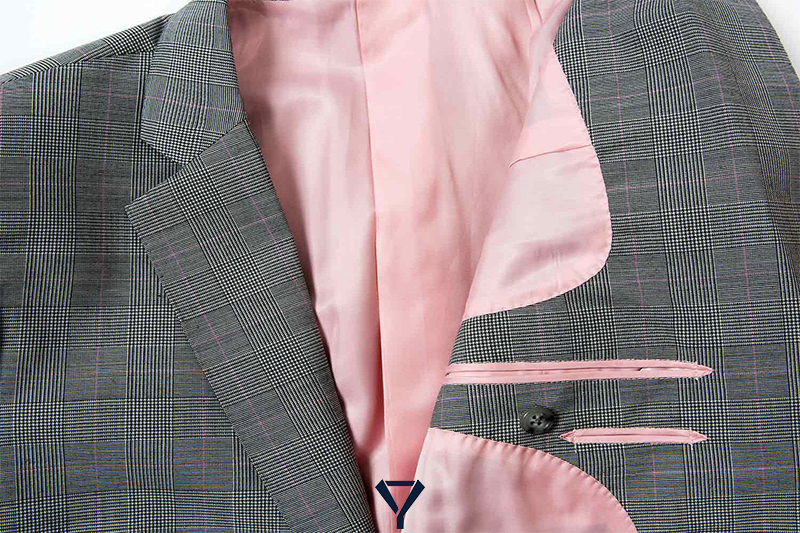
High-end linings create a smooth, refined interior that signals attention to detail and craftsmanship. When putting on a suit, the feel of the lining is often one of the first indicators of whether the garment is truly well-made.
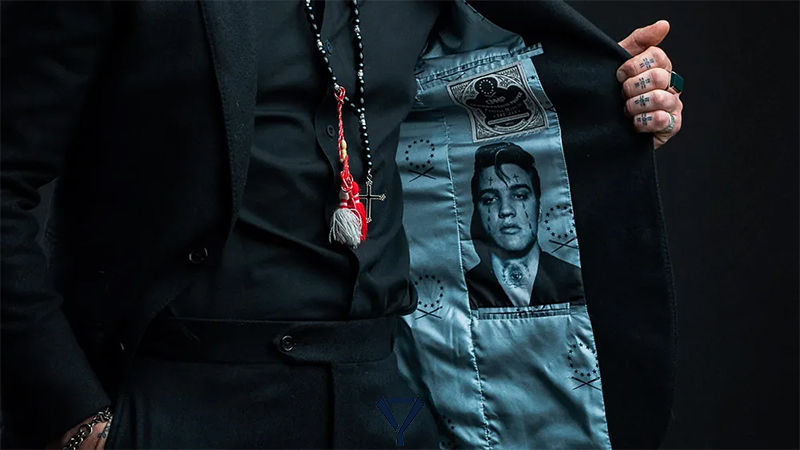
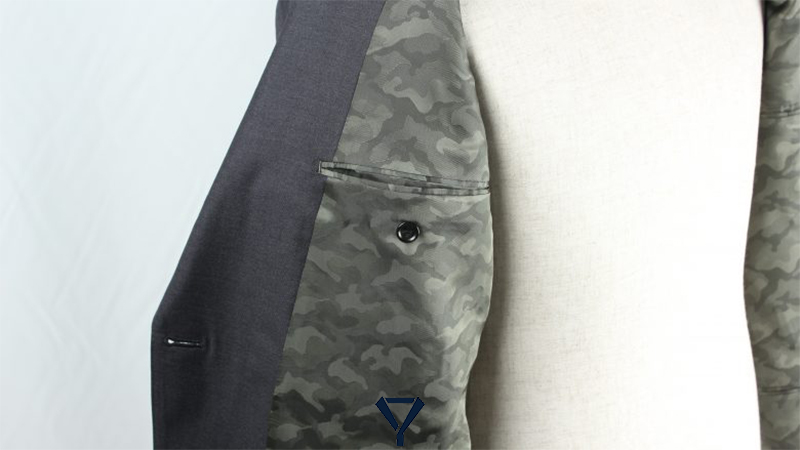
Lining also offers an opportunity for subtle personal expression. Classic solid colors maintain a timeless and professional appearance, while patterned or contrast linings add character and individuality without overpowering the suit’s exterior.
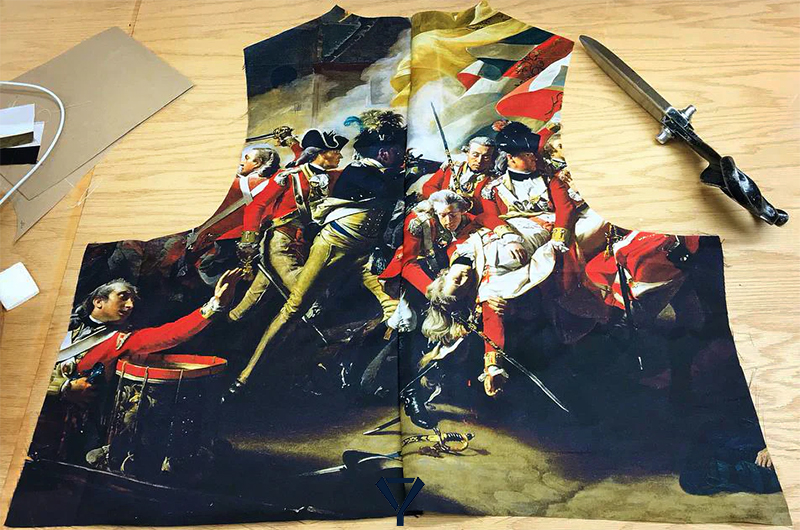
3. Types of Suit Lining
Suit lining can be categorized based on how much of the jacket’s interior is covered. The level of lining directly affects a suit’s structure, breathability, and overall comfort.
Full Lined Suit
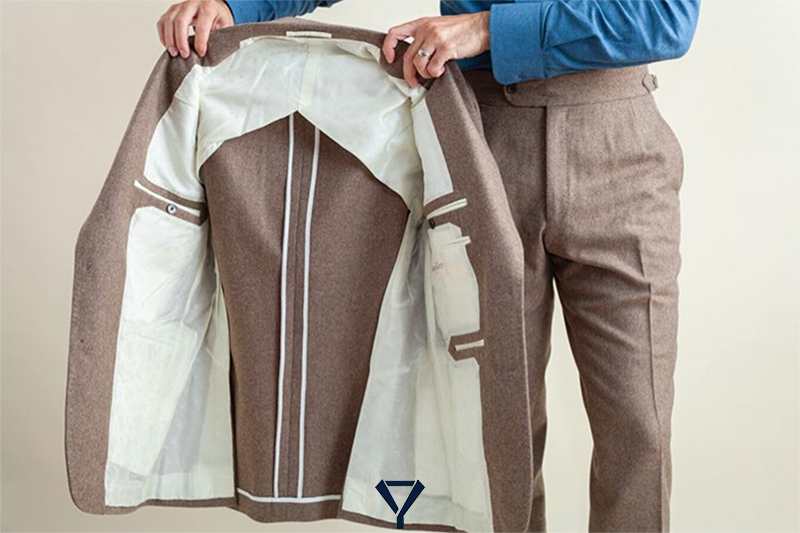
A full-lined suit features lining that covers the entire interior of the jacket, including the chest, back, sides, and sleeves. This is the most traditional and structured form of suit lining, commonly found in classic business and formal suits.
Full lining provides maximum comfort and protection by creating a smooth barrier between the body and the outer fabric. It reduces friction, helps the jacket maintain its shape, and adds durability, especially in areas that experience frequent movement.
Because of its added layer, a full-lined suit offers better insulation, making it particularly suitable for cold weather or cooler indoor environments. It also supports stronger construction, which is why full lining is often paired with structured tailoring and canvas construction.
For professional settings, corporate wear, and formal occasions, a full-lined suit remains the safest and most versatile choice.
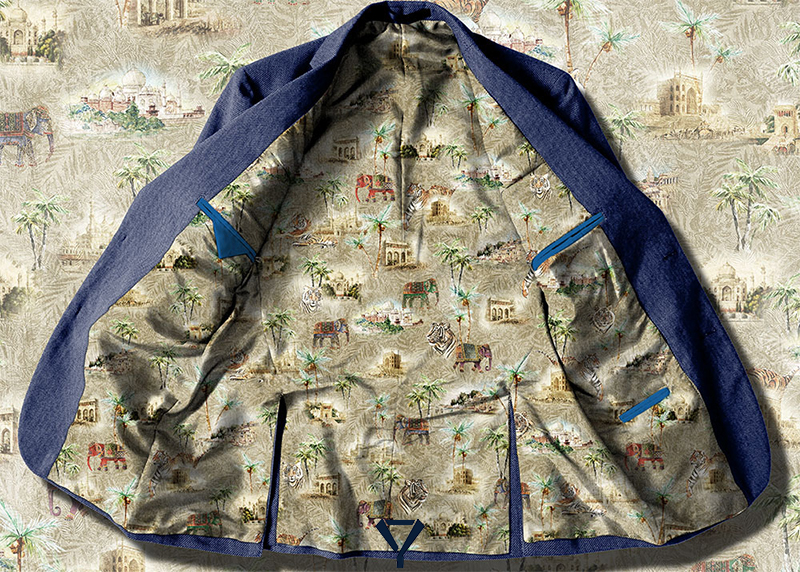
Half Lined Suit
A half-lined suit uses lining only in specific areas of the jacket, typically the upper back, shoulders, and sleeves, while leaving the lower back and sides unlined or lightly finished.
By reducing the amount of lining, half-lined suits feel noticeably lighter and cooler than fully lined jackets. They allow better airflow and enhance comfort in warm climates or during long hours of wear. At the same time, the lined upper sections preserve the jacket’s shape and provide enough structure for a clean, polished look.
Half lining is especially popular in modern tailoring, where comfort and versatility are prioritized without sacrificing elegance.
This type of suit is an excellent choice for business-casual environments, all-season suits, and men who want a refined appearance with improved wearability.
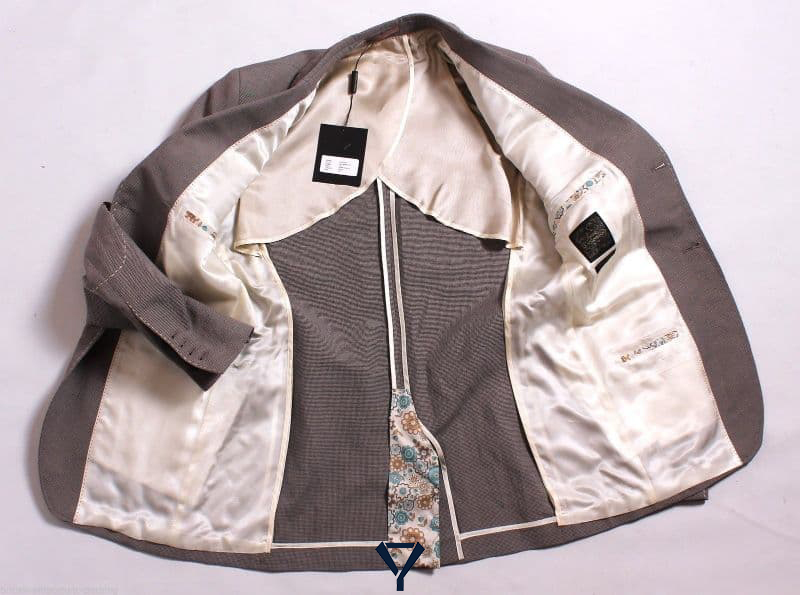
Quarter Lined / Butterfly Lined Suit
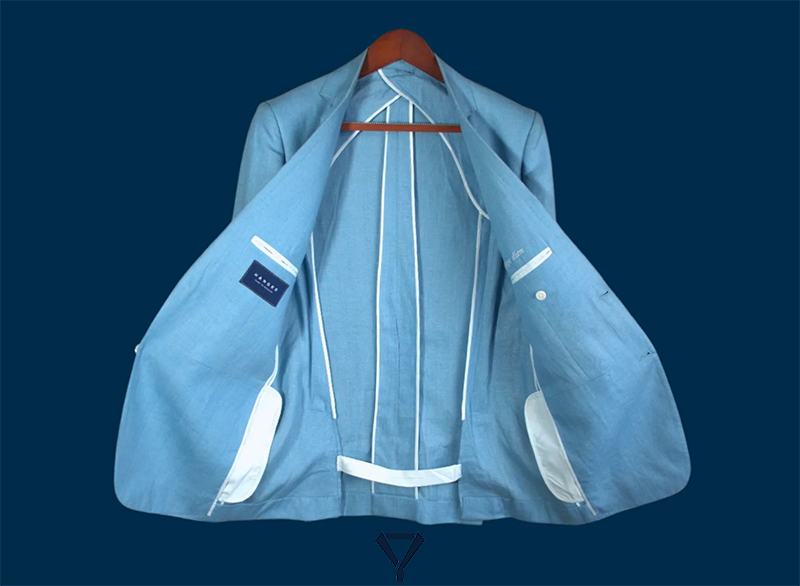
A quarter-lined suit (often referred to as a butterfly-lined suit) uses a minimal amount of lining, typically placed only across the upper back and shoulders of the jacket. The lining forms a wing-like or butterfly shape, leaving most of the lower back and sides completely unlined.
This type of lining is designed to maximize breathability and reduce weight while still providing light structural support in key areas. By lining only the upper portion of the jacket, the suit maintains a clean drape across the shoulders and chest without trapping heat in the lower body. As a result, the suits feel noticeably lighter and cooler even than the half-lined jackets.
Quarter-lined construction is especially popular in summer suits and warm-weather tailoring, and pairs exceptionally well with breathable suit fabrics such as linen, cotton, lightweight wool, and wool blends. This lining style is also closely associated with Italian-style tailoring, where comfort, fluidity, and natural movement are prioritized over rigid structure.
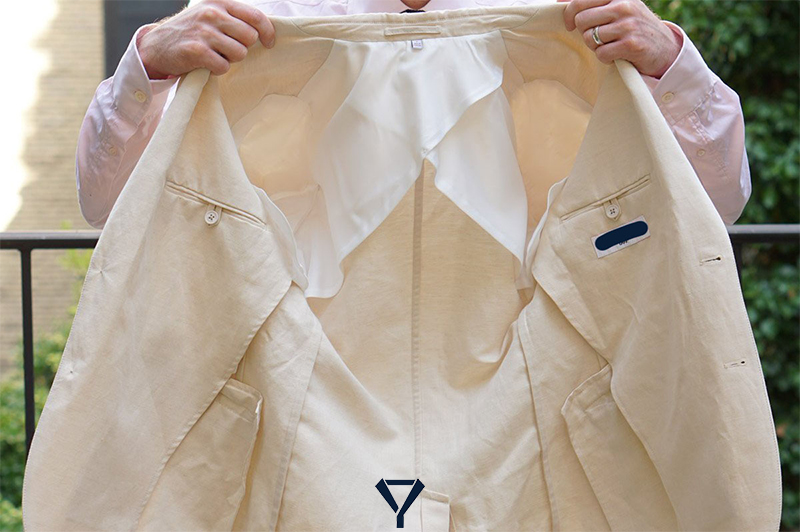
Unlined Suit
An unlined suit features no interior lining at all, meaning the jacket’s outer fabric is worn directly against the shirt. This construction removes all “unnecessary layers”, resulting in the lightest and most breathable suit option available.
Unlined suits are known for their casual, relaxed appearance and exceptional comfort in warm weather. Without lining, the jacket feels soft, flexible, and almost shirt-like, allowing for unrestricted movement. This makes unlined jackets especially suitable for summer suits, destination weddings, travel, and informal tailoring where comfort is the top priority.
However, unlined suits come with both advantages and drawbacks. Obviously.
On the positive side, they offer maximum breathability, reduced weight, and a natural drape that feels effortless to wear.
The downside? No lining means no protection for the outer fabric, which can lead to faster wear over time. Unlined jackets also provide less structure, making them less appropriate for formal business environments or sharp, traditional silhouettes.
4. Suit Lining Materials
While many linings may look similar at first glance, the fabric used inside a suit can dramatically change how it feels to wear and how it performs over time. The choice of suit lining material has a direct impact on comfort, breathability, durability, and overall quality.
Silk Lining
Silk lining represents the height of luxury in suit construction. Known for its natural sheen and exceptionally smooth hand feel, silk instantly elevates the interior of a suit and is often used in high-end bespoke garments or statement pieces.
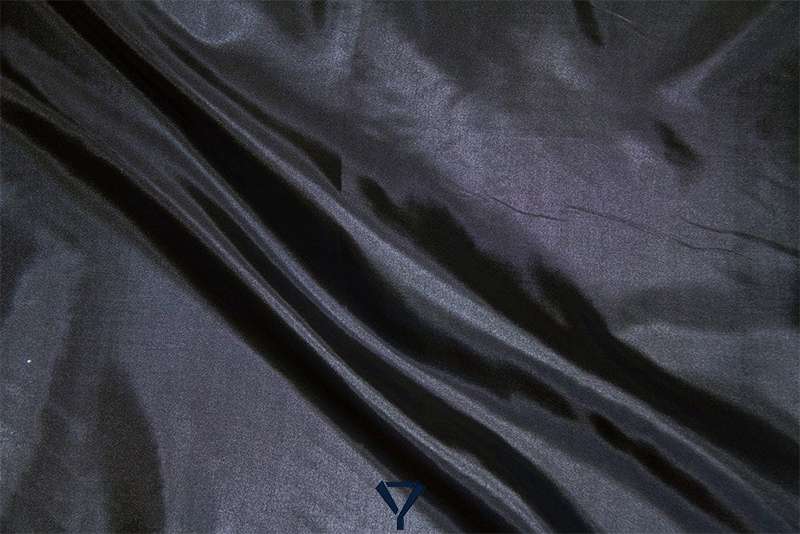
The primary appeal of silk lining lies in its luxurious appearance and tactile experience. It feels soft against the skin, drapes beautifully, and adds a sense of exclusivity to the suit. For special occasion suits, wedding suits, or custom pieces designed to impress, silk lining can be an elegant choice.
However, silk lining also comes with notable drawbacks. It is significantly more expensive than other lining materials and is less durable when exposed to frequent friction and moisture.
Over time, silk can weaken, tear, or show wear more quickly than Bemberg or high-quality viscose linings. It also requires more careful maintenance, making it less suitable for everyday business suits.
Polyester Lining
Polyester lining is one of the most common lining materials used in ready-to-wear suits, particularly in entry-level and mass-produced garments. Its popularity comes largely from its low cost, ease of production, and high resistance to wrinkles and wear.
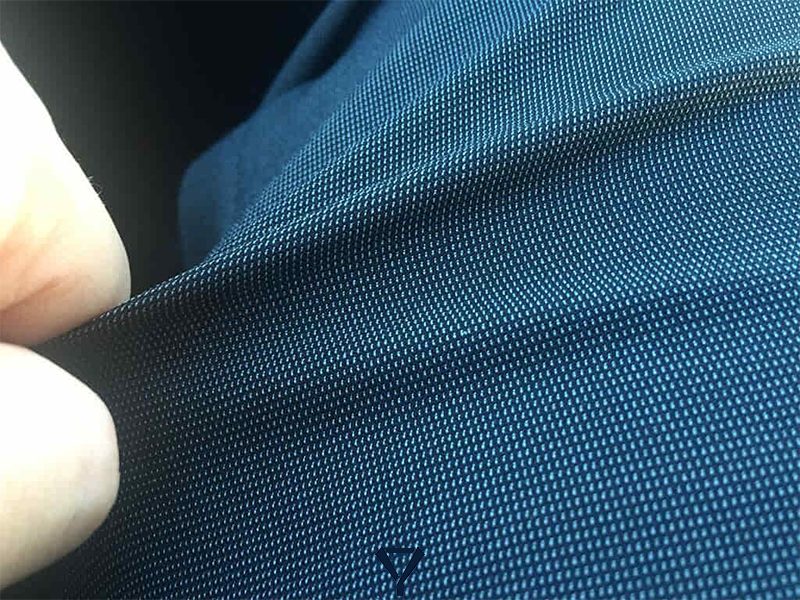
From a manufacturing standpoint, polyester lining is durable and consistent, making it suitable for large-scale production. It is also easy to maintain, as it resists shrinking and holds color well after repeated dry cleaning.
However, polyester fabric is significantly less breathable than natural or semi-natural fibers, which can cause heat and moisture to become trapped inside the jacket.
As a result, suits with polyester lining often feel warm, stiff, or uncomfortable during long periods of wear, especially in hot or humid climates. The synthetic texture can also reduce the smooth, fluid feel that is expected from higher-quality tailoring.
For occasional wear or budget-friendly suits, polyester lining may be acceptable. However, for daily business wear or warm-weather suits, it is generally considered a lower-quality option compared to other alternatives below.
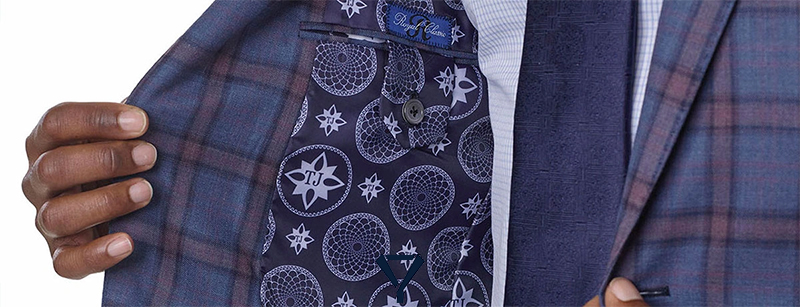
Viscose / Rayon Lining
Viscose, also known as rayon, sits comfortably in the mid-range of suit lining materials, offering a balance between affordability and performance.
Made from regenerated cellulose fibers, viscose lining provides a softer and more breathable feel than polyester while remaining more cost-effective than premium options like Bemberg or silk.
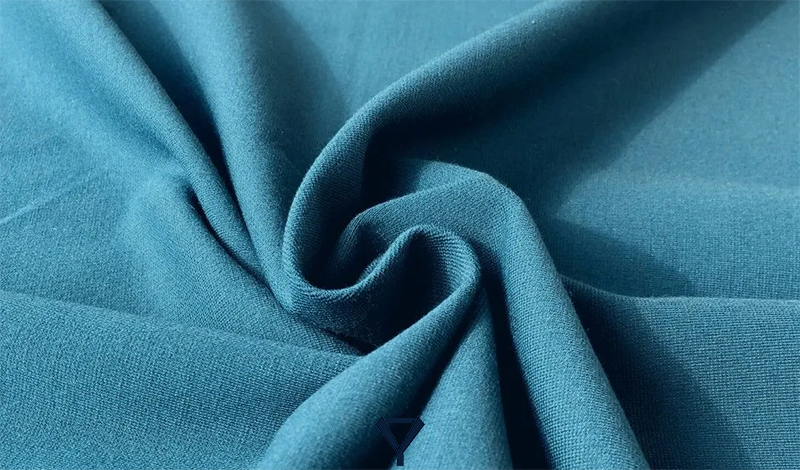
One of the main advantages of viscose lining is its smooth texture and improved airflow. It allows the jacket to move more naturally with the body and feels noticeably cooler and more comfortable than synthetic linings. This makes viscose a popular choice in mid-range suits and well-made ready-to-wear collections.
While viscose lining is not as durable or moisture-resistant as Bemberg, it delivers good overall performance for its price point. With proper care, it can maintain its appearance and comfort over time, making it a practical choice for men who want better quality without a significant increase in cost.
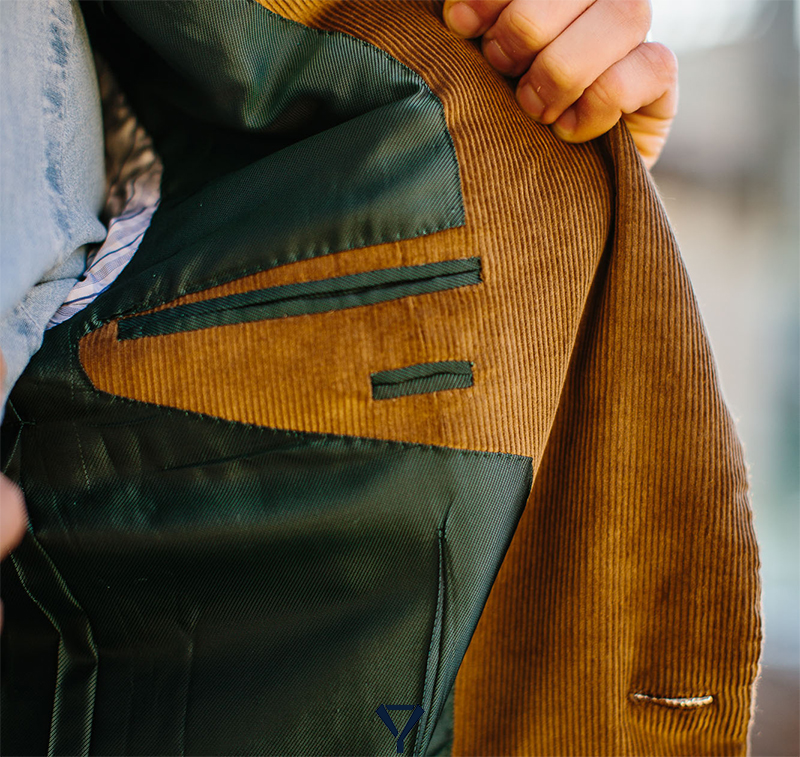
Bemberg (Cupro) Lining
Bemberg lining, also known as cupro lining, is widely regarded as one of the best materials for suit lining.
Made from regenerated cotton fibers, Bemberg is prized for its smooth texture, excellent breathability, and long-lasting durability. For this reason, it is commonly used in bespoke tailoring and high-end ready-to-wear suits.
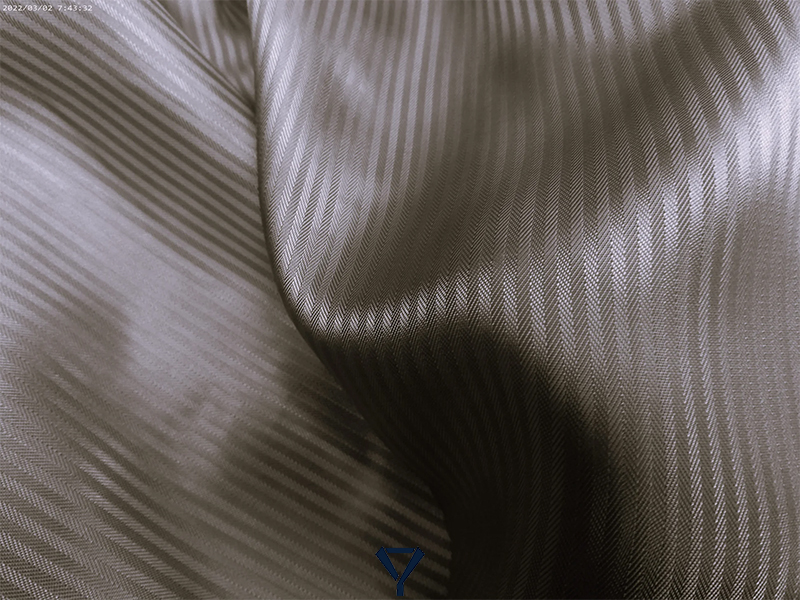
One of the key advantages of Bemberg lining is its ability to regulate temperature. It allows air to circulate freely while absorbing moisture, helping the suit feel cool and comfortable even during extended wear. The fabric also has a naturally silky feel, allowing the jacket to glide effortlessly over the shirt without clinging to the body.
Compared to silk, Bemberg offers a more practical balance between luxury and performance. It delivers a refined, high-quality feel without the high cost or delicate maintenance requirements of silk.
When compared to polyester lining, Bemberg is far more breathable, softer against the skin, and significantly more comfortable in warm climates. It also ages better, maintaining its smoothness and integrity over time.
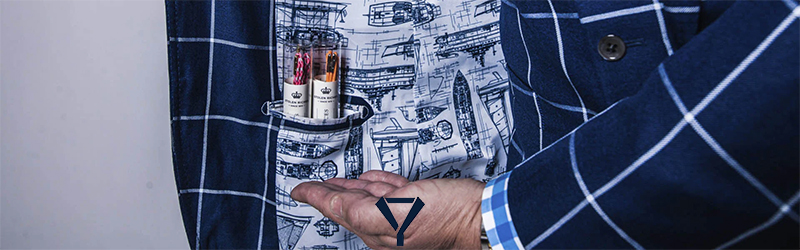
Cotton Lining
Cotton lining is less common in tailored suits compared to materials like Bemberg, viscose, or polyester. It is rarely used in traditional business suits and formal tailoring, as cotton does not provide the same smooth, refined finish associated with classic suit construction.
That said, cotton lining has its place in specific styles of tailoring, particularly summer suits and casual jackets. As a natural fiber, cotton is breathable and comfortable against the skin, making it suitable for warm-weather wear. It allows better airflow than synthetic linings and helps reduce the heavy, enclosed feeling that fully lined suits can create in hot or humid climates.
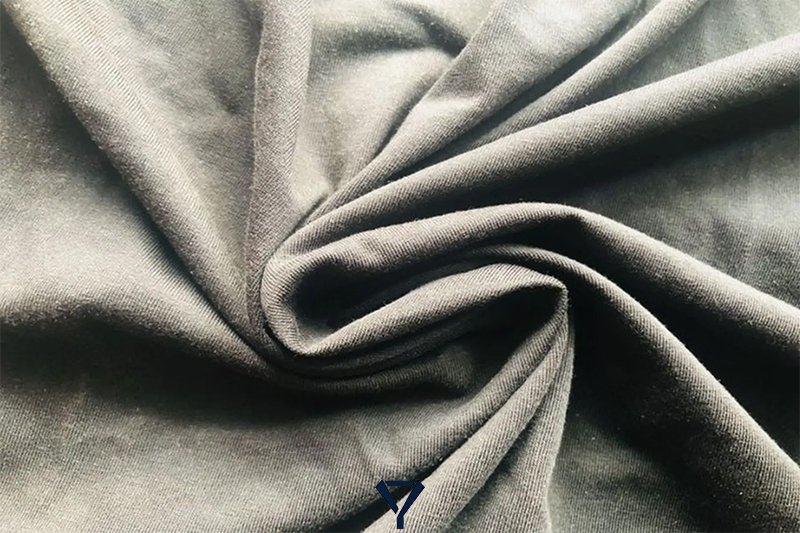
Because cotton has a slightly textured surface and lacks the slippery feel of cupro or silk, it is often used in lightly structured or unstructured jackets rather than formal suits. Cotton lining complements relaxed fabrics such as linen, cotton blends, or lightweight wool, reinforcing a casual, easygoing aesthetic.
5. Suit Lining Patterns & Colors
While lining remains mostly hidden during wear, its color and pattern subtly communicate style, taste, and attention to detail. Choosing the right lining can enhance the overall character of a suit without distracting from its exterior.
Solid Color Lining
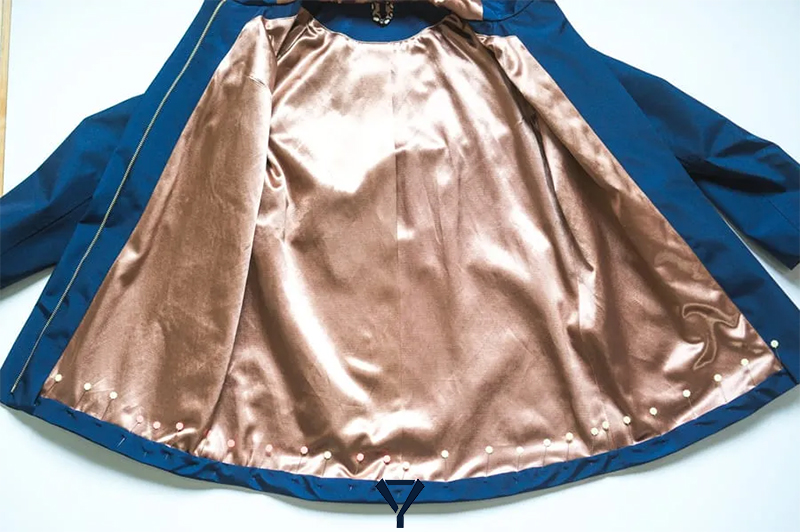
Solid color linings are the most popular and versatile choice in suit tailoring. They are considered safe, timeless, and appropriate for nearly all settings, from formal business environments to special occasions. A solid lining supports a clean and professional look while allowing the focus to remain on the suit’s cut and outer fabric.
Common solid lining colors include navy, grey, burgundy, and black.
- Navy and grey linings are classic options that pair seamlessly with most suit colors and are especially suitable for office and corporate wear.
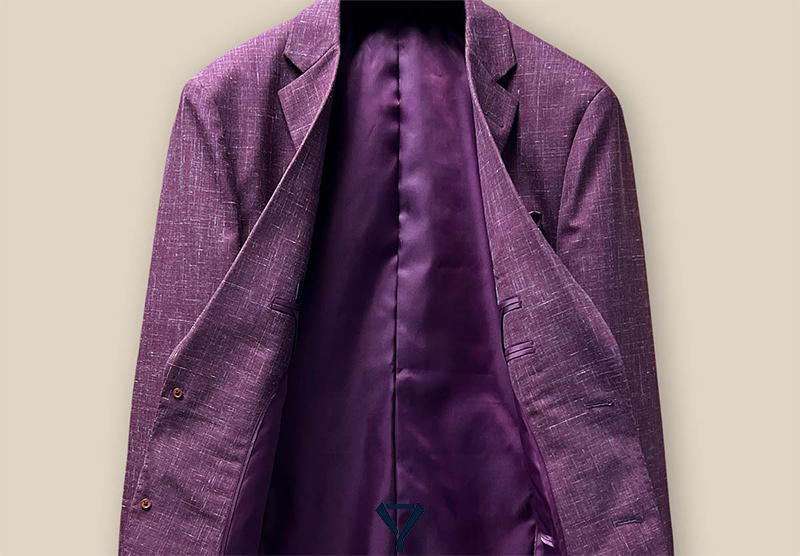
- Burgundy lining adds a subtle touch of depth and sophistication without being overly bold, making it a favorite in high-end tailoring.
- Black lining offers a sleek, understated appearance and works best in formal or evening suits.
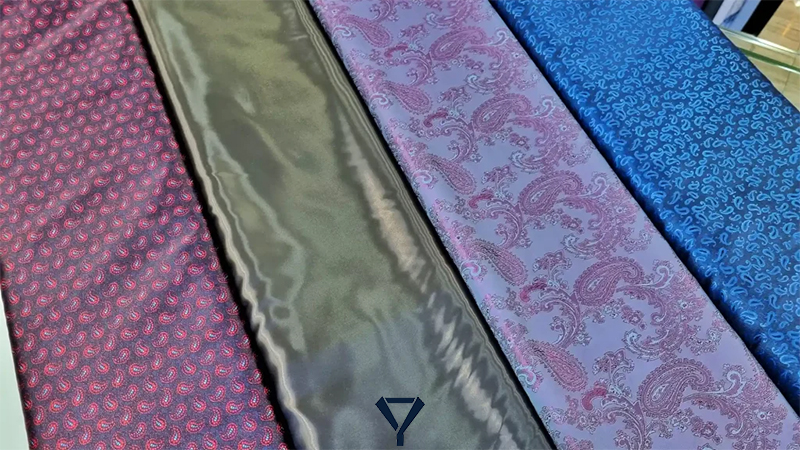
Patterned Suit Lining
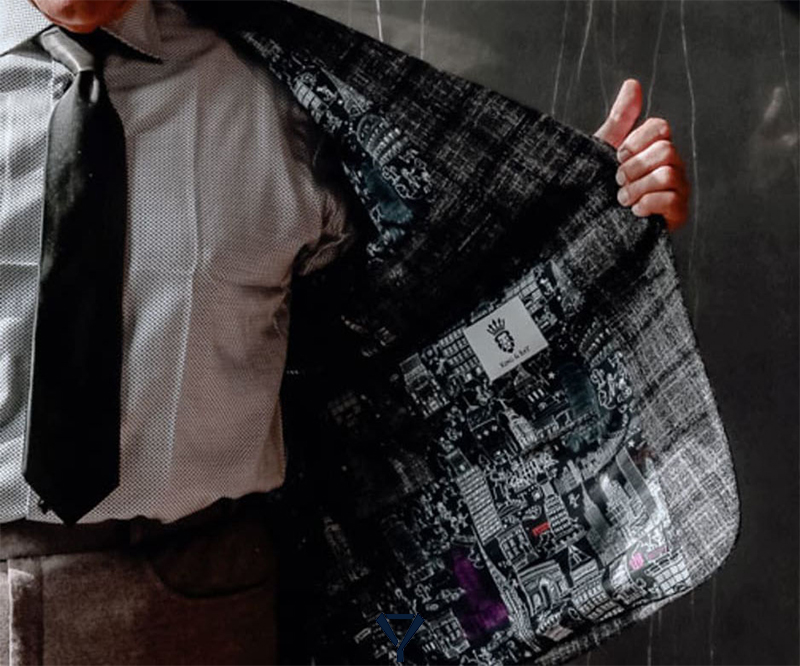
Patterned suit linings offer an opportunity to introduce personality and individuality into a tailored garment. While the exterior of the suit stays classic and restrained, the lining becomes a private expression of style, revealed only through movement or when the jacket is opened.
Popular patterned linings include paisley, floral, geometric designs, and stripes.
- Paisley and floral patterns are often associated with luxury tailoring and add a sense of richness and artistic flair.
- Geometric patterns provide a modern, contemporary feel, while striped linings maintain a more traditional look with a subtle twist.
Patterned linings work particularly well for wedding suits, special occasion tailoring, or statement pieces designed to stand out while remaining tasteful.
Contrast Lining vs Matching Lining
Choosing between contrast lining and matching lining depends on the desired balance between individuality and tradition.
Matching lining, where the lining color closely complements the outer fabric, creates a cohesive and classic appearance. This approach is ideal for formal business suits, conservative dress codes, and men who prefer timeless elegance. Matching linings ensure the suit remains understated and professional in any environment.
Contrast lining, on the other hand, introduces a deliberate visual difference between the interior and exterior of the suit. This option allows for greater creativity and personal expression without affecting the suit’s outward formality. Contrast linings work well in modern tailoring, bespoke suits, and settings where subtle individuality is appreciated.
6. How to Choose the Right Suit Lining
Choosing the right suit lining is essential to achieving the perfect balance between comfort, performance, and personal style. The ideal lining depends on several factors, including climate, the purpose of the suit, and your individual aesthetic preferences.
Based on Climate
Hot Weather: Breathability should be the top priority. Lightweight linings such as Bemberg (cupro), viscose, or minimal constructions like half-lined or quarter-lined jackets help improve airflow and reduce heat retention.

Cold Weather: A fully lined suit provides added insulation and structure. Heavier linings help trap warmth and create a more substantial feel, which pairs well with thicker wool fabrics and structured tailoring. Fully lined suits are particularly suitable for winter business wear or formal occasions where maintaining shape and warmth is important.
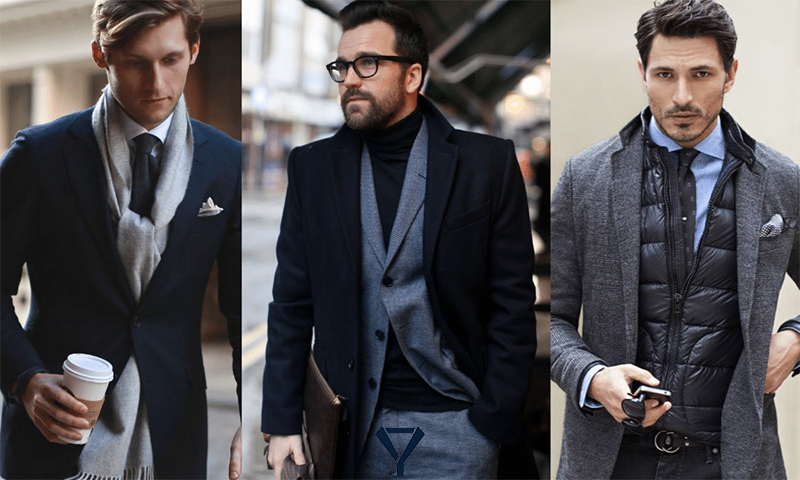
All-Season Suits: This requires a balanced approach. A half-lined jacket with a breathable lining material offers versatility across different temperatures. This option provides enough structure for professional settings while remaining comfortable in varying weather conditions, making it a practical choice for year-round wear.
Based on the Suit Purpose
Business / Office Suit: Comfort, durability, and professionalism are key. Fully lined or half-lined suits with high-quality linings such as Bemberg or viscose are ideal. These linings ensure smooth movement, maintain structure, and hold up well under frequent use, making them suitable for long workdays and formal environments.
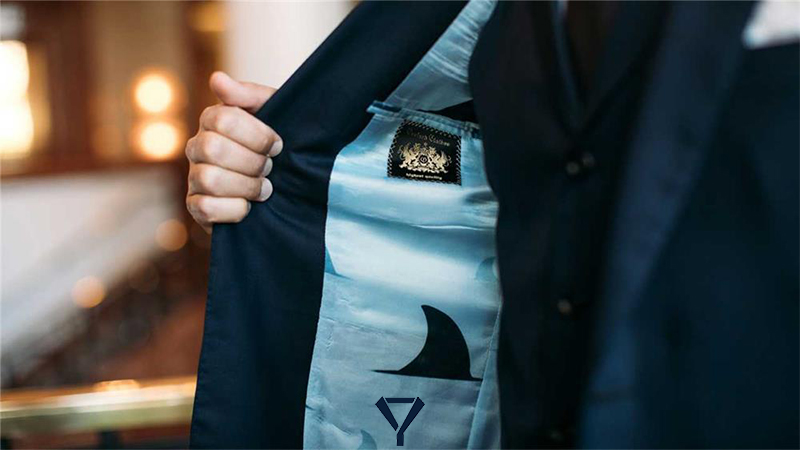
Wedding Suit: Wedding suits often allow for more flexibility and personal expression. Premium linings such as silk or patterned Bemberg can add a sense of luxury and individuality. Since wedding suits are typically worn less frequently, aesthetics and visual impact can take priority alongside comfort.
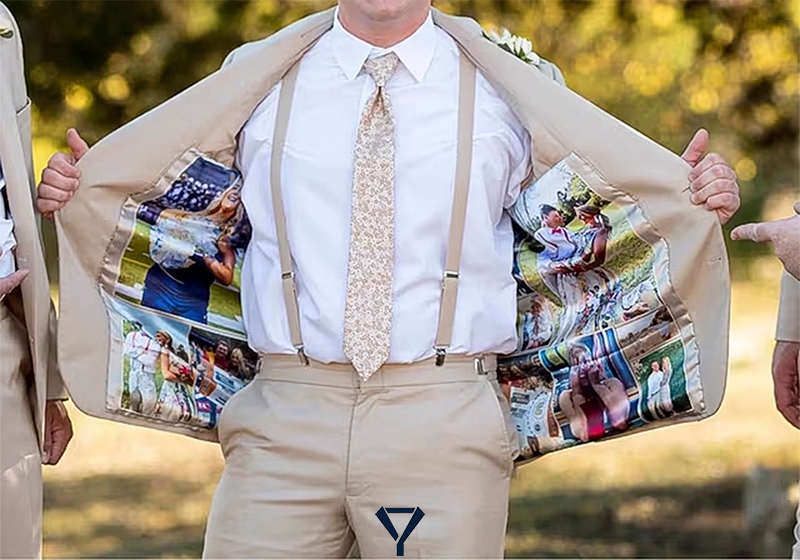
Casual / Summer Suit: Casual and summer suits benefit from lighter construction. Half-lined, quarter-lined, or unlined jackets paired with breathable lining materials enhance comfort and create a relaxed silhouette. These options work especially well with linen, cotton, or lightweight wool fabrics, emphasizing ease and natural movement.
Travel Suit: Travel suits require linings that balance comfort, durability, and practicality. Wrinkle-resistant and breathable linings help the suit maintain its appearance after long periods of sitting or movement. A lightweight half-lined construction is often the best choice, offering flexibility and comfort without excessive bulk.
Based on Personal Style
Classic vs Modern:
- Men with a classic style often prefer solid-colored linings that match or closely complement the suit fabric, creating a timeless, understated look suitable for formal and professional settings.
- Modern tailoring, on the other hand, allows for more experimentation with contrast linings, lighter constructions, and contemporary finishes.
Minimal vs Expressive:
- Minimalists typically favor subtle, neutral linings that prioritize function and cohesion.
- Expressive dressers may choose patterned or contrast linings to showcase personality and individuality. While these details remain mostly hidden, they add character and a sense of bespoke craftsmanship to the suit.
7. How to Care for Suit Lining
Proper care of the suit lining is essential if you want your suit to remain comfortable, fresh, and long-lasting. While lining is hidden inside the jacket and trousers, it is often the first part of a suit to show signs of wear.
Cleaning and Maintaining Suit Lining
Suit lining absorbs sweat, body oils, and friction from daily wear, which means it requires thoughtful maintenance.
The most important rule is to avoid over-cleaning. Excessive dry cleaning can weaken lining fibers, especially delicate materials such as silk, viscose, or Bemberg.
After wearing a suit, allow it to rest and air out before returning it to the wardrobe. Hanging the suit on a proper wide-shouldered hanger helps maintain shape while allowing moisture trapped in the lining to evaporate naturally.
For minor odors, gentle steaming or airing the suit in a well-ventilated space is often sufficient.
When storing a suit long-term, use a breathable garment bag rather than plastic. This prevents moisture buildup, which can damage the lining fabric and cause unpleasant odors over time.
How Often Should You Dry Clean a Suit?
Dry cleaning should be done only when necessary, not after every wear.
As a general guideline, a suit worn regularly for office or business purposes should be dry cleaned every 5 to 10 wears, depending on climate and usage. For suits worn occasionally, such as wedding or formal suits, dry cleaning once or twice a year is usually enough.
Over-dry cleaning is one of the fastest ways to damage suit lining. Harsh chemicals and repeated heat exposure can cause the lining to lose its smoothness, fade in color, or become brittle. Spot cleaning and steaming are often safer alternatives for maintaining freshness between professional cleanings.
Signs of Worn or Damaged Suit Lining
Because lining experiences constant friction, it often deteriorates before the outer fabric. Common signs of lining wear include thinning fabric, small tears around the underarms or back, and visible discoloration caused by sweat. In some cases, the lining may feel rough or lose its smooth, slippery texture.
Another clear indicator is discomfort. If the jacket no longer slides easily over your shirt or feels stiff and restrictive, the lining may be breaking down. Addressing lining damage early is important, as replacing the lining is often easier and more cost-effective than repairing worn outer fabric.
Regular inspection and proper care of the suit lining ensure your suit remains comfortable, presentable, and wearable for years to come.
Conclusion
Suit lining may not be the first detail people notice, but it plays a defining role in how a suit feels, performs, and ages over time. From comfort and breathability to durability and overall craftsmanship, the right lining can significantly elevate the wearing experience and long-term value of a suit. Understanding different lining types, materials, and constructions allows you to make more informed decisions when purchasing or tailoring a suit. By giving proper consideration to suit lining, you invest not only in how your suit looks, but also in how it feels and lasts.
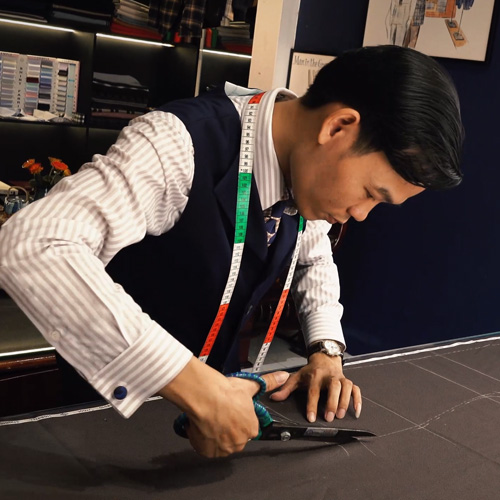
Created from my passion for sartorial that I discovered through learning and working in the field, YOURSUITTREND is dedicated to providing in-depth knowledge, expert styling tips, and the latest trends in men’s tailored fashion. If you ever come to Vietnam, let’s grab a glass 🙂