Understanding the nuances of tailoring can be the difference between a man who is simply wearing a suit and a man who truly owns his look. While most men obsess over fabric, lapel width, or the number of buttons, they often overlook a critical architectural detail at the back: the suit vent. In this comprehensive guide, we will explore the world of suit vents – the intentional slits at the back of your jacket, and how they dictate your silhouette, comfort, and overall style.
1. What Is a Suit Vent?
A suit vent is the slit or opening at the back of a suit jacket, designed to improve both comfort and structure. You’ll usually find suit vents at the center back or split into two openings on either side. While they may look like a small detail, suit vents play a major role in how a jacket moves, fits, and drapes on the body.

At its core, a suit jacket vent allows the fabric to separate and flex naturally as you move. Without this suit component, the back of the jacket becomes a single flat panel, which can feel restrictive and look awkward during everyday motion.
When you sit down, a suit vent prevents the jacket from pulling tightly across your hips and lower back. Instead of riding up or creasing heavily, the vent opens slightly, helping the jacket stay comfortable and maintain a clean shape.
When you walk, the vent allows the jacket to flow with your stride. This is especially noticeable in tailored or slim-fit suits, where a vent helps avoid stiffness and keeps the jacket from clinging to the body.
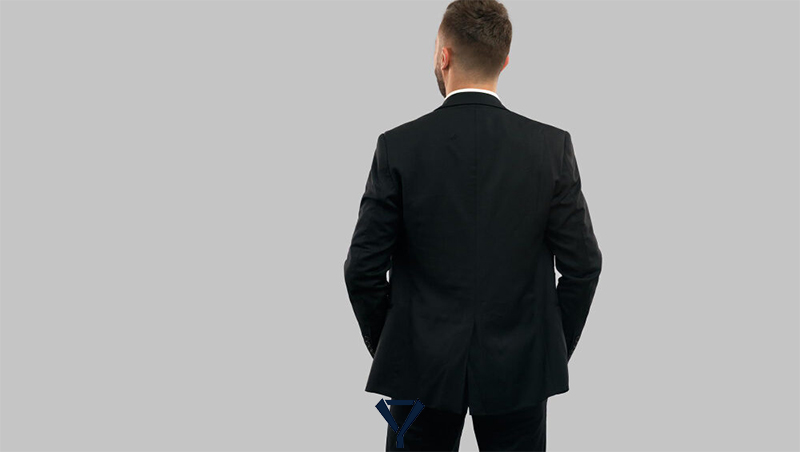
When you place your hands in your trouser pockets, a suit vent reduces tension across the seat and waist. Without a vent, this movement often causes the back of the jacket to flare outward or wrinkle, breaking the silhouette.
2. Why Suit Vents Matter
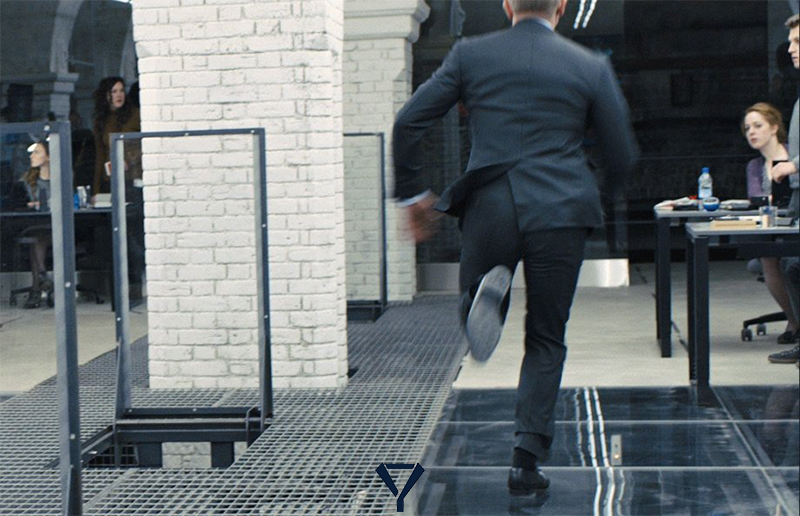
Suit vents may seem like a small design detail, but they have a big impact on how a suit looks, feels, and performs. From everyday comfort to overall style, the right vent can noticeably improve your wearing experience.
Comfort and Mobility
A well-designed vent prevents the jacket from feeling tight or restrictive when you move. As you walk, sit, or bend slightly, the vent allows the fabric to open naturally instead of pulling across your lower back and hips.
This is especially important for men who sit frequently, commute, attend meetings, or move around throughout the day. Without a vent, a suit jacket can ride up, wrinkle easily, and feel uncomfortable after long periods of wear. A proper suit vent helps the jacket stay relaxed and comfortable, even during long hours.
Fit and Silhouette
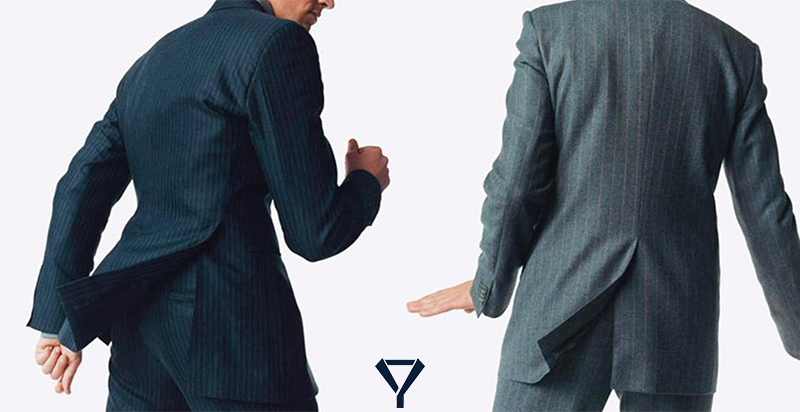
Suit vents also play a key role in how a jacket fits and drapes on the body. They affect how the jacket follows the natural shape of your waist, hips, and seat. With the right vent, the jacket falls smoothly instead of bunching or flaring out at the back.
Vents allow the fabric to hang more naturally, creating a cleaner and more balanced silhouette. This is particularly noticeable in tailored or slim-fit suits, where structure and proportion matter most. A good vent helps the jacket look sharp from every angle, not just from the front.
Style and Formality
Beyond comfort and fit, suit vents carry a strong stylistic and cultural meaning. Different vent styles are rooted in tailoring traditions, especially British, American, and Italian suit-making. The choice of vent subtly communicates how formal, traditional, or modern a suit appears.
For example, double vents are often associated with classic British tailoring and a more refined, formal look, while single vents are common in business suits and modern ready-to-wear styles. Even ventless jackets suggest a specific aesthetic, sleek and minimal, but less traditional.
3. Types of Suit Vents
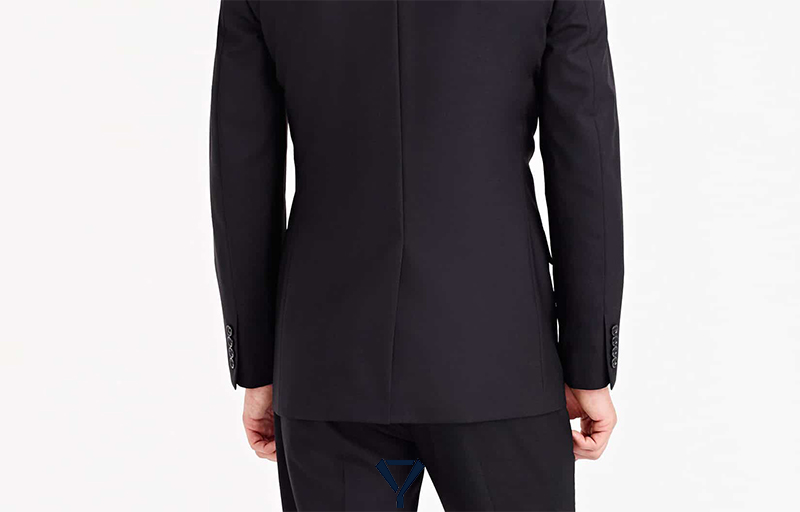
No Vent Suit Jacket
A no-vent suit, also known as a ventless suit jacket, has a completely closed back with no slits or openings. This style creates a clean, uninterrupted line from the shoulders down to the hem, giving the jacket a sleek and minimalist appearance.
One of the main advantages of a ventless suit jacket is its modern and streamlined look. Without vents breaking up the back panel, the jacket can appear very sharp when you are standing still. This style is often associated with contemporary fashion and Italian-inspired tailoring, where aesthetics are prioritized over practicality.
However, the lack of vents also limited mobility, especially when sitting or walking. When you sit down, the fabric tends to pull tightly across the hips and lower back, causing discomfort and visible wrinkling. Over time, this can make the jacket lose its shape more quickly compared to the vented one.
A no-vent suit is best suited for short formal appearances, fashion-forward events, or occasions where style matters more than long-term comfort.

Single Vent Suit
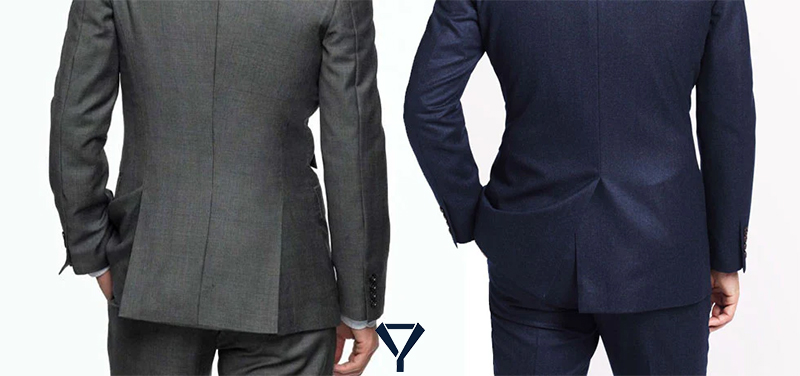
A single vent suit features one slit positioned at the center back of the jacket. This is one of the most common and widely accepted vent styles in modern menswear. The single vent has strong roots in British and American tailoring, where practicality and versatility are key priorities.
The single vent suit offers better comfort and mobility than a ventless jacket, allowing the jacket to open slightly when you sit, walk, or move. This makes the suit more comfortable for daily wear, especially in office and business settings.
Single vent jackets are also easier to produce, which is why they are commonly found in ready-to-wear suits. They work well with most standard body types and suit cuts, making them a safe and reliable choice for many men.
That said, single-vent suits do have a minor drawback. When you place your hands in your trouser pockets, the center vent may open and expose the seat slightly, which can look less refined in certain situations. This is more noticeable on poorly fitted jackets or very slim cuts.
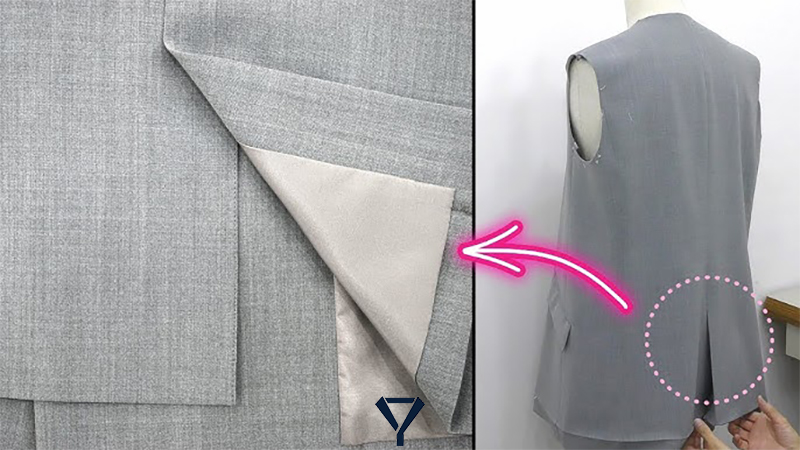
Double Vent Suit
A double vent suit features two slits at the back of the jacket, one on each side. This design is most closely associated with classic British tailoring and is widely regarded as the most refined and functional suit vent style.
Because the vents are split on both sides, the jacket can move freely with your body. The suit fabric opens naturally without pulling across the hips or lower back, making the double vent suit especially comfortable for all-day wear.
Unlike single vent jackets, which may bunch up or open awkwardly at the center, double vents allow the jacket to drape cleanly over the seat. This helps the suit look sharp from behind, even when you are seated or in motion.
From a style perspective, this type of suit is considered the most elegant and well-balanced option. The symmetrical vents create a flattering silhouette, especially for men with an athletic or broader build. It also prevents the jacket from flaring out when you place your hands in your trouser pockets, preserving a polished and confident appearance.
The main drawback of a double vent suit is its higher tailoring cost because they require more precise cutting and construction. This is why they are more commonly found in high-quality ready-to-wear suits and bespoke tailoring rather than budget options.
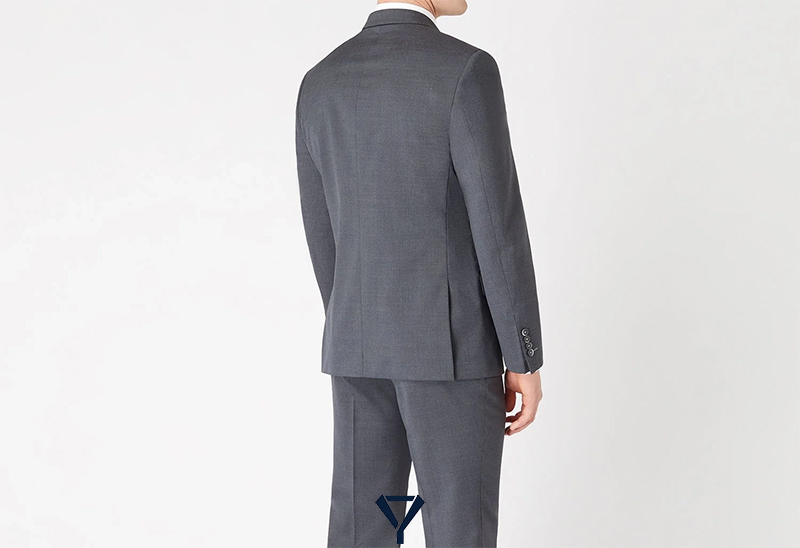
4. Suit Vents for Different Body Types
Choosing the right suit vent also plays an important role in how a suit flatters your body shape. The correct vent can improve proportions, enhance balance, and make the jacket look more natural on your frame.
Slim Body Type
For men with a slim or lean body type, the goal is usually to keep the jacket looking clean and well-fitted without appearing too tight or flat. Both single-vent and double-vent suits work well for slim builds, depending on the overall cut of the jacket.
A single vent suit is often a great option because it maintains a sharp, streamlined look while still allowing enough movement. It keeps the back of the jacket neat and avoids unnecessary fabric separation, which helps preserve a slim silhouette.
Double vents can also work for slim men, especially in tailored or bespoke suits, as long as the jacket is properly fitted. However, overly wide or poorly positioned vents may make the back look busier than necessary.
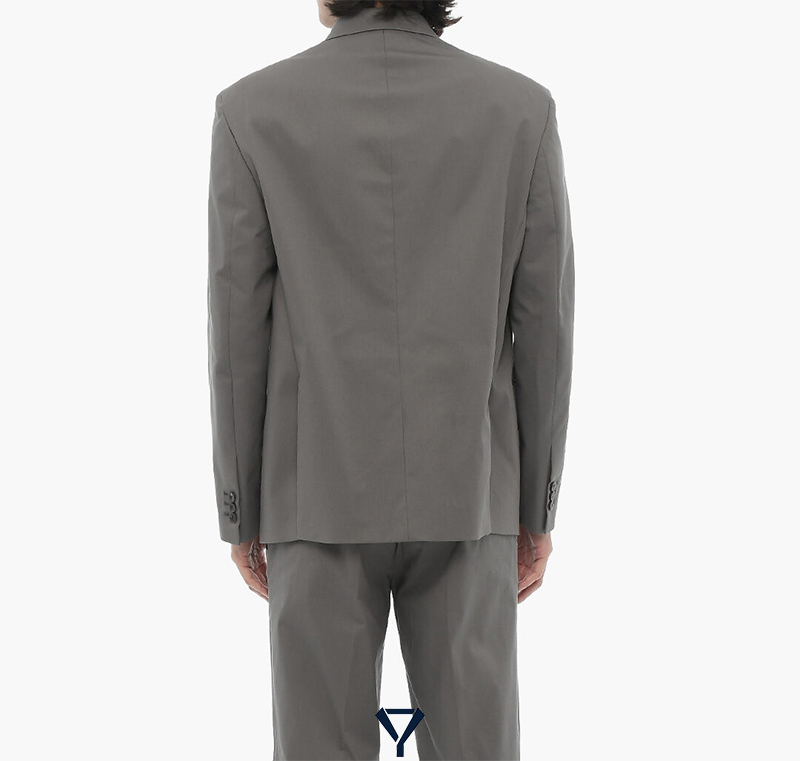
Athletic or Muscular Build
Men with an athletic or muscular build with broader shoulders, a stronger chest, and fuller thighs benefit the most from a double vent suit. This vent style helps balance the upper and lower body by allowing the jacket to open naturally around the hips and seat.
Double vents prevent the jacket from pulling or flaring when you move, sit, or place your hands in your pockets, where tension often builds around the waist and hips in fitted jackets.
Single vent suits can feel restrictive on muscular frames, particularly if the jacket is slim-cut. Over time, this can lead to creasing and discomfort. A double vent offers better flexibility while maintaining a structured and elegant appearance.

Bigger or Stocky Body Type
For men with a bigger or stocky body type, suit vents are essential for comfort and visual balance. In most cases, a ventless suit jacket should be avoided, as it tends to pull tightly across the back and exaggerate bulk around the hips and seat.
A double vent suit is usually the best choice for this body type. The two vents allow the jacket to drape more evenly, reducing tension and helping the fabric fall straight instead of bunching up. This creates a smoother and more flattering silhouette from both the front and back.
Single vent suits can work, but they may open too much at the center when sitting or moving, drawing attention to the midsection.
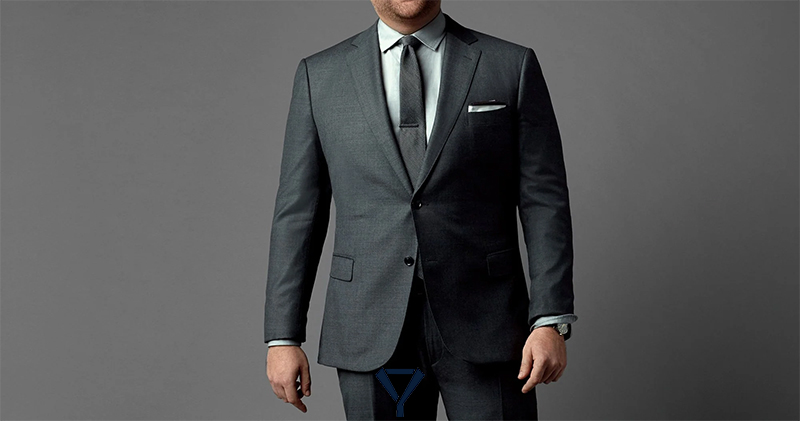
5. Suit Vents vs Jacket Styles
Suit vents do not exist in isolation. They interact closely with the overall jacket style, including the front construction, fit, and internal structure.
Single-Breasted vs Double-Breasted Suits
On single-breasted suits, vents are highly flexible. You’ll commonly see all three options: no vent, single vent, and double vent, depending on the level of formality and tailoring quality. For most men, a single-vent or double-vent single-breasted suit offers the best balance between comfort and clean lines, especially for business and professional wear.
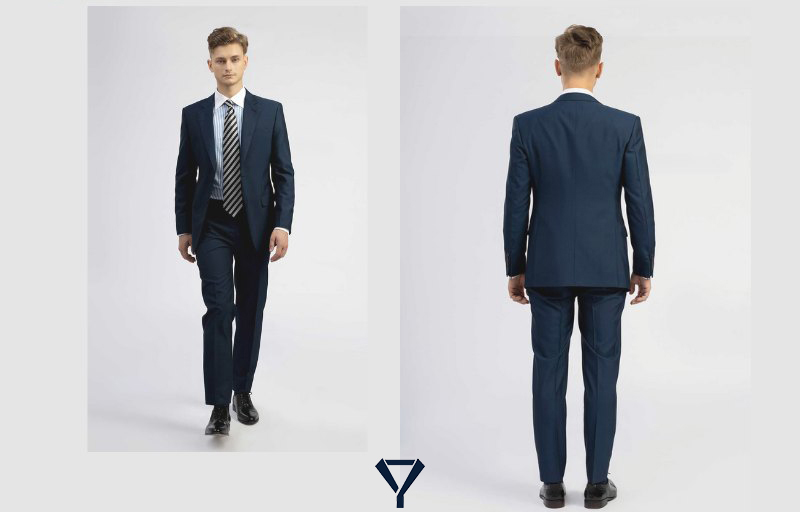
Double-breasted suits, however, are a different story. Because of their overlapping front panels and more structured silhouette, they benefit greatly from double vents, which allow the jacket to move naturally without disrupting the strong, formal front. A ventless double-breasted jacket can feel restrictive and tends to pull across the hips when sitting.
Ventless double-breasted suits exist, but they are less practical and usually reserved for very formal or fashion-driven designs.
In most modern tailoring, the answer is yes. A double-breasted suit with double vents provides better mobility, preserves the jacket’s shape, and looks more refined in motion.
Slim Fit vs Classic Fit Jackets
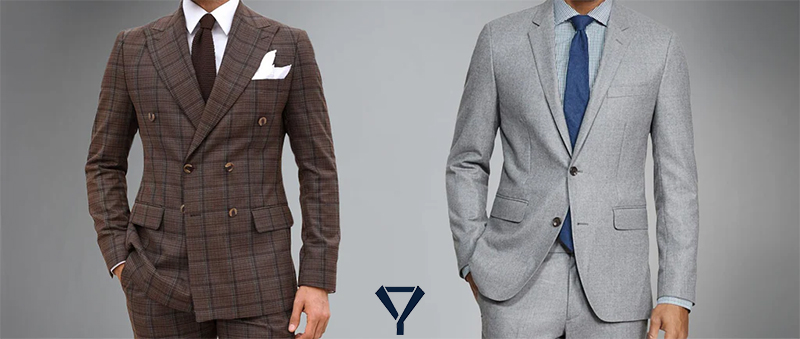
With slim-fit suits, vents become especially important. Because the jacket is cut closer to the body, movement can easily create tension around the waist and hips. A double vent is often the safest and most flattering option for slim-fit jackets, as it prevents pulling and helps maintain a sharp silhouette.
A single vent can still work on slim-fit suits, but the fit must be precise. If the jacket is too tight, the vent may spread open awkwardly when you move or sit.
For classic fit suits, there is more room through the body, which allows greater flexibility in vent choice. Single vents are very common here and work well for traditional business suits. Double vents remain an excellent option for added comfort and a more polished drape, especially on higher-quality tailoring.
Structured vs Unstructured Jackets
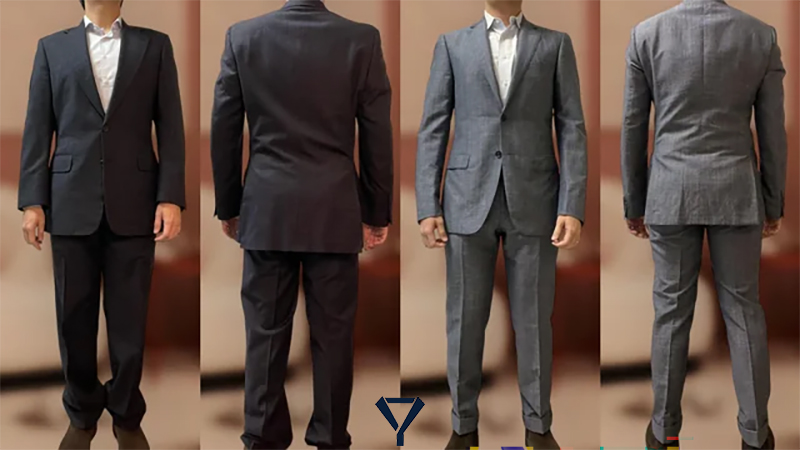
Structured jackets pair exceptionally well with double vents. The vents help balance the jacket’s built-up upper body by allowing the lower portion to move freely. This keeps the overall silhouette clean and controlled.
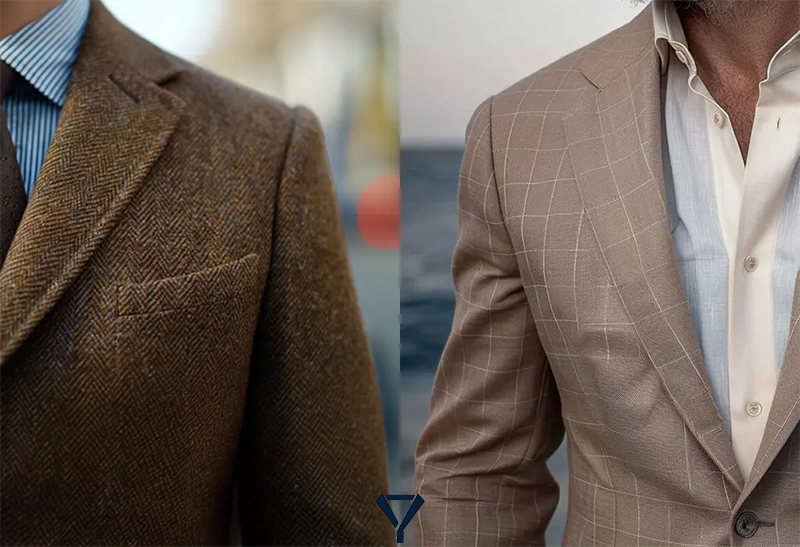
On the other hand, unstructured jackets can work with fewer vents. You’ll frequently see single vent or ventless designs in casual, Italian-style, or summer suits. While these look relaxed and stylish, they sacrifice some comfort and practicality compared to vented structured jackets.
6. Suit Vents for Different Occasions
Different settings place different demands on comfort, movement, and formality, and the vent style plays a quiet but important role in meeting those expectations.
Business & Office Wear
For business and office environments, the most popular and safest option is the single-vent suit. It offers a clean, professional appearance while providing enough flexibility for everyday movements.
Single vent suits are widely accepted in corporate settings because they strike a balance between tradition and practicality. They work well with most body types, fit styles, and ready-to-wear business suits, making them an easy and reliable choice for daily office wear.
That said, double vent suits are also an excellent option for the workplace, especially in more formal industries or for professionals who spend long hours in meetings, which helps the jacket maintain its shape throughout the day.
Formal Events & Weddings
For formal occasions and weddings, the goal is elegance, structure, and refined movement. In these settings, the double vent suit is generally considered the most sophisticated option.
Double vents create a balanced and polished silhouette, especially when standing, walking, or greeting others. They allow the jacket to drape smoothly over the body without pulling or bunching, which is particularly important during long ceremonies or formal gatherings.
Because double vents are closely associated with classic tailoring and high-end craftsmanship, they naturally convey a sense of luxury and attention to detail. This makes them ideal for wedding suits, formal receptions, and upscale evening events where appearance matters as much as comfort.
Ventless suits can appear sleek, but they are less forgiving in movement and are usually better suited for fashion-forward looks.
Casual & Summer Suits
In casual and summer suits, breathability and ease of movement become more important than strict structure. Suit vents help improve airflow and prevent the jacket from feeling stiff or restrictive in warm weather.
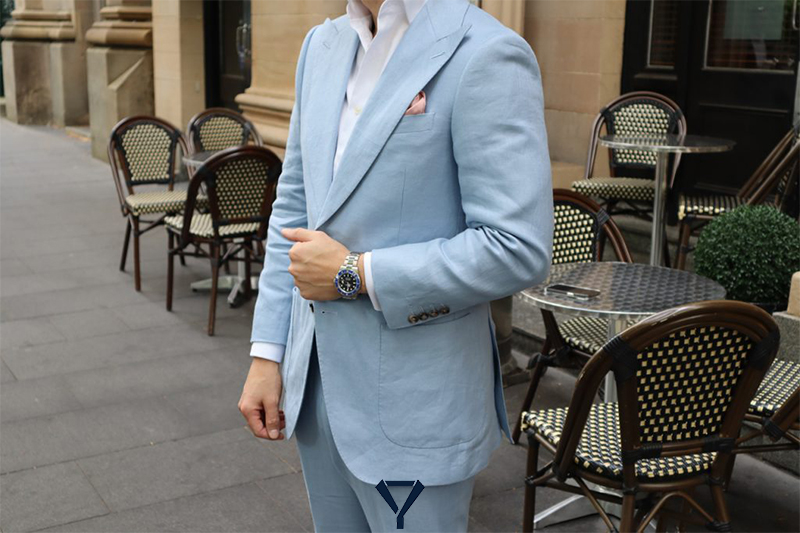
Lightweight suits made from linen, cotton, or blended fabrics often pair well with single vents or even ventless designs, especially when the jacket is unstructured. These combinations create a relaxed, effortless look that feels appropriate for summer events, outdoor gatherings, or smart-casual settings.
Unstructured jackets with minimal lining naturally move more freely, so they do not always require double vents. However, adding a single vent can still improve comfort without compromising the casual aesthetic.
Conclusion
Suit vents may be subtle, but they have a powerful influence on how a suit looks, feels, and performs. From comfort and mobility to overall balance and style, the right vent helps a jacket move naturally with your body while maintaining a clean, polished silhouette. There is no single “best” suit vent, only the one that fits your body type, lifestyle, and occasion. By understanding how suit vents work and how they interact with fit and jacket style, you can make smarter choices when buying or tailoring a suit.
Created from my passion for sartorial that I discovered through learning and working in the field, YOURSUITTREND is dedicated to providing in-depth knowledge, expert styling tips, and the latest trends in men’s tailored fashion. If you ever come to Vietnam, let’s grab a glass 🙂