In the world of menswear, a suit is more than just an outfit. It is modern-day armor, a statement of style, and a reflection of character. However, have you ever wondered why two suits made from the same suit fabric can look drastically different? Why does one man look commanding and sharp, while another looks swallowed by his clothing?
The secret doesn’t lie in the price tag or the brand name; it lies in the suit cut. In this comprehensive guide, we will break down the DNA of each tailoring style, explore its pros and cons, and provide expert tips on how to choose the perfect cut to elevate your silhouette.
1. What Are Suit Cuts?
In classic tailoring, a suit cut refers to the overall shape and structure of a suit: how the jacket and trousers are designed to follow the natural lines of the body or not. It is not just about how tight or loose a suit feels, but about the silhouette it creates from shoulder to hem.
To put it simply: the suit cut is the blueprint. It defines how the suit is meant to sit on the body before any sizing or alterations are considered.
This is where many people get confused, so let’s clarify the difference.
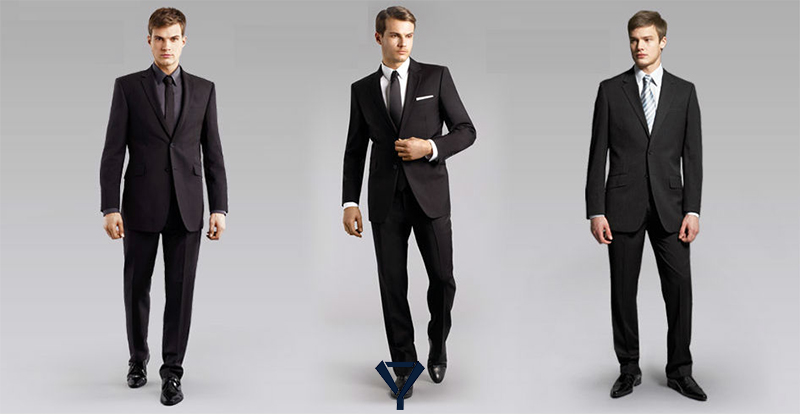
- Suit cut describes the design philosophy: the shoulder construction, chest shape, waist suppression, jacket length, and trouser line.
- Suit fit refers to how close that design sits on your body: slim fit, modern fit, or classic fit.
- Suit style is the aesthetic layer on top: double-breasted or single-breasted, peaked or notch lapels, Italian or British influence.
You can have the same suit style and fit, but a completely different look if the cut changes.
Why does this matter so much? Because the suit cut determines three things above all else.
2. Why Suit Cuts Matter More Than You Think
When most men buy a suit, they focus on size first, such as chest measurement, jacket length, or waist size. But in traditional tailoring, the cut of the suit matters far more than the number on the label.
At its core, the suit cut controls proportion.
It determines how your shoulders relate to your chest, how the waist is shaped, how long the jacket appears, and how the trousers balance the upper body.
- A well-chosen cut can subtly lengthen the torso, square the shoulders, and create a clean vertical line.
- A poor cut, on the other hand, can make the body look top-heavy, boxy, or awkwardly compressed, even if the suit technically “fits.”
The shoulder construction sets the tone for the entire jacket. The chest shape influences how the fabric drapes when you move. The waist suppression affects whether the suit looks sharp or relaxed. The rise and taper of the trousers decide whether the silhouette feels balanced or disjointed. On a properly cut suit, these elements are designed to flow as one. Smoothly.
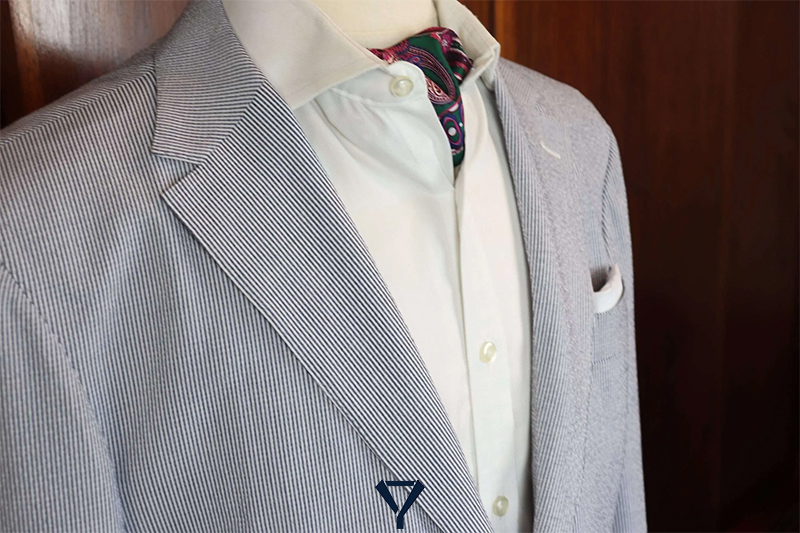
One of the most common mistakes men make is choosing the right size but the wrong cut.
- A slim man squeezed into a sharply suppressed cut can look restricted rather than elegant.
- A broader man wearing an overly narrow cut may feel tight across the chest and shoulders, despite the measurements being technically correct.
3. Main Types of Suit Cuts by Fit
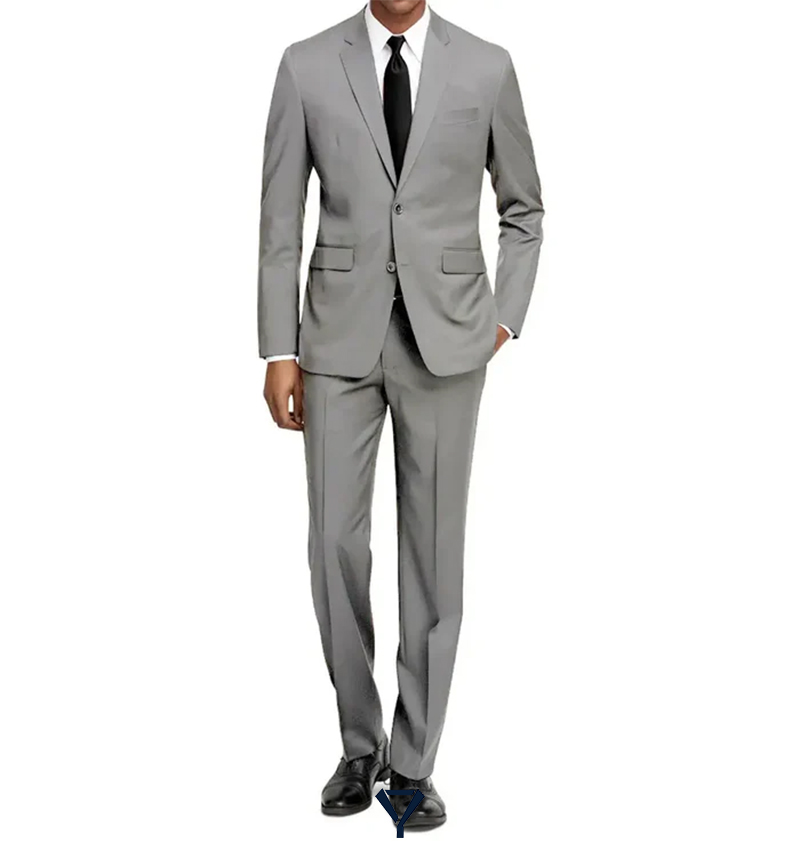
Slim Fit Suit Cut
The slim fit suit cut is designed to sit close to the body, creating a sharp and modern look. The jacket is shaped strongly at the waist, with a narrower chest and clean, compact shoulders. Sleeves are slim through the arms, and the trousers taper from the thigh down to a narrow leg opening. Overall, this cut highlights a lean silhouette.
This suit cut works best for men with slim or naturally slender body types. When the proportions are right, the jacket follows the torso smoothly without pulling across the chest or shoulders. On the right wearer, a slim fit suit looks youthful, precise, and contemporary, which is why it is popular for modern offices, evening events, and formal settings with a modern dress code.
However, the slim fit cut is not suitable for everyone. Men with broader shoulders, fuller chests, or thicker thighs may find it uncomfortable and visually restrictive. When the cut is too tight, movement becomes limited, and the suit can look strained rather than elegant. If the fabric pulls when you button the jacket or sit down, the cut is simply too narrow.
Modern Fit Suit Cut
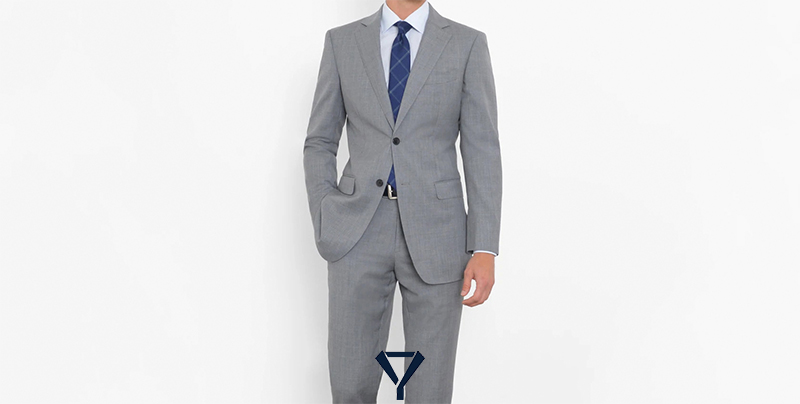
The modern fit suit cut sits between slim fit and classic fit, offering a balanced and easy-to-wear silhouette. It features light waist shaping, natural shoulders, and a clean chest without strong suppression. The trousers are gently tapered, keeping the suit streamlined while allowing comfortable movement.
This cut is widely considered the most versatile option. It works well for office wear, business casual settings, and everyday professional use, where a suit needs to look sharp without feeling restrictive. The modern fit looks tailored and polished, making it suitable for long workdays, meetings, and travel.
One of the biggest advantages of the modern fit suit cut is its adaptability. It suits a wide range of body types without emphasizing any one area too much. It also alters well, allowing a tailor to adjust the waist, sleeves, or trousers without fighting against an extreme shape.
Classic Fit Suit Cut
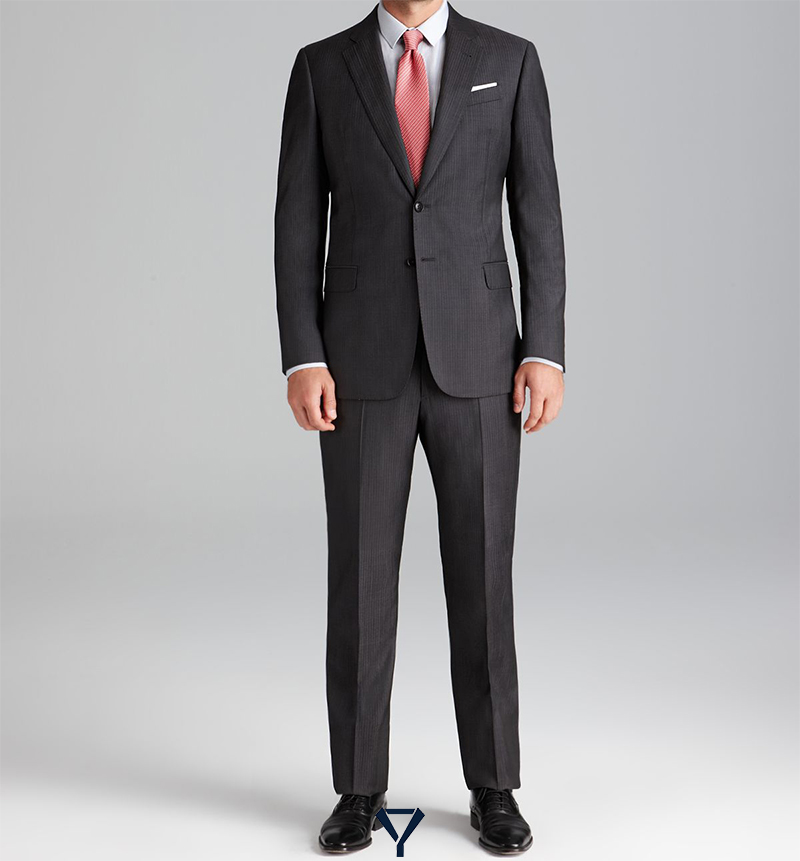
The classic fit suit cut follows a traditional approach to tailoring, focusing on comfort, balance, and long-term wear rather than sharp, trend-driven shaping. The jacket has a roomier chest, a straighter waist, and relaxed shoulders, allowing the fabric to drape naturally instead of sitting close to the body. The trousers are fuller through the seat and thigh, with a straight leg that creates a clean, steady silhouette.
This cut is well-suited to men who prioritize comfort and a timeless look. It works especially well for broader body types, mature frames, or anyone who spends long hours in a suit. Because of its forgiving shape, the classic fit suit cut is also a practical choice for men whose weight may change slightly over time.
Stylistically, the classic fit offers quiet confidence rather than sharpness. It avoids narrow lapels and aggressive waist shaping, relying instead on good proportion and quality fabric. When done properly, it looks composed, dignified, and appropriate in almost any professional or formal setting.
In a modern context, the classic fit does require balance. On slimmer frames, it can appear boxy if left untouched.
4. Suit Cuts by Tailoring Tradition
British Suit Cut
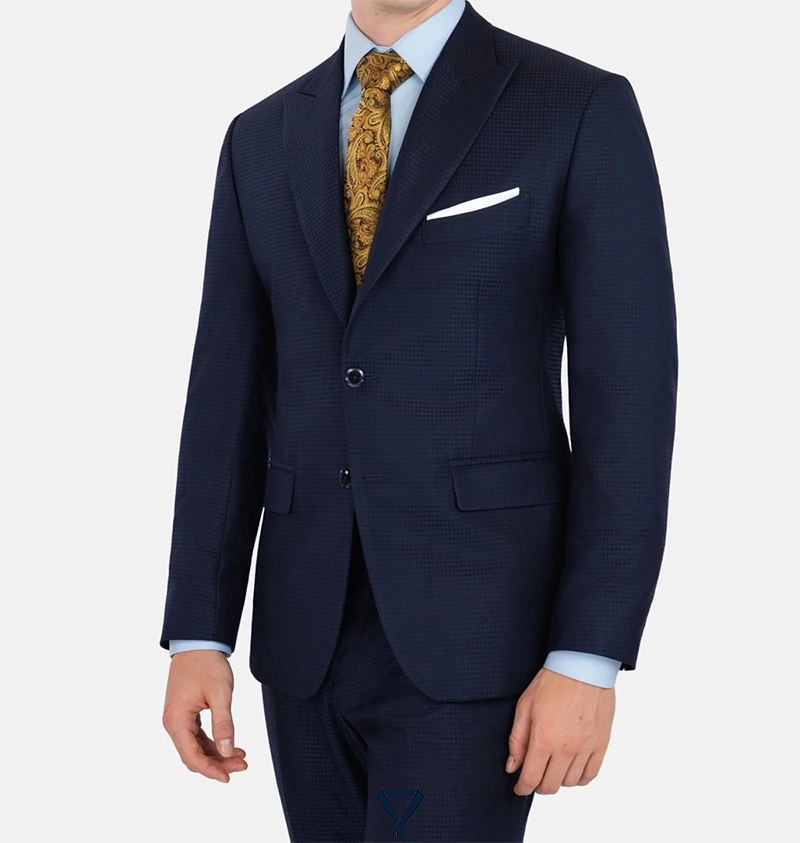
The British suit cut is known for its structure, precision, and quiet authority. Originating from Savile Row, it features structured shoulders, a defined chest, and a suppressed waist that create a clean, controlled silhouette. The jacket is made to shape the body, resulting in a formal and confident appearance.
Balance is a key element of this cut. Padded shoulders form a strong frame, while the nipped-in waist improves proportion without looking excessive. Jackets are usually slightly longer, creating a classic, elongated line, and the trousers are straight-cut for a stable, harmonious look.
The British cut is ideal for formal and professional settings, such as business, legal, or financial environments. It suits men who value structure and timeless style, particularly those with average to athletic builds.
Italian Suit Cut
The Italian suit cut prioritizes lightness, movement, and natural drape over rigid structure. Its most distinctive feature is the soft shoulder, often made using the Spalla Camicia technique, which allows the jacket to move naturally with the body and creates a relaxed silhouette.
Italian jackets are lightly constructed with minimal padding, giving them an airy, effortless feel. The waist is gently shaped rather than sharply suppressed, while trousers are typically more tapered, resulting in a clean yet fluid overall look.
There are regional variations within Italian tailoring. Neapolitan suits emphasize softness and informality, with shorter jackets and open quarters, while Milanese tailoring adds a touch more structure for a slightly more formal appearance.
The Italian cut suits men who value comfort and style with ease. It works especially well for slim or athletic builds and is ideal for warmer climates or relaxed dress codes.
American Suit Cut
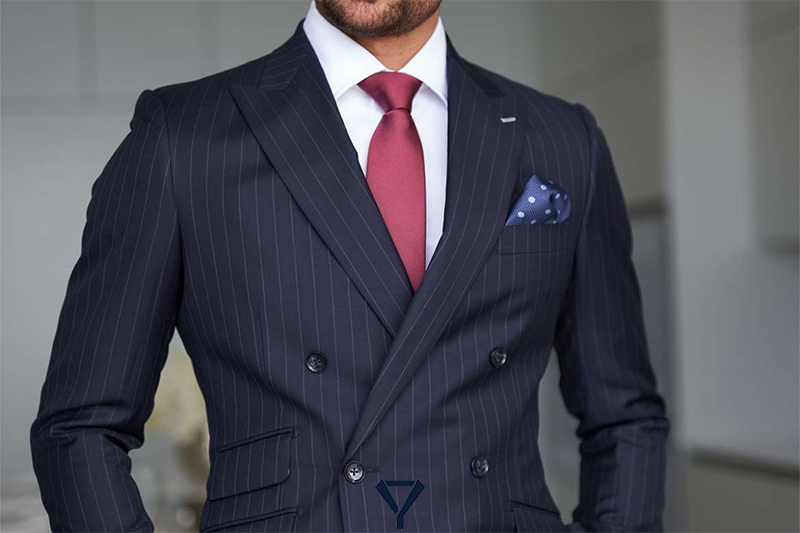
The American suit cut is built around comfort, practicality, and understated style. Rooted in Ivy League and traditional American tailoring, it features natural shoulders, minimal structure, and a straighter, boxier silhouette designed for ease rather than sharp shaping.
Unlike British or Italian cuts, the American cut avoids heavy padding and strong waist suppression. The jacket hangs straight, the chest is roomy, and the trousers are fuller through the seat and thigh, allowing natural movement and all-day comfort.
This cut is ideal for men who value comfort above all, especially those with broader or mature builds, long working hours, or a preference for relaxed tailoring. While it can look boxy on slimmer frames if poorly tailored, modern versions often add light waist shaping to improve balance without sacrificing comfort.
European Suit Cut
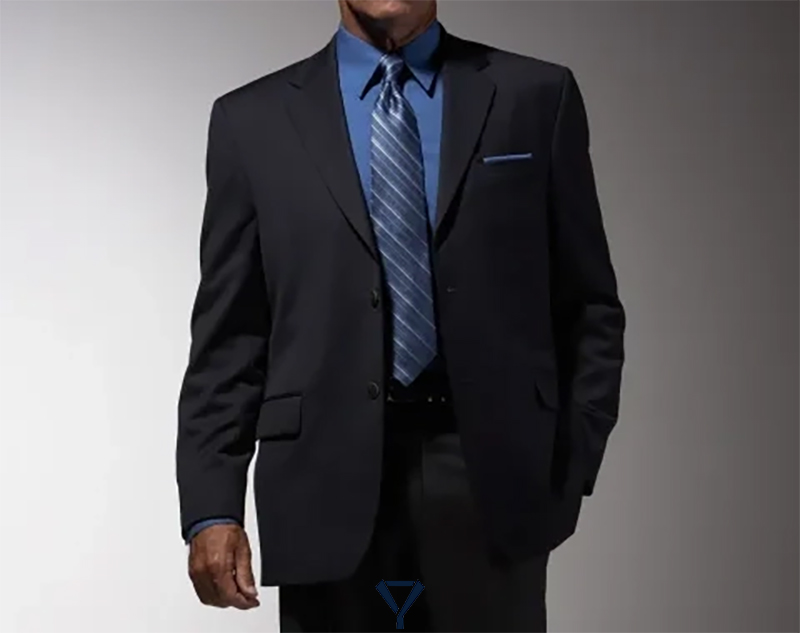
The European suit cut offers a clean, modern balance between British structure and Italian softness. It focuses on precision, neat lines, and understated refinement rather than dramatic shaping.
Construction-wise, the European cut is more structured than Italian tailoring but less rigid than the British style. Shoulders are firm but controlled, the chest is clean, and the waist is gently shaped instead of tightly suppressed. Trousers are streamlined, creating a sharp yet disciplined silhouette that never feels extreme.
Compared to the American cut, the European suit looks noticeably more tailored and polished. Where American tailoring prioritizes comfort and natural drape, European tailoring emphasizes proportion, clarity, and visual order, making it especially suitable for professional and corporate environments.
Common across Germany, France, and Northern Europe, this cut reflects a minimalist, functional approach to dressing. It avoids excess, favors balance, and is designed to age well over time.
4. Suit Cut by Tailoring Philosophy
Drape Suit Cut
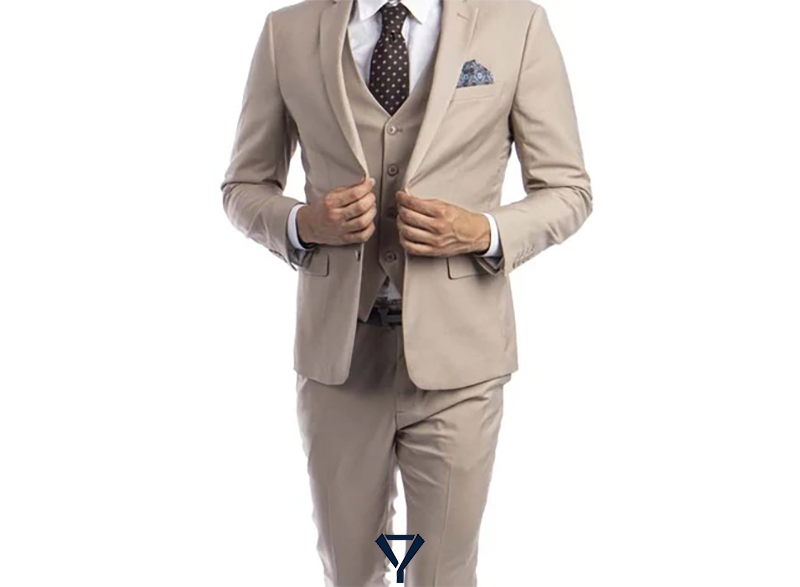
The drape cut is a classic British silhouette developed on Savile Row, most notably by Anderson & Sheppard. Its purpose is not to cling to the body, but to move with it, allowing the cloth to fall naturally while maintaining an elegant shape.
The key feature of a drape cut suit is added fullness in the chest and upper back. This extra fabric creates a soft drape when the wearer moves, while a gently suppressed waist keeps the jacket looking clean and balanced. The result is a silhouette that feels relaxed yet controlled.
Unlike a straight classic fit, the drape cut introduces volume where movement is needed most. Natural shoulders and light structure enhance comfort without stiffness, making the suit easy to wear for long periods.
Neo Suit Cut
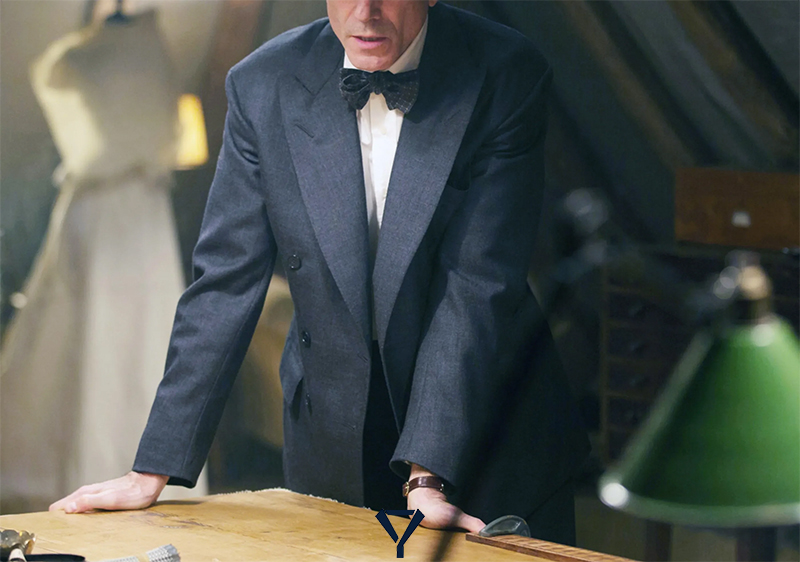
The neo cut is a modern refinement of classic tailoring, drawing mainly from British and European traditions while adapting them to contemporary lifestyles and dress codes.
Compared to the drape cut, the neo cut is cleaner and more streamlined. The chest is controlled rather than full, the waist is defined without being tight, and the silhouette is sharp but comfortable. Shoulders are usually soft or lightly structured, balancing authority with ease of movement.
Unlike a slim fit suit, the neo cut does not rely on narrowness to create shape. Instead, it focuses on proportion and balance, allowing the jacket to sit close to the body without restriction. Compared to Italian tailoring, it feels slightly more structured and disciplined, favoring clarity over expressive softness.
Designed for how men wear suits today, the neo cut works across offices, creative settings, and formal occasions.

6. Suit Cuts by Jacket Shape
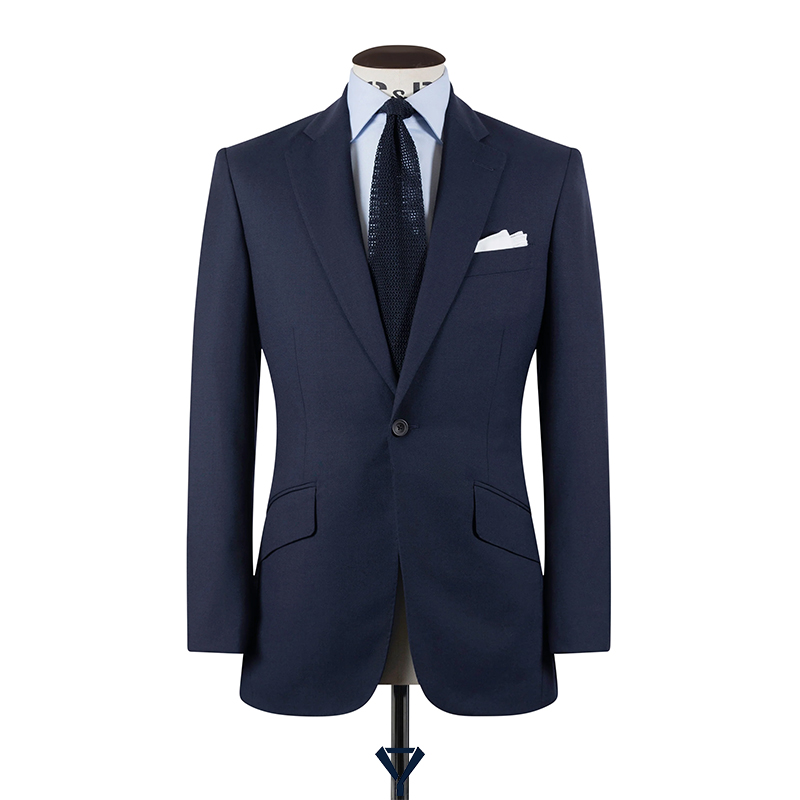
Single-Breasted Suit Cut
The single-breasted suit cut is the most common and versatile style in men’s tailoring. With a single row of buttons and an open front, it works across almost all body types, dress codes, and occasions, making it the backbone of most modern suit wardrobes.
Its key strength is flexibility. A single-breasted jacket can be cut slim or classic, structured or soft, depending on the desired look. The open front creates a vertical line that helps elongate the torso and maintain balanced proportions, which is why this cut flatters the majority of men.
Because the design is simple, precision matters; subtle changes in shoulder shape, waist suppression, button stance, or jacket length can shift the suit from relaxed and modern to formal and authoritative. The cut determines the character.
Double-Breasted Suit Cut
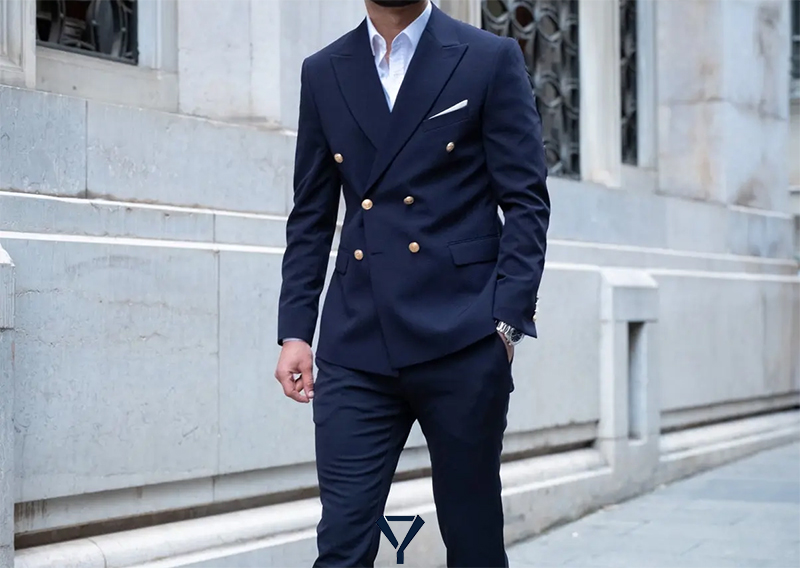
The double-breasted suit cut is known for its overlapping front and paired rows of buttons. This design creates a strong, structured silhouette that highlights the chest and shoulders, giving it a level of presence and formality unmatched by single-breasted jackets.
Unlike other cuts, the double-breasted suit is less forgiving. Because it is worn closed, the fit must be precise through the shoulders, chest, and waist. Too loose, it looks heavy; too tight, it feels restrictive. Clean proportions and skilled tailoring are essential.
When done well, this cut suits taller men and athletic builds particularly well, enhancing posture and structure. It works best in formal business settings, evening wear, or any occasion where a commanding look is required. Shorter or fuller frames can still wear it, but careful attention to button stance, lapel width, and jacket length is crucial.
7. Suit Cuts Comparison Table
| Suit Cut | Origin / Influence | Key Characteristics | Comfort Level | Best For | Overall Style |
|---|---|---|---|---|---|
| Slim Fit Cut | Modern / Fashion-driven | Narrow chest, strong waist suppression, slim sleeves and trousers | Low–Medium | Slim body types, modern occasions | Sharp, contemporary |
| Modern Fit Cut | Contemporary tailoring | Light waist shaping, natural shoulders, balanced proportions | Medium | Most body types, daily business wear | Versatile, timeless |
| Classic Fit Cut | Traditional tailoring | Roomier chest, straight waist, relaxed silhouette | High | Comfort-focused wearers, broader frames | Traditional, composed |
| British Suit Cut | Savile Row | Structured shoulders, defined chest, suppressed waist, longer jacket | Medium | Formal business, authority-driven looks | Formal, authoritative |
| Italian Suit Cut | Italy (Naples, Milan) | Soft shoulders, light construction, fluid drape | Medium | Style-focused wearers, warmer climates | Elegant, relaxed |
| American Suit Cut | United States | Natural shoulder, boxy shape, minimal structure | High | Comfort seekers, conservative offices | Understated, practical |
| European Suit Cut | Continental Europe | Clean lines, moderate structure, subtle waist shaping | Medium | Professional office environments | Refined, restrained |
| Drape Cut | British (Savile Row) | Full chest and back, suppressed waist, natural shoulders | High | Athletic or fuller chests, classic tailoring lovers | Timeless, intelligent |
| Neo Cut | Modern tailoring | Clean silhouette, controlled chest, soft or semi-structured shoulders | Medium–High | Modern professionals, versatile wardrobes | Contemporary, balanced |
| Single-Breasted Cut | Universal | One column of buttons, open front, adaptable silhouette | Medium–High | Most men, all occasions | Versatile, classic |
| Double-Breasted Cut | European & British | Overlapping front, strong chest emphasis, structured shape | Medium | Tall or athletic builds, formal settings | Powerful, formal |
8. How to Choose the Right Suit Cut for Your Body Type
Choosing the right suit cut is less about chasing trends and more about working with your natural proportions. A well-chosen cut enhances balance, improves posture visually, and allows the suit to sit comfortably in motion.
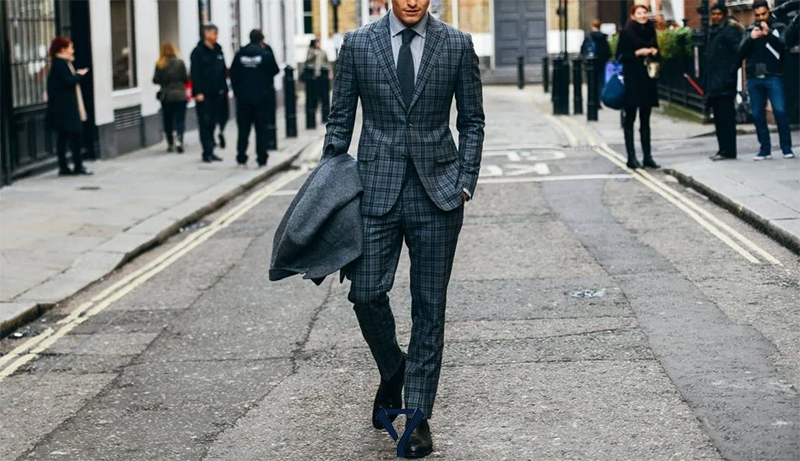
Suit Cut for Slim Body Type
For men with a slim or slender frame, the goal is to add structure and shape without looking overly tight. Cuts that introduce light definition through the chest and waist work best, helping the suit look intentional rather than borrowed.
A modern fit, neo cut, or a softly structured Italian suit cut is often ideal. These cuts follow the body cleanly while adding subtle presence through the shoulders and chest. Light waist shaping creates a refined silhouette without exaggeration.
Common mistakes include choosing an aggressively slim-fit suit cut. When the jacket is too narrow through the chest or arms, the suit can look strained and uncomfortable rather than sharp.
Suit Cut for Athletic Body Type
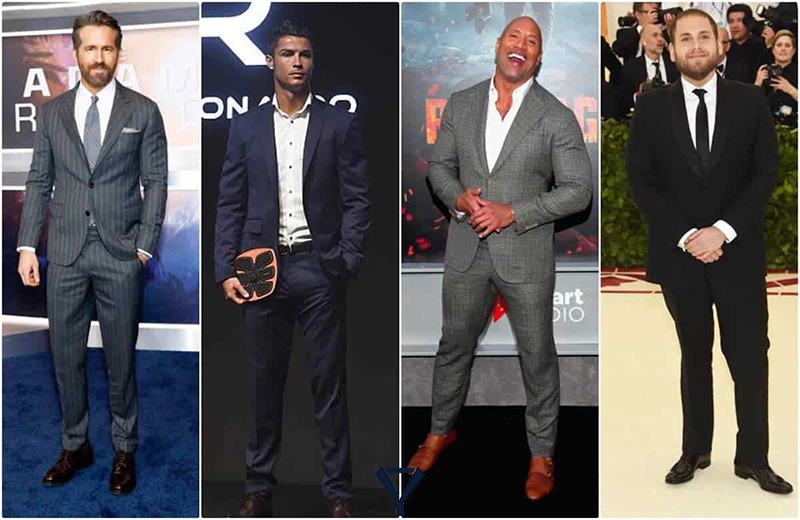
Men with an athletic build (broader shoulders, fuller chest, and narrower waist) often struggle with suits that feel tight on top but loose elsewhere. The right cut should accommodate the upper body while maintaining balance through the waist and trousers.
A neo cut, modern fit, or a refined British suit cut works particularly well here. These cuts provide enough room in the chest and shoulders while shaping the waist naturally. A slightly structured shoulder can help balance proportions and prevent the jacket from pulling when buttoned.
The most common issue athletic men face is a suit that feels “pulled” across the chest or upper arms. This usually comes from cuts that are too narrow or overly slim.
Suit Cut for Stocky or Bigger Body Type
For stockier or fuller body types, the focus should be on clean lines, comfort, and visual length, rather than tightness. A well-cut suit should streamline the silhouette without drawing attention to specific areas.
Classic fit, modern fit, and certain interpretations of the drape cut are often the most flattering choices. These cuts provide room through the chest and waist while maintaining structure and balance. Straight-cut trousers and slightly longer jacket lengths can also help create a more composed outline.
Slim fit suit cuts are usually the least forgiving for this body type. When a suit is too narrow, it exaggerates width and restricts movement. Classic and modern cuts, by contrast, allow the fabric to fall cleanly, creating a calmer and more elegant appearance.

Final Thoughts
In the end, dressing well in a suit is not about brands, price tags, or chasing the latest trend. It begins with understanding suit cuts. The cut defines the silhouette before fabric, color, or details ever come into play. Get the cut right, and everything else falls into place more naturally. Whether it is the structured authority of a British cut, the ease of an Italian cut, the comfort of an American cut, or the balanced clarity of a neo or European cut, each approach exists for a reason. No single suit cut is objectively better than another. The best choice is the one that complements your body, your lifestyle, and the occasions you dress for.
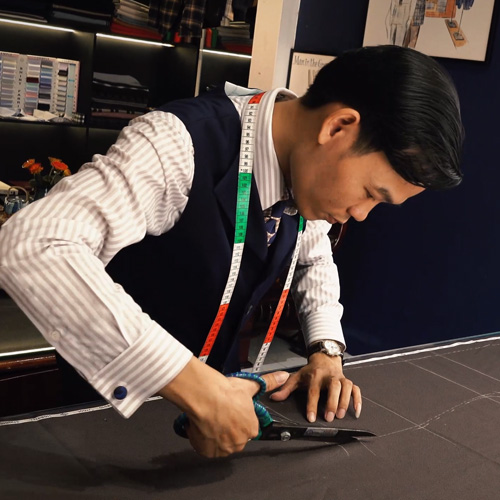
Created from my passion for sartorial that I discovered through learning and working in the field, YOURSUITTREND is dedicated to providing in-depth knowledge, expert styling tips, and the latest trends in men’s tailored fashion. If you ever come to Vietnam, let’s grab a glass 🙂