
Let’s start with a fact: the color of your suits matters far more than the number of suits you own. Many men owns wardrobes full of jackets, yet they still struggle to dress appropriately because they chose the wrong colors from the start. A common mistake is buying suits based on trends or impulse, while missing the essential, versatile colors that work in most real-life situations. So the real question is not how many suits you should own, but what color suits should a man own to look confident, professional, and well-dressed every time. In this guide, I will help you build a suit wardrobe that is minimal, flexible, and perfectly suited to your lifestyle, so every suit you own earns its place.
1. Why Suit Color Matters More Than You Think
Suit colors shape perception before fit or fabric ever gets noticed. When someone sees you for the first time, the color of your suit instantly communicates professionalism, confidence, and trustworthiness, long before you speak your first word.
For example, darker and balanced tones like navy or charcoal naturally suggest reliability and authority, making them ideal for business and formal settings. Lighter or warmer colors can feel more approachable or creative, which may work well in social or less traditional environments. This is why the same suit, with the same suit components, cut in the same way, can feel completely different depending on its color.
Color quietly sets the mood and defines how others interpret your presence.
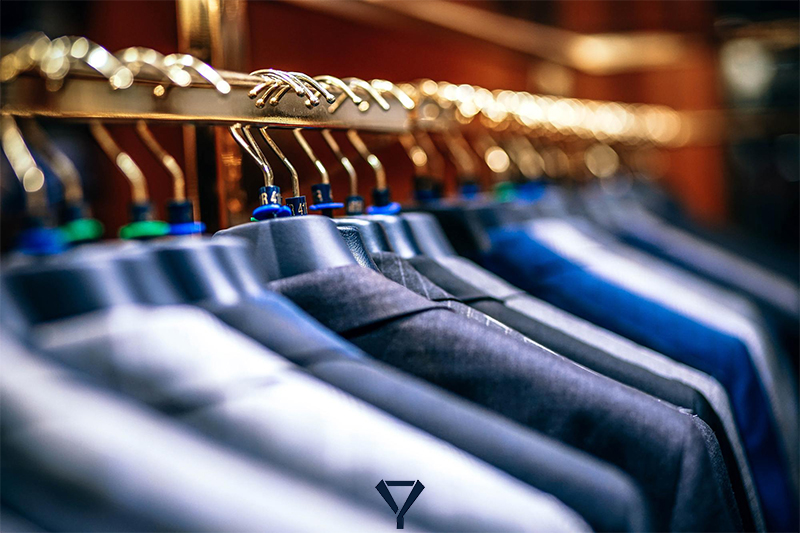
Beyond psychology, suit colors also determine versatility and long-term value. A well-chosen suit color can transition seamlessly from the office to meetings, events, or even formal occasions, saving you money and wardrobe space.
From a tailor’s perspective, it is always smarter to invest in the right colors first before focusing on lapel styles, button details, or seasonal trends. A classic, versatile color allows one suit to serve many purposes, while a poorly chosen color may only work once or twice a year. This is why, when deciding what color suits a man should own, color should always be the foundation, delivering both style impact and cost efficiency over time.
2. The Essential Suit Colors Every Man Should Own
Navy Blue Suit
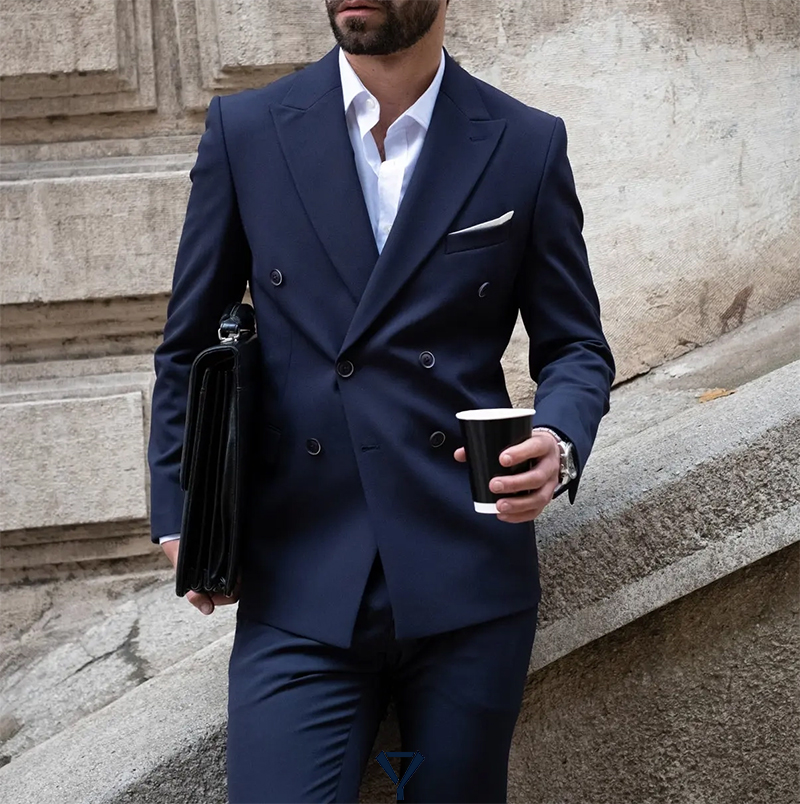
A navy blue suit is the true foundation of every man’s wardrobe. If a man owns only one suit, it should be navy. This color strikes the perfect balance between professionalism and approachability, making it suitable for almost every big event in a man’s life. A well-cut navy blue suit looks sharp in the office, confident in job interviews, respectful at weddings, and trustworthy when meeting clients. Few other suit colors can move so effortlessly across so many settings without ever feeling out of place.
Another reason this suit is so essential for men is its unmatched versatility and ease when it comes to how to style a navy suit. Navy pairs naturally with white, light blue, and even patterned shirts, while accommodating a wide range of tie colors, from classic burgundy and grey to more expressive greens or stripes.
From a tailor’s perspective, this flexibility means you can create many different looks with a single suit, simply by changing accessories, which makes navy an excellent long-term investment.
Charcoal Grey Suit
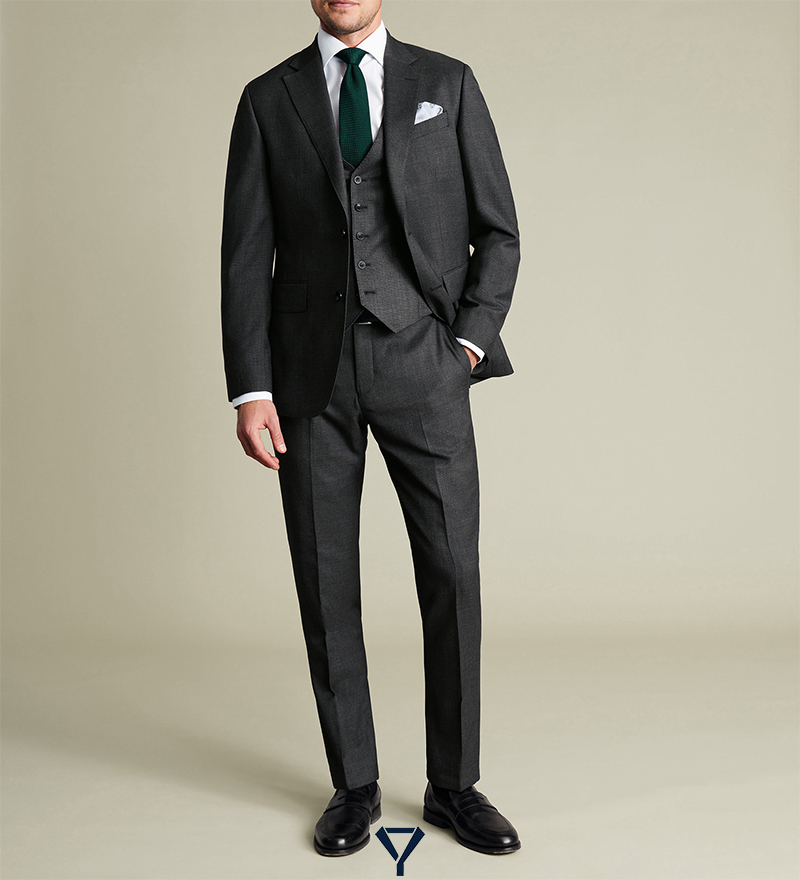
As a tailor with years of experience dressing professionals, I consider the charcoal grey suit to be one of the most important pieces a man can own, right after navy. Many people confuse charcoal grey with light grey, but the difference is significant. Charcoal grey is darker, deeper, and more refined, while light grey feels more casual and seasonal. Because of its depth, a charcoal grey suit projects authority and seriousness, making it especially suitable for formal business environments where first impressions matter.
There are also situations where choosing grey over navy is the smarter option. In conservative industries such as finance, law, or corporate management, a charcoal grey suit often feels more formal and restrained than navy. It communicates professionalism without drawing attention, which is exactly what you want in boardrooms, high-level meetings, or corporate presentations. The color absorbs light differently, giving the suit a clean, sharp silhouette that always looks polished and timeless.
Medium Grey Suit
While charcoal grey represents tradition and authority, the medium grey suit offers a more flexible and modern alternative. This is the suit I recommend once a man already owns navy and charcoal. Medium grey sits comfortably between formal and casual, making it ideal for business-casual offices, client meetings, or social events that still require a professional appearance. It pairs beautifully with white, light blue, and pastel shirts, and works well without a tie, creating a relaxed yet refined look.
Another advantage of a medium grey suit is its practicality in warmer climates. Lighter than charcoal but still structured, it reflects more light and feels visually cooler, which makes it more comfortable and appropriate for spring and summer wear. In hot or humid environments, medium grey looks fresh and breathable while maintaining a professional image. For men who want a suit that adapts easily to both work and social settings, the medium grey suit is a smart, versatile addition that bridges classic tailoring and modern lifestyle needs.

Read more: How to wear a Grey suit
3. Secondary Suit Colors to Expand Your Style
Black Suit
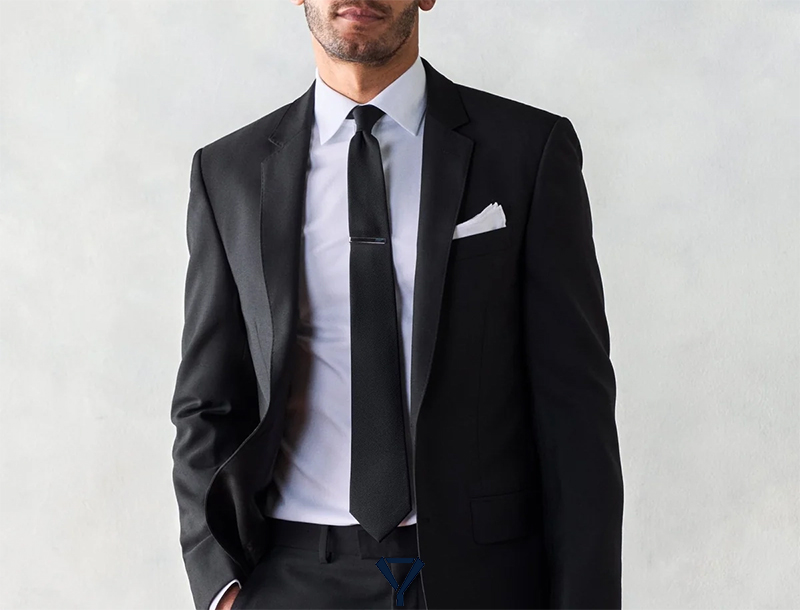
The black suit is one of the most misunderstood items in a man’s wardrobe. Many men believe a black suit is essential, but in reality, it is only truly necessary in specific situations. A black suit works best for formal evening events, funerals, black-tie-adjacent occasions, or roles that require a strict, authoritative appearance. In these contexts, black looks sharp, serious, and respectful. However, for everyday business or daytime wear, black can feel too harsh, overly formal, and even outdated.
Knowing when not to wear a black suit is just as important. In offices, job interviews, weddings, or client meetings, black often creates a unnecessary distance. It absorbs too much light and can make the wearer appear rigid.
This is why, in daily life, I almost always recommend charcoal grey over black. When comparing black vs charcoal in real-world situations, charcoal offers the same level of professionalism but looks softer, more refined, and far more versatile. Charcoal grey works seamlessly from day to night, while black tends to feel out of place unless the setting is very formal. For most men, a charcoal suit will be worn far more often than a black one, making it a smarter investment.
Read more: How to wear a Black suit
Brown Suit
Once the core colors are covered, the brown suit becomes an excellent way to expand personal style. Brown is warm, elegant, and often underrated, yet it has a unique ability to make a man look approachable and confident at the same time. A brown suit is especially suitable for men in creative industries, entrepreneurs, or anyone who wants to look professional without appearing overly corporate. It works beautifully in relaxed business settings, casual offices, and social events where personality matters as much as polish.
Understanding the difference between dark brown and light brown suits is key. Dark brown feels richer and more formal, making it suitable for business-casual environments and autumn or winter wear. Light brown or tan suits, on the other hand, feel more relaxed and seasonal, perfect for spring, summer, and daytime events.
From a tailor’s perspective, the reason brown suits are making a strong comeback is simple: modern menswear values versatility and individuality. Brown offers both. It pairs naturally with neutral shirts, textured ties, and leather accessories, allowing men to express style without sacrificing sophistication.

Read more: How to wear a Brown suit
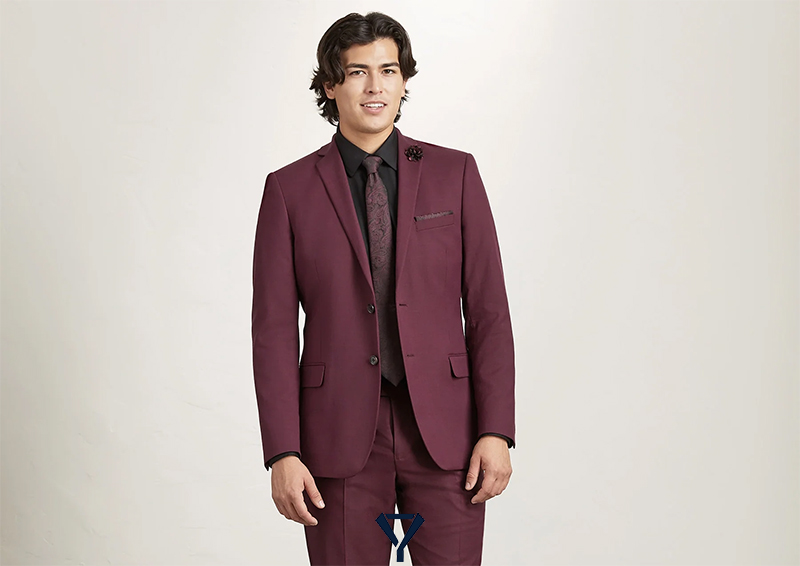
Burgundy / Wine Suit
The burgundy or wine suit is a perfect example of making a statement without being loud. When worn correctly, that’s it. Burgundy works best when the setting allows for a touch of personality but still respects elegance. It is not a color for conservative boardrooms or formal business meetings, but it shines in evening events, cocktail parties, social gatherings, and weddings as a guest. It gonna make you looks confident, and refined with intention, rather than being flashy.
The key is context: when the atmosphere is relaxed yet stylish, burgundy feels natural instead of excessive.
To keep a burgundy suit sophisticated and not overdone, simplicity is essential. To style a burgundy suit, we can pair it with clean, neutral element like a crisp white or light grey shirt, minimal patterns, and understated accessories. Avoid overly shiny fabrics or bold contrasts, which can make the suit look theatrical. A deep, muted wine tone in a matte wool fabric will always appear more elegant than a bright or glossy burgundy. When styled with restraint, a burgundy suit is an excellent choice for men who want to stand out quietly.
Beige / Tan Suit
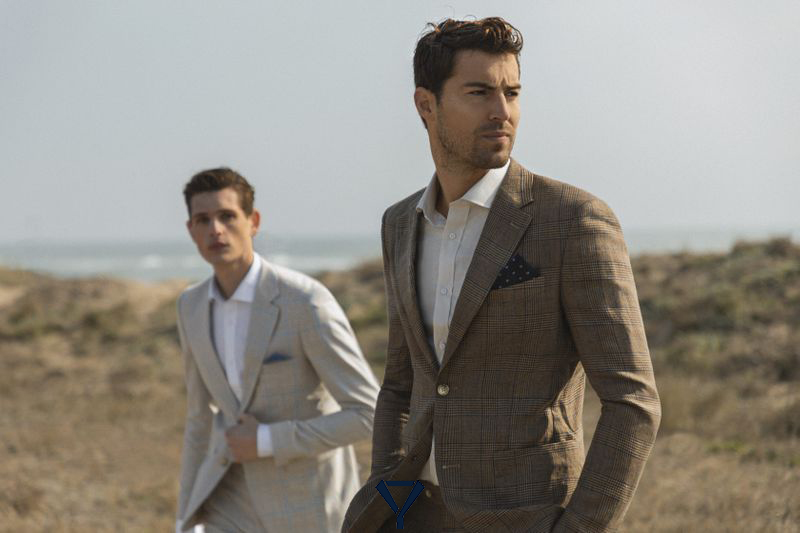
The beige (or tan) suit, on the other hand, is all about comfort, climate, and seasonal style. These lighter colors are ideal for summer, warm climates, and daytime events, where darker suits can feel heavy and out of place. Beige and tan reflect light rather than absorb it, which makes them visually cooler and more breathable. This is especially more important in hot or humid environments. That’s why they are popular choices for destination weddings, outdoor events, and casual business settings in warm regions.
Suit fabric choice plays a major role when selecting a beige or tan suit. Linen suits offer maximum breathability and a relaxed appearance, perfect for casual summer occasions, though they wrinkle easily. Lightweight wool or wool blends, however, provide better structure and versatility while still remaining comfortable in warm weather.
Not every man should choose beige or tan as a first suit color. These shades work best for men who already own core colors like navy and grey, and for those who feel comfortable with lighter, more casual tones.

4. How Many Suits Should a Man Own?
From a tailor’s perspective, the question of how many suits a man should own is less about numbers and more about lifestyle.
At an absolute minimum, two suits are essential: one navy blue suit and one charcoal grey suit. These two colors cover nearly every formal and professional situation, from job interviews and office wear to weddings and important meetings. With just these two suits, a man can rotate outfits, extend the life of each suit, and always appear well-dressed without overthinking his wardrobe.

For most working professionals, however, owning three to four suits is ideal. This range offers enough variety to dress appropriately throughout the week while maintaining a polished and consistent image. In addition to navy and charcoal, adding a medium grey or dark brown suit creates flexibility for business-casual offices, client meetings, or social occasions. I’ve seen that men with three or four well-chosen suits feel more confident because they always have an option that fits the tone of the day. It also allows better coordination with shirts and ties, making the entire wardrobe more efficient.
For men who enjoy style, attend frequent events, or work in creative or social industries, owning five or more suits makes sense. At this stage, suits become less about necessity and more about expression. Colors like burgundy, beige, or seasonal fabrics can be added without sacrificing practicality. The key is that these additional suits should complement the core colors, not replace them.
A well-built collection always starts with the essentials and grows intentionally. When planning your wardrobe, thinking in terms of suit wardrobe essentials ensures that every suit you own has a clear purpose and earns its place in your closet.

5. How to Choose Suit Colors Based on Lifestyle
Choosing suit colors should always reflect a man’s lifestyle, not just fashion rules. The same suit that works perfectly in a corporate office may feel completely wrong in a creative studio or at a social event. Understanding where and how you wear your suits will help you invest in the right colors and avoid expensive mistakes.
Office Professionals
For office professionals, especially those working in corporate, finance, law, or traditional business environments, it is best to prioritize classic and conservative colors. Navy blue and charcoal grey should always come first, as they project reliability, authority, and professionalism. Medium grey can also work well in modern offices with a slightly relaxed dress code. These colors blend seamlessly into formal settings and help you look polished without drawing unnecessary attention.
On the other hand, office professionals should generally avoid loud or unconventional colors such as bright blue, burgundy, or light beige for daily work. These shades can appear distracting or too casual, especially in meetings where credibility and seriousness matter most.

Entrepreneurs & Creative Fields
For entrepreneurs and men in creative fields, the rules are far more flexible. In these environments, dressing too conservatively can sometimes make you look stiff or outdated. While navy and grey are still useful, they do not need to dominate your wardrobe. This is where colors like brown, medium grey, olive, or even burgundy can shine. These shades communicate confidence, individuality, and approachability. These are qualities that are often valued in creative industries, startups, and client-facing roles.
A well-tailored brown or burgundy suit, for example, can make a strong impression without feeling rebellious. The key is balance: expressive colors should still be grounded in classic tailoring and quality fabrics.

Wedding, Events, and Social Occasions
When it comes to weddings, events, and social occasions, suit color choice becomes even more important if you attend these gatherings frequently. Navy remains a safe and elegant option, but owning additional colors can elevate your presence. Medium grey, brown, burgundy, and even beige or tan are excellent choices depending on the season and setting. Burgundy works especially well for evening events, while beige or tan suits are perfect for daytime or destination weddings in warm climates.
As a guest, your suit should look refined and stylish without competing with the main event. Having a small selection of event-appropriate suit colors ensures you are always dressed correctly, confidently, and with effortless style.

6. Common Mistakes Men Make When Choosing Suit Colors
One of the most common mistakes is buying a black suit as the first suit. While black looks formal, it is actually one of the least versatile colors for everyday wear. Black suits are best reserved for funerals or formal evening events, not offices, interviews, or weddings. For most men, starting with navy or charcoal would provide far more value and flexibility.

Another frequent mistake is choosing suit colors based on trends instead of real needs. Fashion trends change quickly, but suits are long-term investments. A trendy color may look exciting for a season, then feel outdated or impractical the next year. As a tailor, I always advise clients to think about where they will wear the suit, how often they will wear it, and whether it fits their daily life. Classic colors last for decades; trends rarely do.
Many men also ignore their skin tone and their living environment. Suit colors interact with complexion and climate more than people realize. A color that looks sharp on one person may drain another’s appearance. Likewise, very dark suits can feel heavy in hot or humid climates, while light suits may feel out of place in conservative cities. Choosing colors that complement your skin tone and match your environment ensures the suit feels natural rather than forced.
Finally, a costly mistake is buying too many difficult-to-style colors. Owning several suits in bold or unusual shades often results in a wardrobe that is hard to coordinate. If a suit only works with one shirt or one pair of shoes, it will rarely be worn. A well-built wardrobe focuses on a few versatile colors that mix easily with different shirts, ties, and accessories. Fewer suits in the right colors will always outperform many suits in the wrong ones.
Conclusion
The answer to what color suits should a man own is ultimately about intention, not excess. A well-dressed man is not someone with the largest wardrobe, but someone whose suits are chosen wisely and worn often. By starting with essential colors like navy blue and charcoal grey, then gradually adding versatile options such as medium grey, brown, or seasonal tones, you build a collection that works for real life, not just special occasions. When the colors are right, everything else, from shirts, ties, shoes, to even posture, falls naturally into place. Invest in fewer suits, choose the right colors, and every suit you own will earn its place in your wardrobe for years to come.

Created from my passion for sartorial that I discovered through learning and working in the field, YOURSUITTREND is dedicated to providing in-depth knowledge, expert styling tips, and the latest trends in men’s tailored fashion. If you ever come to Vietnam, let’s grab a glass 🙂