
When it comes to wearing a suit, color is one of the most important decisions you can make, sometimes even more important than suit fabric or cut. Whether you look confident and professional or out of place often comes down to choosing the right suit color for the occasion. In this complete guide, we’ll break down the best suit colors and explain how to choose the right one based on occasion, season, skin tone, and personal style. Whether you’re building your first suit wardrobe or refining an existing one, this article will help you understand the best suit colors for men and how to wear them with confidence in any setting.
1. How to Choose the Right Suit Color
Choosing the right suit color is not just about what looks good on a mannequin or in a fashion magazine. The best suit color for you depends on several personal factors, including your skin tone, body type, and overall style.
Suit Color and Skin Tone
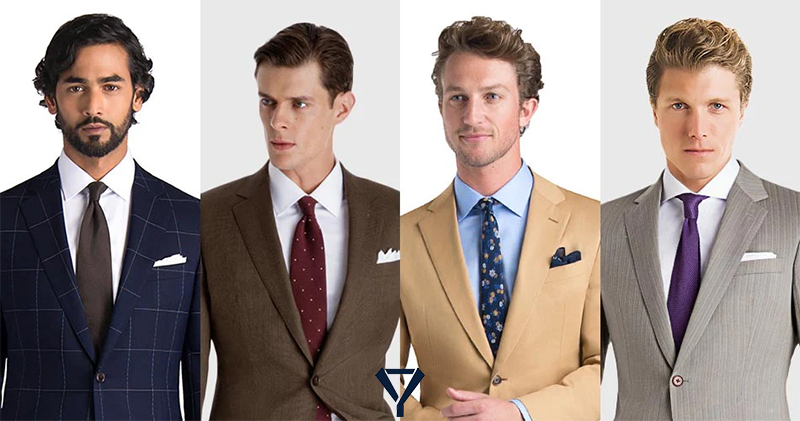
Your skin tone plays a crucial role in determining which suit colors look best on you. The right color can make your complexion look healthy and vibrant, while the wrong one can make you appear tired or washed out. As a general rule, avoid suit colors that are too close to your natural skin tone, as they can make your overall look appear dull and lacking in definition.
- Light skin tones tend to look best in deeper, richer colors such as navy, charcoal grey, dark brown, or burgundy. These colors create contrast and prevent the outfit from looking too pale or flat.
- Medium skin tones are the most versatile and work well with a wide range of suit colors, including navy, mid grey, olive, brown, and even lighter shades like beige or light blue.
- Darker skin tones pair especially well with lighter and warmer suit colors such as light grey, tan, camel, beige, and soft blue. These colors highlight the skin tone without overpowering it.
Suit Color and Body Type
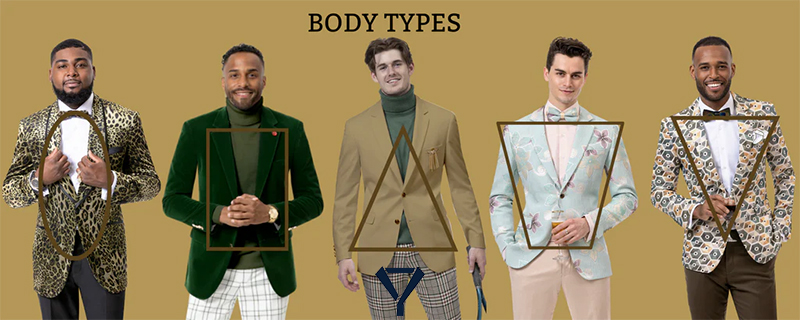
Suit color also affects how your body proportions are perceived. Strategic color choices can enhance your silhouette and create a more balanced appearance.
- Darker suit colors like navy, charcoal, and dark brown tend to slim the body and create a more streamlined look. These are excellent choices for men who want a sharper, more formal appearance.
- Lighter suit colors, such as light grey, beige, and light blue, create a more relaxed and approachable feel. They can add visual width, making them suitable for slimmer body types or casual settings.
- Monochromatic or low-contrast outfits with similar suit components can also help create a taller, more cohesive look.
Understanding how suit color interacts with body shape allows you to choose colors that flatter your proportions rather than draw attention to areas you may want to downplay.
Suit Color and Personal Style
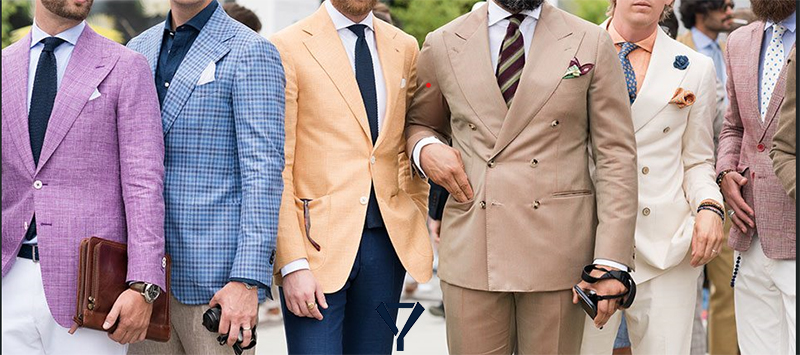
Beyond technical rules, your personal style should always guide your final choice. The best suit colors for men are the ones that align with how you want to present yourself.
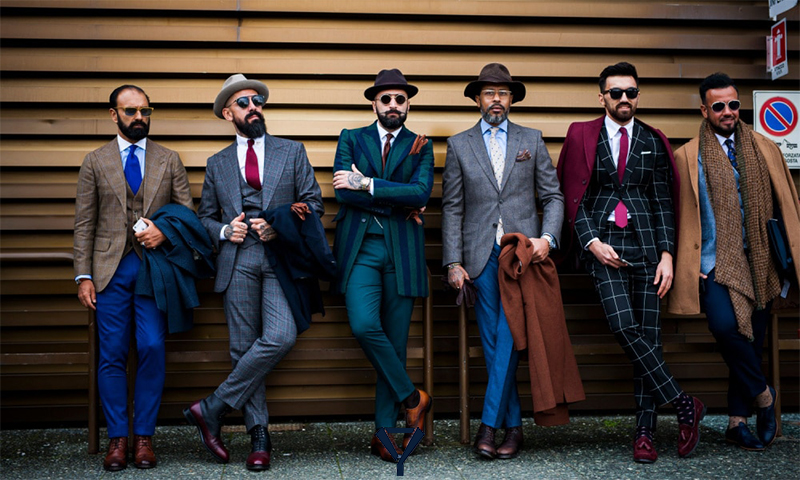
- Classic style favors timeless colors like navy, charcoal, mid grey, and black. These colors are safe, professional, and never go out of fashion.
- Modern style allows for more flexibility, including light grey, blue, olive, and tan. These colors feel current while remaining elegant.
- Fashion-forward style embraces bolder options such as burgundy, forest green, or camel, used thoughtfully and in the right context.
The key is balance. If you prefer safe colors, start with classic shades and gradually introduce more distinctive tones. If you enjoy standing out, choose one statement suit color and keep the rest of the outfit simple and refined.
2. Classic Suit Colors Every Man Should Own
When building a suit wardrobe, it’s always best to start with classic colors. These are the foundation of timeless menswear: versatile, reliable, and appropriate for nearly every formal or semi-formal situation. If you are asking what suit colors should every man own (or woman, really), these classic options represent the best suit colors to invest in first.
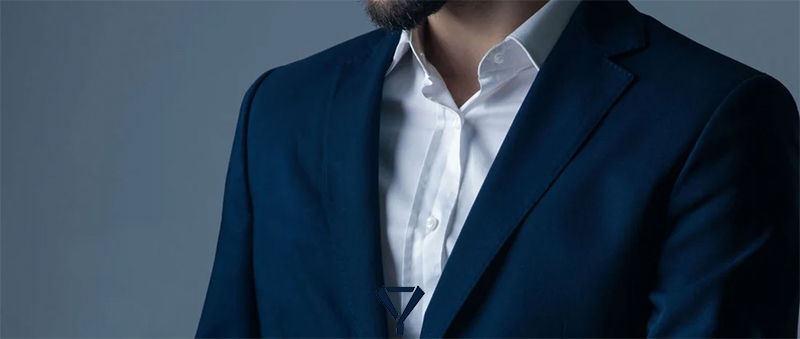
Navy Blue Suit
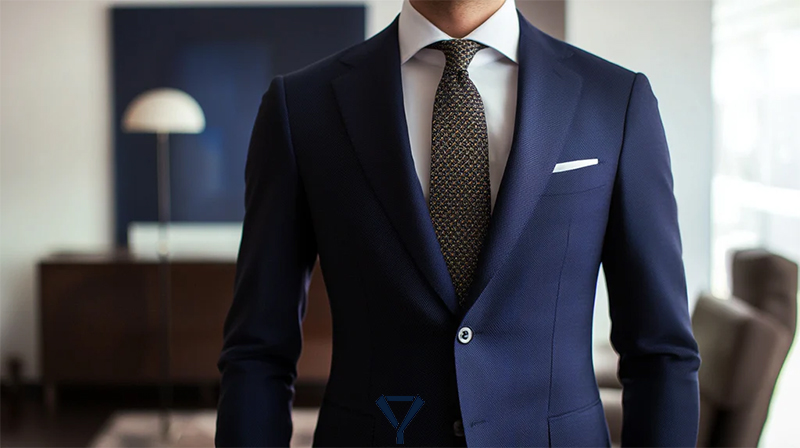
Navy blue is widely considered the most versatile suit color a man can own. It strikes the perfect balance between formal and approachable, making it suitable for almost any occasion. From business meetings and office wear to weddings and formal events, a navy suit works effortlessly across settings.
One of the biggest advantages is its ease when it comes to styling a navy suit. It pairs naturally with white, light blue, or even pastel shirts, and works well with a wide range of tie colors, from classic navy and burgundy to patterned designs. Navy also complements both black and brown shoes, giving you maximum flexibility.
Charcoal Grey Suit
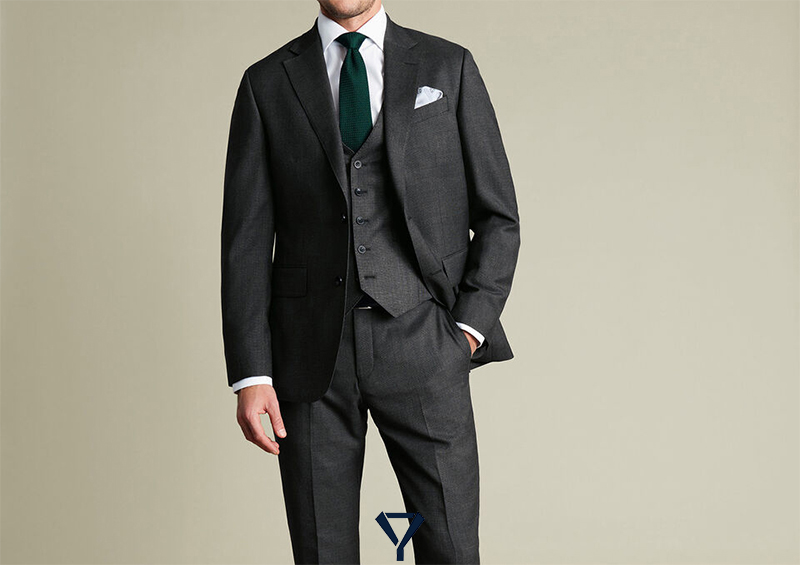
Charcoal grey is a cornerstone of professional menswear. Darker and more serious than mid grey, yet softer and more versatile than black, a charcoal suit is ideal for business formal environments where authority and professionalism matter.
Unlike black suits, which can feel too severe during the daytime, charcoal grey offers a refined and understated look that works perfectly in offices, interviews, and corporate events. It also photographs well and maintains its elegance under different lighting conditions.
For men who want a polished appearance without appearing overly formal, charcoal grey is often the perfect alternative to a black suit, making it one of the best suit colors for business settings.
Mid Grey Suit
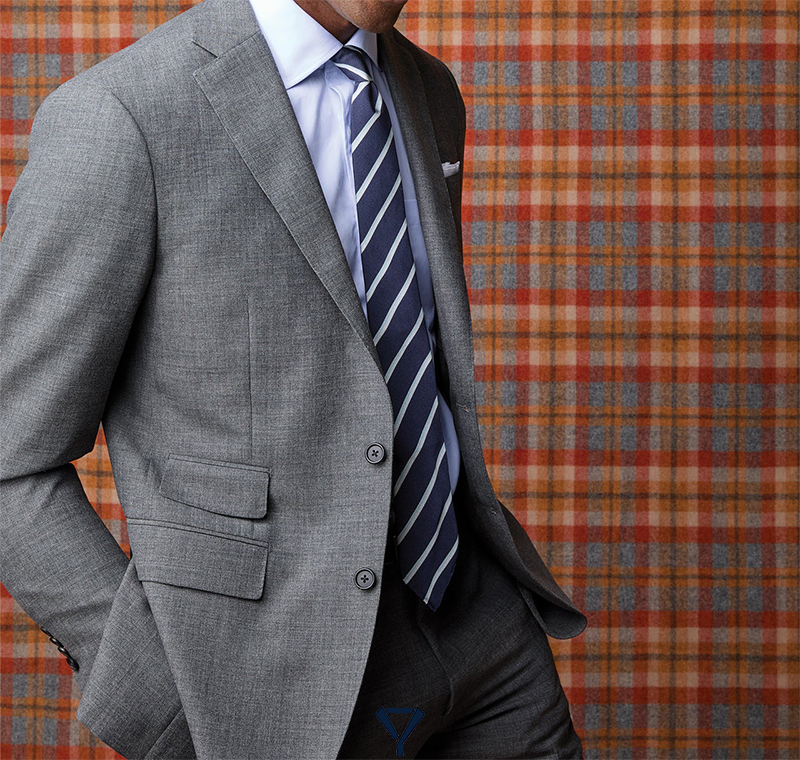
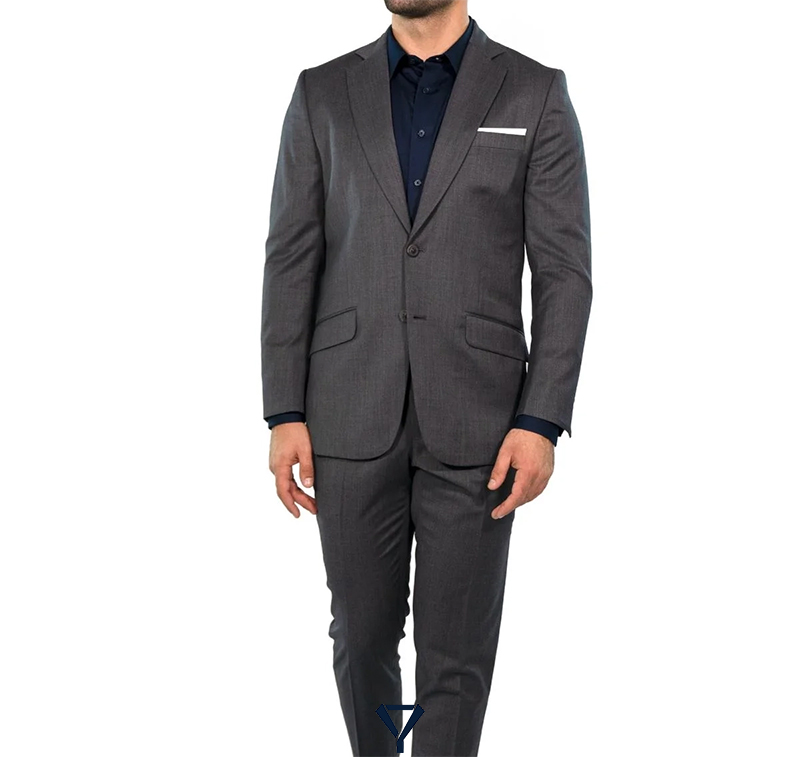
Mid grey sits comfortably between light grey and charcoal, offering a balanced and highly versatile option. It is lighter and more relaxed than charcoal, yet still professional enough for most work environments and formal occasions.
This color works especially well for men who want a suit that transitions easily from day to night. A mid grey suit can be worn to the office with a white or light blue shirt, then restyled with a darker tie or accessories for evening events.
Because it flatters most skin tones and body types, mid grey is considered one of the most practical and long-lasting choices. It is also one of the best suit colors for men who want a modern look without chasing short-term fashion trends.
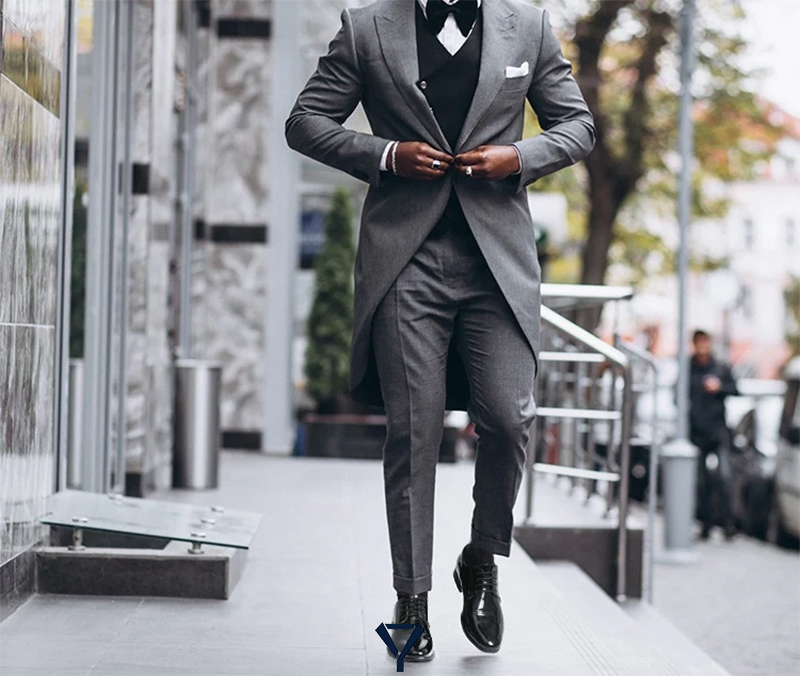
Read more: Grey suit combinations you should know about
Black Suit
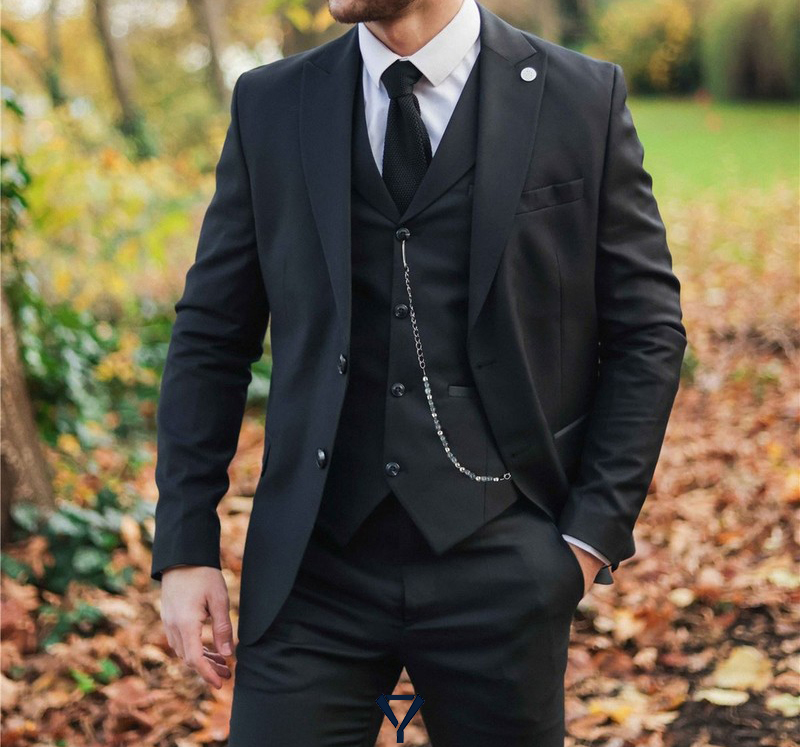
Black is one of the most iconic suit colors in menswear, often associated with elegance, authority, and formality. However, despite its popularity, a black suit is not always the most practical choice and should be worn with intention.
A black suit is best suited for evening events and highly formal occasions, such as black-tie, adjacent events, formal dinners, ceremonies, or somber occasions. In low-light settings, black looks sharp, refined, and dramatic, especially when paired with a crisp white shirt and minimal accessories. It’s also important to distinguish between a black suit and a tuxedo. Many men mistakenly use a black suit as a substitute for a tuxedo, which can look underdressed at true black-tie events.
That said, black suits are not ideal for daytime wear or standard business environments. Under natural daylight, black can appear harsh, flat, and overly severe compared to navy or charcoal. A black suit always remains a classic option, but it should be treated as a specialized suit color rather than a daily essential.
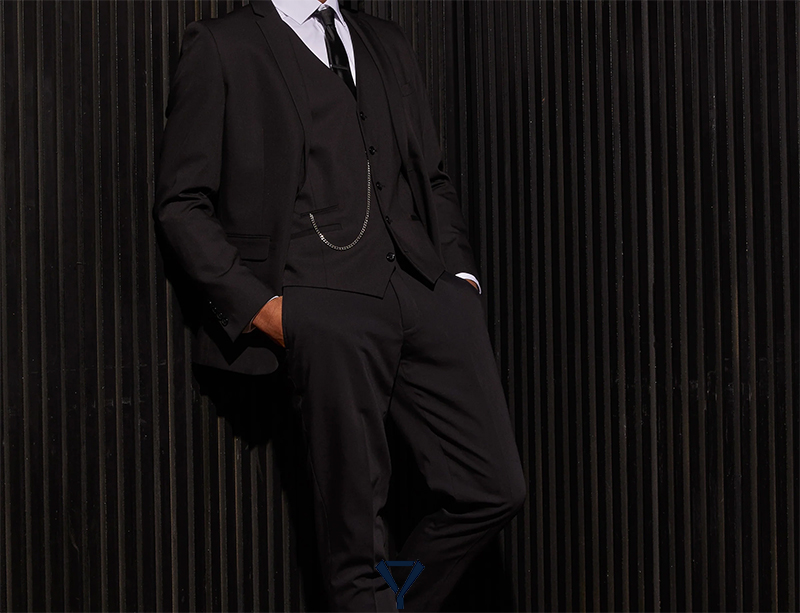
Read more: How to wear a black suit
3. Seasonal & Light Suit Colors
Seasonal and light suit colors are especially important for men living in warm or tropical climates, or for those attending events during spring and summer. These colors feel lighter, fresher, and more breathable.
Light Grey Suit
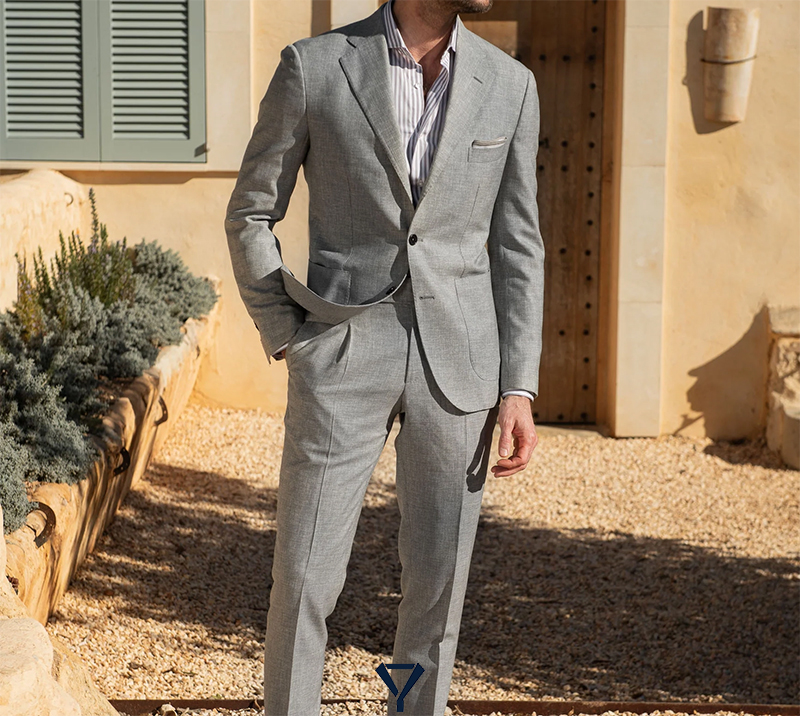
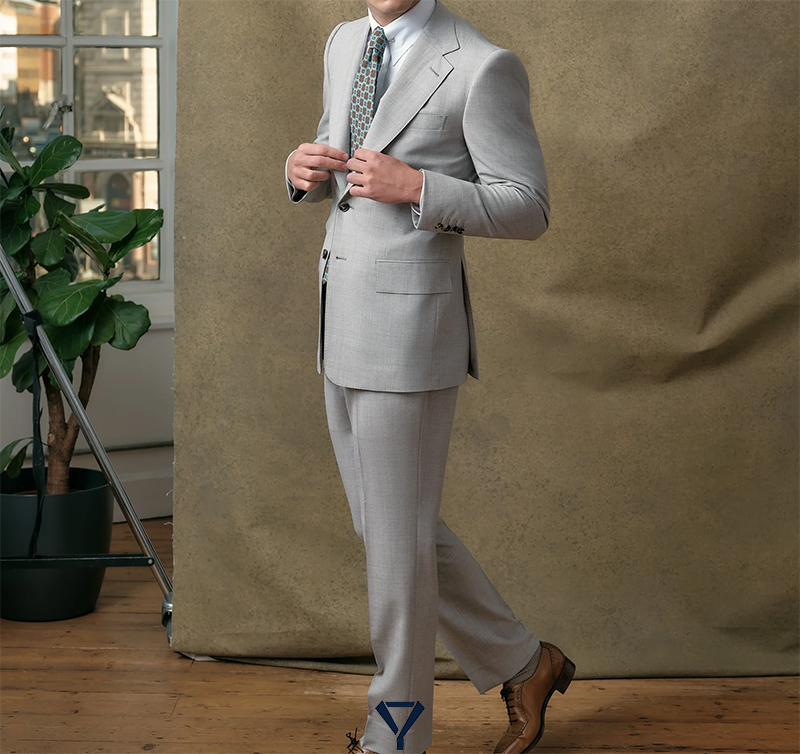
Light grey is one of the most versatile seasonal options and a strong contender among the best suit colors for summer. It offers a clean, modern appearance while remaining more polished than beige or tan. Compared to darker greys, light grey reflects more light, making it ideal for warm weather and daytime wear.
This color works particularly well in creative offices, business casual environments, and daytime events where a traditional navy or charcoal suit might feel too formal. A light grey suit creates a relaxed yet professional impression, making it suitable for meetings, presentations, and social occasions alike.
Styling a light grey suit is refreshingly simple. It pairs effortlessly with white, light blue, pastel pink, or soft lavender shirts. Accessories should remain understated. Navy, burgundy, or grey ties work best, while brown or suede shoes add warmth and balance. Because it flatters most skin tones and body types, light grey remains one of the best suit colors for men seeking a contemporary, season-appropriate look.
Beige Suit
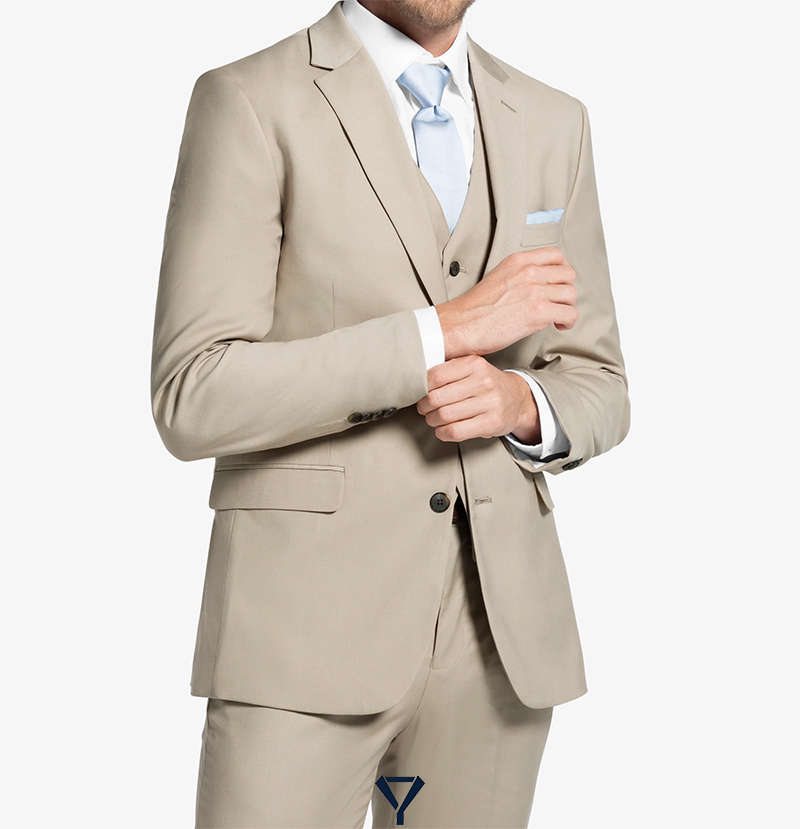
Beige is widely regarded as the ultimate summer suit color, especially in hot and humid climates. Light, breathable, and visually cooling, a beige suit is designed for comfort without sacrificing elegance. It is one of the best suit colors for summer weddings, outdoor events, and destination occasions.
Beige suits are particularly popular for beach weddings, garden ceremonies, and daytime celebrations, where darker colors can feel heavy or out of place. When tailored properly, beige delivers a refined yet effortless aesthetic that feels relaxed but intentional.
This color pairs beautifully with white, cream, light blue, or linen shirts, enhancing its airy and natural appearance. Footwear choices such as tan leather shoes, loafers, or suede styles complement beige perfectly, reinforcing its casual elegance. However, beige suits require clean lines and good tailoring. It’s a poor fit that can quickly make the outfit look sloppy.
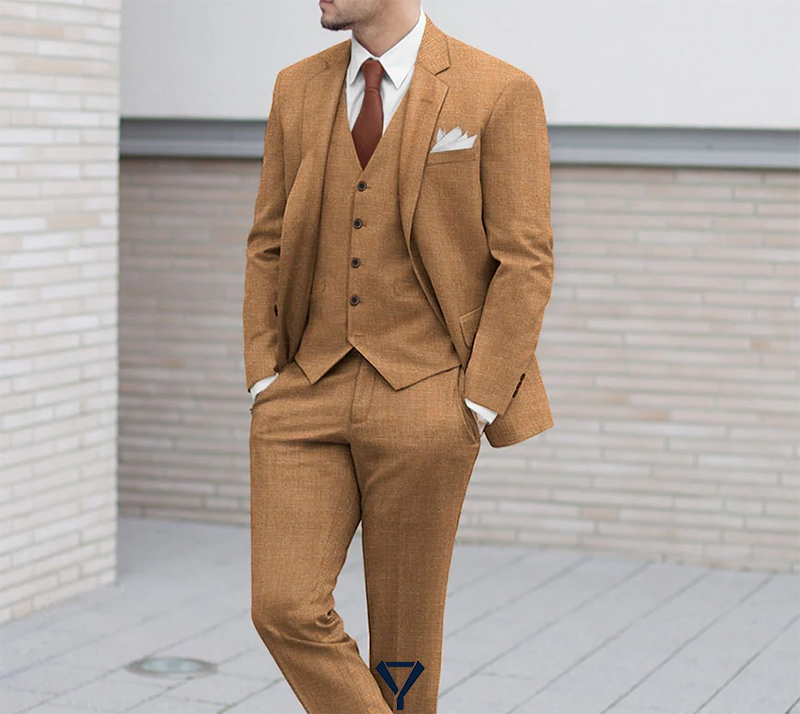
Tan Suit
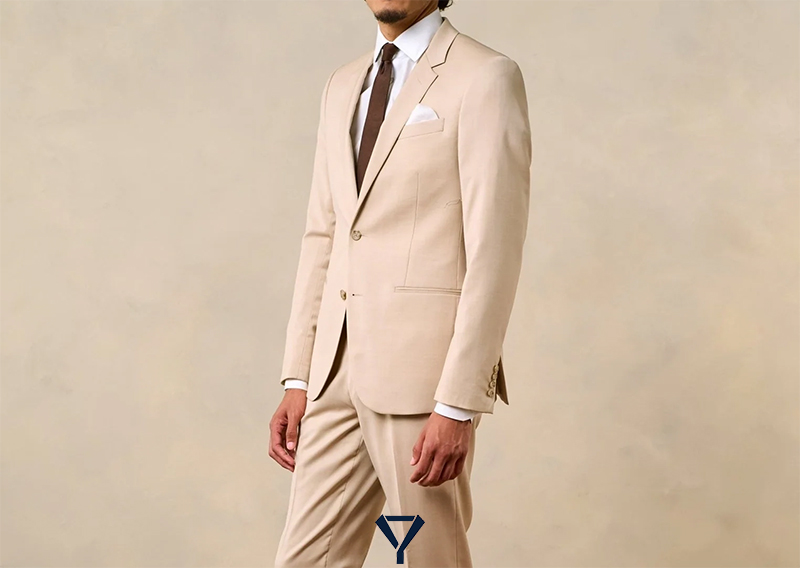
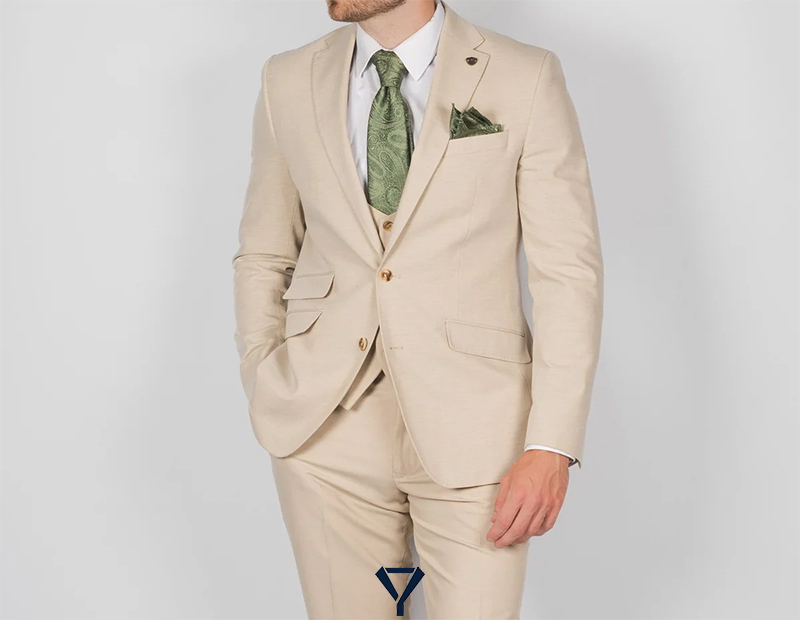
Tan is a refined and versatile suit color that sits slightly darker than beige, offering more depth and structure while still maintaining a light, relaxed feel. This balance makes tan one of the best suit colors for men who want to look elegant without appearing overly formal.
Strongly associated with Italian and American menswear, tan suits are a staple in business casual and smart casual environments. They project confidence, approachability, and modern style, ideal for creative offices, social business settings, and daytime events where traditional dark suits may feel too stiff.
A tan suit pairs exceptionally well with white, light blue, cream, or soft striped shirts. For footwear, brown leather shoes, loafers, or suede styles enhance the suit’s warm tones and relaxed character. Because tan is lighter than navy or charcoal, fit and tailoring are especially important to maintain a clean, polished look.
Light Blue Suit
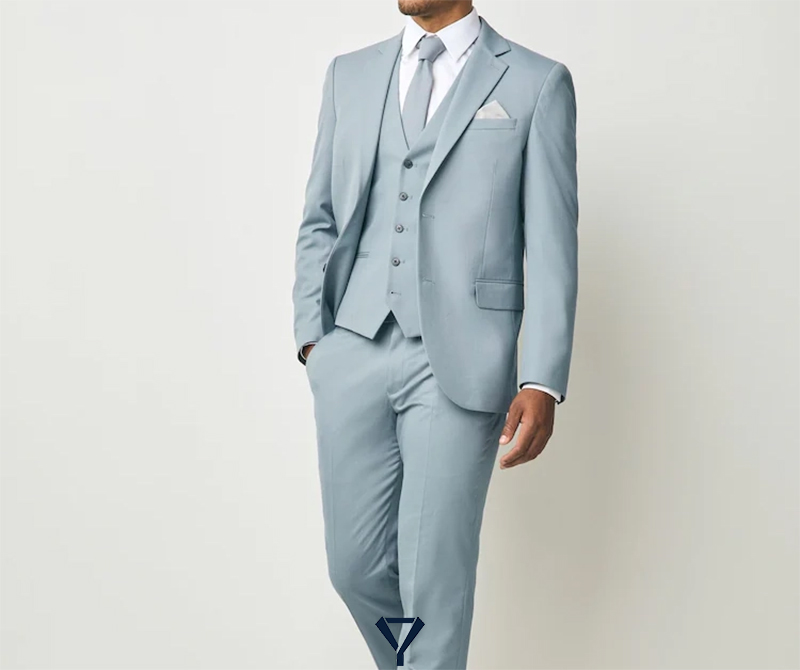
Light blue is a modern, fashion-forward alternative to traditional navy, offering a fresh and youthful appearance. It retains the elegance of blue while introducing a lighter, more relaxed tone, making it one of the best suit colors for spring and summer.
This color is particularly popular for daytime weddings, outdoor events, and warm-weather celebrations, where darker suits can feel heavy or out of place. A light blue suit feels optimistic and stylish, making it a favorite choice for men who want to stand out subtly without being bold.
Light blue suits work best when styled simply. White or very light pastel shirts keep the look clean, while accessories in navy, grey, or soft brown provide contrast without overpowering the suit. Brown or tan shoes are usually preferable to black, reinforcing the suit’s relaxed elegance.
However, light blue is not recommended for highly formal or conservative business environments, where darker tones like navy or charcoal are still expected. When worn in the right setting, light blue offers a confident, contemporary look and earns its place among the best suit colors for modern men.
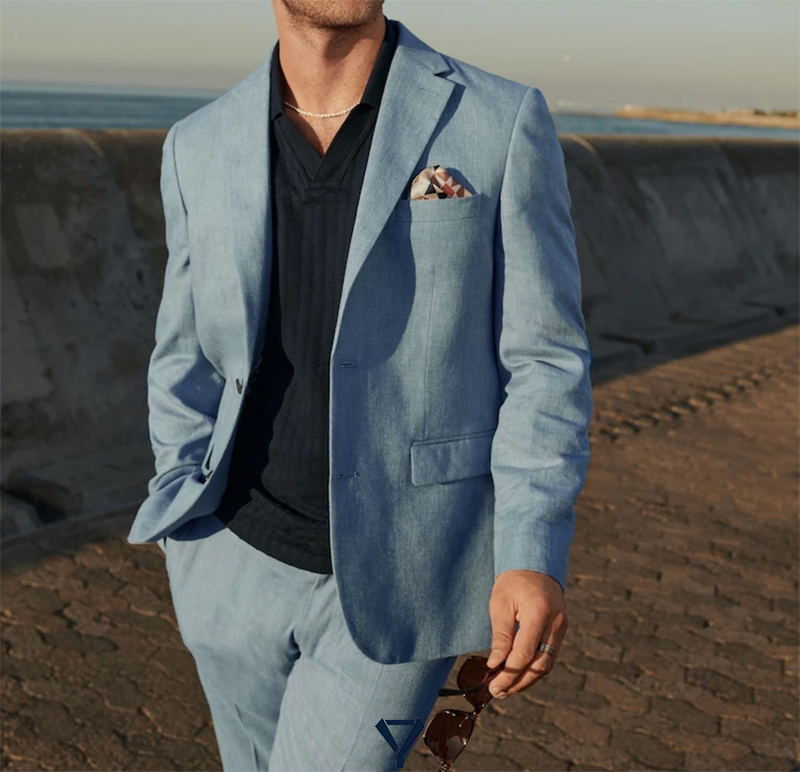
4. Earth Tone & Warm Suit Colors
Earth tones and warm suit colors represent a more refined and understated side of menswear. These colors are often associated with heritage tailoring, European elegance, and a deeper understanding of style. While they are less common than navy or grey, they are among the best suit colors for men who want sophistication without looking flashy.
Brown Suit
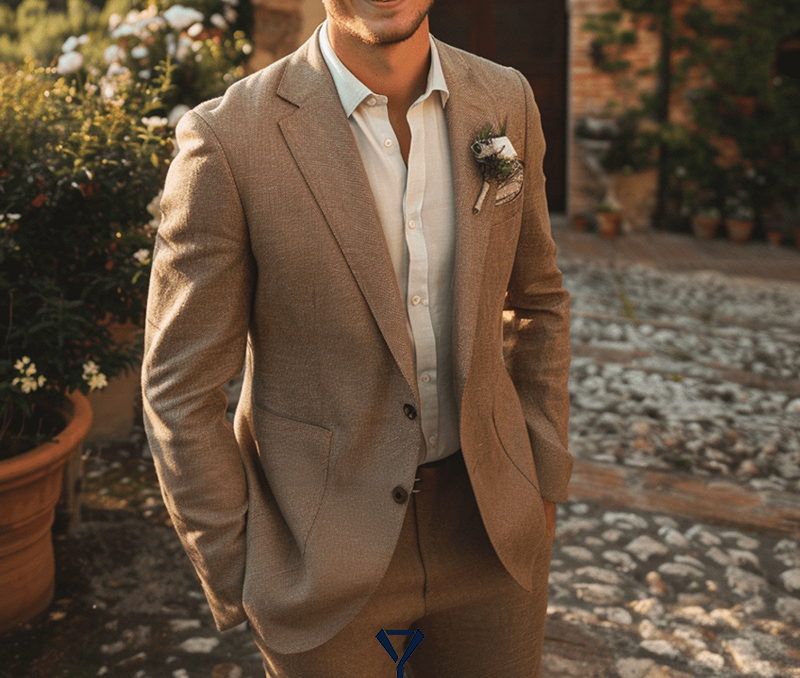
Brown is one of the most underrated suit colors in modern menswear. Often overlooked in favor of navy or grey, a well-tailored brown suit offers warmth, depth, and timeless charm. It is especially flattering on Asian skin tones, as its natural warmth enhances complexion rather than washing it out.
Traditionally linked to British and vintage tailoring, brown suits project maturity, confidence, and subtle elegance. They work exceptionally well in business casual environments, social events, and smart casual settings where black or charcoal might feel too formal.
Styling a brown suit is far easier than many expect. It pairs beautifully with white, cream, light blue, or pale green shirts. Accessories in burgundy, navy, or earth tones complement the suit naturally, while brown or oxblood shoes complete the look seamlessly.
Read more: How to wear a brown suit
Dark Brown / Chocolate Suit
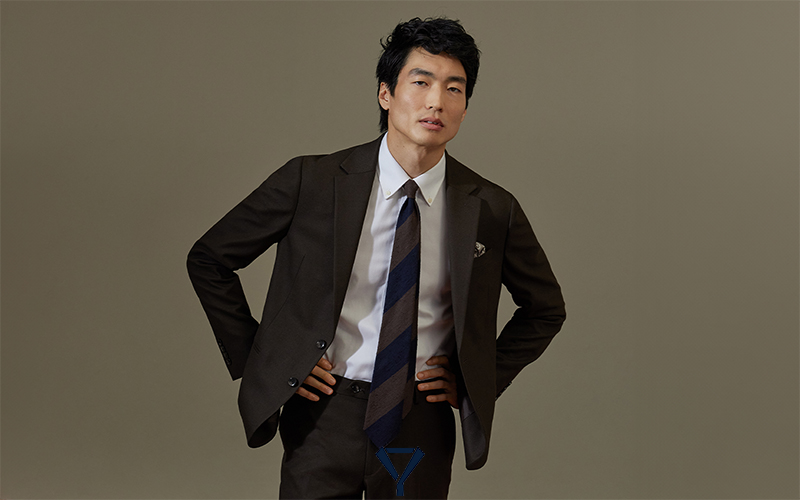
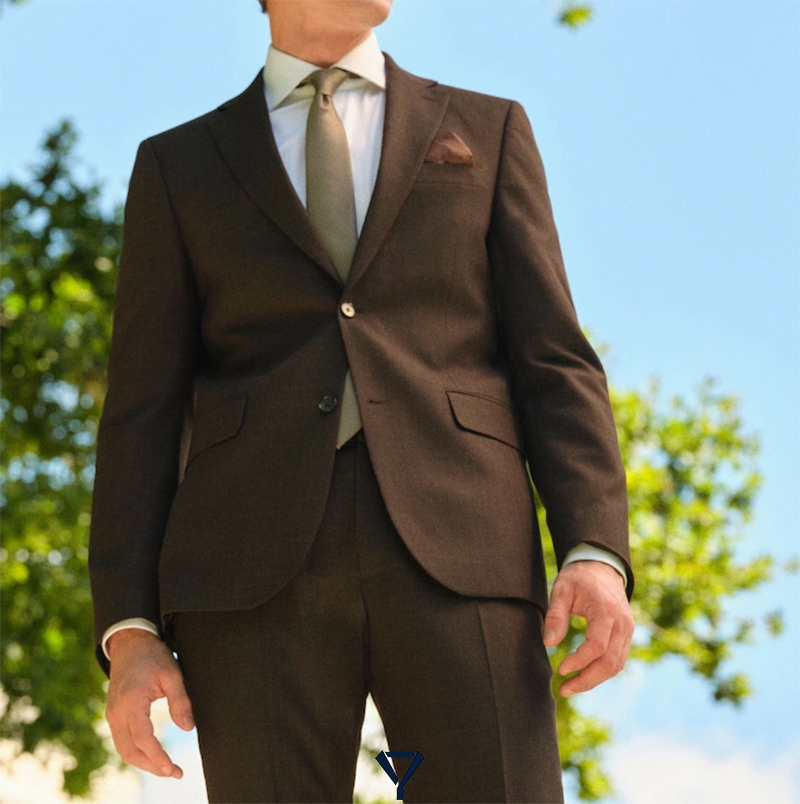
Dark brown, often referred to as chocolate brown, is a deeper and more formal variation of brown. Rich, elegant, and visually strong, this color is ideal for fall and winter when heavier fabrics and darker tones feel more appropriate.
A dark brown suit serves as an excellent alternative to navy or charcoal, offering similar formality with added warmth and personality. It conveys confidence and refinement without appearing rigid, making it suitable for business settings, evening events, and formal social occasions.
This color truly shines when tailored properly and crafted from high-quality wool or wool blends. It pairs best with crisp white or light blue shirts, while accessories should remain understated. Deep burgundy, dark green, or muted patterns are all suitable suit colors that work particularly well.
Camel Suit

Camel is widely regarded as a luxury suit color, often seen in high-end European tailoring. Soft, warm, and elegant, it reflects a strong sense of personal style and confidence. Unlike beige or tan, camel has greater depth and richness, giving it a more elevated appearance.
This color is best suited for men with a clear sense of style, as it draws attention in a quiet, sophisticated way. Camel suits work beautifully in daylight settings, upscale casual events, and refined social occasions. They are especially striking when made from premium fabrics such as fine wool or cashmere blends.
Camel pairs effortlessly with white, navy, or deep brown accessories. Because the color itself is distinctive, the rest of the outfit should remain clean and minimal. When worn with intention and proper tailoring, camel stands out as one of the best suit colors for men who value elegance, craftsmanship, and timeless appeal.
5. Modern & Fashion-Forward Suit Colors
Modern and fashion-forward suit colors are designed for men who want to stand out without crossing the line into being flashy. These colors show confidence, individuality, and a strong sense of style, while still respecting classic tailoring principles. When worn in the right context and with proper fit, they rank among the best suit colors for contemporary menswear.
Olive Green Suit
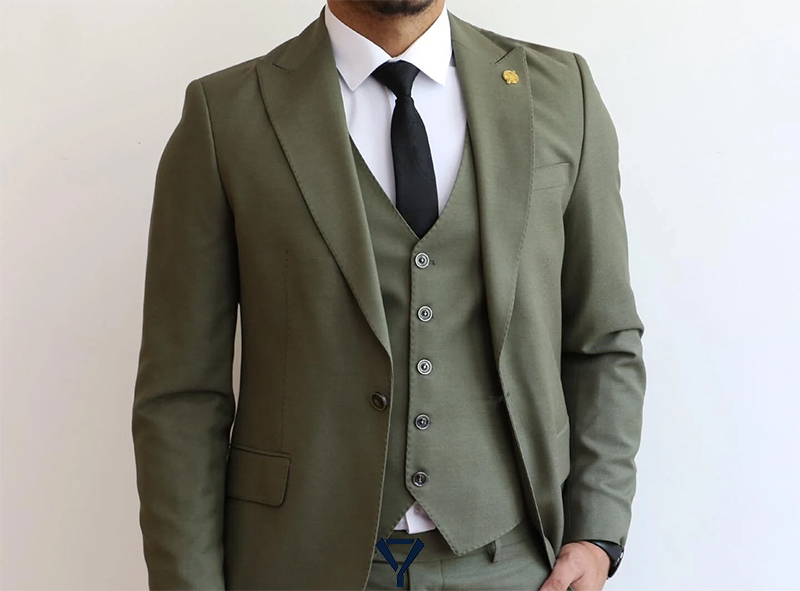
Olive green is one of the most popular modern suit colors in recent years, thanks to its perfect balance between uniqueness and wearability. It is different from traditional navy or grey, yet subtle enough to remain elegant and masculine. This makes olive one of the best suit colors for men who want something modern without being overly bold.
Olive suits work exceptionally well in casual to semi-formal settings, such as creative offices, social events, and daytime gatherings. The color has a natural, earthy quality that feels relaxed while still refined. Compared to brighter greens, olive is muted and mature, making it easier to style.
For a clean look, olive green pairs best with white, cream, or light blue shirts. Accessories in brown, tan, or dark green complement the suit naturally, while brown leather or suede shoes complete the outfit. When tailored properly, an olive suit feels contemporary, confident, and effortlessly stylish.
Forest Green / Dark Green Suit
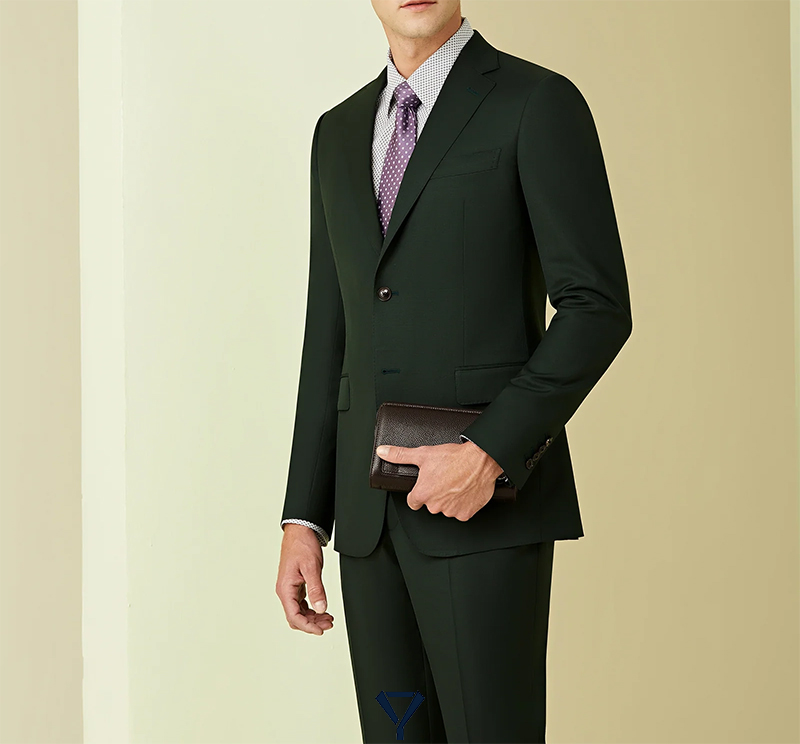
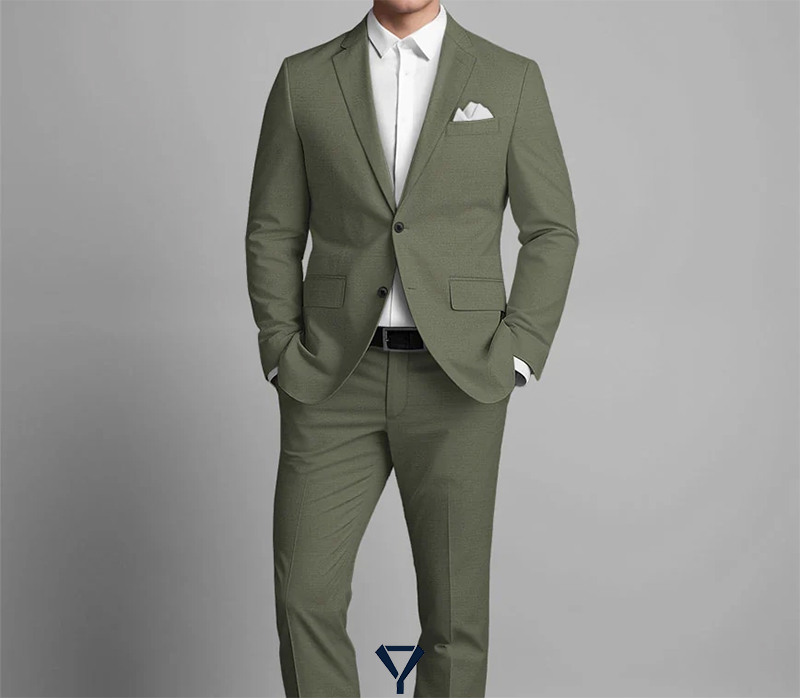
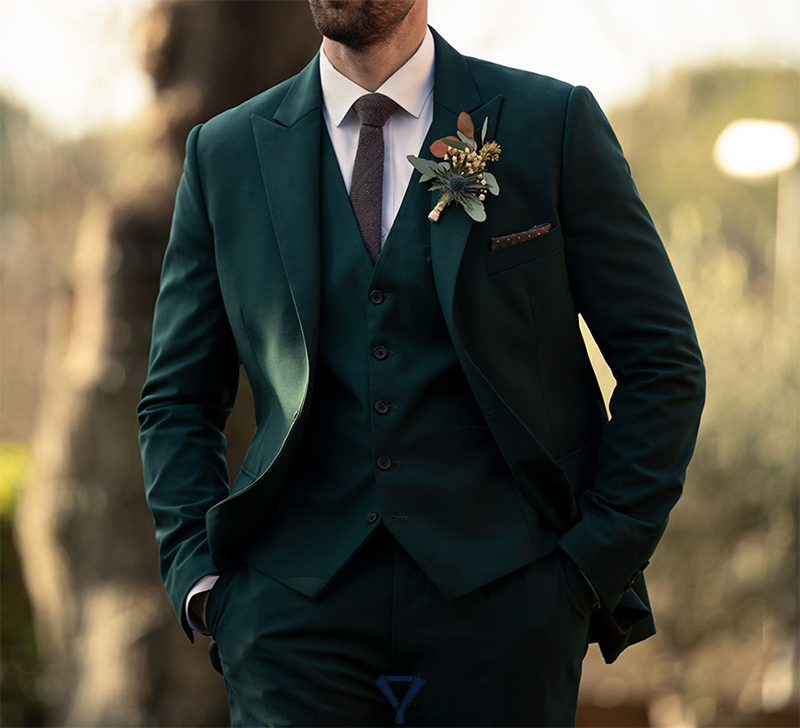
Forest green or dark green is a richer, more formal variation of green suits. Deeper and more intense than olive, this color carries a stronger presence and is particularly well-suited for evening events and colder seasons.
Dark green suits are often associated with high-quality wool fabrics, where the depth of color becomes more noticeable under low lighting. This makes forest green an excellent option for fall and winter occasions, formal dinners, and upscale social events where navy or charcoal may feel predictable.
Styling should remain restrained to let the color speak for itself. White or light grey shirts work best, while accessories in black, dark brown, or deep burgundy add elegance without distraction.
Burgundy / Wine Suit
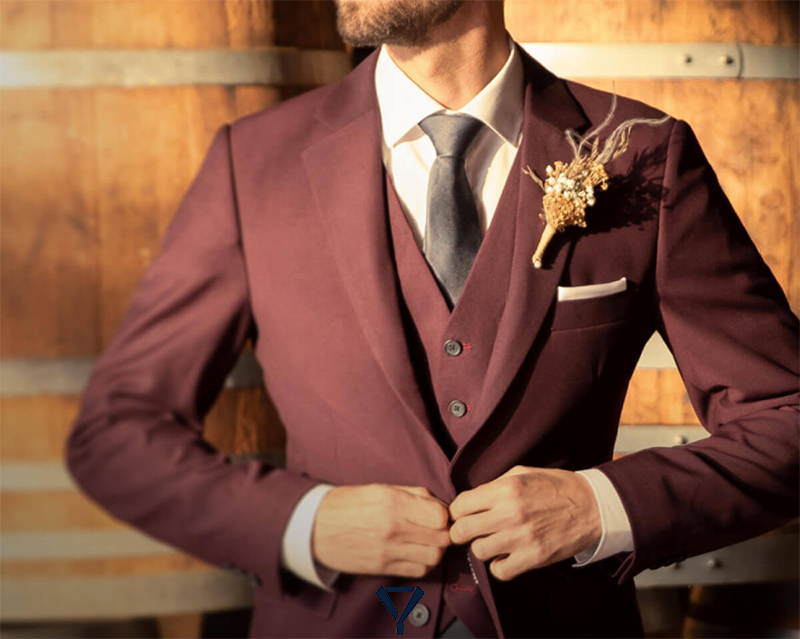
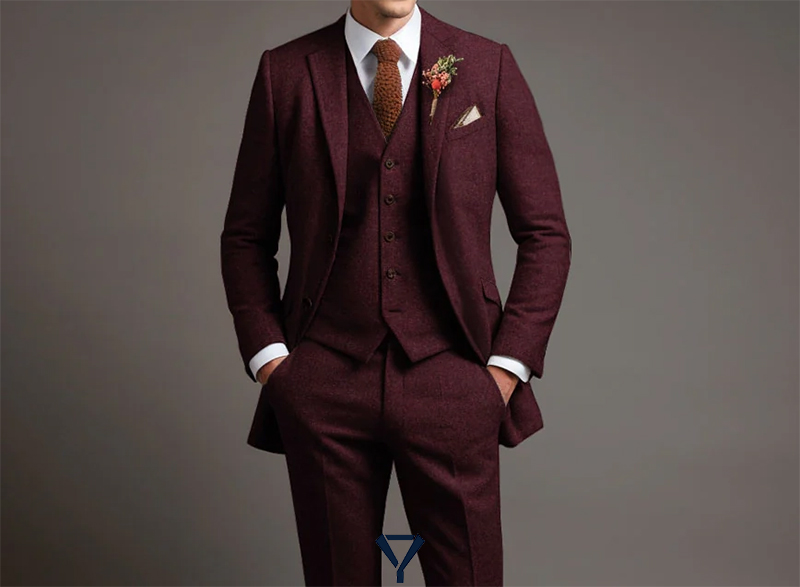
Burgundy, also known as wine, is a statement suit color that demands confidence and careful styling. Rich, deep, and expressive, it is one of the best suit colors for men who want to make an impression at events without looking excessive.
This color is best reserved for evening events, formal parties, fashion-forward gatherings, and special occasions. Burgundy suits naturally draw attention, which is why simplicity in design is essential. Clean lines, minimal details, and a well-fitted silhouette ensure the suit remains elegant rather than theatrical.
Burgundy pairs best with crisp white, light grey, or even black shirts, depending on the level of formality. Accessories should stay understated. Black or oxblood shoes and dark, solid ties work particularly well in this scenario. When tailored slim and worn with restraint, burgundy becomes a powerful yet tasteful addition to the list of best suit colors for modern men.
Read more: How to wear a burgundy suit
6. Best Suit Colors for Different Occasions
Choosing the right suit color is not just about personal taste. It’s all about context. A suit that looks perfect at a wedding may feel out of place in an office, while a business-appropriate color might appear dull at an evening event.
Best Suit Colors for Business & Office
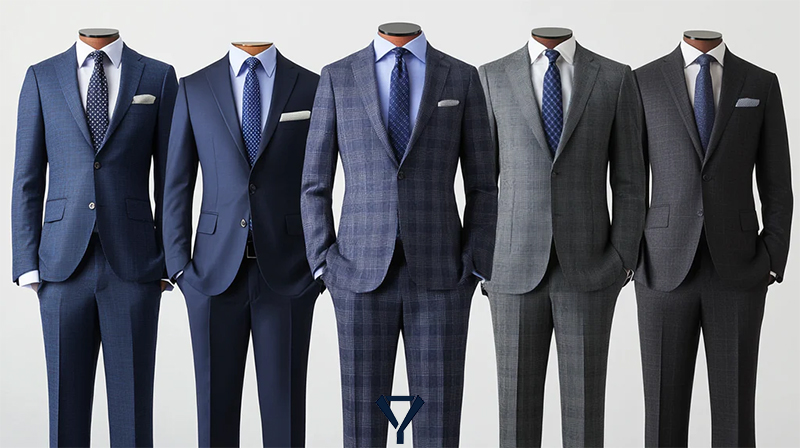
In professional and office environments, suit color should communicate reliability, competence, and seriousness without appearing rigid or outdated. The safest and most effective choices are navy, charcoal grey, and mid grey.
- Navy is the most versatile business suit color, suitable for daily office wear, meetings, and presentations.
- Charcoal grey conveys authority and professionalism, making it ideal for formal offices, interviews, and corporate settings.
- Mid grey offers a balanced alternative that feels modern while remaining appropriate for most workplaces.
Bright, light, or highly distinctive colors should generally be avoided in traditional business environments. Colors such as beige, light blue, or burgundy may appear too casual or expressive, especially in conservative industries. For business wear, classic tones remain the best suit colors for creating a polished and trustworthy image.
Best Suit Colors for Weddings
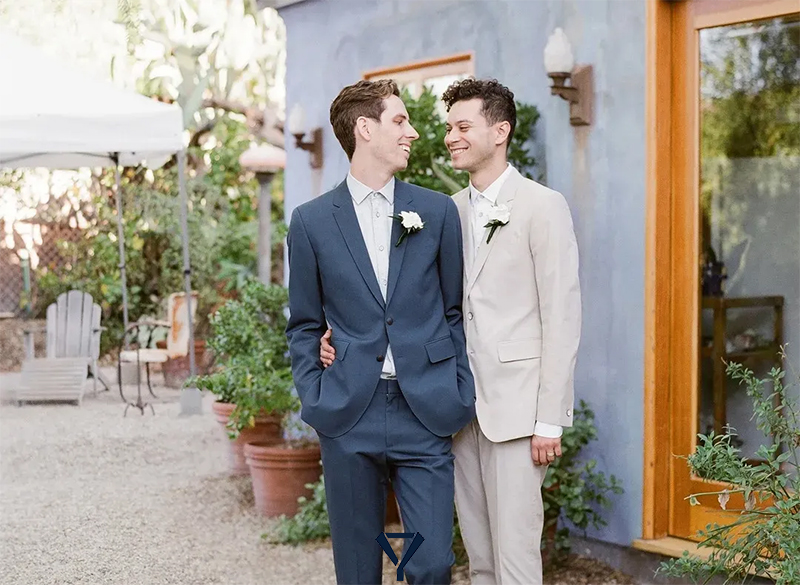
Wedding suit colors depend heavily on your role in the event. The expectations for the groom are different from those for guests, and understanding this distinction helps avoid common style mistakes.
For the groom, popular and elegant choices include:
- Navy for a timeless and universally flattering look
- Light grey for daytime or outdoor weddings
- Beige or light blue for summer, beach, or destination weddings
For wedding guests, navy, mid grey, and light grey are safe and respectful options that won’t overshadow the groom. Earth tones like tan or brown can also work well for casual or outdoor ceremonies.
Unless the wedding is very formal or evening-based, colors to avoid include solid black, overly bold shades, or anything that draws excessive attention. When chosen thoughtfully, these options represent some of the best suit colors for weddings, balancing style and etiquette.
Best Suit Colors for Casual & Smart Casual
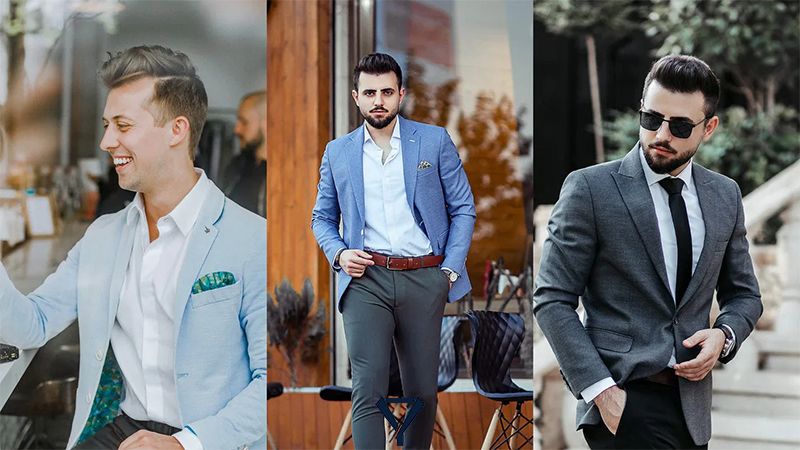
Casual and smart casual settings allow for greater freedom in suit color, fabric, and styling. This is where men can move beyond traditional business colors and explore warmer, more relaxed tones.
Excellent choices for casual and smart casual suits include:
- Brown for warmth and classic charm
- Tan for relaxed elegance and daytime wear
- Olive green for a modern, masculine look
- Light grey for versatility and freshness
To reduce the formality of a suit, pair it with a more casual shirt, such as an open-collar dress shirt, knitwear, or even a polo in some settings. Softer fabrics, lighter colors, and relaxed accessories help transform a suit into a smart casual outfit. These combinations showcase some of the best suit colors for everyday wear beyond the office.
Best Suit Colors for Evening & Formal Events
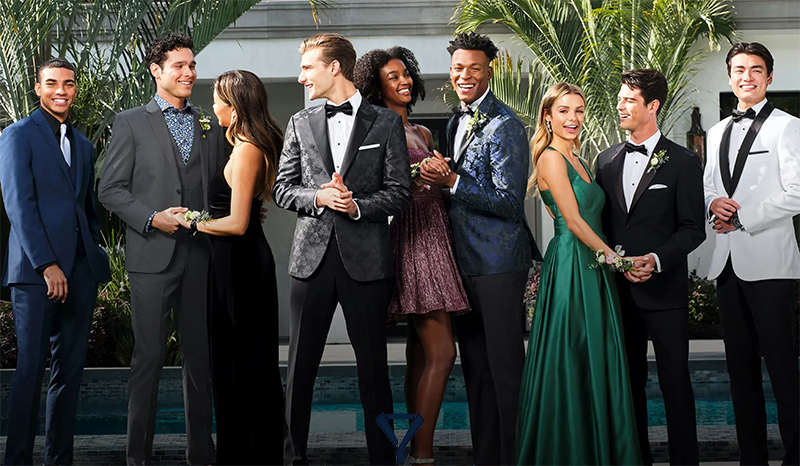
Evening and formal events call for deeper, richer suit colors that feel refined under low lighting. The most appropriate choices include black, dark navy, charcoal, and burgundy.
Black is best reserved for formal evening occasions and ceremonial events.
- Dark navy offers elegance with more flexibility than black.
- Charcoal maintains formality without appearing severe.
- Burgundy works well for upscale evening events when styled with restraint.
For truly formal occasions such as black-tie events, a tuxedo is often more appropriate than a standard suit. Satin lapel, bow tie, and formal detailing distinguish a tuxedo from even the most elegant black suit. Knowing when to choose a tuxedo ensures you meet the dress code while maintaining a refined appearance.
7. How to Match Shirts, Ties, and Shoes with Suit Colors
Even the best suit color can lose its impact if it’s paired with the wrong shirt, tie, or shoes. When shirts, ties, and shoes are chosen thoughtfully, they enhance the suit, allowing even the simplest outfit to fully reflect the power of the best suit colors.
Best Shirt Colors for Each Suit Color
Shirt color forms the foundation of your outfit and should always complement, not compete with, the suit.
White shirts are the most versatile option and work with every suit color. They provide maximum contrast and are ideal for business, formal events, and weddings.
Light blue shirts pair especially well with navy, grey, brown, and olive suits. They soften the look while maintaining professionalism.
Cream or off-white shirts are excellent with warm suit colors such as beige, tan, brown, and camel, adding warmth without appearing too casual.
Pastel shirts (light pink, lavender, soft green) work best with navy, light grey, and light blue suits, particularly in spring and summer settings.
As a rule, avoid shirts that are darker than the suit in formal settings, as they reduce contrast and can make the outfit look heavy or unbalanced.
Tie Color Guidelines
A tie adds personality and structure to a suit, but it should always follow the principle of contrast and harmony.
For dark suits (navy, charcoal, dark brown), choose ties in lighter or richer tones such as burgundy, deep green, navy, or patterned designs.
For light suits (light grey, beige, tan), darker ties help ground the outfit and add definition.
Neutral suits like grey allow for more flexibility, including patterned or textured ties.
One common mistake is overmatching, such as wearing a navy tie with a navy suit or a grey tie with a grey suit. While not technically wrong, this approach can make the outfit look flat and uninspired. Instead, aim for subtle contrast, either through color depth, texture, or pattern.
Shoe Colors That Work Best
Shoes play a critical role in finishing a suit and should always align with the suit’s formality and color.
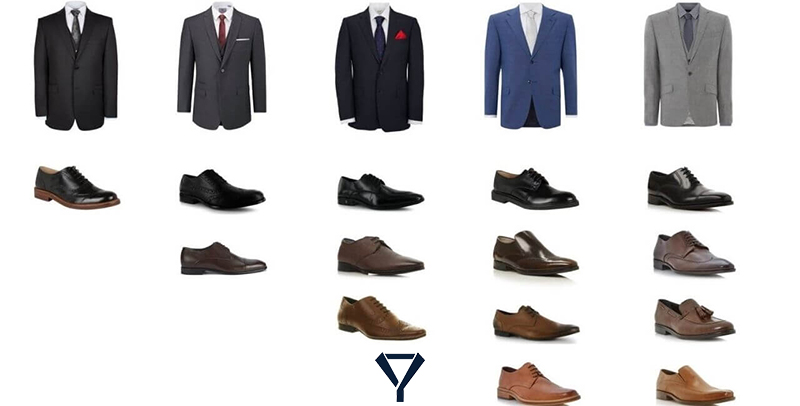
Black shoes are best paired with black, charcoal, and dark navy suits, especially for formal or business environments.
Dark brown shoes work well with navy, mid grey, charcoal, and brown suits, offering elegance with slightly more warmth.
Tan shoes are ideal for light grey, beige, tan, and light blue suits, particularly in casual or summer settings.
Oxblood or burgundy shoes pair beautifully with navy, grey, and brown suits, adding depth and sophistication.
Common mistakes include wearing shoes that are too light for dark suits, mismatching the shoe color with the belt, or choosing overly casual footwear for formal occasions. Keeping shoes clean, well-polished, and context-appropriate is just as important as selecting the right color.
Conclusion
Choosing the best suit color is not about following trends or owning every option available—it’s about selecting colors that truly fit your lifestyle, environment, and personal style. The key to mastering suit colors lies in understanding when and where to wear each one. Business settings call for structured, timeless tones, while weddings, casual events, and warm-weather occasions allow for lighter and more expressive colors. When suit color is chosen with intention, even a simple outfit can appear confident, refined, and effortless. By combining thoughtful color choices with proper tailoring, you can confidently build a wardrobe centered around the best suit colors – one that remains stylish, functional, and timeless for years to come.
Created from my passion for sartorial that I discovered through learning and working in the field, YOURSUITTREND is dedicated to providing in-depth knowledge, expert styling tips, and the latest trends in men’s tailored fashion. If you ever come to Vietnam, let’s grab a glass 🙂