
When people hear the word suit, they often picture formal business meetings, weddings, or special occasions. But what is a suit, really? At its core, a suit is more than just a stylish outfit. It is a classic form of men’s clothing designed to present confidence, professionalism, and structure. Understanding what a suit is and how it works is essential for anyone who wants to dress well, whether for work, events, or everyday smart wear.
In this guide, we will clearly explain what a suit is, how it differs from blazers and tuxedos, the different types of suits available, and how to wear one properly. Whether you are buying your first suit or looking to improve your style knowledge, this article will help you understand the foundations of men’s suiting with confidence.
1. What Is a Suit?
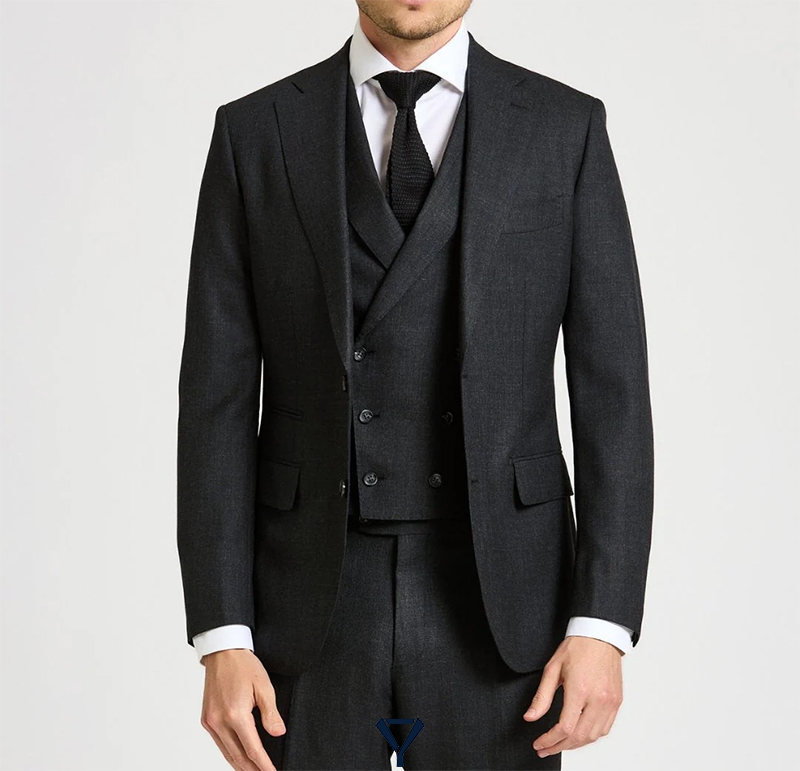
A suit is a complete set of clothing made from the same fabric and designed to be worn together as one unified outfit. In its most common form, a suit consists of a jacket and trousers that match in color, material, and texture. In some cases, a suit may also include a waistcoat, creating what is known as a three-piece suit.
The key idea is consistency. Every part of a suit is intentionally made to function as a single, coordinated look.
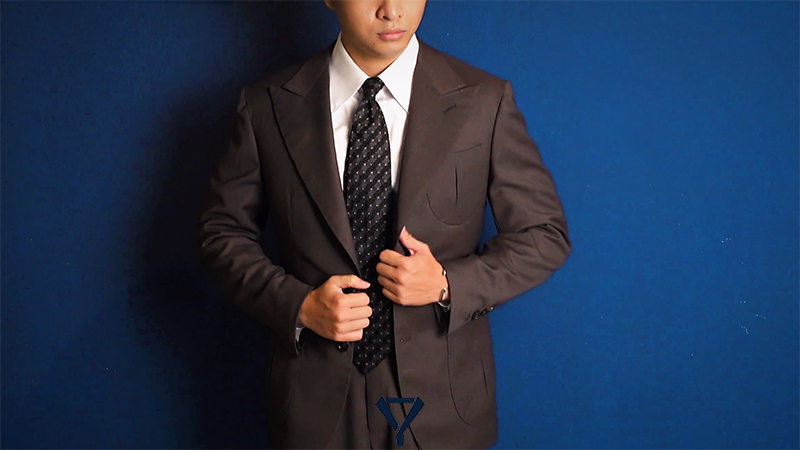
What separates a suit from an ordinary outfit is this level of structure and cohesion.
A regular outfit can be made by combining different pieces freely, such as a jacket from one fabric, trousers from another, and casual shoes or shirts. A suit, on the other hand, follows specific design rules. The jacket and trousers are cut from the same cloth, tailored to complement each other, and shaped to create a clean, polished silhouette.
Because of this, suits are commonly worn in professional, formal, or important social settings where appearance matters. While outfits allow for flexibility and personal experimentation, a suit communicates intention, professionalism, with great attention to details.
2. Key Elements of a Suit
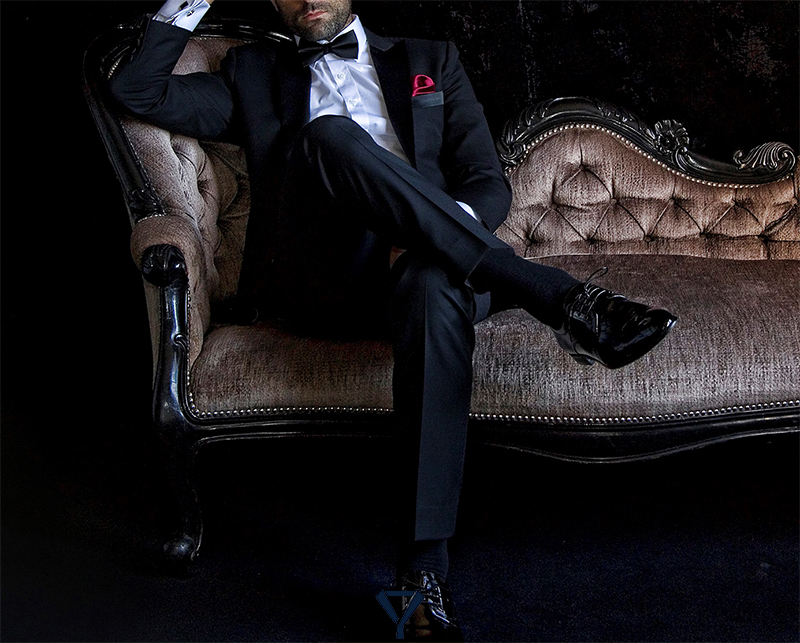
To fully understand what a suit is, it’s important to know the key elements that make up a proper suit. A traditional men’s suit is defined not just by its appearance, but by how its individual suit components work together as a single, coordinated outfit.
Jacket
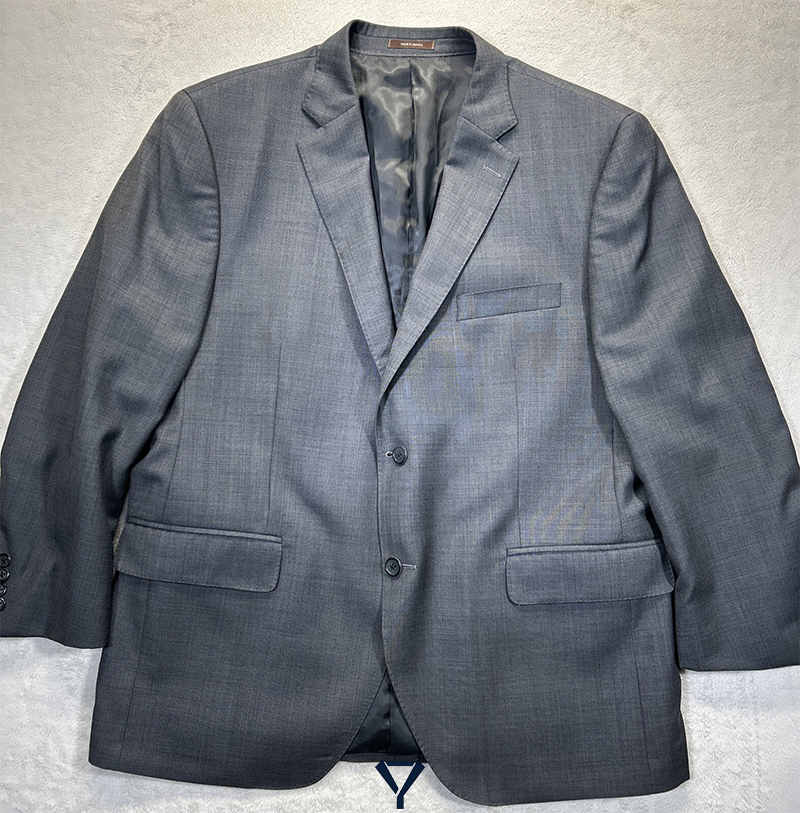
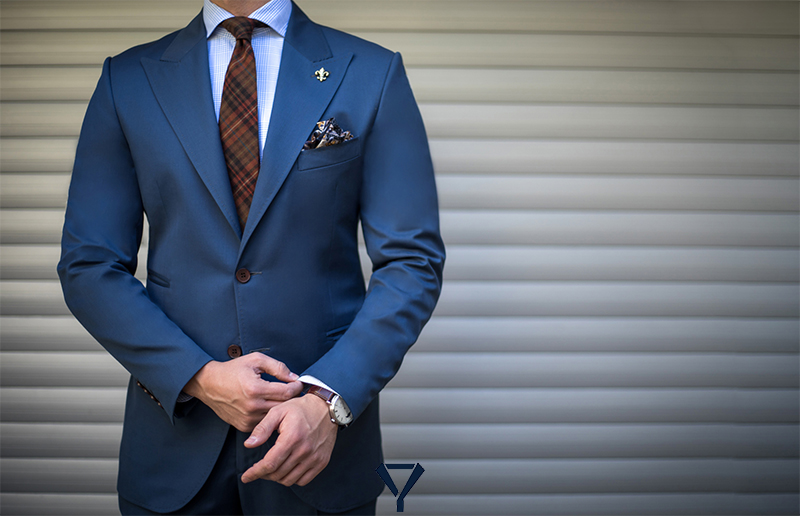
The suit jacket is the most visible and defining element of a suit. It is structured to shape the shoulders, chest, and torso, creating a sharp and balanced silhouette.
Suit jackets typically feature lapels, buttons, pockets together with lining, they’re all designed to enhance formality and elegance. The fit of the jacket is crucial, especially at the shoulders and waist, as it largely determines how refined the entire suit looks.
Trousers
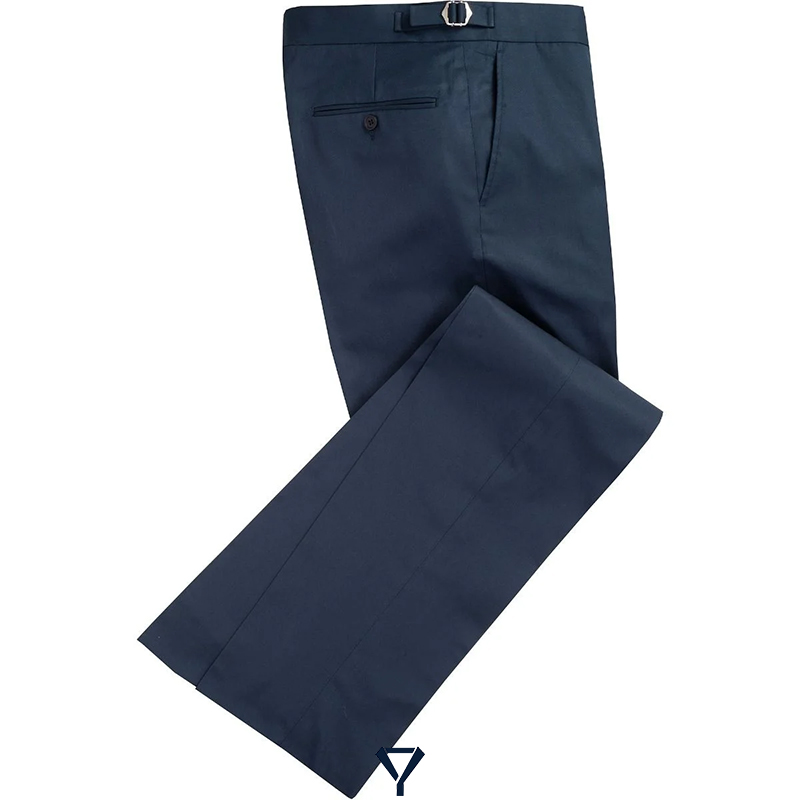
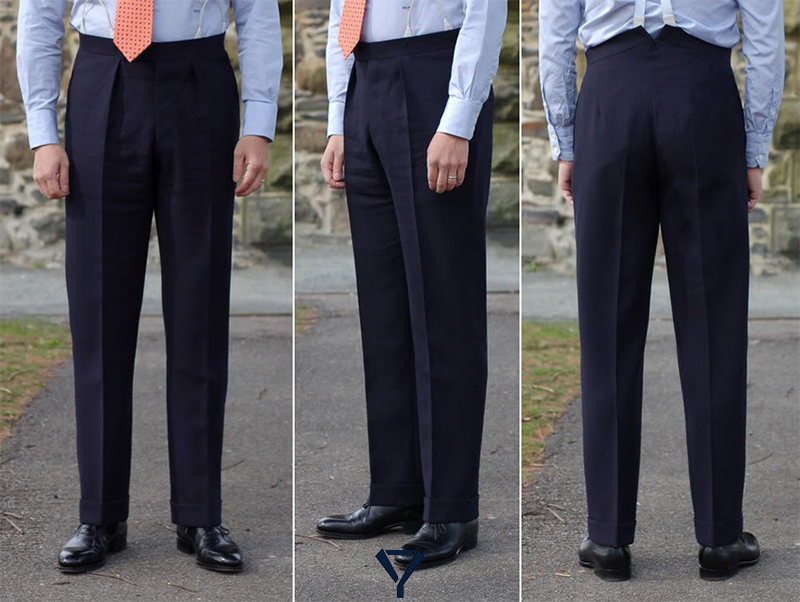
Suit trousers are designed to match the jacket exactly in fabric, color, and texture. Unlike casual pants, suit trousers are tailored with clean lines, a higher rise, and a refined drape to complement the jacket. Details such as pleats, cuffs, and the length of the break affect how formal or modern the suit appears. When worn correctly, the trousers complete the suit’s streamlined and professional look.
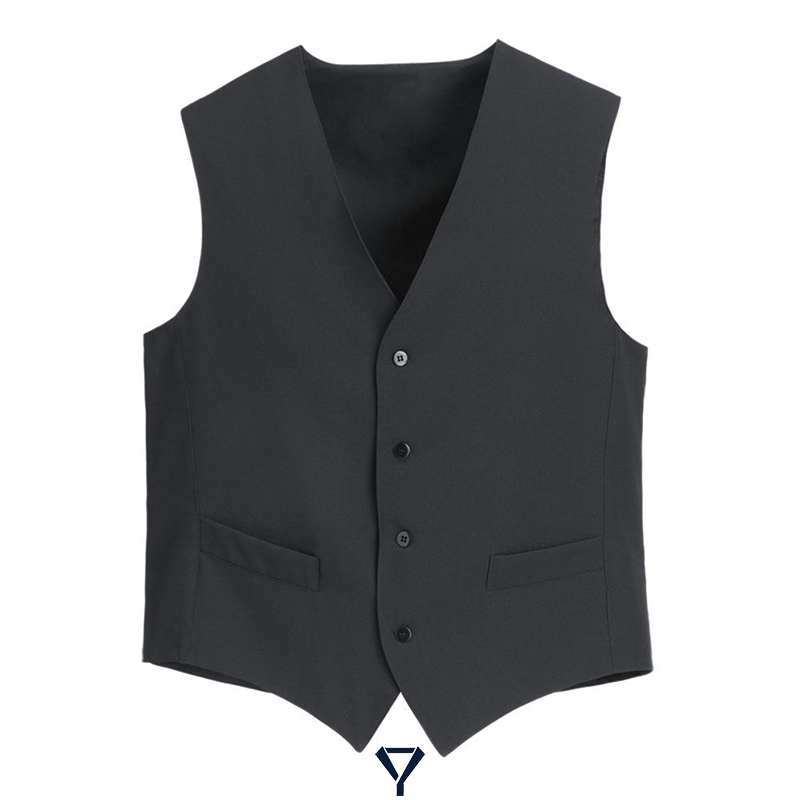
Vest
A vest, also known as a waistcoat, is an optional element that turns a two-piece suit into a three-piece suit. It adds an extra layer of formality and sophistication, often worn at weddings, formal events, or classic business settings. The vest should always be made from the same material as the jacket and trousers to maintain consistency.
Matching Fabric
Like what we’ve discussed, one of the most important elements of a suit is the matching fabric. All core pieces must be made from the same cloth. This consistency is what separates a true suit from a combination of a blazer and trousers. Matching fabric ensures a cohesive appearance, uniform texture, and a polished overall impression.
Together, these elements define what makes a suit a suit. When properly constructed and well-fitted, they create a timeless outfit that represents professionalism and refined style.
3. Brief History of the Suit
To truly understand what a suit is, it helps to look at where it comes from. The modern suit did not appear overnight. Instead, it evolved over several centuries, shaped by social change, politics, and shifting ideas about masculinity, professionalism, and status.
The Origins of the Modern Suit (17th–19th Century)
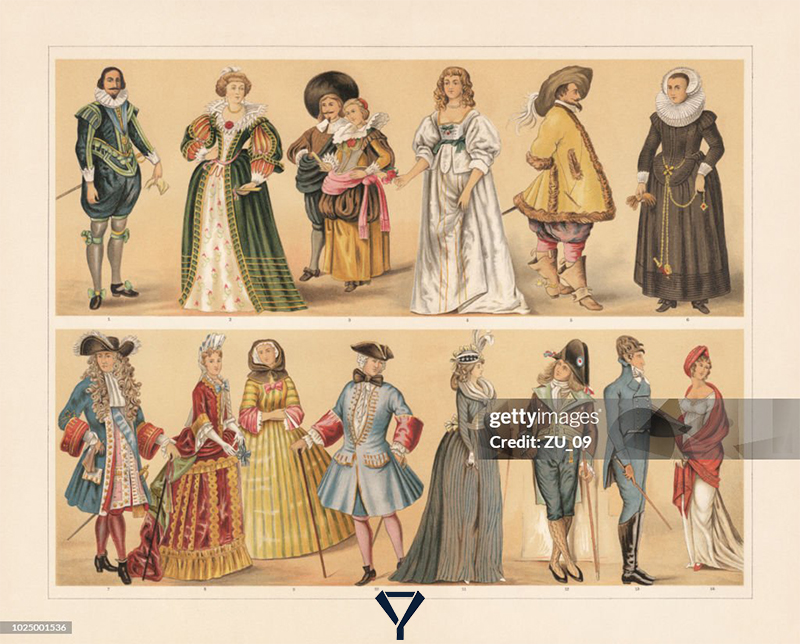
The foundations of the modern men’s suit can be traced back to 17th-century Europe, particularly England. During this period, men’s clothing began moving away from decorative, aristocratic garments toward more structured and practical designs. King Charles II of England is often credited with popularizing a more simplified form of dress that included a long coat, waistcoat, and breeches, an early ancestor of today’s suit.
By the 19th century, especially during the Industrial Revolution, men’s fashion became increasingly standardised. The rise of office work, commerce, and urban life created a demand for clothing that looked professional but still functional. This era saw the development of the lounge suit, which closely resembles the modern suit we know today, featuring matching jackets and trousers made from the same fabric.
The Evolution of the Suit Over Time
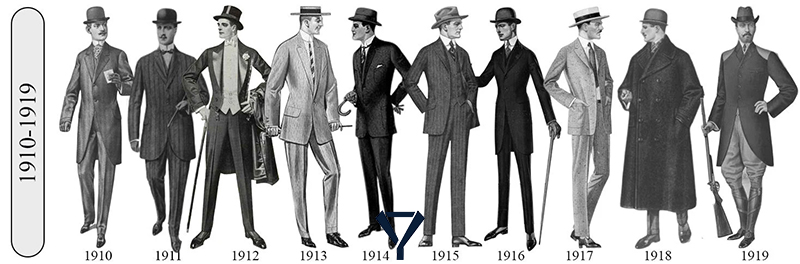
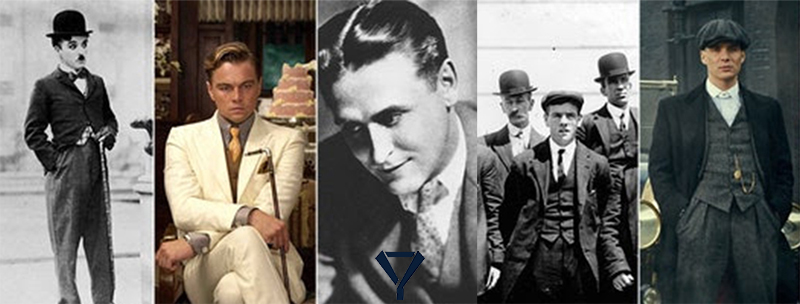
As society changed, so did the suit. In the early 20th century, suits became a symbol of discipline and social order, worn daily by businessmen, politicians, and professionals. Different cuts, lapel styles, and silhouettes emerged across decades, reflecting cultural trends, from the relaxed fits of the 1920s to the sharp tailoring of the 1960s, and later the minimalist designs of modern fashion.
Despite these changes, the core structure of the suit has remained largely the same. What evolved was not the concept, but the way suits were styled, fitted, and worn to match contemporary lifestyles.
The Suit in Modern Business and Society
Today, the suit continues to hold a powerful place in business, formal events, and social culture. While dress codes have become more casual in many workplaces, the suit remains a universal symbol of professionalism, authority, and credibility. It is still the preferred choice for job interviews, corporate meetings, weddings, and important life moments.
Modern suits are also more versatile than ever, blending traditional tailoring with contemporary comfort. This lasting relevance proves that the suit is not just a historical garment, but a timeless piece of clothing that continues to adapt while maintaining its original purpose: helping men present themselves with confidence and intention.
4. Types of Suits Explained
Understanding the different types of suits is essential when learning what a suit is and how to choose the right one for each occasion. While all suits share the same basic structure, their design, level of formality, and purpose can vary greatly.
Two-Piece Suit
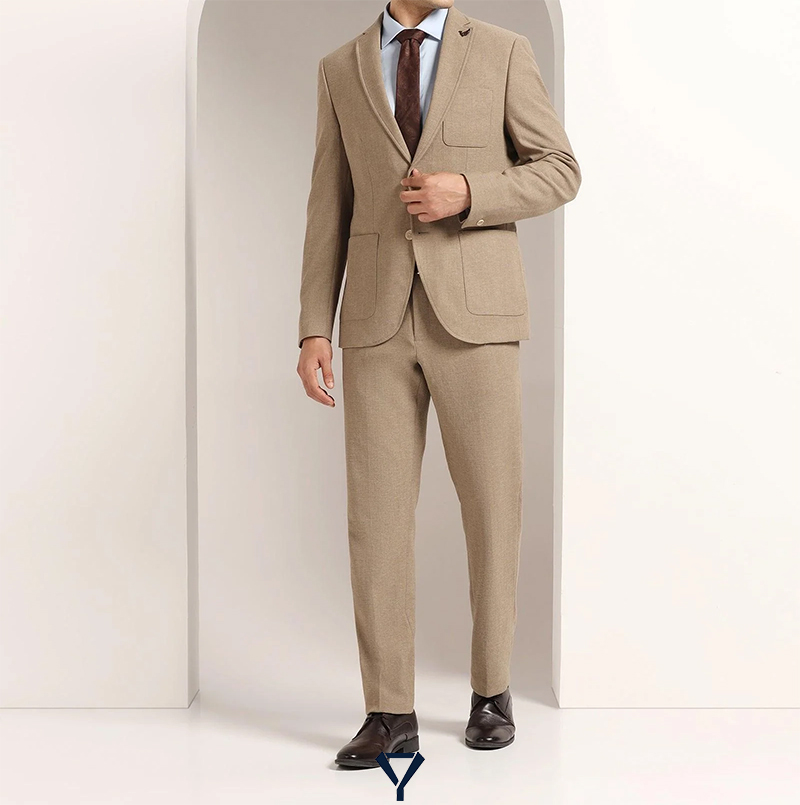
The two-piece suit is the most common and widely worn type of suit. It consists of a matching jacket and trousers made from the same fabric. Because of its simplicity and versatility, this is often the first suit most men own.
Two-piece suits are suitable for a wide range of occasions, including office wear, business meetings, job interviews, formal dinners, and even weddings. Depending on the fabric, color, and fit, a two-piece suit can look either very formal or relatively relaxed. Navy and charcoal two-piece suits, in particular, are considered essential staples in men’s wardrobes.
Three-Piece Suit
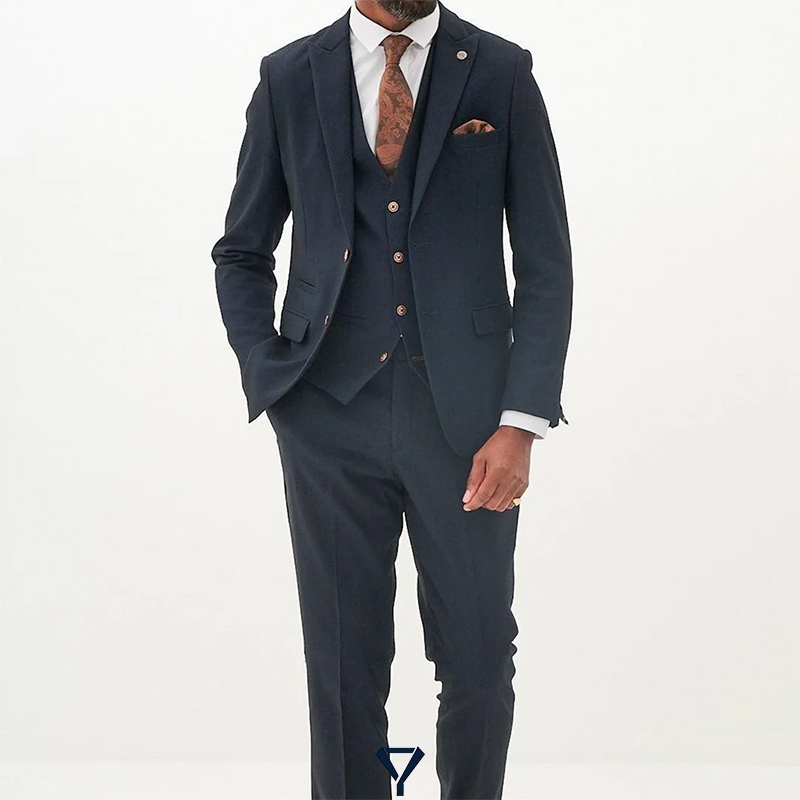
A three-piece suit includes a vest in addition to the jacket and trousers. The vest is made from the same fabric as the rest of the suit, creating a more layered and refined appearance.
The vest serves both a functional and stylistic purpose. It adds warmth, improves the overall structure of the outfit, and keeps the look polished even when the jacket is removed. Three-piece suits are commonly worn at weddings, formal business settings, and classic or traditional events. They are ideal for men who want a more elegant, formal, and timeless look.
Single-Breasted vs. Double-Breasted Suit
One of the main ways suits are categorized is by their jacket style.
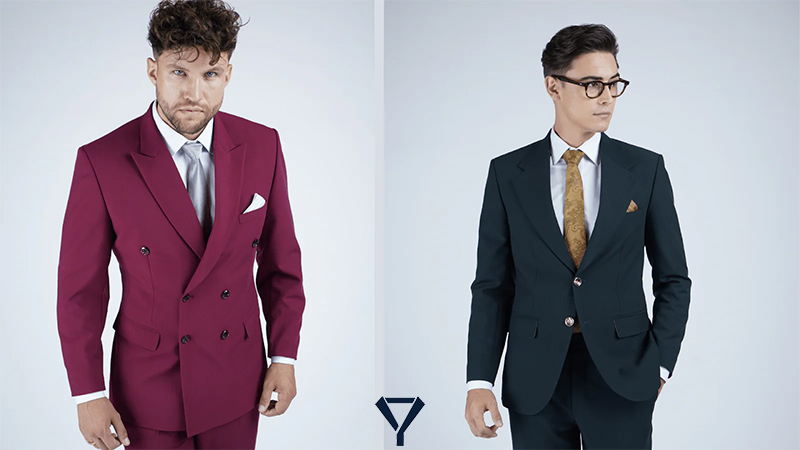
A single-breasted suit features a jacket with one column of buttons and a narrow overlap at the front. This is the most popular and versatile option. It suits almost all body types and works well in both formal and semi-formal environments. Single-breasted suits are ideal for everyday business wear and first-time suit buyers.
A double-breasted suit, on the other hand, has two columns of buttons and a wider front overlap. This style creates a stronger, more structured silhouette and is often associated with authority and classic elegance. Double-breasted suits are best suited for formal occasions or men who want a bold, confident appearance. They tend to flatter taller or leaner body types, though modern tailoring has made them more accessible for everyone.
Formal vs. Casual Suits
Not all suits are designed for the same level of formality.
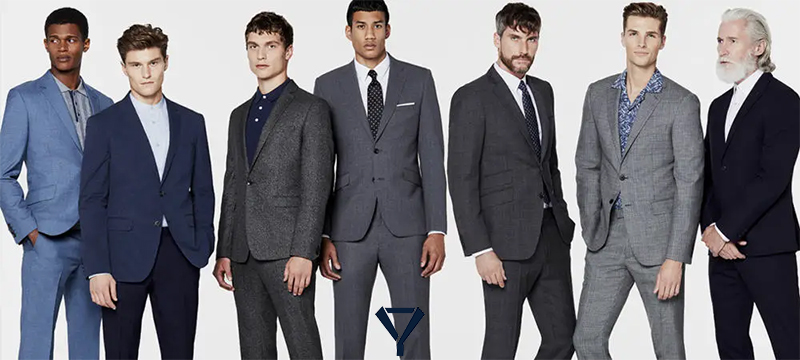
A business suit is designed to project professionalism, reliability, and confidence, typically worn in professional environments. These suit colors usually are classic colors such as navy, charcoal, or dark gray, and are made from structured fabrics like wool.
A wedding suit can range from formal to semi-formal, depending on the event. While darker suits are common for evening weddings, lighter colors and softer fabrics are often chosen for daytime or outdoor ceremonies. Three-piece suits are especially popular for weddings.
A casual or relaxed suit is designed for comfort and versatility. These suits may use lighter fabrics like cotton or linen, feature softer construction, and come in lighter or more playful colors. Casual suits are ideal for social events, creative workplaces, or smart-casual occasions where a traditional business suit may feel too formal.
5. Common Suit Fabrics
Choosing the right fabric is essential to understanding what makes a suit comfortable, durable, and appropriate for different occasions. Suit fabric affects how the suit looks, feels, breathes, and performs over time.
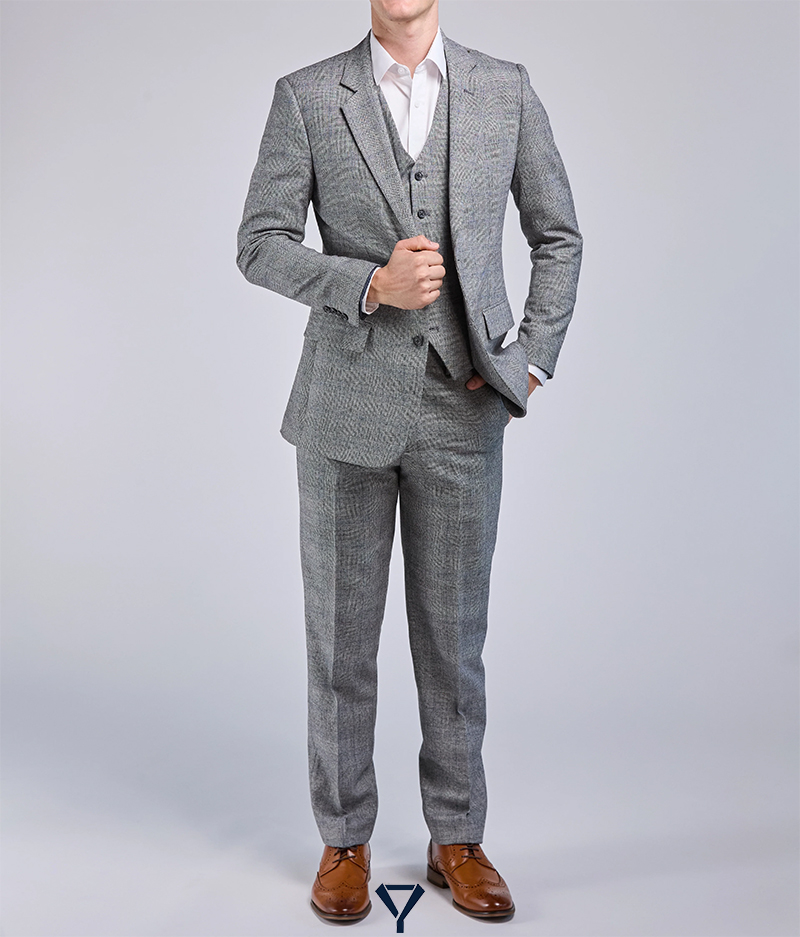
Wool Suit
Wool is by far the most common and widely used fabric for men’s suits. It is considered the standard fabric for both business and formal suits due to its balance of comfort, structure, and versatility.
One of the biggest advantages of wool is its natural breathability. Wool helps regulate body temperature, keeping you warm in cooler weather and relatively cool in warmer conditions. This makes it suitable for year-round wear. Wool also drapes well, which means it holds its shape and creates a clean, elegant silhouette.
High-quality wool suits are naturally wrinkle-resistant, durable, and long-lasting. Different types of wool, like worsted wool or wool blends, can be tailored for specific uses, from lightweight office suits to heavier winter suits. Because of these benefits, wool is often the first recommendation for anyone buying their first suit.
Cotton and Linen Suit
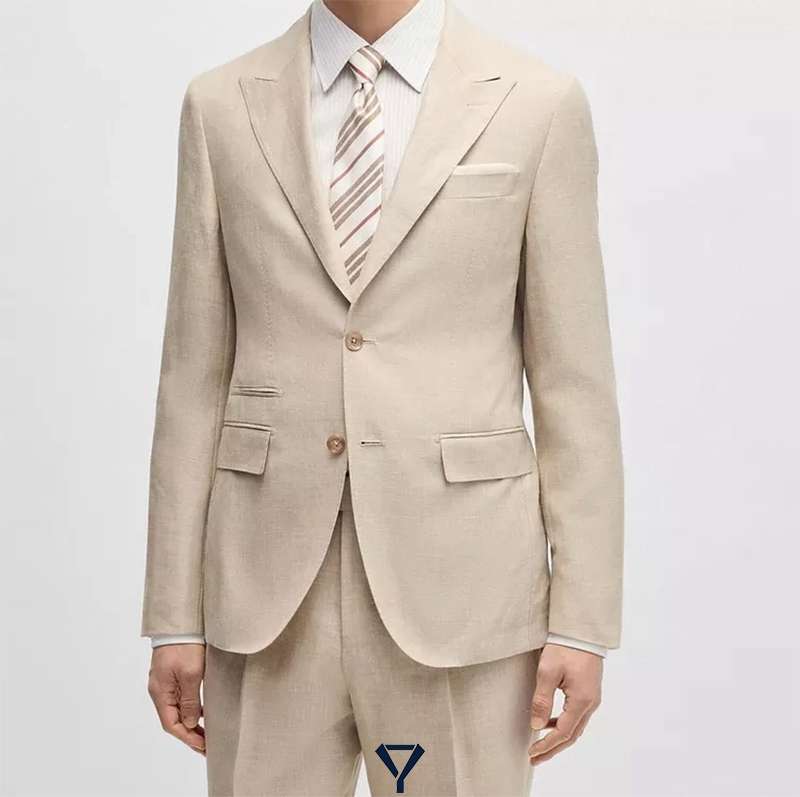
Cotton and linen suits are popular choices for hot or humid climates, thanks to their lightweight and breathable nature. These fabrics allow air to circulate more easily, helping you stay cool and comfortable in warm weather.
Cotton suits offer a slightly more structured look than linen while still feeling relaxed and casual. They are often worn in smart-casual settings, summer offices, or daytime events. Linen, on the other hand, is extremely breathable and has a distinctive texture that gives suits a relaxed, effortless appearance, ideally for beach weddings or outdoor events.
However, there are some drawbacks to consider. Both cotton and linen wrinkle easily, especially linen. This wrinkling is part of their natural character but can make the suit appear less formal. These fabrics also tend to be less durable than wool and may lose their shape faster over time.
Synthetic and Blended Fabrics
Synthetic fabrics, such as polyester, and blended fabrics are often used in more affordable suits. These materials are popular because of their lower cost and ease of maintenance.
Suits made from synthetic or blended fabrics are typically more wrinkle-resistant and easier to clean than pure natural fabrics. They can also be more resistant to wear and fading, making them suitable for frequent use or travel.
However, the main disadvantage is breathability. Synthetic fabrics do not regulate temperature as well as wool, cotton, or linen, which can make them uncomfortable in warm environments. They also tend to drape less naturally, which may affect how polished the suit looks.
Blended fabrics, such as wool-polyester blends, offer a compromise by combining the comfort of natural fibers with the durability and affordability of synthetics. For budget-conscious buyers, these blends can be a practical option.
6. How a Suit Should Fit
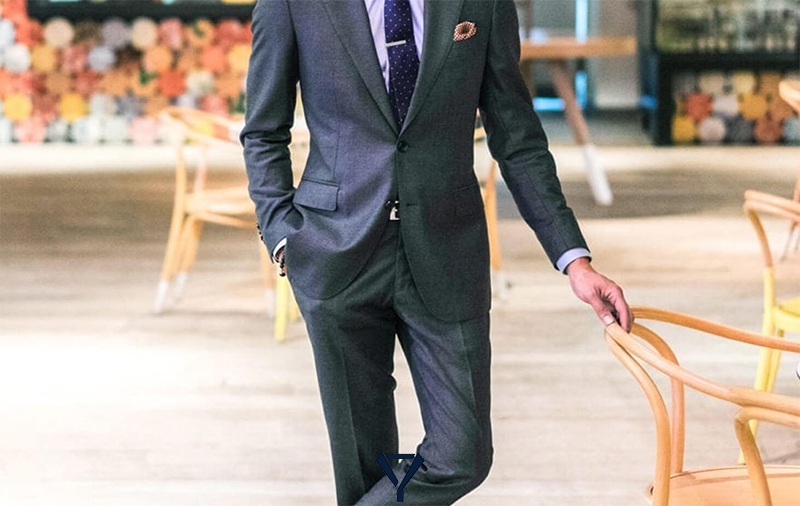
No matter how expensive or stylish a suit may be, fit is the single most important factor that determines how good it looks on you. A well-fitted suit enhances your body shape, improves comfort, and instantly makes you look more confident and polished. Below is a clear guide to how a suit should fit, focusing on the jacket, trousers, and why fit always matters more than brand.
Jacket Fit
The suit jacket is the most critical piece when it comes to fit. If the jacket fits well, the entire suit will look better—even before tailoring adjustments.
Shoulders: The shoulders of the jacket must fit perfectly. The seam should sit exactly at the edge of your natural shoulder, not extending past it and not pulling inward. Shoulder fit is difficult and expensive to alter, so this is the first thing you should check when trying on a suit. Clean, natural shoulders create a sharp and balanced silhouette.
Sleeve Length: Proper jacket sleeve length allows about 0.25 to 0.5 inches (about 0.5 to 1 cm) of shirt cuff to show when your arms are relaxed at your sides. Sleeves that are too long make the suit look sloppy, while sleeves that are too short can appear awkward and ill-fitting. This small detail greatly affects how refined the suit appears.
Body Fit: The jacket should lightly contour your torso without feeling tight. When buttoned, it should not pull or create wrinkles around the chest or waist. At the same time, it should not hang loosely like a box. A properly fitted jacket creates a clean V-shape, enhancing your natural proportions while allowing comfortable movement.
Trouser Fit
While jackets often get the most attention, suit trousers play an equally important role in overall appearance.
Trouser Length: The length of the trousers determines how clean and modern the suit looks. Ideally, suit trousers should rest lightly on the top of your shoes without stacking or bunching excessively. Trousers that are too long look messy, while trousers that are too short can make the suit appear unfinished or overly trendy.
Trouser Break: The break refers to the small fold or crease created where the trousers meet your shoes. Choosing the right break depends on your style preference, body type, and the formality of the suit.
- A no-break or slight break offers a modern, sharp look.
- A medium break is more traditional and widely accepted in business settings.
- A full break creates a more classic, relaxed appearance, but can look outdated if overdone.
Why Fit Is More Important Than Brand
One of the most common mistakes men make is prioritizing brand over fit. In reality, a well-fitted, affordable suit will always look better than an expensive suit that does not fit properly.
A suit that fits your body enhances posture, movement, and confidence. Even a modestly priced suit can look high-end when it is tailored correctly. On the other hand, a luxury suit that is too loose, too tight, or poorly balanced will immediately look uncomfortable and unrefined.
This is why tailoring matters. Simple alterations can dramatically improve how a suit looks. Understanding fit allows you to invest smarter, dress better, and get the most value out of any suit you own.
7. When Should You Wear a Suit?
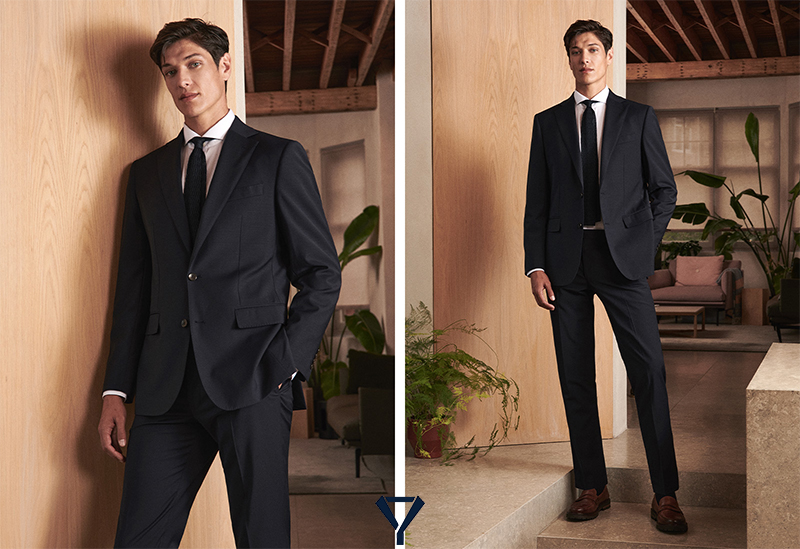
Knowing when to wear a suit is just as important as understanding what a suit is. While suits are traditionally associated with formality, they are also highly versatile and can be worn in many situations where a polished and professional appearance matters.
Business and Office Settings
In professional environments, a suit is a symbol of competence, reliability, and professionalism. Many corporate offices, especially in industries such as finance, law, consulting, and management, still consider suits a standard or preferred dress code. Wearing a well-fitted suit to work helps create a strong first impression and communicates that you take your role seriously.
Even in offices with more relaxed dress codes, suits are often worn for important meetings, presentations, or client-facing roles. In these situations, a suit signals respect and authority without the need for words.

Weddings
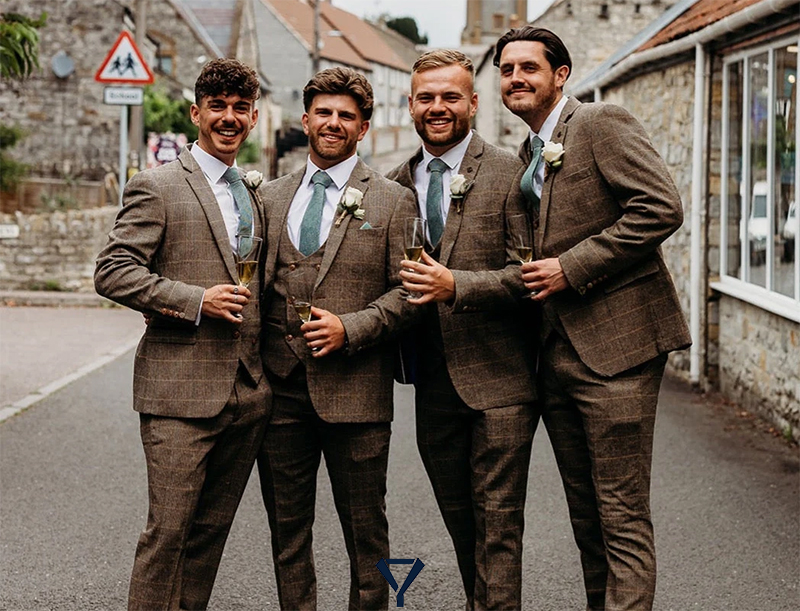
A suit is one of the most appropriate and widely accepted outfits for weddings. Whether you are the groom, a groomsman, or a guest, a suit offers the right balance between elegance and formality. The style of suit can vary depending on the wedding’s theme, location, and time of day.
Dark, structured suits are typically chosen for formal evening weddings, while lighter colors and breathable fabrics work well for daytime or outdoor ceremonies. Three-piece suits are especially popular for weddings because they add a refined and classic touch.
Formal Events and Special Occasions
Suits are commonly worn to formal events, such as galas, award ceremonies, upscale dinners, and official celebrations. In these settings, a suit helps you meet dress code expectations while presenting yourself with confidence and sophistication.
Depending on the event, the level of formality may vary. Some occasions may require a classic business suit, while others allow for more stylish or modern interpretations. In all cases, a suit provides a safe and elegant choice when the event calls for dressing well.
Job Interviews
A job interview is one of the most important moments to wear a suit. First impressions matter, and a suit immediately communicates professionalism, preparation, and respect for the opportunity. Even if the company culture appears casual, wearing a suit for the interview shows that you are serious and attentive to detail.
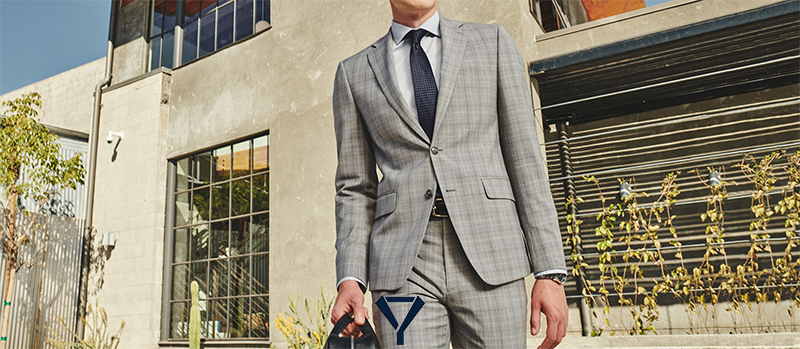
In most industries, a simple two-piece suit in a neutral color such as navy or charcoal is the safest and most effective choice. It allows interviewers to focus on your qualifications rather than your clothing.
When You Should Not Wear a Suit
While suits are versatile, there are situations where wearing one may feel unnecessary or out of place. Casual social gatherings, outdoor activities, relaxed family events, or environments with an explicitly casual dress code may not require a suit. In these cases, smart-casual or business-casual clothing often feels more appropriate and comfortable.
Overdressing can sometimes create social distance or make you appear disconnected from the setting. Understanding the context is key.
8. How to Style a Suit Properly
Understanding how to wear a suit properly is what transforms a basic suit into a polished and confident outfit. Styling is not about adding complexity but making smart, balanced choices with shirts, ties, shoes, and colors.
Choosing the Right Shirt
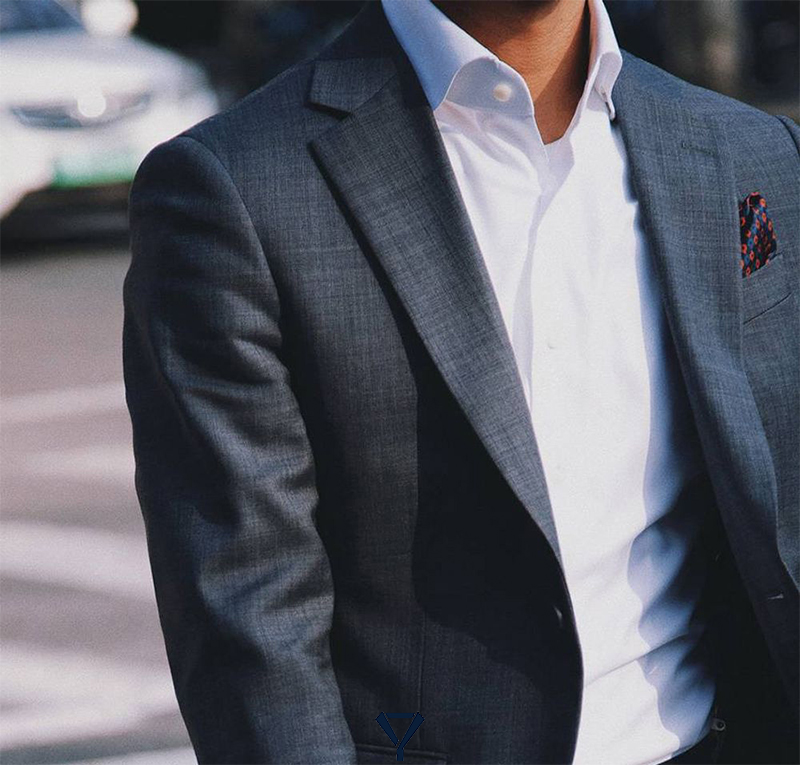
The dress shirt is the foundation of a well-styled suit. A clean, well-fitted shirt instantly elevates the entire look. For most situations, a white or light blue dress shirt is the safest and most versatile choice. These colors work with almost all suit colors and are suitable for business, formal events, and interviews.
Fit matters just as much as color. The shirt should sit comfortably around the neck, lie flat at the shoulders, and have sleeves that end at the wrist bone. A crisp, properly fitted shirt creates a sharp contrast with the suit and keeps the overall look refined.

Tie or No Tie?
Whether to wear a tie depends on the formality of the occasion. Ties are typically expected in business-formal settings, job interviews, weddings, and traditional events. A simple silk tie in solid colors, subtle patterns, or classic stripes is ideal for beginners.
In more relaxed environments, wearing a suit without a tie is perfectly acceptable and increasingly popular. This style works best when the suit is well-fitted and paired with a high-quality shirt. Leaving the top button open creates a clean, modern look while maintaining elegance. However, avoid skipping the tie in highly formal or conservative settings unless explicitly allowed.
Shoes to Wear with a Suit
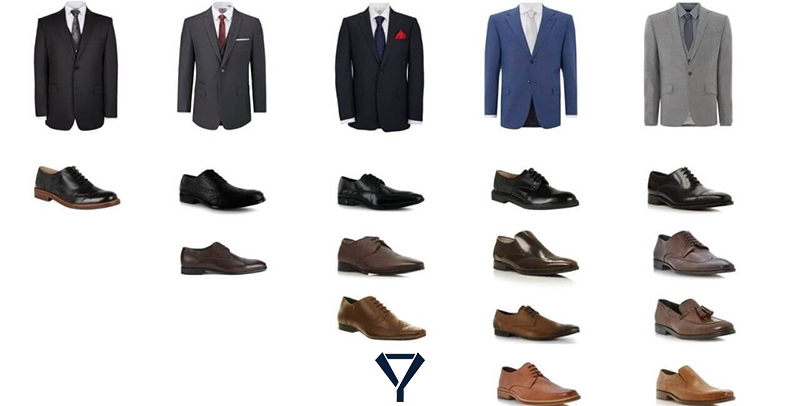
Shoes complete the suit and should never be an afterthought. The most reliable choices are leather dress shoes, such as Oxfords or Derbies. For formal occasions, black or dark brown leather shoes are the safest options.
- Black shoes pair best with black, charcoal, and formal navy suits.
- Brown shoes work exceptionally well with navy and lighter-colored suits, offering a slightly more relaxed and modern appearance.
- Shoes should always be clean, polished, and matched with a belt of the same color to maintain a cohesive look.
9. What Suit Color For Beginners?
If you are new to wearing suits, starting with classic colors makes styling much easier. These colors are timeless, versatile, and appropriate for almost any occasion.
Navy Suit
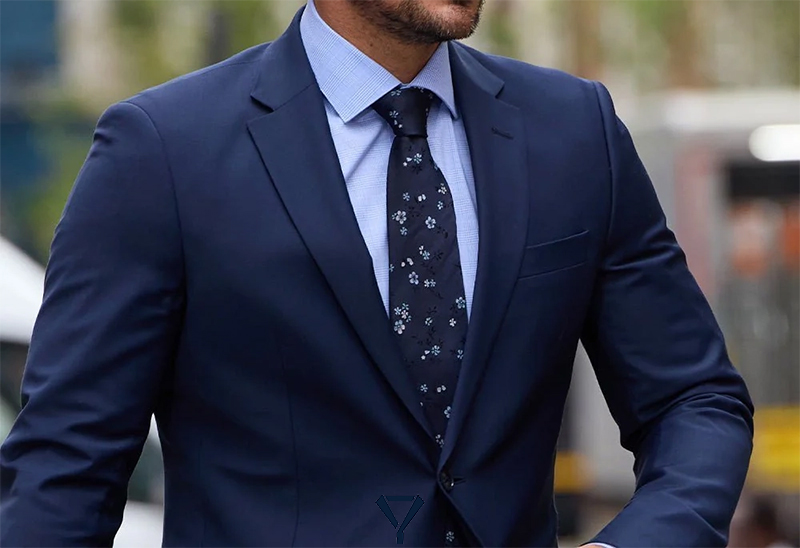
A navy suit is one of the most essential pieces in men’s fashion. It is extremely versatile and suitable for business, interviews, weddings, and smart-casual settings. Navy pairs well with white, light blue, and even pastel shirts, as well as brown or black shoes. For beginners, a navy suit is often the best first investment.
Read more: How to Style a Navy Suit
Charcoal Suit
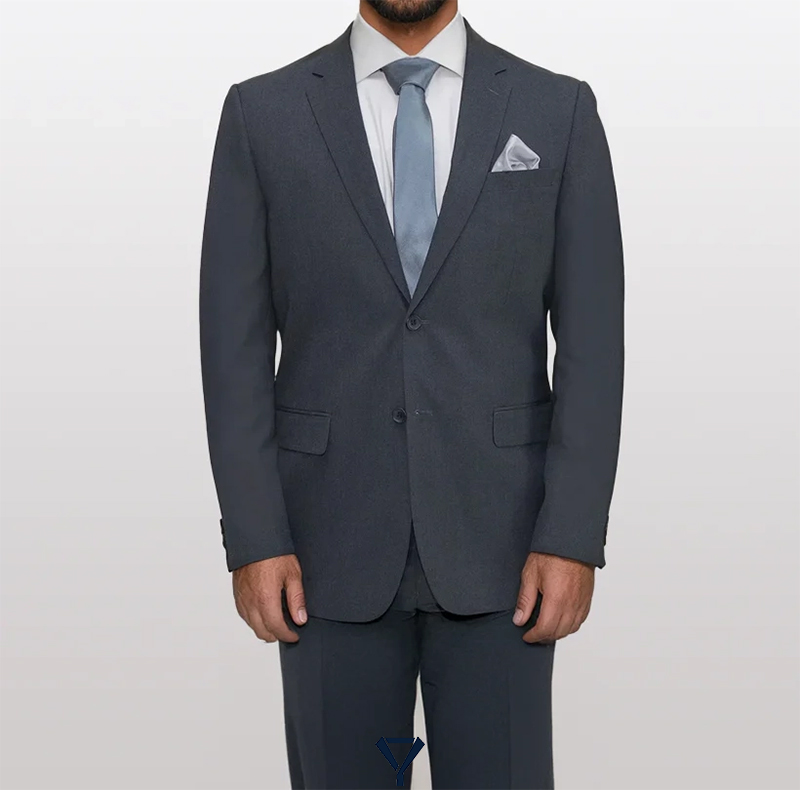
A charcoal suit is slightly more formal than navy and ideal for professional and corporate environments. It offers a sophisticated alternative to black without being overly severe. Charcoal suits pair best with white or light-colored shirts and black or dark brown shoes. This color is especially popular for business meetings and formal daytime events.
Black Suit
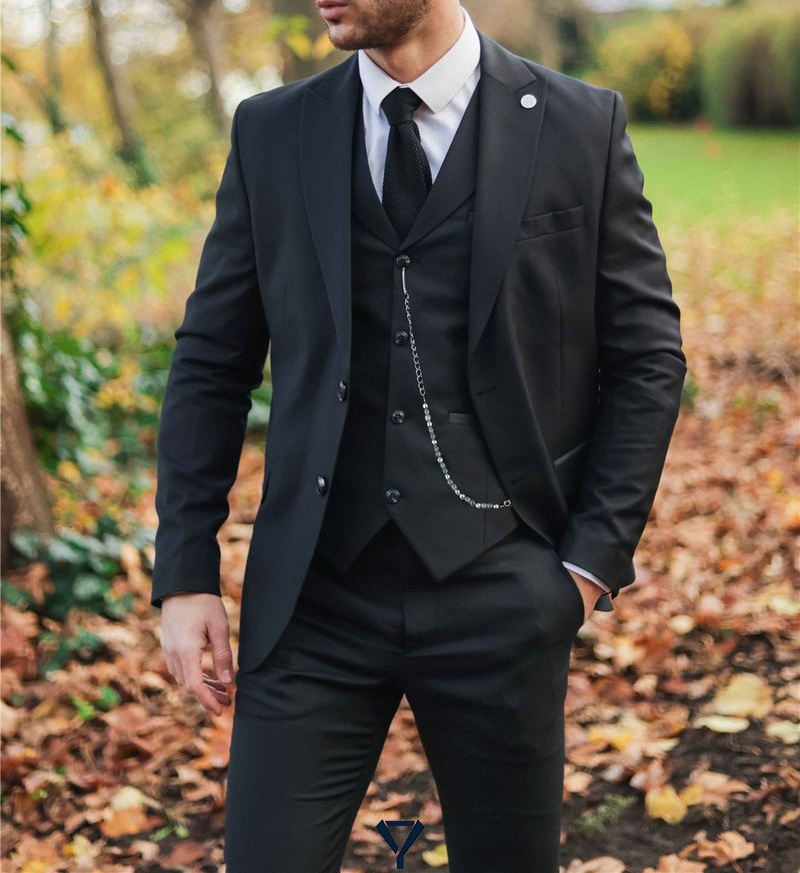
A black suit is the most formal option and should be worn with intention. It is best reserved for evening events, formal occasions, funerals, or very strict dress codes. While black suits are iconic, they are less versatile than navy or charcoal and can feel too formal for everyday business wear. Beginners should use black suits selectively rather than as a daily option.
Read more: How to Style a Black Suit
10. Suit vs. Tuxedo: What’s the Difference?
One of the most common questions when learning what a suit is involves understanding the difference between a suit and a tuxedo. While both are formal men’s garments, they serve different purposes and follow distinct style rules.
Key Differences Between a Suit and a Tuxedo
The main difference between a suit and a tuxedo lies in their level of formality and design details.
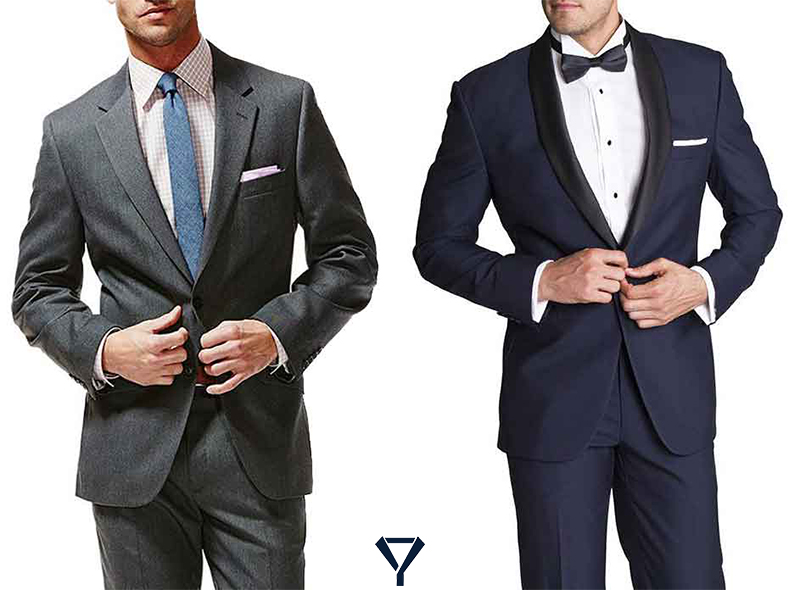
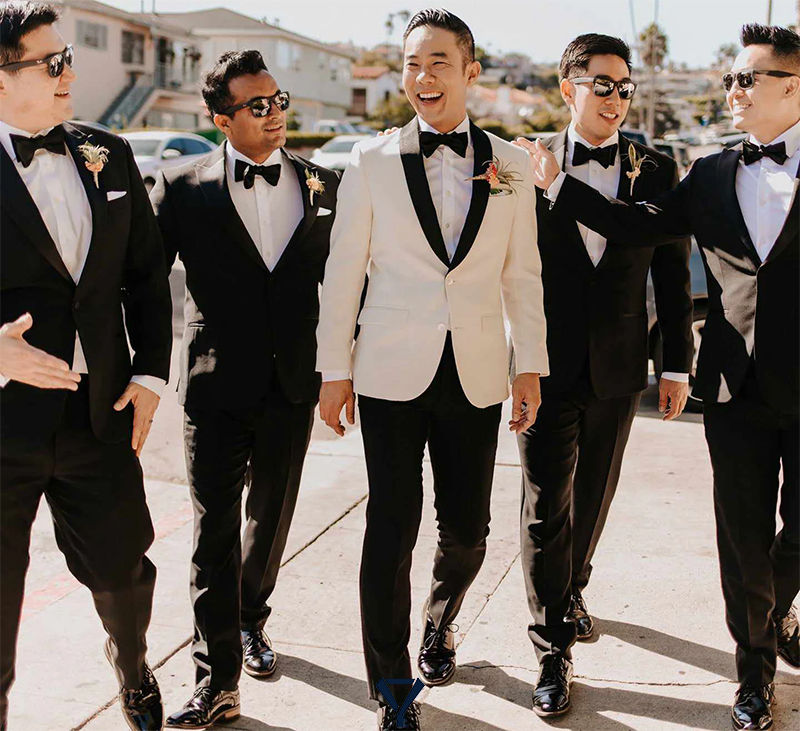
A suit is typically made entirely from one fabric. The jacket, trousers, and optional vest all share the same material and texture. Suits come in a wide range of colors, fabrics, and styles, making them suitable for business, weddings, interviews, and many formal or semi-formal events. Suit jackets usually have lapels made from the same fabric as the rest of the jacket, and trousers are worn without satin side stripes.
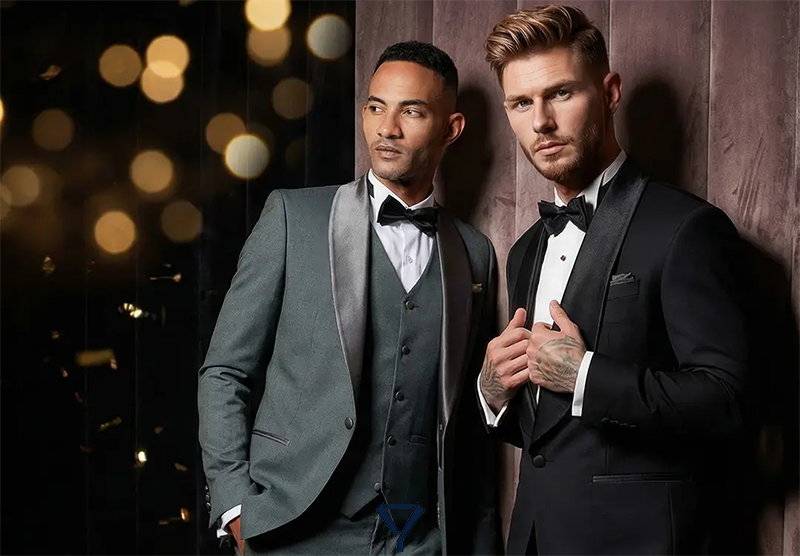
A tuxedo, on the other hand, is reserved for very formal or black-tie events. Tuxedos feature distinctive satin or grosgrain details, most notably on the lapels, buttons, and the side stripe running down the trousers. Tuxedo jackets are traditionally worn with a formal white dress shirt, a bow tie, and patent leather shoes. Because of these elements, a tuxedo immediately signals evening formality and ceremony.
In simple terms, a tuxedo is more formal than a suit, both in appearance and in the occasions it is designed for.
When Should You Choose a Suit Instead of a Tuxedo?
You should choose a suit when the event does not explicitly require a black-tie dress code. Business meetings, job interviews, corporate events, daytime weddings, and most social occasions are all appropriate settings for wearing a suit.
Suits also offer far greater versatility. A navy or charcoal suit can be worn across multiple occasions with minor styling changes, such as switching shirts or shoes. For many men, a suit is a more practical and cost-effective investment because it can be worn far more frequently than a tuxedo.
Unless the invitation specifically states “black tie” or “formal evening wear,” a well-fitted suit is almost always the correct and safest choice.
11. Common Suit Mistakes to Avoid
Even a high-quality suit can look unpolished if it is worn incorrectly. Understanding the most common suit mistakes will help you avoid poor styling choices and ensure your suit always looks sharp, professional, and intentional.
Wearing a Suit That Is Too Tight or Too Loose
One of the most frequent mistakes is wearing a suit that does not fit properly. A suit that is too loose can make you look sloppy and unstructured, while a suit that is too tight restricts movement and creates visible pulling or creasing across the chest, shoulders, and waist.
A well-fitted suit should follow the natural shape of your body without clinging to it. The jacket should sit cleanly on the shoulders, the sleeves should be the correct length, and the trousers should fall smoothly without excessive bunching. Proper fit instantly improves your appearance, regardless of the suit’s price or brand.
Confusing a Blazer with a Suit
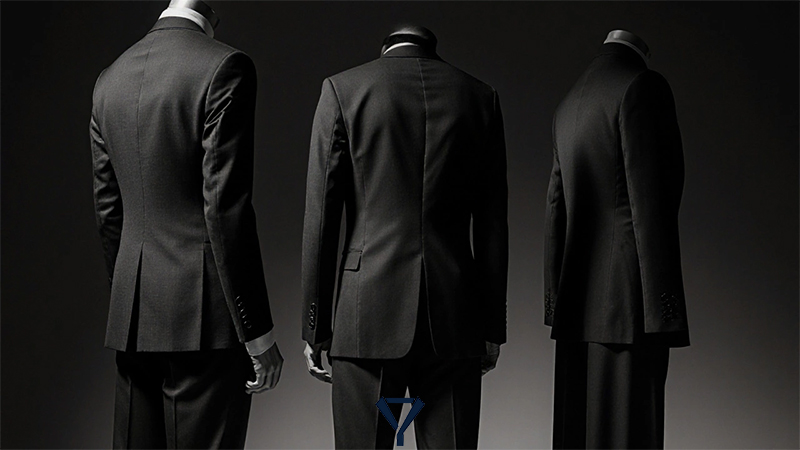
Another common mistake is assuming a blazer and a suit jacket are the same thing. While they may look similar, they serve different purposes. A suit jacket is designed to be worn only with its matching trousers, as both pieces are made from the same fabric. A blazer, on the other hand, is a standalone jacket meant to be paired with different trousers.
Wearing a suit jacket with mismatched pants breaks the harmony of the outfit and immediately signals a styling error. If the jacket and trousers are not made from the same fabric, it is not a suit. Understanding this distinction is essential for dressing correctly and confidently.
Choosing the Wrong Shoes
Shoes play a critical role in how a suit looks, yet they are often overlooked. Wearing casual shoes, overly bulky footwear, or mismatched colors can ruin an otherwise well-styled suit. Sneakers, worn-out loafers, or shoes that clash with the suit’s formality undermine the elegance of the outfit.
For most suits, leather dress shoes such as Oxfords or Derbies are the safest choice. Black shoes work best with black, charcoal, and formal navy suits, while brown shoes pair well with navy and lighter-colored suits. Matching your shoe color with your belt also helps maintain a cohesive and polished appearance.

Ignoring Alterations and Tailoring
Skipping alterations is one of the biggest mistakes men make when buying a suit. Most off-the-rack suits are designed to fit a wide range of body types, which means they rarely fit perfectly straight off the hanger.
Simple tailoring adjustments can dramatically improve how a suit looks and feels. Alterations do not need to be expensive, but they make a noticeable difference. A tailored suit always looks more refined, comfortable, and intentional than one that has never been adjusted.
Conclusion
A suit is more than just a formal outfit. It is a timeless expression of structure, confidence, and intention. By understanding what a suit is, how it is constructed, the different types available, and when and how to wear one properly, you gain the ability to dress with clarity rather than uncertainty. A well-chosen and well-fitted suit enhances your appearance, communicates professionalism, and helps you feel more confident in important moments. When worn correctly, a suit becomes a powerful tool that works for you, not just a piece of clothing.
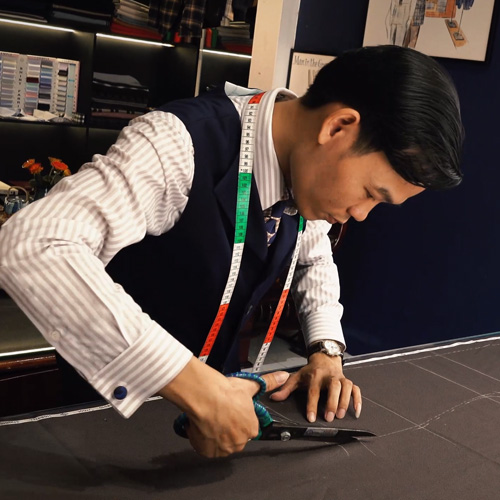
Created from my passion for sartorial that I discovered through learning and working in the field, YOURSUITTREND is dedicated to providing in-depth knowledge, expert styling tips, and the latest trends in men’s tailored fashion. If you ever come to Vietnam, let’s grab a glass 🙂