The Tang suit is one of the most recognizable traditional Chinese garments. At first hearing, many people assume it is related to the Tang Dynasty, but this is actually a common misunderstanding. So, what is a Tang suit, and where does it really come from? In this guide, let’s understand what a Tang suit is, clarify its cultural meaning, and explain why this type of suit (kinda?) remains an enduring symbol of Chinese tradition in the modern world.
1. What Is a Tang Suit?
A Tang suit is a traditional style of Chinese clothing that is commonly worn during cultural celebrations, formal ceremonies, and festive occasions.
Although its name suggests a connection to the Tang Dynasty, the traditional Chinese Tang suit actually developed much later. The word “Tang” comes from how Chinese people were historically referred to by Western societies and overseas Chinese communities. As a result, Western cultures began using the term “Tang suit” to describe traditional Chinese formal clothing in general.
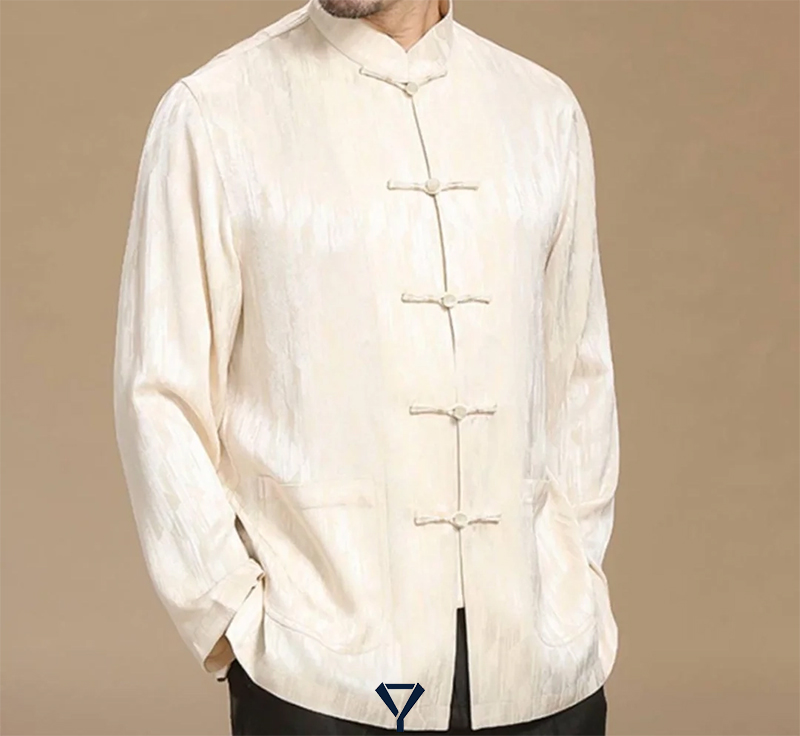
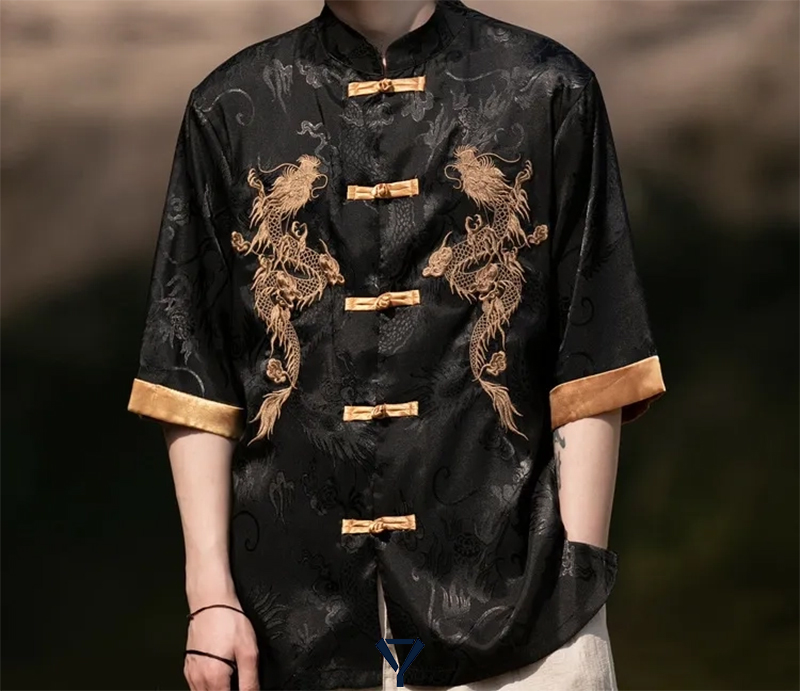
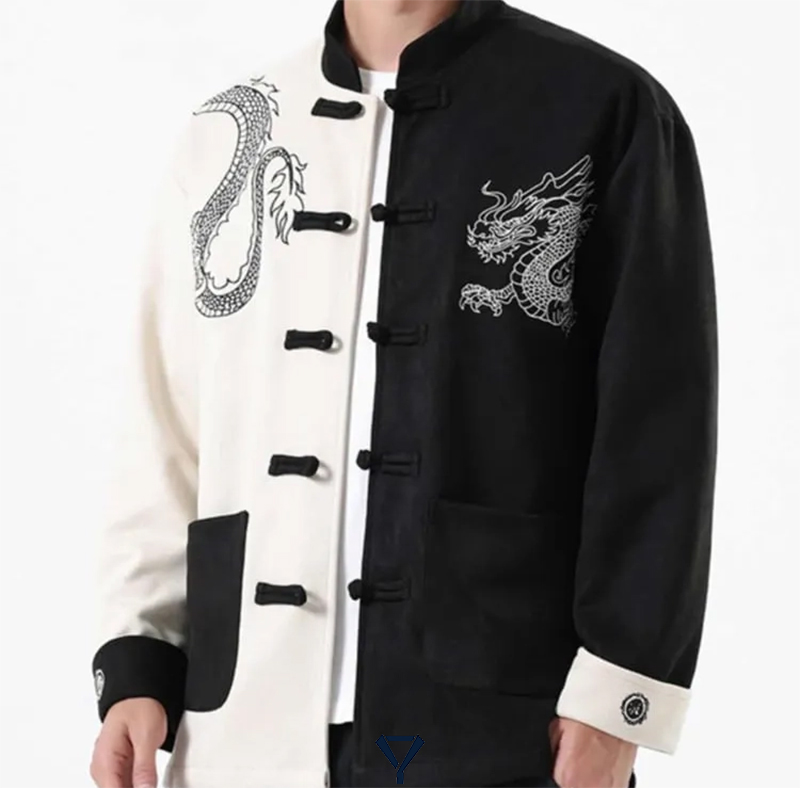
The traditional Chinese Tang suit is easy to recognize by several key features, like a Mandarin collar, the front is fastened with frog buttons, and a straight, symmetrical silhouette, designed to create balance and structure rather than emphasizing body shape. Its design was influenced by clothing worn during the Qing Dynasty, particularly short jackets with front openings and structured collars.
2. History and Origin of the Tang Suit
The history of what is the Tang suit is closely connected to the cultural evolution of Chinese clothing rather than a single historical dynasty.
Despite its name, the Tang suit did not originate during the Tang Dynasty. Instead, the origin of the Tang suit can be traced to later periods of Chinese history, especially the Qing Dynasty (1644–1912), when short jackets with front openings and standing collars became common among men. The modern concept of the Tang suit began to take shape as traditional Chinese garments were simplified and adapted for daily wear.
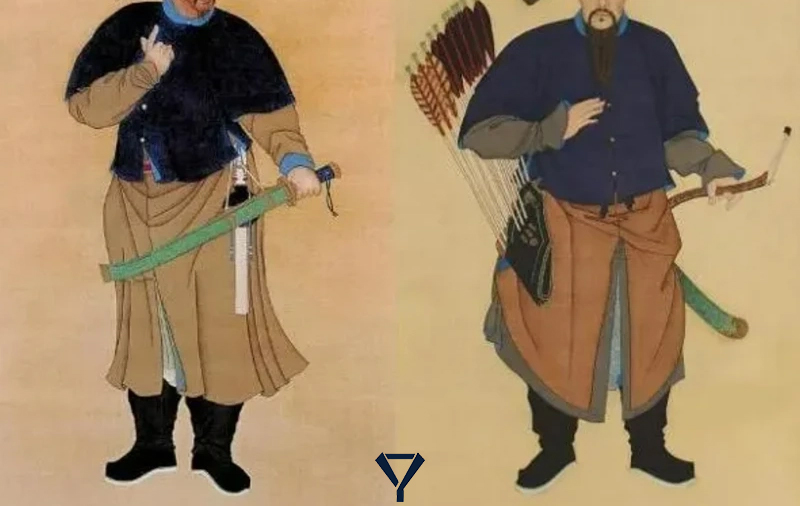
Influences from Qing-era clothing, such as the magua (a short jacket worn over robes), played a significant role in shaping the structure and appearance of what we now recognize as the Tang suit. Over time, these garments evolved into a more standardized style suitable for formal and ceremonial occasions.
The name “Tang” itself has an important cultural background. In overseas Chinese communities, particularly in Southeast Asia, Europe, and North America, the word “Tang” was historically used to refer to Chinese people as a whole. Chinese immigrants often described themselves as “people of Tang,” and their communities were known as “Tang towns,” which later became known as Chinatowns. As a result, Western societies adopted the term “Tang suit” as a general label for traditional Chinese formal clothing.
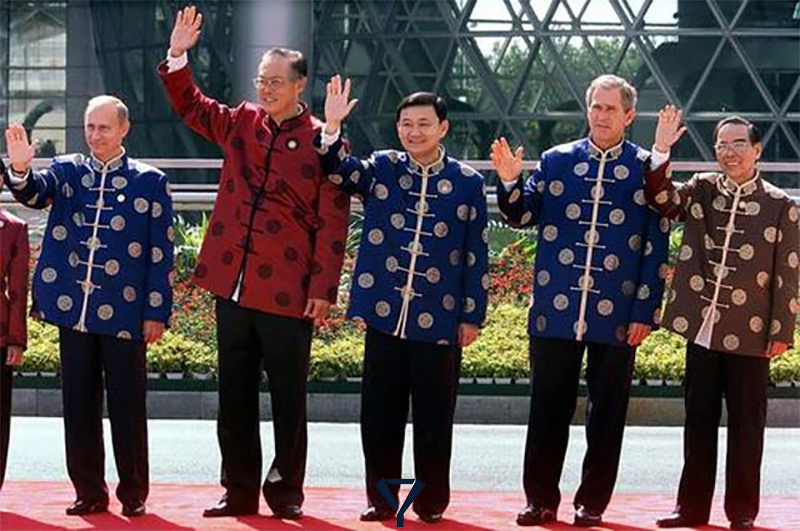
The Tang suit gained widespread popularity during the 19th and 20th centuries, especially as China entered periods of modernization and cultural exchange with the West. During this time, the Tang suit emerged as a practical way to preserve traditional identity while adapting to modern social settings. It became commonly worn during festivals, official events, and important celebrations.
Today, the Tang suit plays a significant role in representing Chinese cultural identity, often worn during many Chinese cultural events as a visual symbol of heritage, tradition, and continuity.
3. Key Features of a Traditional Tang Suit
While styles may vary slightly, classic Tang suit design follows a set of recognizable elements that reflect Chinese aesthetics, symbolism, and cultural values.
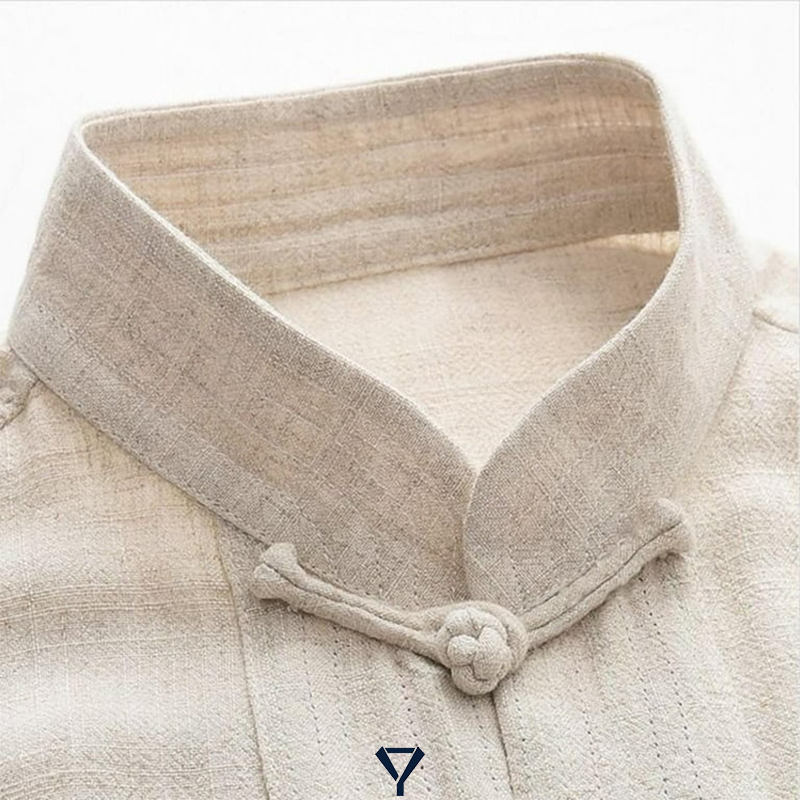
Mandarin Collar
This is one of the most defining Tang suit features. Mandarin collar, also known as a standing collar, is an upright collar that sits close to the neck and creates a clean, formal silhouette.
In East Asian culture, the Mandarin collar symbolizes discipline, dignity, and respect, making it especially suitable for ceremonial and formal occasions. From a design perspective, it also enhances symmetry and gives the Tang suit its instantly recognizable profile.
Frog Button Closures
Another essential element of traditional Tang suit design is the frog button closure. These buttons are made from knotted fabric loops rather than standard buttons and are placed symmetrically along the front opening of the jacket. Beyond their practical function, frog buttons carry symbolic meaning, often representing unity, harmony, and continuity. Their handcrafted appearance also highlights traditional Chinese craftsmanship and attention to detail.
Fabric and Materials
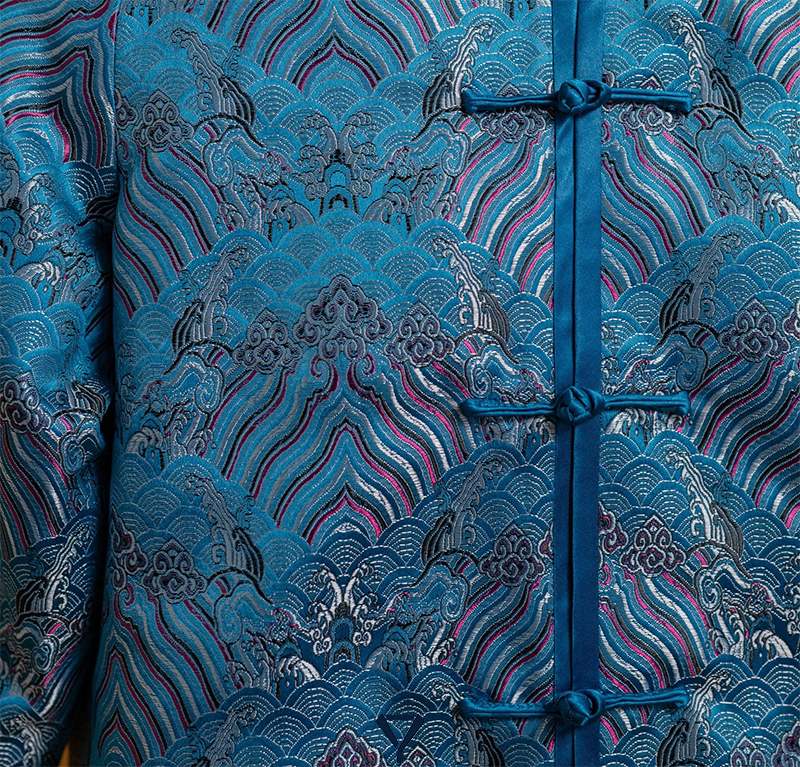
Traditional Tang suits are typically made from fabrics that convey elegance and cultural significance. Brocade is one of the most popular Tang suit materials, known for its rich texture and woven patterns that often include symbolic motifs.
Silk is also commonly used, valued for its smooth feel, natural sheen, and historical importance in Chinese culture. For everyday or modern Tang suits, cotton and blended fabrics are frequently chosen to improve comfort, breathability, and durability while maintaining the traditional look.
Colors and Symbolism
Color plays a major role in Tang suit design, as each shade is not just aesthetic but deeply rooted in Chinese symbolism and carries cultural meaning:
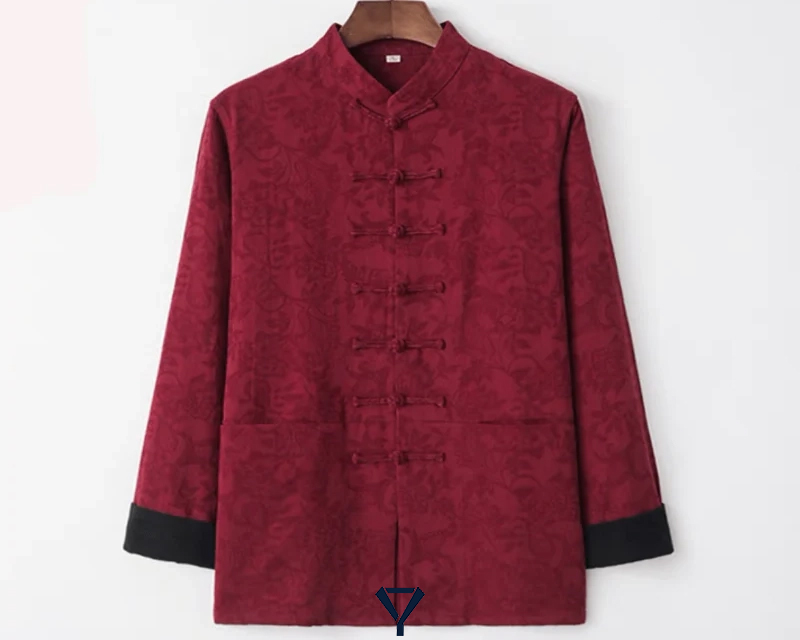
- Red is the most iconic color, symbolizing luck, happiness, and prosperity, which is why it is often worn during festivals and weddings.
- Black represents formality, stability, and authority, making it suitable for official or solemn occasions.
- Gold or yellow has long been associated with royalty, power, and wealth, reflecting its historical connection to imperial China.
4. Types of Tang Suits
While share the same core design elements, Tang suits also come in several variations, reflecting changes in fashion, lifestyle, and cultural expression over time.
Traditional Tang Suit
A traditional Tang suit closely follows classic Chinese design principles and is most commonly worn during cultural or ceremonial events. This type usually features a straight-cut jacket with a Mandarin collar, symmetrical frog button closures, and rich, symbolic fabrics such as brocade or silk.
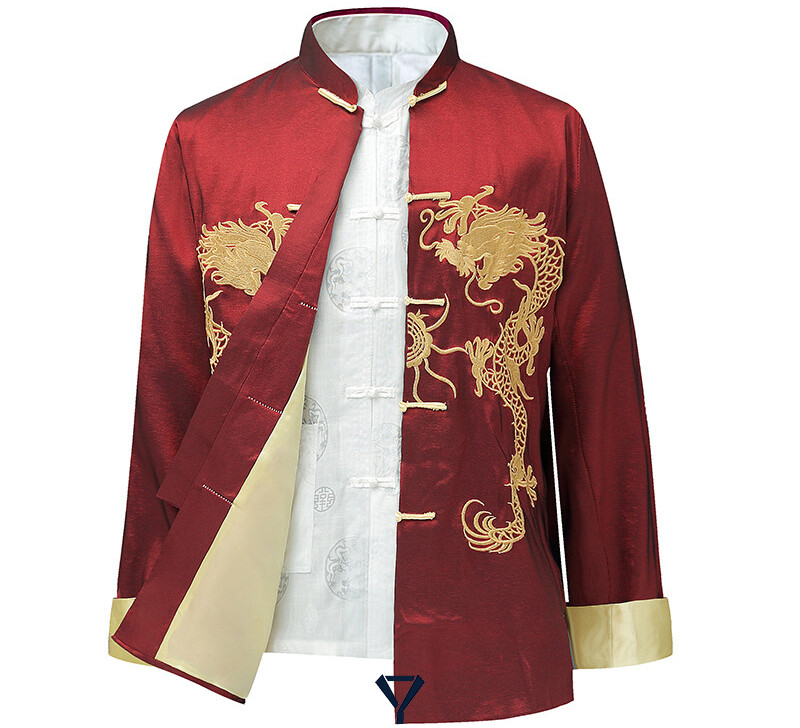
Traditional Tang suits often come in bold, meaningful colors like red, black, or gold, sometimes decorated with auspicious patterns such as dragons, clouds, or floral motifs. They are typically worn during Chinese New Year, weddings, ancestral ceremonies, and official cultural celebrations.
Modern Tang Suit
A modern Tang suit adapts traditional elements to suit contemporary fashion preferences. While it retains key features like the Mandarin collar and frog buttons, the overall silhouette is often slimmer and more tailored.
Modern Tang suits may use lighter fabrics, minimal patterns, and neutral colors to create a cleaner, more versatile look. This style is popular for formal events, cultural performances, and even semi-casual occasions where tradition meets modern elegance.
Tang Suits for Men and Women
Tang suits are designed for both men and women, with subtle differences in cut and styling.
- Men’s Tang suits usually emphasize structure and symmetry, with straight lines and a relaxed yet formal fit.
- Women’s Tang suits, on the other hand, may feature a slightly tapered waist, softer fabrics, or decorative embroidery to enhance elegance and femininity.
Despite these differences, both versions maintain the core identity of the Tang suit and reflect shared cultural values.
Contemporary and Fashion-Forward Tang Suits
In recent years, Tang suits have also evolved into fashion-forward designs used in modern Chinese and international fashion. These contemporary Tang suits experiment with unconventional fabrics, bold color combinations, and creative cuts while still referencing traditional elements.
Designers often blend Tang suit aesthetics with Western tailoring or streetwear influences, making this version especially appealing to younger audiences and global fashion enthusiasts.
5. When Do People Wear a Tang Suit?
Many people wonder when to wear a Tang suit, as it is closely associated with tradition, celebration, and cultural identity. While Tang suits are not everyday clothing, they are commonly worn during important events that emphasize heritage, respect, and formality.
Chinese New Year (Lunar New Year)
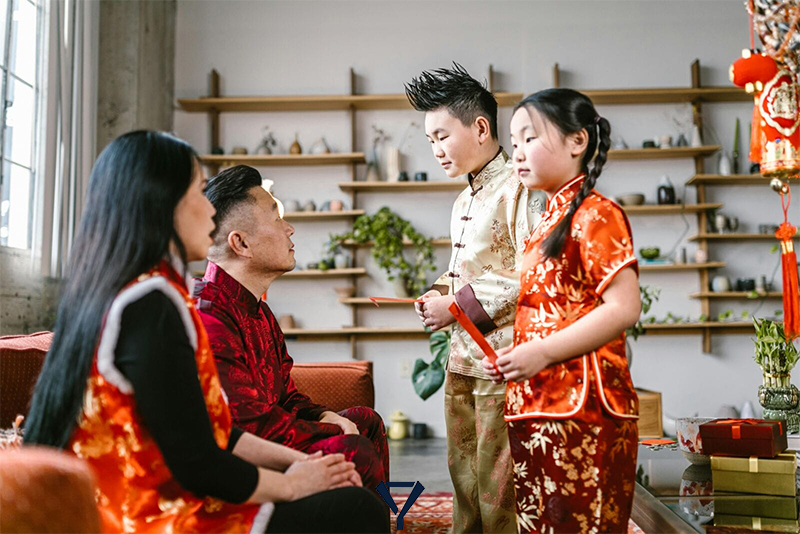
One of the most popular times to wear a Tang suit is during the Chinese New Year. The Tang suit’s traditional design and symbolic colors (especially red and gold) align perfectly with the holiday’s themes of luck, prosperity, and new beginnings.
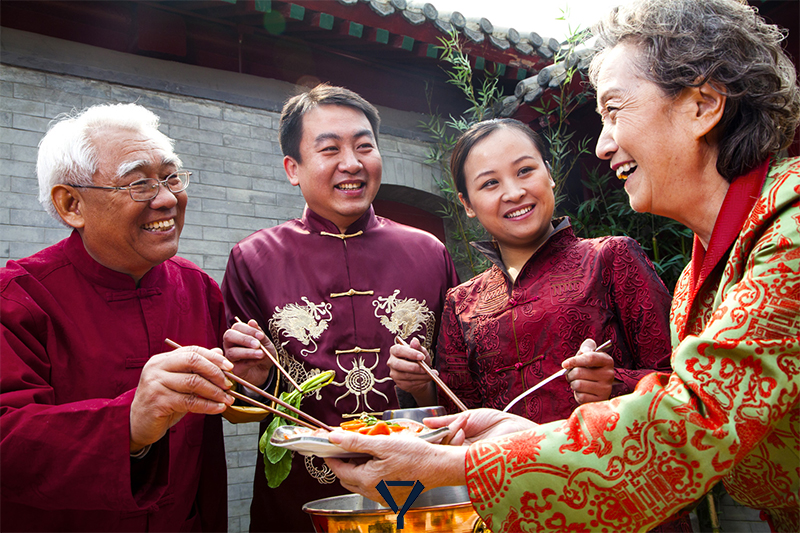
Both men and women wear Tang suits during family gatherings, temple visits, festive performances, and public celebrations, making it one of the most recognizable outfits of the season.
Traditional Chinese Weddings
Tang suits are also commonly worn at traditional Chinese weddings, particularly during ceremonial moments such as tea ceremonies or formal family introductions. Grooms, elders, and family members may wear Tang suits to show respect for tradition and cultural values.
In this context, the Tang suit represents harmony, stability, and good fortune for the couple’s future.
Cultural Festivals and Celebrations
Another important answer to when to wear a Tang suit is during cultural festivals and heritage events. These include lantern festivals, cultural exhibitions, and community celebrations both in China and in overseas Chinese communities. Tang suits are often chosen for their recognizable cultural symbolism and elegant appearance, helping visually represent Chinese tradition in public settings.
Formal Events and Artistic Performances
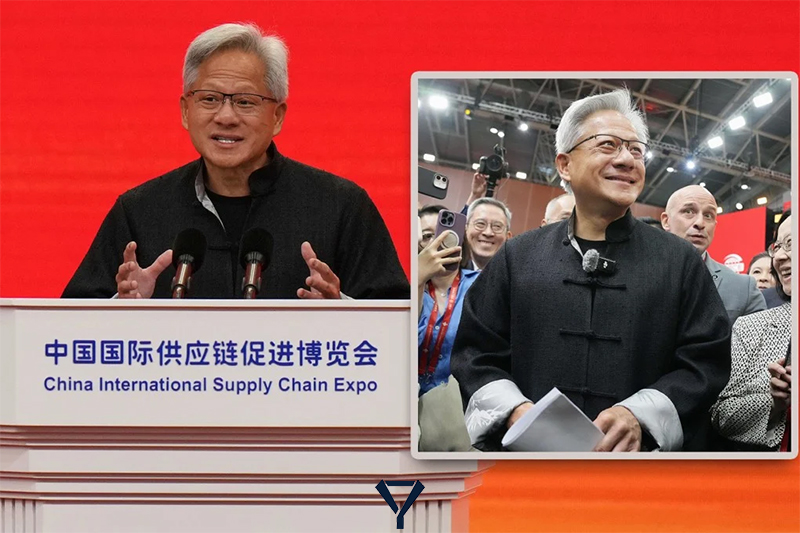
Tang suits are also worn at formal events, official receptions, and artistic performances such as traditional music, dance, or theater. In these settings, the Tang suit serves as a cultural statement rather than everyday fashion. It is commonly seen at diplomatic events, cultural exchanges, stage performances, and ceremonies that highlight Chinese heritage on an international stage.
6. How to Style a Tang Suit Today
Knowing how to wear a suit that carries tradition in modern settings allows you to honor the old value while adapting the look to contemporary fashion and global events.
Traditional Tang Suit Styling
For a traditional look, wear the Tang suit as a complete set, pairing the jacket with matching trousers in classic fabrics such as silk or brocade. Traditional colors like red, black, navy, or gold are ideal for cultural celebrations and formal ceremonies.
Keep the styling simple and balanced, allowing the Mandarin collar and frog buttons to stand out as the main design features. This approach is best suited for festivals, weddings, and formal cultural events where tradition and symbolism are important.
Modern and Contemporary Styling
Modern Tang suit styling focuses on blending traditional elements with contemporary fashion. A Tang suit jacket can be paired with tailored trousers, chinos, or even dark denim for a relaxed yet refined look. Neutral tones such as gray, beige, or deep blue help create a clean, modern aesthetic.
Slimmer cuts and lightweight fabrics also make modern Tang suits more wearable for international events, fashion gatherings, and semi-formal occasions.
Shoes and Accessories
Choosing the right shoes and accessories is essential when learning how to wear a Tang suit properly. Traditional leather dress shoes or loafers work well for formal settings, while minimalist sneakers can complement modern Tang suit outfits.
Accessories should be understated. Watches, simple rings, or subtle lapel pins add refinement without overpowering the outfit. Avoid overly bold accessories, as the Tang suit itself is meant to be the focal point.
Styling a Tang Suit for International Events
For international or cross-cultural events, balance is key. Choose a modern Tang suit with a tailored fit and subtle patterns to ensure the outfit feels elegant rather than costume-like.
Pair it with neutral shoes and minimal accessories to create a respectful, polished look. This styling approach allows the Tang suit to serve as a cultural statement while remaining appropriate for global audiences, business receptions, and formal social gatherings.
7. Tang Suit vs Hanfu vs Cheongsam (Key Differences)
Traditional Chinese clothing includes several distinct styles, which often leads to confusion among international audiences. To better understand Chinese fashion and cultural history, it is important to compare the Tang suit, Hanfu, and Cheongsam (Qipao). While all three are associated with Chinese heritage, they differ significantly in historical origin, structure, and purpose.
Historical Period
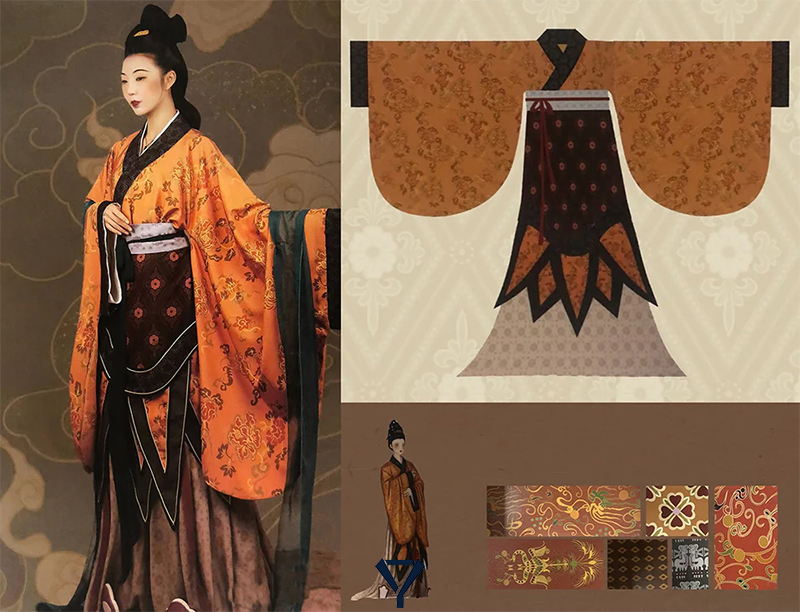
The most important difference between these garments lies in their historical background. Hanfu is the oldest of the three and dates back more than 3,000 years, originating during the Han Dynasty and earlier periods. It represents traditional clothing worn by the Han Chinese before the Qing Dynasty.
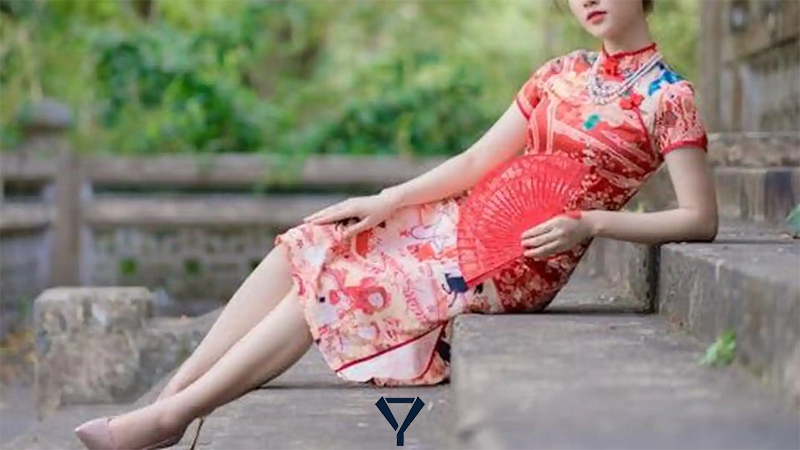
The Cheongsam, also known as the Qipao, emerged much later during the early 20th century. It evolved from Manchu women’s clothing and became popular in urban China, especially in Shanghai, as a fashionable and body-contouring dress.
The Tang suit, despite its name, does not come from the Tang Dynasty. Instead, it developed in the late Qing Dynasty and modern era as a symbolic form of traditional Chinese formalwear. This distinction is central when comparing the Tang suit vs Hanfu or the Tang suit vs Cheongsam.
Structure and Design
In terms of structure, Hanfu is known for its flowing robes, wide sleeves, crossed collars, and layered construction. It emphasizes movement, elegance, and harmony with nature rather than tailoring or body shape.
The Cheongsam features a fitted silhouette designed to follow the body’s natural curves. It typically has a high collar, side slits, and a one-piece structure, making it visually distinct and more fashion-oriented.
The Tang suit, by contrast, has a straight and structured silhouette. It usually consists of a jacket with a Mandarin collar, frog button closures, and a symmetrical design. Compared to Hanfu’s loose form and the Cheongsam’s tailored fit, the Tang suit focuses on balance, formality, and symbolism rather than flow or figure enhancement.
Purpose and Usage
Another key difference lies in how each garment is worn today. Hanfu is primarily used in cultural revival movements, historical reenactments, ceremonies, and traditional performances. It represents a return to ancient Chinese identity and philosophy.
The Cheongsam is often worn at formal events, social gatherings, and fashion occasions. It is widely seen as a symbol of elegance, femininity, and modern Chinese style.
The Tang suit is most commonly worn during festivals, weddings, cultural celebrations, and official events. When comparing the Tang suit vs Cheongsam, the Tang suit carries a stronger association with collective cultural identity, while the Cheongsam emphasizes individual style. Compared to Hanfu, the Tang suit is more practical and accessible for modern ceremonial wear.
Conclusion
So, what is a Tang suit? More than just a traditional outfit, it is a cultural symbol that represents Chinese heritage, identity, and continuity. Although the Tang suit is often mistaken for clothing from the Tang Dynasty, its true origins lie in later historical periods, shaped by centuries of cultural evolution and adaptation. Today, the Tang suit continues to play an important role in festivals, weddings, and formal cultural events around the world. As global interest in heritage fashion continues to grow, the Tang suit remains a timeless symbol of tradition, elegance, and cultural pride.
Created from my passion for sartorial that I discovered through learning and working in the field, YOURSUITTREND is dedicated to providing in-depth knowledge, expert styling tips, and the latest trends in men’s tailored fashion. If you ever come to Vietnam, let’s grab a glass 🙂